
Washington, DC Washington, DC developed as a planned capital intended to reflect the political ideals of a newly independent nation through architecture and urban design. Established along the Potomac River as a federal district distinct from individual states, the city was conceived as a symbolic center representing unity among the states. Broad avenues, formal vistas, […]
Elm Bank Reservation Elm Bank Reservation occupies a historic landscape along the Charles River in Wellesley and Dover, Massachusetts, where agricultural land, estate gardens, and riverfront environments reflect changing patterns of land use in the Greater Boston region. The property developed from eighteenth-century farmland into a country estate and later became part of a public […]
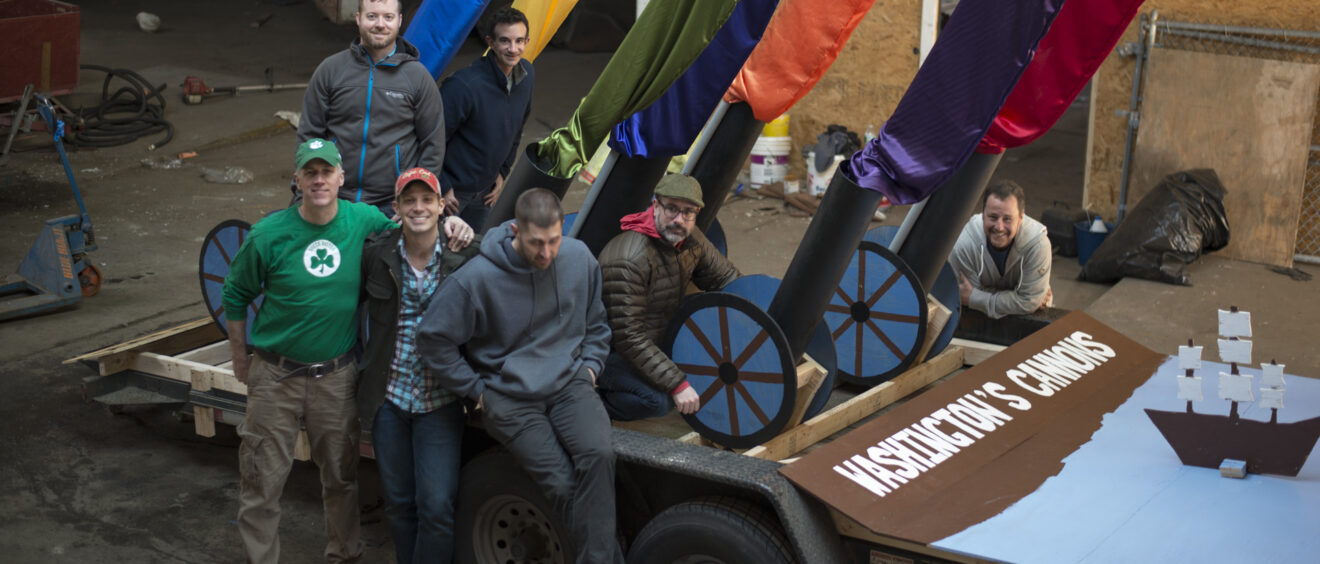
South Boston St. Patrick’s Day Parade Float The South Boston St. Patrick’s Day Parade is one of the most historically significant civic traditions in Boston, reflecting the city’s longstanding connection to Irish immigration and community identity. Since the nineteenth century, the parade has been closely associated with South Boston, a neighborhood shaped by generations of […]
Cold Boston Winter Winter in Boston reveals the relationship between climate and architecture in one of the oldest cities in the United States. Snow and low-angle light emphasize masonry, stone, and glass surfaces across historic neighborhoods and major cultural institutions, clarifying the formal structure of buildings within the urban landscape. In this setting, the Museum […]
Atlanta Atlanta developed in the interior southeastern United States at the intersection of transportation routes connecting the Appalachian region with the coastal plains of Georgia. Established as a railroad terminus in the nineteenth century, the city grew into a major commercial and logistical center linking regional agricultural production with national markets. Its location contributed to […]
San Antonio San Antonio is located in south-central Texas along the San Antonio River, where springs and waterways supported early settlement in the transition zone between the Edwards Plateau and the South Texas Plains. The city developed as an important colonial center within the Spanish frontier, linking interior settlements with trade routes extending across northern […]
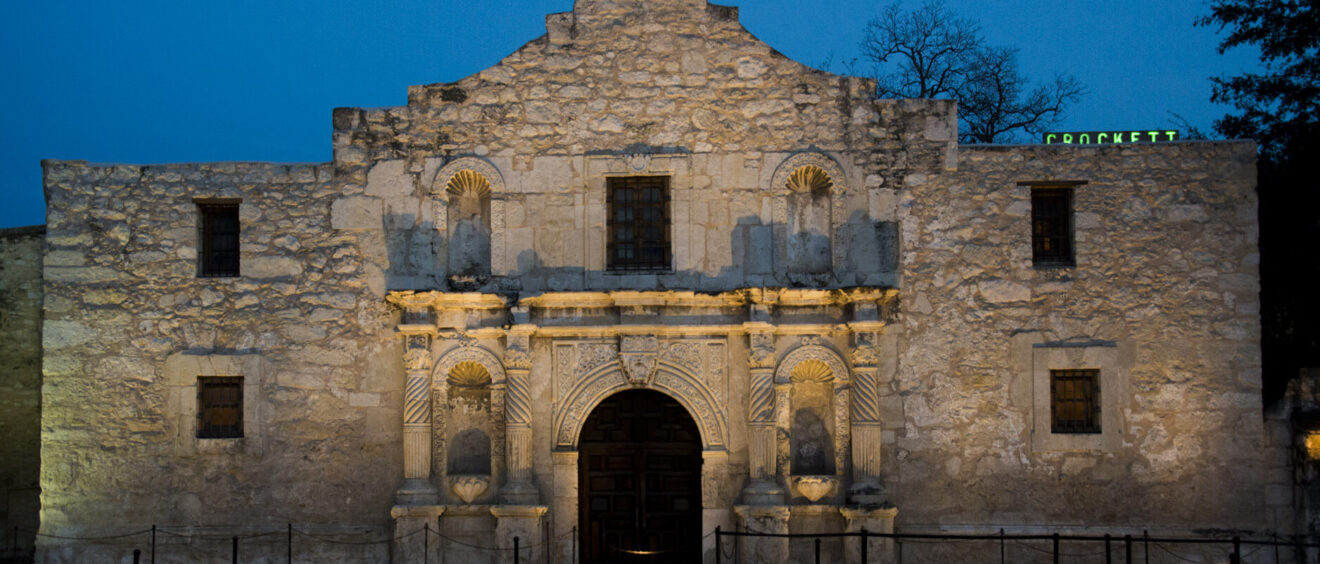
San Antonio Missions National Historical Park San Antonio Missions National Historical Park preserves a group of eighteenth-century Spanish colonial mission complexes located along the San Antonio River in southern Texas. These mission communities formed part of a broader network of religious and cultural institutions established by Spain to support colonization of the Southwest and to […]
Big Bend National Park Big Bend National Park is located in southwestern Texas along a major bend of the Rio Grande, where desert basins, mountain ranges, and river canyons illustrate the geological complexity of the Chihuahuan Desert. The landscape includes volcanic formations, marine sedimentary layers, and extensive erosional features formed over hundreds of millions of […]
Fort Davis National Historic Site Fort Davis National Historic Site is located in the Davis Mountains of western Texas within the Trans-Pecos region, where elevated desert basins and volcanic uplands form part of the Chihuahuan Desert landscape. Established in 1854, the fort occupied a strategic position along the San Antonio–El Paso Road, an important transportation […]
Minnesota Landscapes Minnesota landscapes reflect glacial processes that shaped lakes, forests, and wetlands across the Upper Midwest. Glaciers carved depressions that later filled with water, forming numerous lakes that characterize the region today. The terrain illustrates how ice movement influenced surface features across northern North America. Forest ecosystems developed following glacial retreat, supporting plant and […]