Steven Michael Martin

Katmai NP

Katmai NP Katmai National Park preserves a rugged wilderness environment shaped by volcanic activity, river systems, and coastal ecosystems. The park’s remote location contributes to its reputation as one of Alaska’s premier wildlife viewing destinations. Mountains, lakes, and dense vegetation create habitat supporting diverse species throughout the year. The park is particularly well known for […]
Explore Portfolio

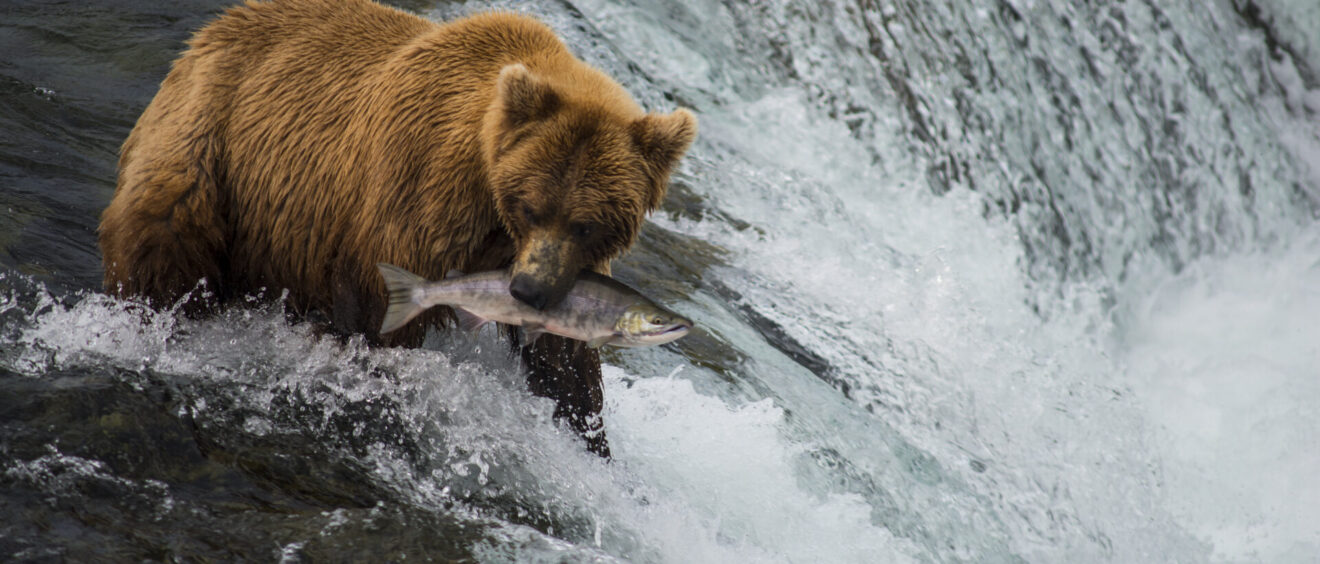
Katmai NP – The Catch

Katmai NP — The Catch Watching a brown bear successfully catch salmon at Katmai is one of those rare wildlife moments where anticipation builds with each passing second. Standing along the river’s edge, it becomes clear that timing is everything. The rushing water creates constant motion, while salmon gather below the falls before attempting the […]

Explore Portfolio

Lake Clark NP

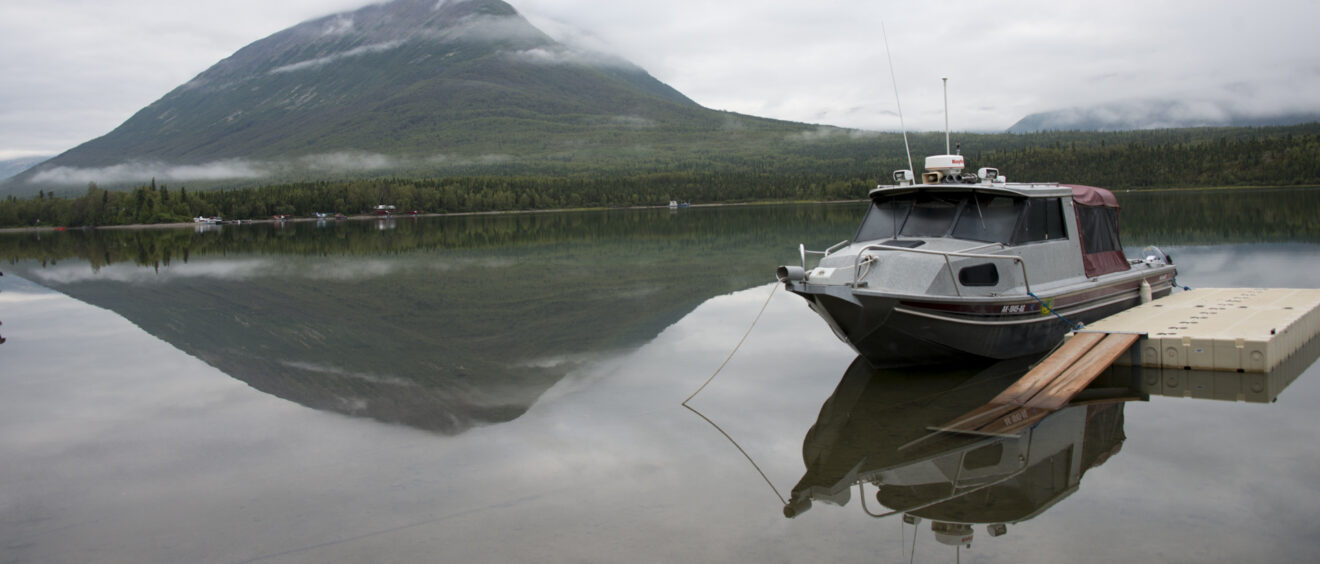
Lake Clark NP Lake Clark National Park presents a remote wilderness landscape where mountains, glaciers, and expansive lakes define the visual character of southwestern Alaska. Accessing the park often requires small aircraft flights across vast stretches of undeveloped terrain, reinforcing the sense that this environment remains largely untouched. The combination of alpine scenery, broad waterways, […]

Explore Portfolio

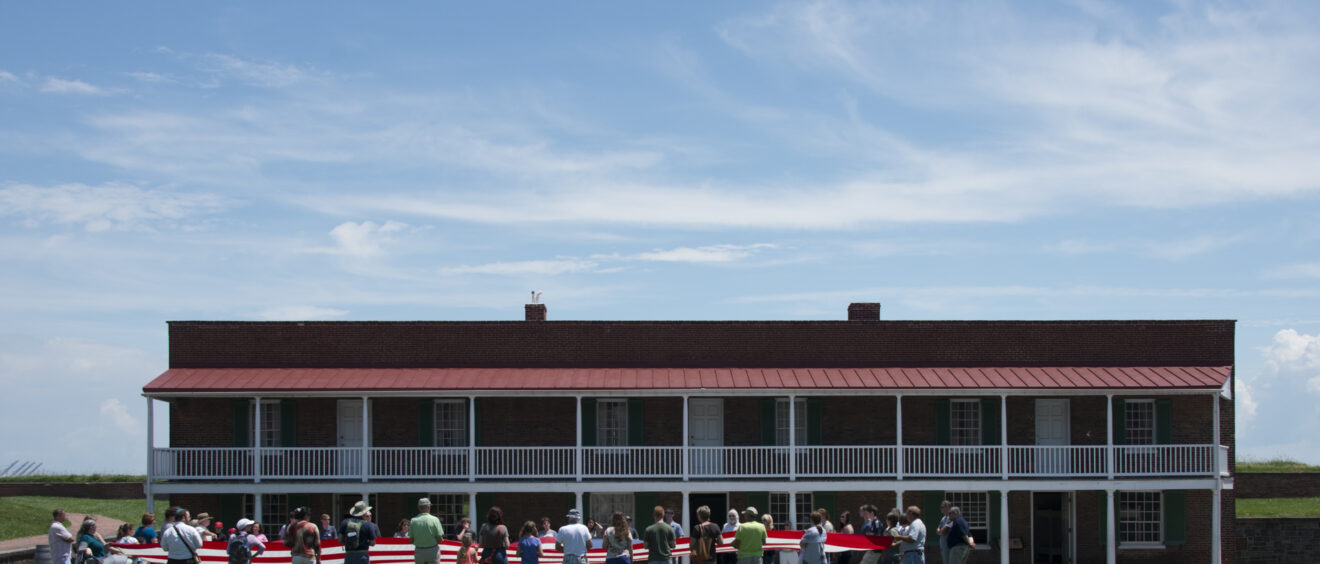
Fort McHenry NM and Historic Shrine

Fort McHenry National Monument and Historic Shrine Fort McHenry occupies a strategic position along the Patapsco River protecting the entrance to Baltimore Harbor, reflecting the importance of coastal fortifications in the early defensive network of the United States. Constructed beginning in 1798 as part of the nation’s first system of seacoast defenses, the star-shaped masonry […]

Explore Portfolio

Baltimore Cathedrals

Baltimore Cathedrals Baltimore contains some of the most significant ecclesiastical architecture in the United States, reflecting the city’s early importance as a center of Catholic life in the early republic. The Basilica of the National Shrine of the Assumption of the Blessed Virgin Mary, completed in 1821 and designed by Benjamin Henry Latrobe, represents one […]

Explore Portfolio

Prince William Forest Park

Prince William Forest Park Prince William Forest Park preserves one of the largest protected forest landscapes in the Washington metropolitan region, where rolling Piedmont terrain, stream valleys, and mixed hardwood forest illustrate the environmental character of northern Virginia prior to extensive suburban development. Established during the New Deal era, the park reflects twentieth-century efforts to […]

Explore Portfolio

National Mall – DC Night Lights

United States Capitol at Night The United States Capitol serves as the legislative center of the federal government and one of the most recognizable architectural landmarks in Washington, DC. Its neoclassical design, characterized by a prominent dome, symmetrical wings, and colonnaded façades, reflects architectural traditions associated with democratic governance and the rule of law. Positioned […]

Explore Portfolio

Maine Rainbows and Ptown Abloom

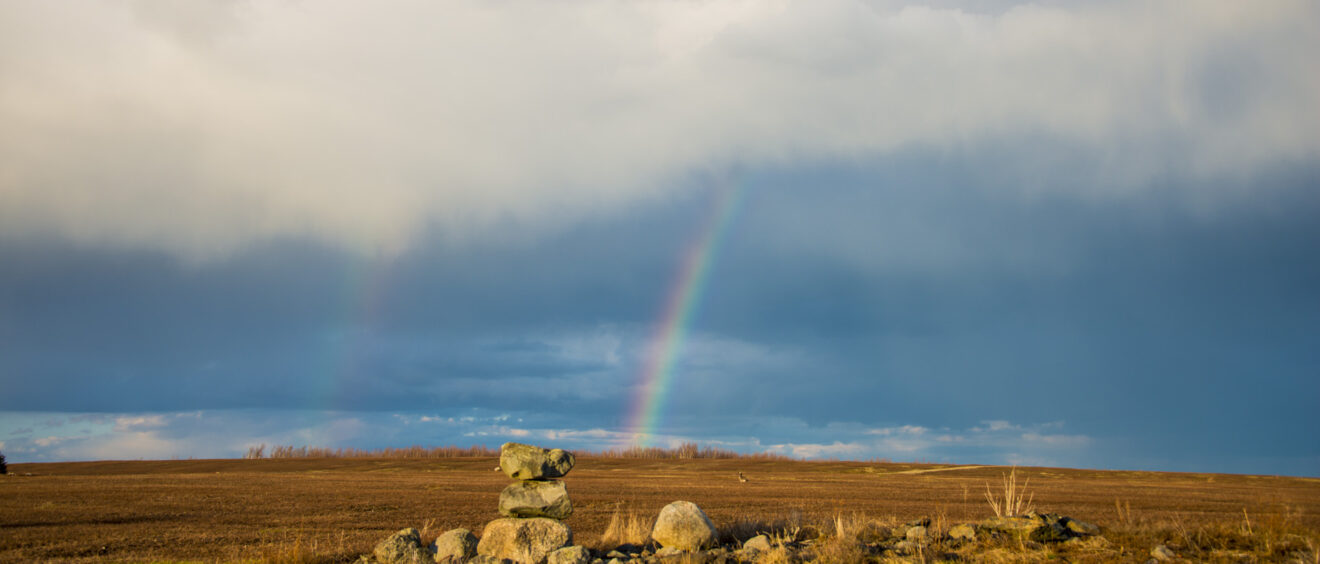
Maine Rainbows and Provincetown in Bloom The coastal environments of northern New England are shaped by rapidly changing maritime weather patterns that influence light, visibility, and atmospheric conditions along the Atlantic shoreline. Rainbows frequently occur where ocean moisture, passing storms, and coastal sunlight combine to create shifting visual conditions across open water and rocky coastline. […]

Explore Portfolio

National Mall – Capitol at Dawn

United States Capitol at Dawn The United States Capitol occupies a prominent position at the eastern end of the National Mall, serving as both the architectural and symbolic center of the legislative branch of the federal government. Constructed in a neoclassical style influenced by ancient Roman civic architecture, the Capitol reflects the early republic’s intention […]

Explore Portfolio

Harpers Ferry NHP

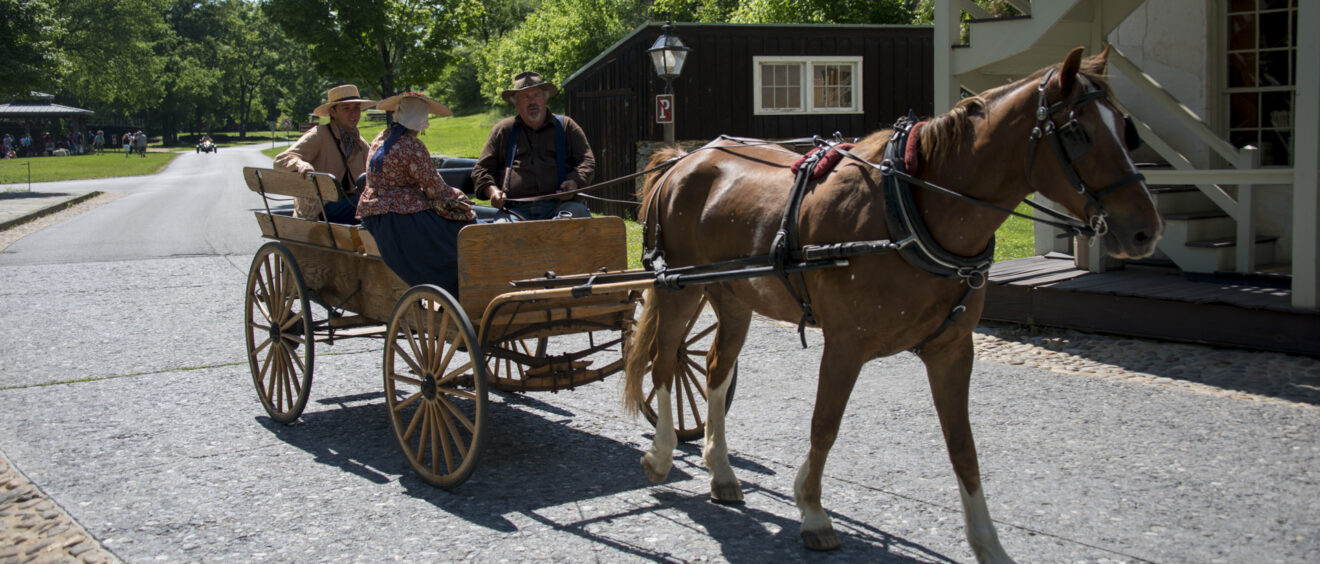
Harpers Ferry Harpers Ferry occupies a dramatic position at the confluence of the Potomac and Shenandoah Rivers, where steep ridges and narrow river corridors created both natural beauty and strategic importance. The town developed during the eighteenth century as a transportation and manufacturing center, benefiting from access to water routes that connected the interior of […]

Explore Portfolio