
Steven Michael Martin

Pipestone NM

Pipestone National Monument Pipestone National Monument preserves quarries where Indigenous communities extracted red pipestone used to create ceremonial pipes. The soft stone can be carved into detailed forms and holds cultural significance across multiple tribal traditions. Quarrying practices demonstrate continuity of cultural traditions connected to natural resources. The stone forms within sedimentary layers that contrast […]
Explore Portfolio

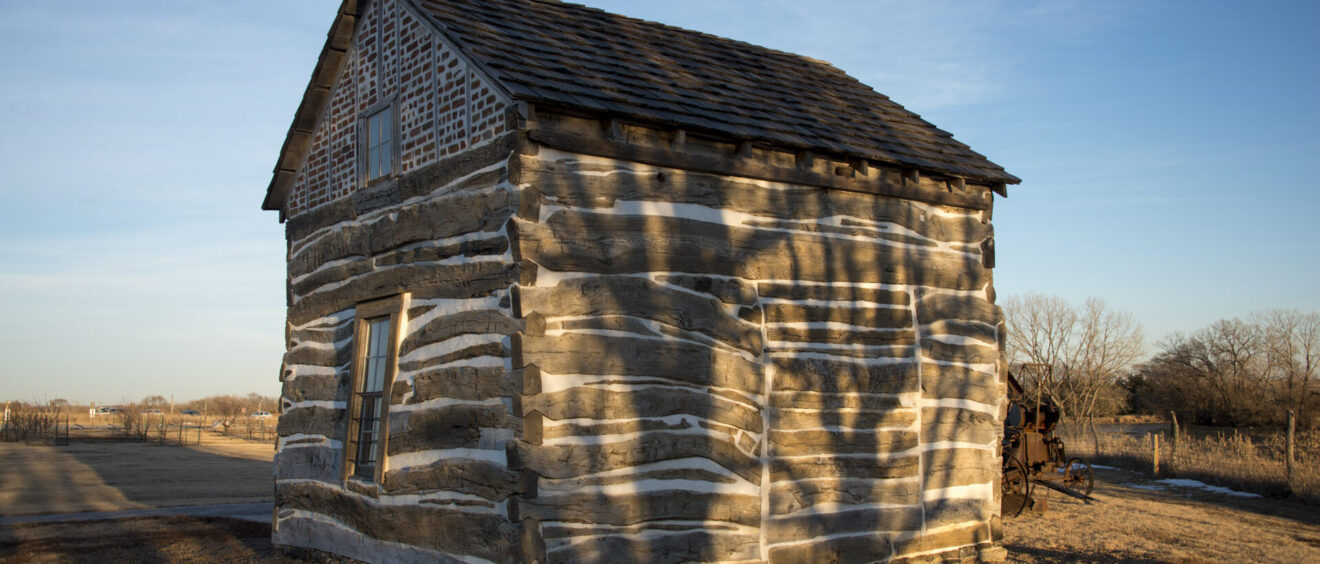
Homestead NM of America

Homestead National Monument of America Homestead National Monument of America preserves prairie landscapes associated with the Homestead Act of 1862, which encouraged settlement across the central United States. The legislation allowed individuals to claim land for agriculture, contributing to large-scale transformation of grassland ecosystems. The site illustrates how policy influenced patterns of settlement across the […]

Explore Portfolio

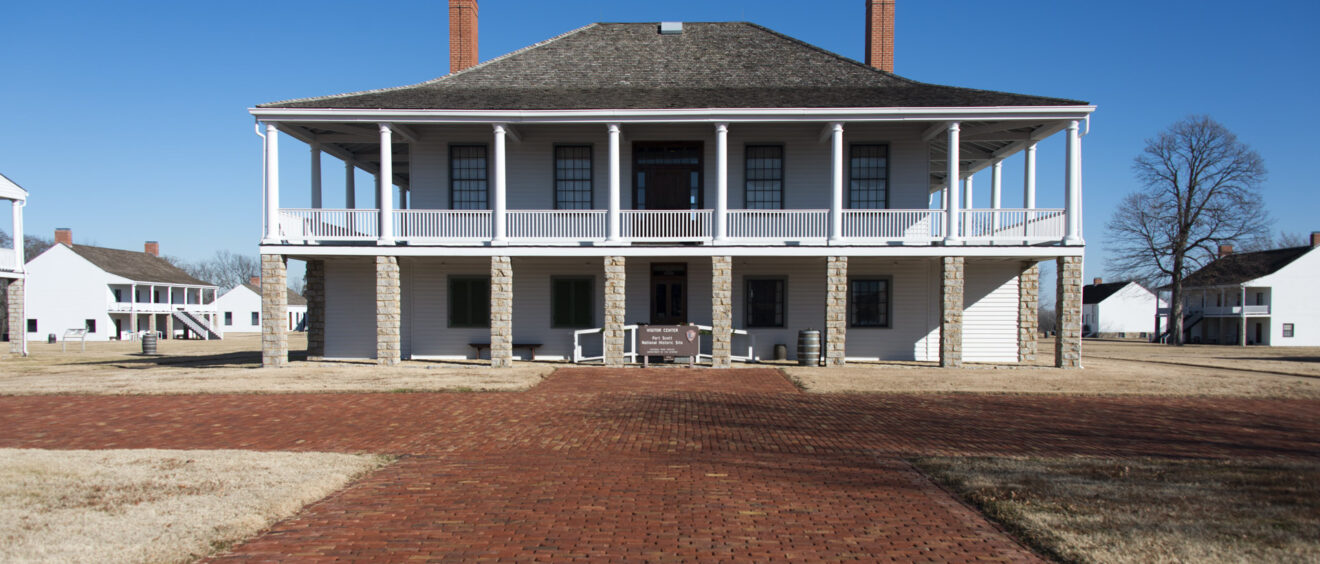
Fort Scott NHS

Fort Scott National Historic Site Fort Scott National Historic Site preserves structures associated with frontier military presence during nineteenth-century westward expansion. The fort supported transportation and communication networks connecting eastern and western regions of the United States. Military installations provided security for routes used by settlers traveling across expanding territories. The fort illustrates how infrastructure […]

Explore Portfolio

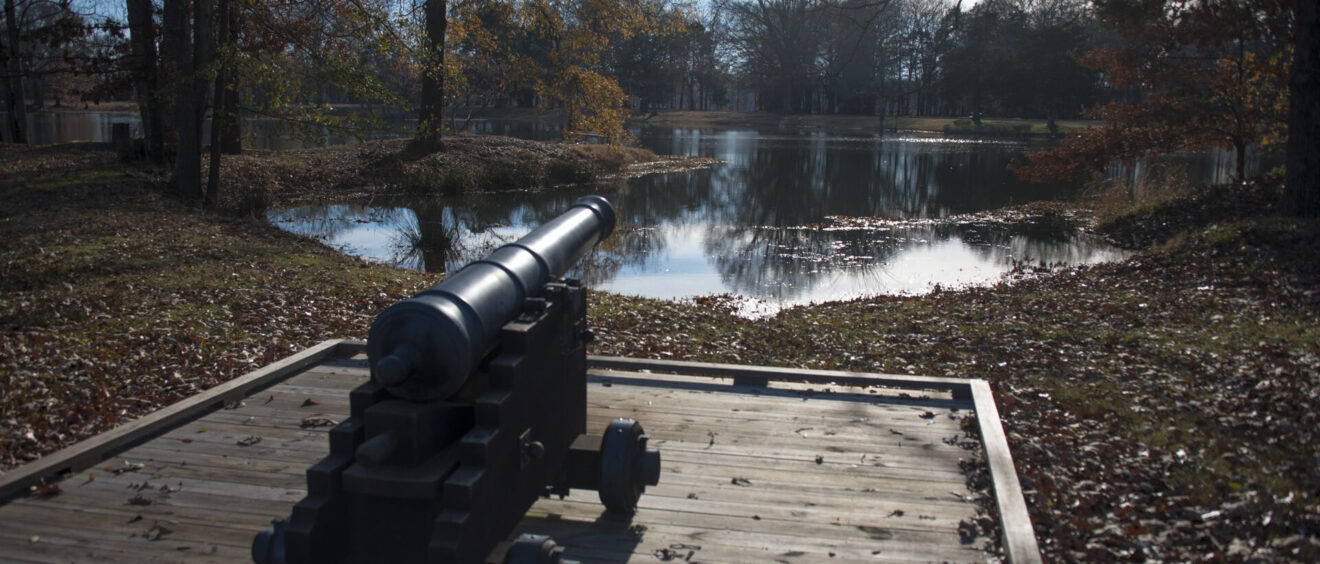
Arkansas Post NMEM

Arkansas Post National Memorial Arkansas Post National Memorial preserves the location of an early European settlement established along the Arkansas River near its confluence with the Mississippi River. The settlement served as a trading location influenced by river transportation networks that connected interior regions with broader commercial routes. The river system allowed exchange of goods […]

Explore Portfolio

Poverty Point NM

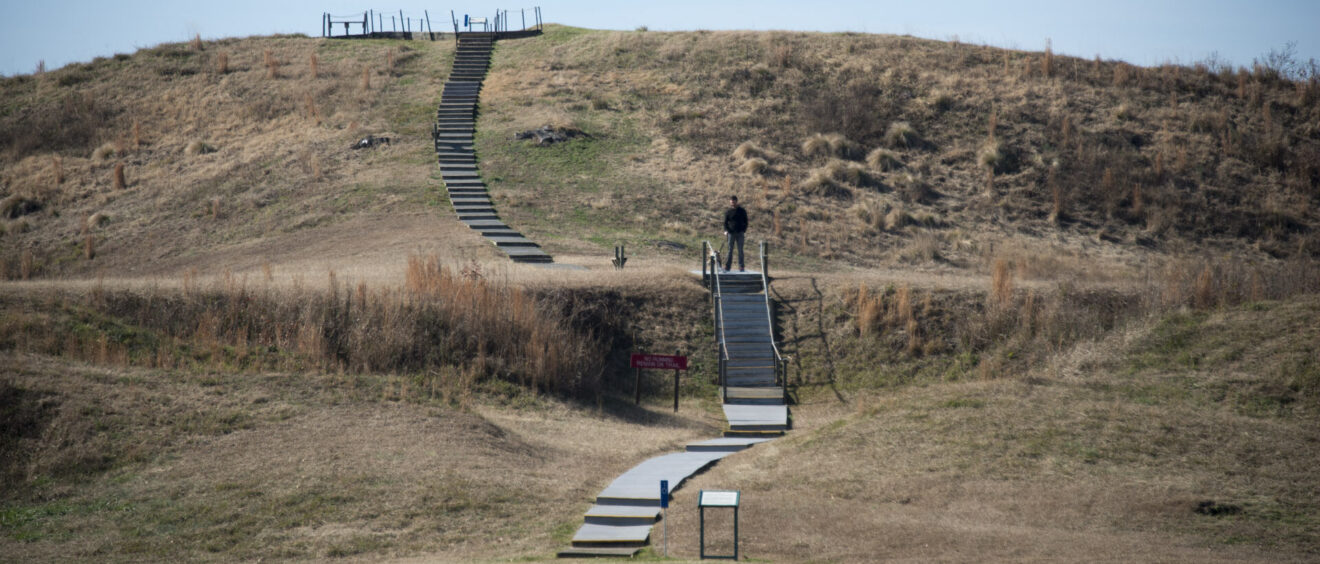
Poverty Point National Monument Poverty Point National Monument preserves earthworks constructed by Indigenous communities using soil transported from surrounding areas. The site includes concentric ridges and mounds that required coordinated labor and planning. The earthworks illustrate organized settlement patterns developed thousands of years ago. Archaeological evidence indicates long-distance trade networks that connected the site to […]

Explore Portfolio

Vicksburg NMP

Vicksburg National Military Park Vicksburg National Military Park preserves the landscape associated with a major Civil War campaign that focused on control of the Mississippi River. The city’s location on high ground overlooking the river made it strategically important for transportation and supply routes. Military operations in the region illustrate how geography influenced tactical decisions. […]

Explore Portfolio

Charleston Christmas Eve

Charleston Holiday season visits to Charleston highlight the interaction between historic architecture and seasonal traditions associated with coastal cities of the southeastern United States. Decorative elements and evening illumination emphasize architectural features preserved within the historic district, illustrating continuity between civic traditions and historic urban form. The city’s churches, public spaces, and residential streets reflect […]

Explore Portfolio

Savannah

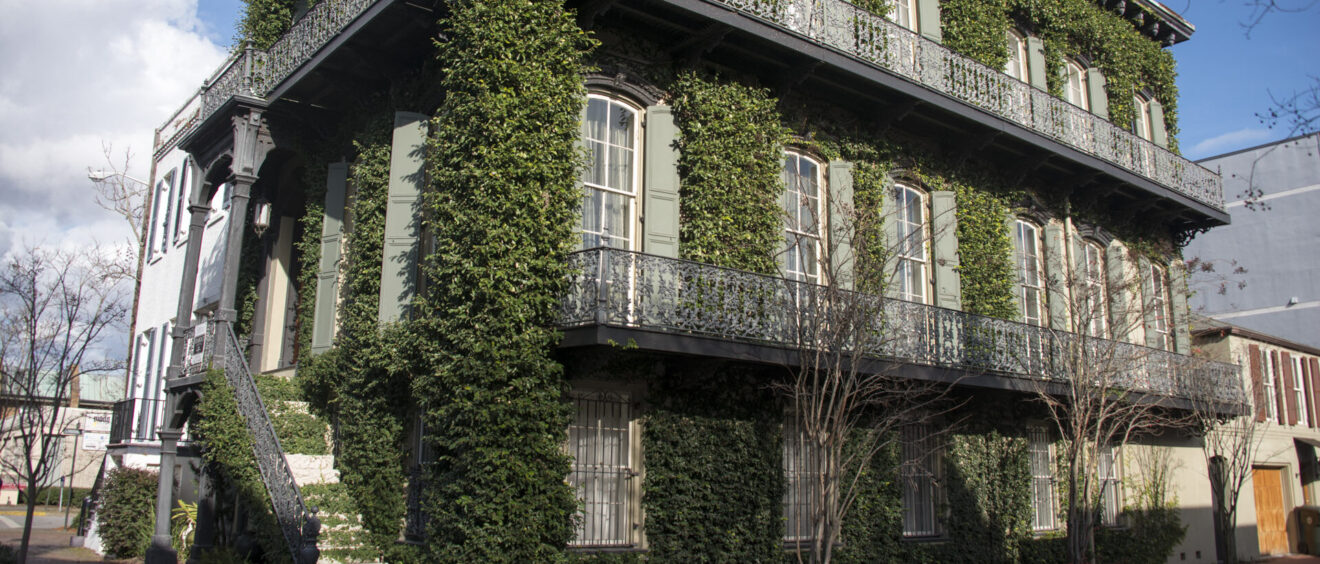
Savannah Savannah developed along the Savannah River near the Atlantic coast, where navigable waterways supported trade networks linking the southeastern interior to global maritime routes. Established in the eighteenth century, the city’s location allowed access to both coastal shipping lanes and inland agricultural regions, contributing to its role within early colonial and early national economic […]

Explore Portfolio

Fort Pulaski NM

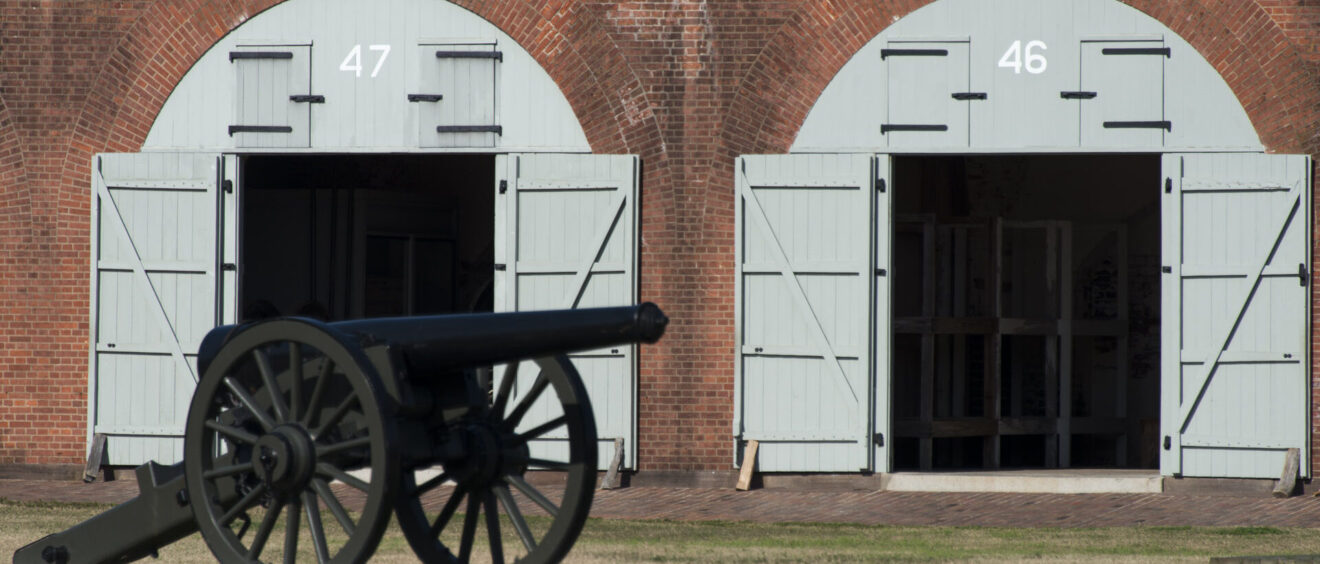
Fort Pulaski National Monument Fort Pulaski National Monument is located on Cockspur Island near the mouth of the Savannah River, where tidal marshes and coastal waterways connect the interior of Georgia to the Atlantic Ocean. Constructed as part of a broader system of coastal defenses following the War of 1812, the fort reflects the strategic […]

Explore Portfolio

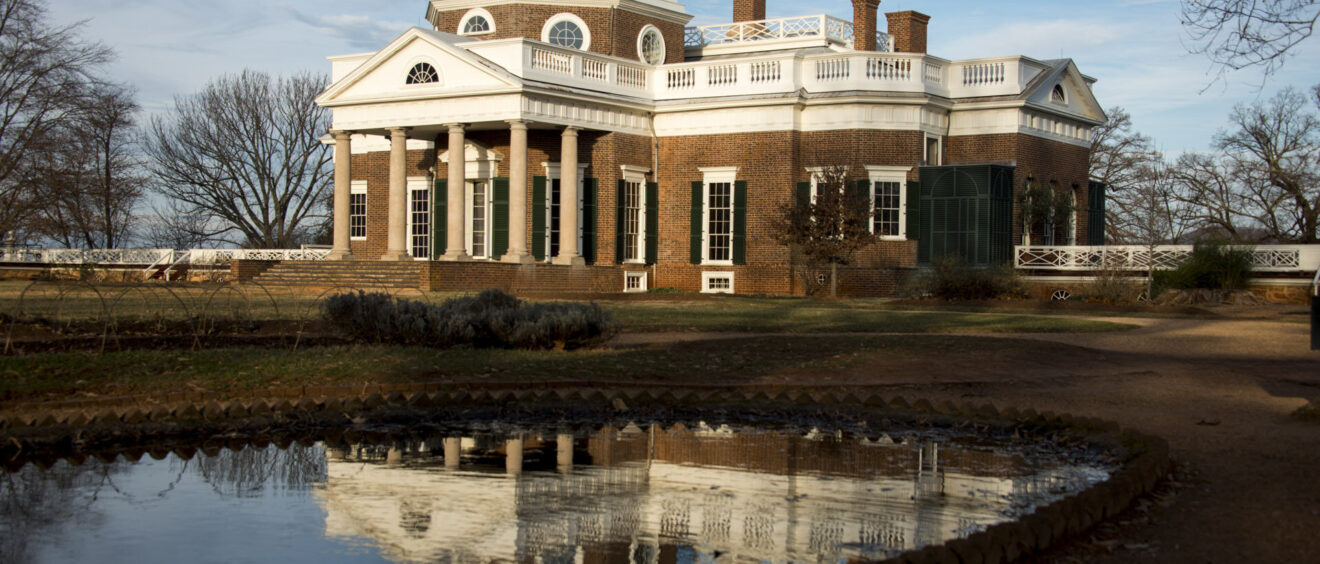
Monticello

Monticello Monticello, the plantation home of Thomas Jefferson, reflects the architectural ideals and intellectual influences that shaped the early United States. Designed by Jefferson beginning in the late eighteenth century, the house incorporates neoclassical principles inspired by the work of Renaissance architect Andrea Palladio, demonstrating how classical architectural traditions were adapted to the cultural aspirations […]

Explore Portfolio