National Monument Field Guide

Natural Bridges NM

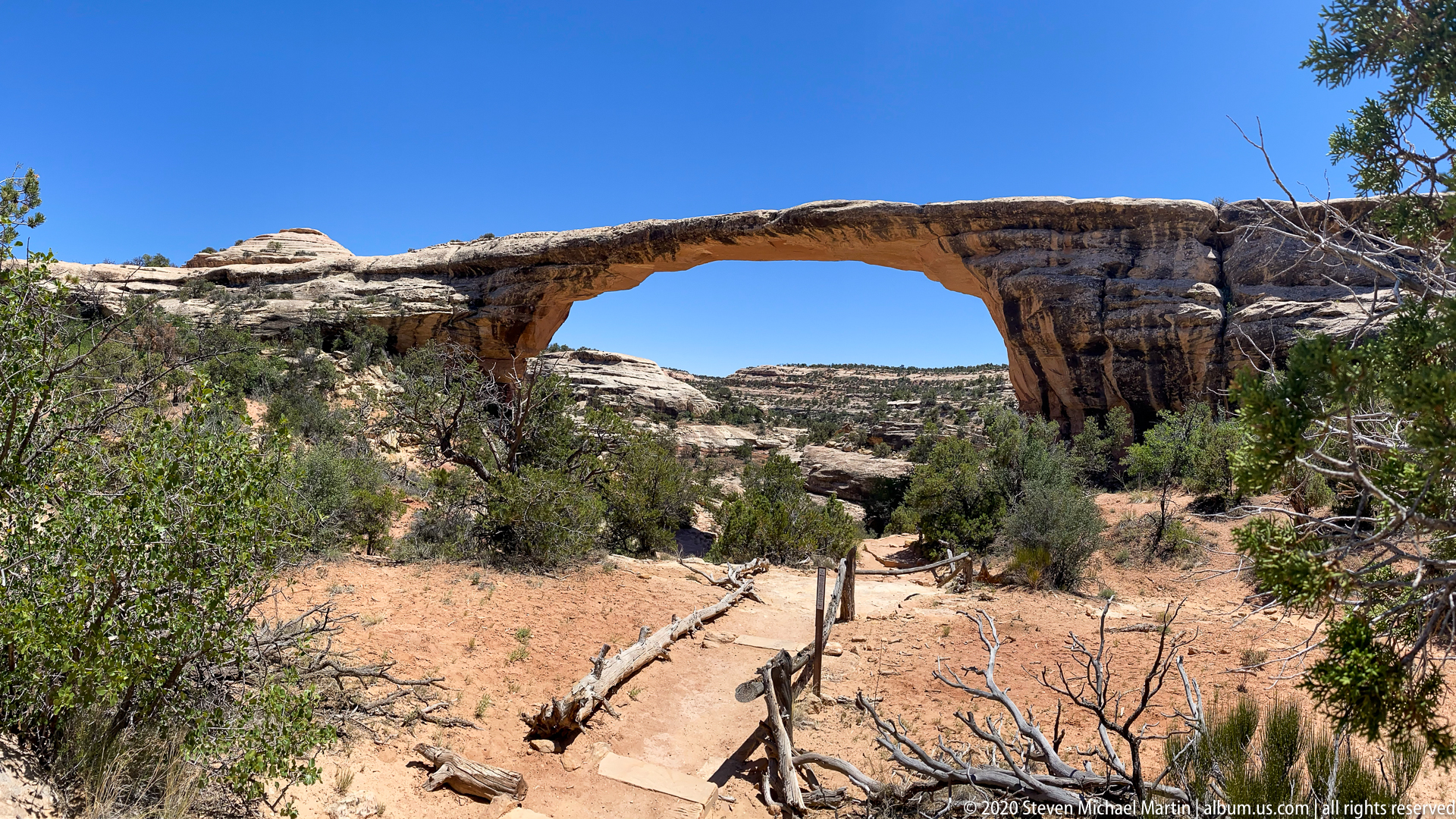
Natural Bridges National Monument Natural Bridges National Monument preserves three large natural bridges formed through erosion acting upon sandstone canyon walls. Unlike arches formed primarily through weathering, these bridges were created by flowing water that gradually carved openings through rock layers. The formations demonstrate the influence of river systems on the development of distinctive geological […]
Explore Portfolio

Cedar Breaks NM

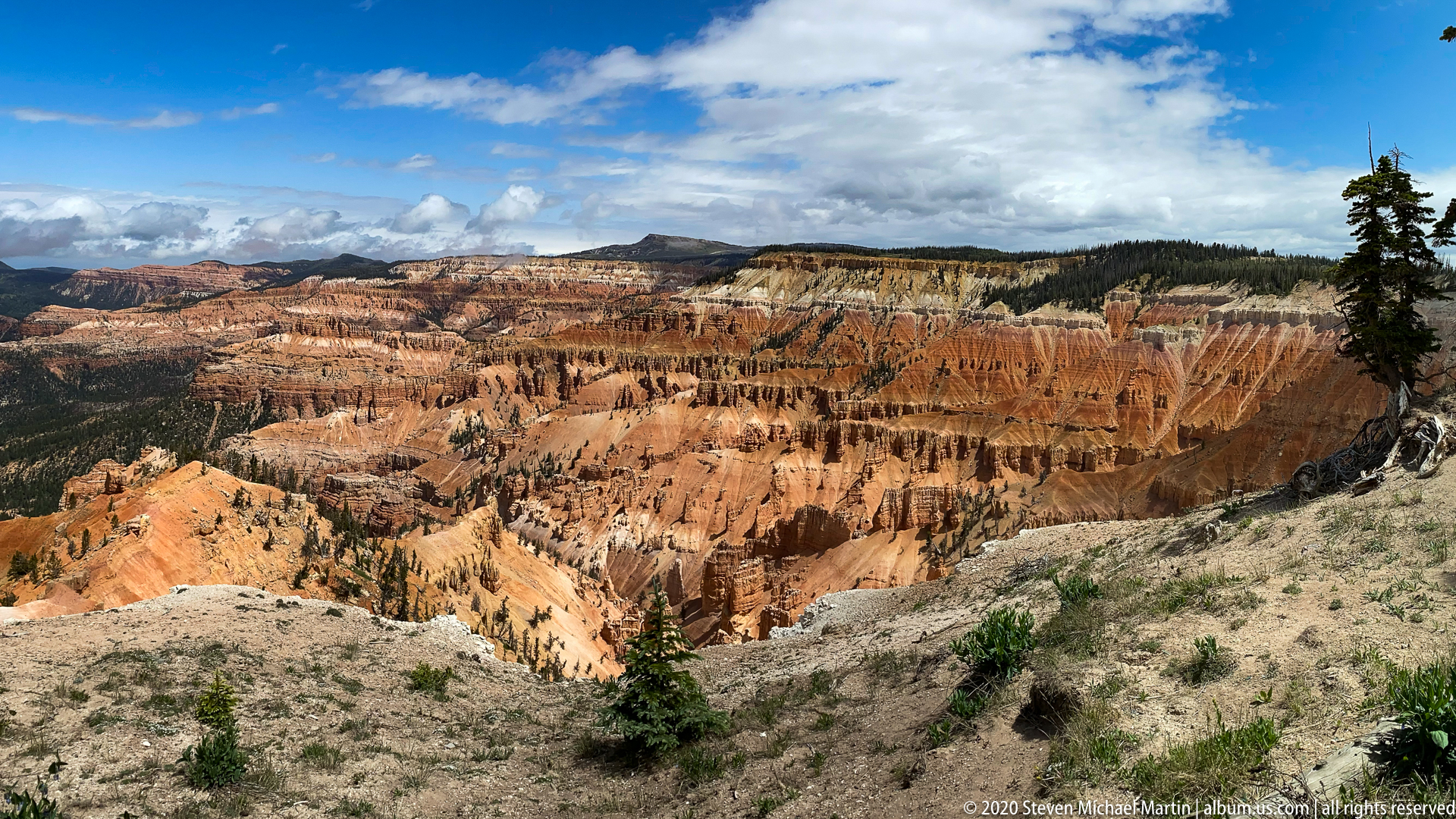
Cedar Breaks National Monument Cedar Breaks National Monument preserves a natural amphitheater carved into the western edge of the Markagunt Plateau in southern Utah. The formation exposes layers of limestone and sandstone shaped by erosion acting upon uplifted sedimentary rock. The resulting amphitheater reveals a landscape filled with colorful rock formations that illustrate long-term geological […]

Explore Portfolio

Colorado NM – Drive to McInnis Canyons

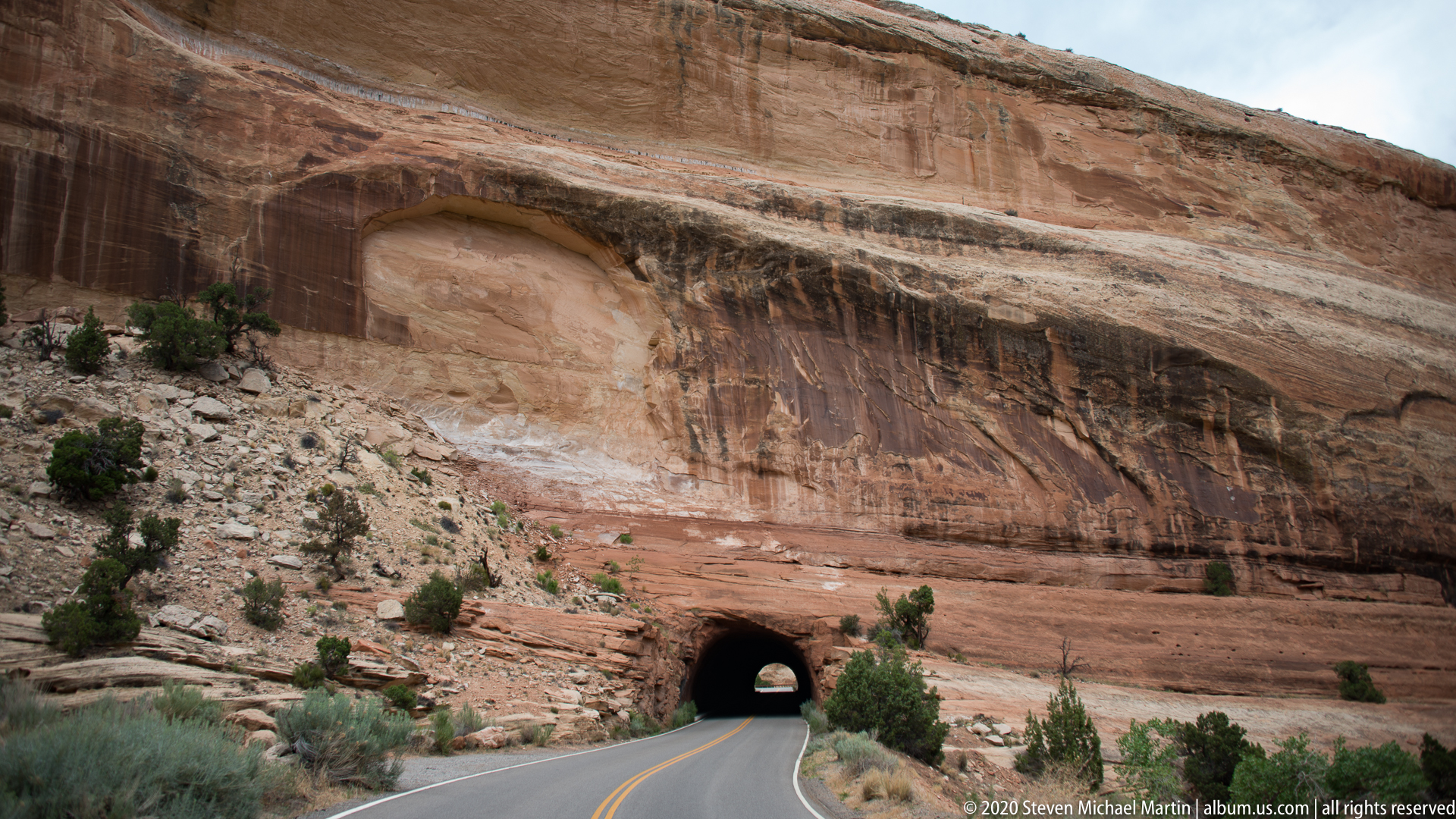
Colorado National Monument Colorado National Monument preserves a dramatic landscape of red sandstone canyons, towering monoliths, and high desert plateaus shaped by erosion acting upon uplifted sedimentary rock layers. Located along the edge of the Colorado Plateau, the monument illustrates the transition between canyon environments and elevated desert terrain. The exposed rock formations reveal geological […]

Explore Portfolio

Kings Canyon NP – Zumwalt Meadow

Kings Canyon National Park – Zumwalt Meadow Zumwalt Meadow is located in the Cedar Grove area of Kings Canyon National Park where glacial deposition created one of the most prominent meadows in the Sierra Nevada. The meadow lies along the Kings River within a valley formed by Ice Age glaciers that carved U-shaped canyon walls. […]

Explore Portfolio

Gila Cliff Dwelling NM

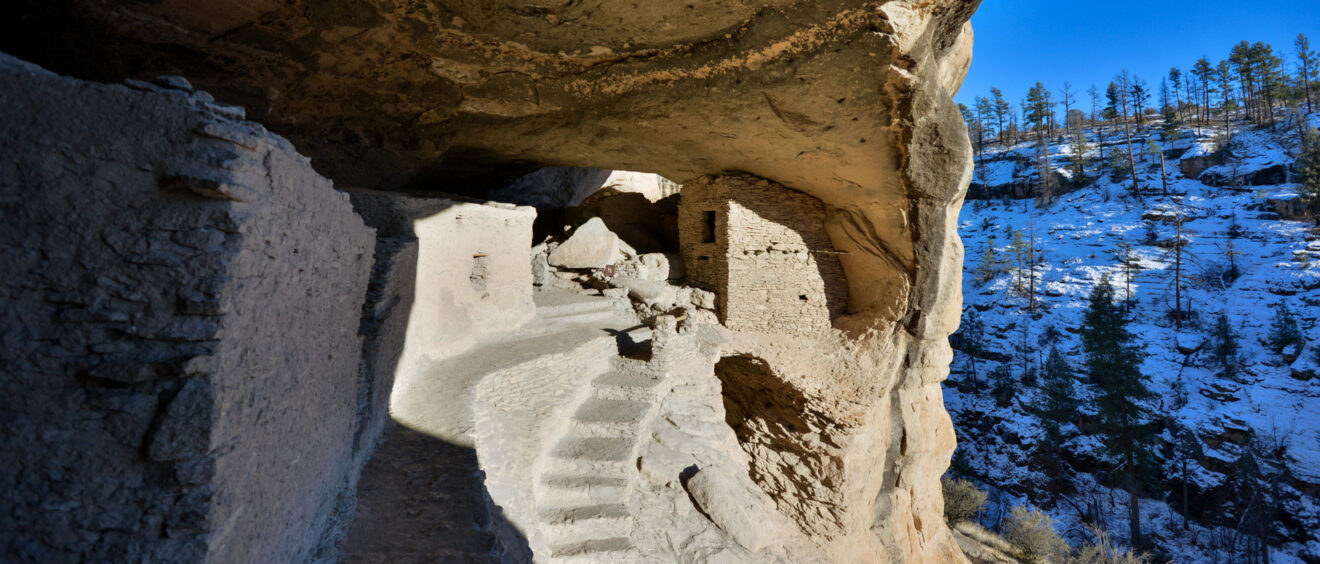
Gila Cliff Dwellings National Monument Gila Cliff Dwellings preserves structures built by Mogollon peoples within natural alcoves formed in volcanic cliff faces. The dwellings were constructed during the late thirteenth century using stone and mortar, utilizing sheltered cave environments that provided protection from weather conditions. The structures demonstrate architectural adaptation to mountainous desert environments. The […]

Explore Portfolio

Misty Fjords NM

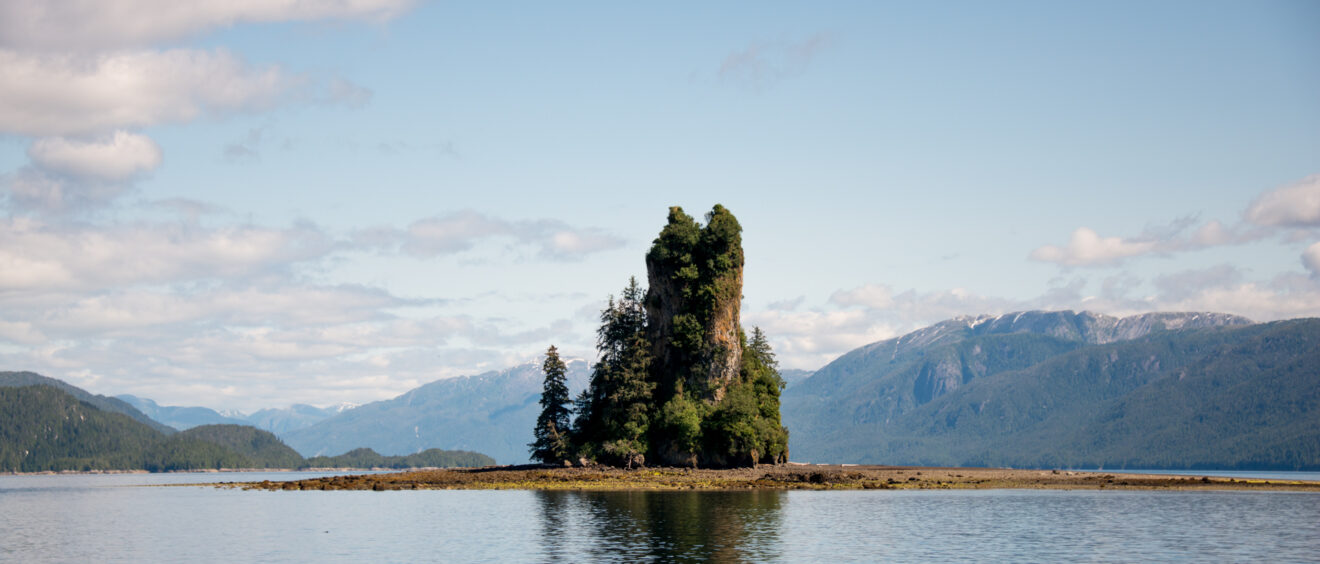
Misty Fjords National Monument Misty Fjords National Monument protects a remote network of narrow fjords carved deeply into coastal mountains by ancient glaciers. Sheer granite walls rise directly from calm water, creating strong vertical relief that defines the character of the landscape. The monument’s name reflects the frequent presence of low clouds that move through […]

Explore Portfolio

World War II Valor in the Pacific NM

World War II Valor in the Pacific NHP World War II Valor in the Pacific National Historical Park preserves locations associated with events that shaped the course of the Pacific theater during the Second World War. Situated within Pearl Harbor, the setting combines calm harbor waters with historic structures that reflect the lasting significance of […]

Explore Portfolio

Tonto NM

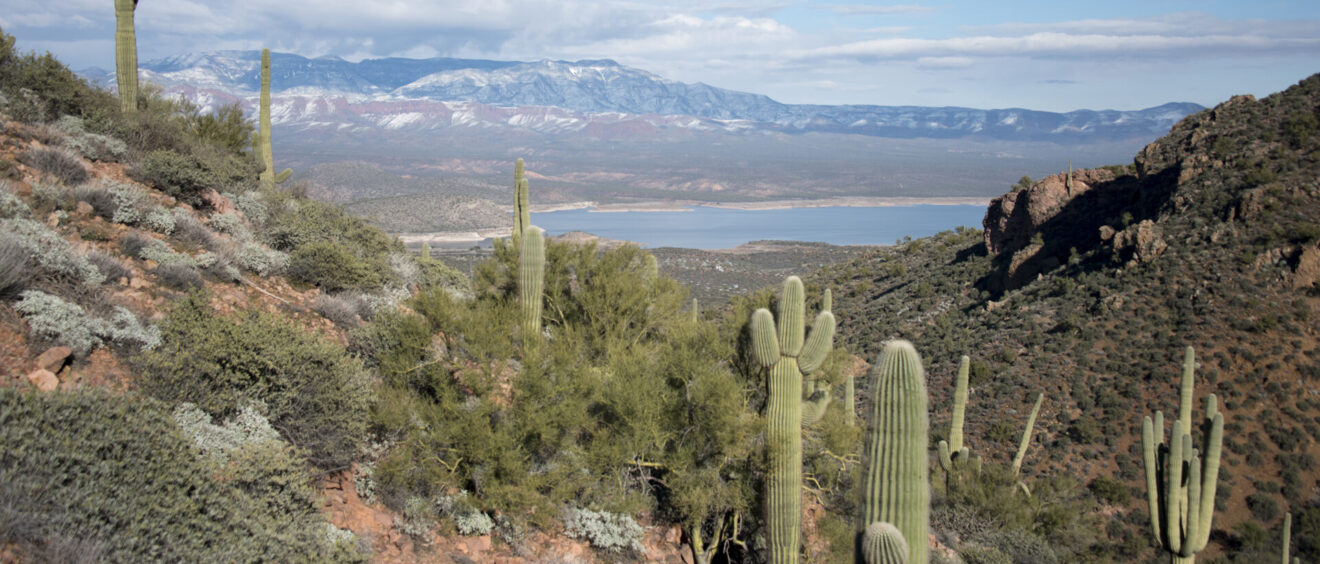
Tonto National Monument Tonto National Monument preserves cliff dwellings constructed by the Salado culture within natural alcoves overlooking desert valleys. The structures were built using stone masonry techniques adapted to the environmental conditions of the Sonoran Desert. Elevated locations provided vantage points and proximity to agricultural areas. The dwellings illustrate how settlement patterns reflected adaptation […]

Explore Portfolio

Casa Grande NM

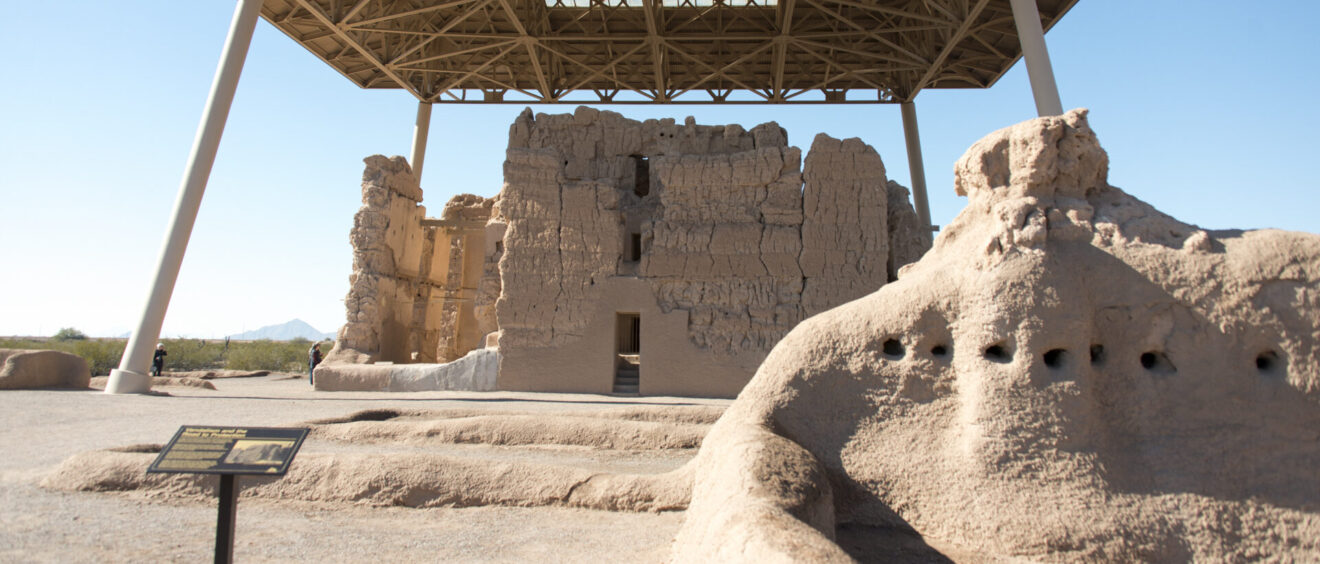
Casa Grande National Monument Casa Grande National Monument preserves a large adobe structure built by the Hohokam people in the Sonoran Desert. Constructed from caliche, a hardened natural soil material, the structure demonstrates engineering techniques adapted to desert environments. The building reflects long-term settlement in a region where water management was essential for agriculture. The […]

Explore Portfolio

Effigy Mounds NM

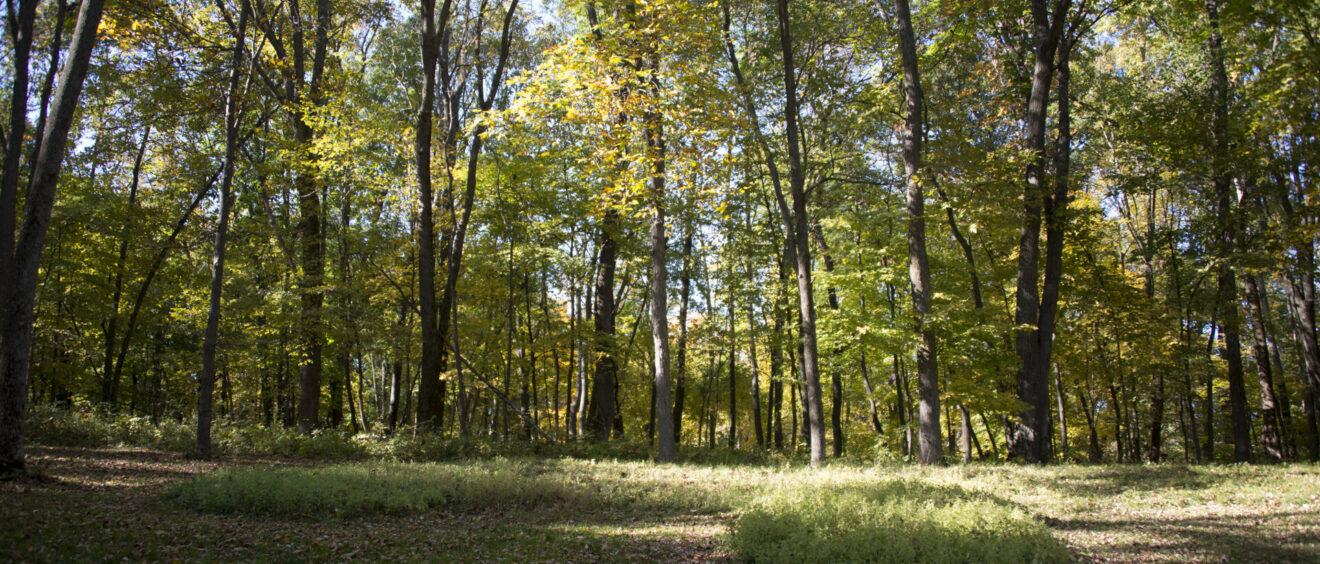
Effigy Mounds Effigy Mounds National Monument preserves a remarkable collection of prehistoric earthworks created by Indigenous peoples over a thousand years ago. These mounds, often shaped in the forms of animals such as bears and birds, served ceremonial and spiritual purposes within the cultural traditions of the region’s early inhabitants. The site reflects a long […]

Explore Portfolio