Grand Portage Grand Portage was one of the most important transfer points along the voyageurs’ fur trade routes linking the interior of North America with Montreal and European markets. Located near the northwestern shore of Lake Superior, the site served as a critical meeting place where goods were transferred between larger freight canoes traveling from […]
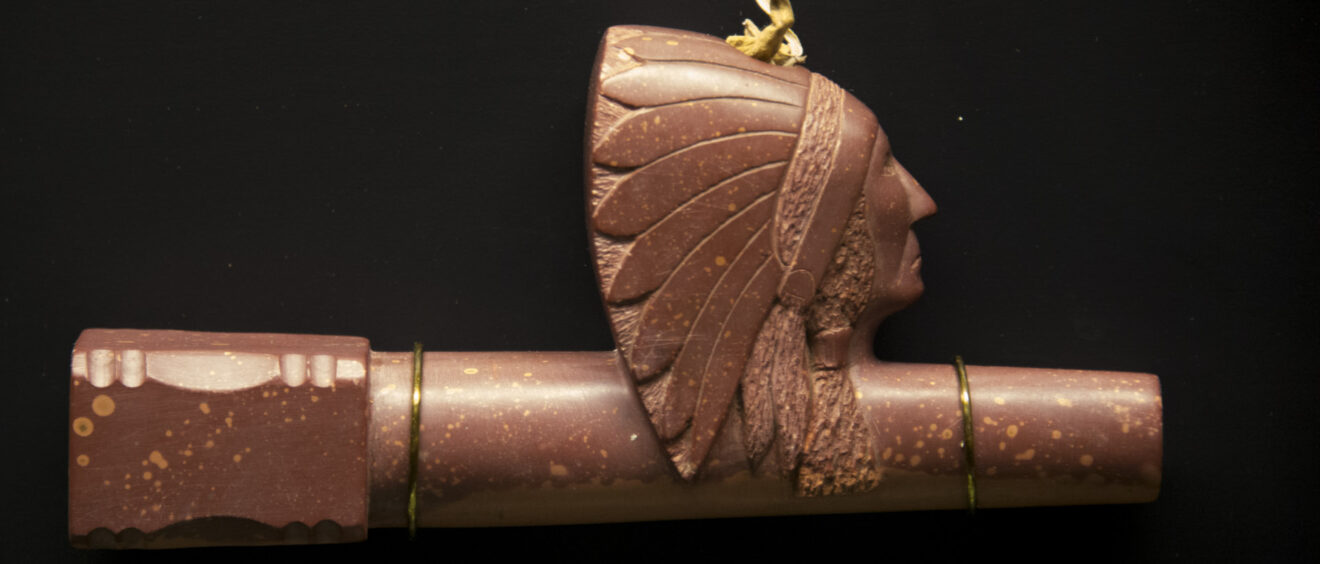
Pipestone National Monument Pipestone National Monument preserves quarries where Indigenous communities extracted red pipestone used to create ceremonial pipes. The soft stone can be carved into detailed forms and holds cultural significance across multiple tribal traditions. Quarrying practices demonstrate continuity of cultural traditions connected to natural resources. The stone forms within sedimentary layers that contrast […]
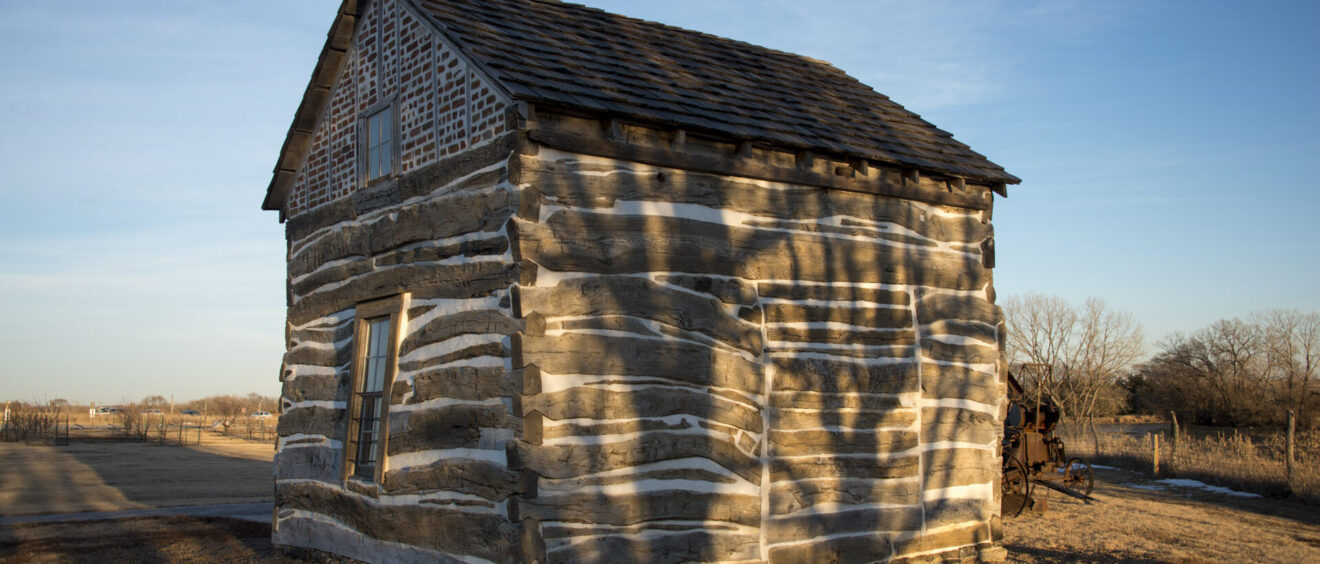
Homestead National Monument of America Homestead National Monument of America preserves prairie landscapes associated with the Homestead Act of 1862, which encouraged settlement across the central United States. The legislation allowed individuals to claim land for agriculture, contributing to large-scale transformation of grassland ecosystems. The site illustrates how policy influenced patterns of settlement across the […]
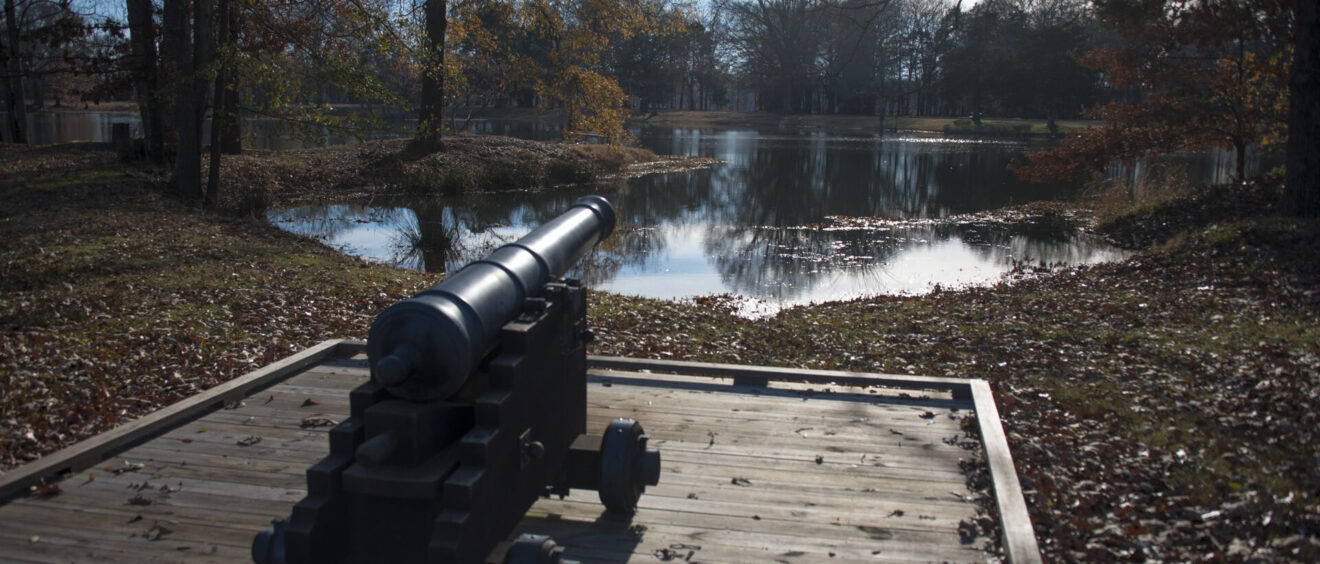
Arkansas Post National Memorial Arkansas Post National Memorial preserves the location of an early European settlement established along the Arkansas River near its confluence with the Mississippi River. The settlement served as a trading location influenced by river transportation networks that connected interior regions with broader commercial routes. The river system allowed exchange of goods […]
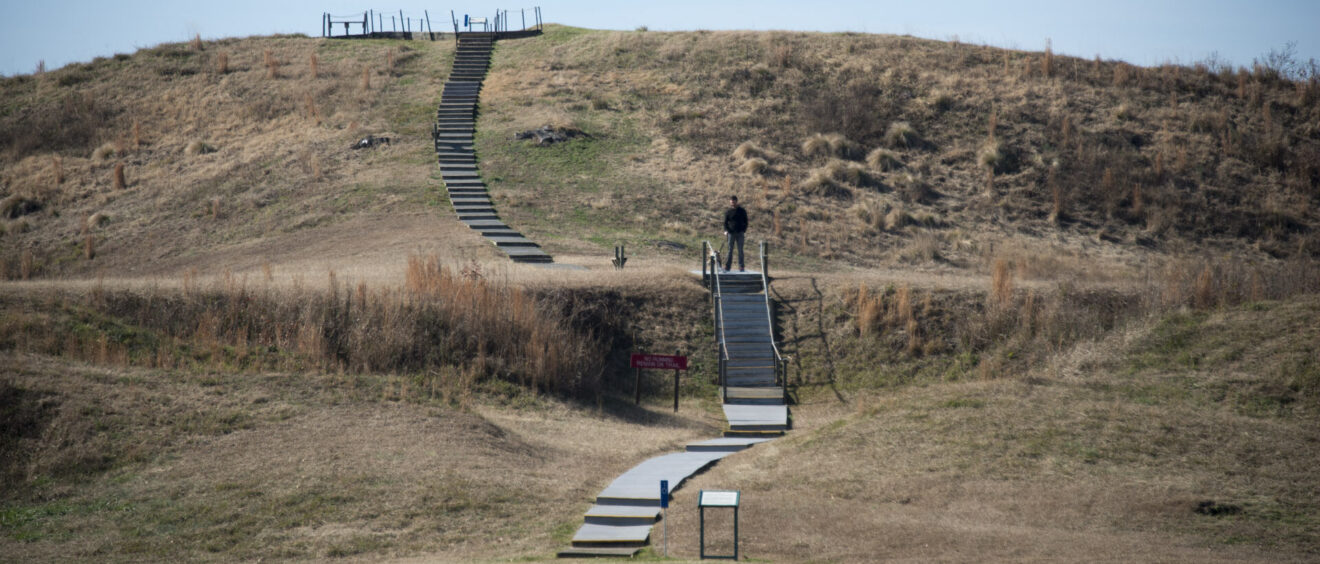
Poverty Point National Monument Poverty Point National Monument preserves earthworks constructed by Indigenous communities using soil transported from surrounding areas. The site includes concentric ridges and mounds that required coordinated labor and planning. The earthworks illustrate organized settlement patterns developed thousands of years ago. Archaeological evidence indicates long-distance trade networks that connected the site to […]
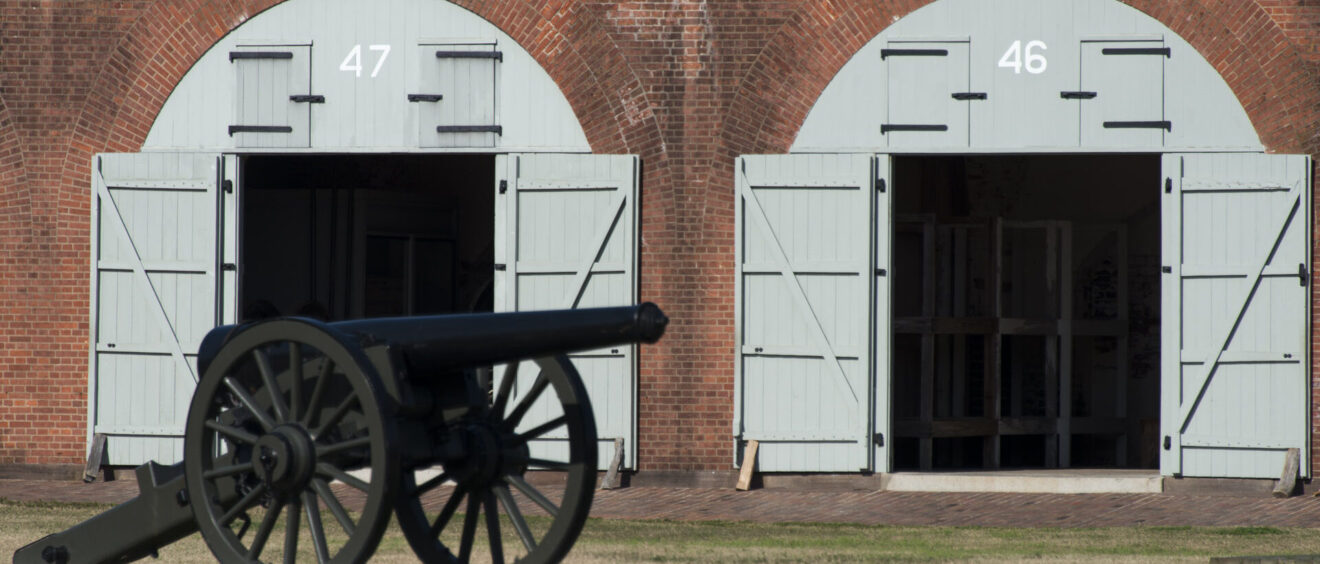
Fort Pulaski National Monument Fort Pulaski National Monument is located on Cockspur Island near the mouth of the Savannah River, where tidal marshes and coastal waterways connect the interior of Georgia to the Atlantic Ocean. Constructed as part of a broader system of coastal defenses following the War of 1812, the fort reflects the strategic […]
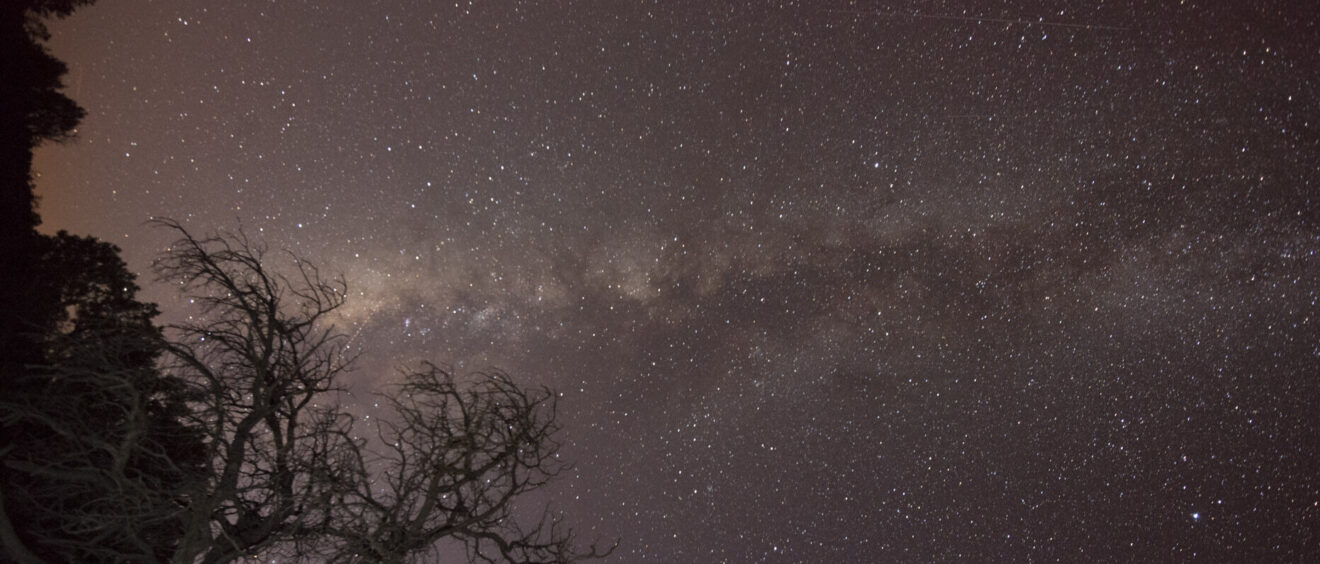
Canyon de Chelly National Monument — Milky Way Canyon de Chelly’s remote location and limited light pollution create favorable conditions for observing the Milky Way above the canyon landscape. The sandstone walls and open desert sky provide a natural setting where geological formations can be viewed in combination with astronomical features. The contrast between ancient […]
Canyon de Chelly National Monument Canyon de Chelly National Monument protects a landscape shaped by erosion of sandstone layers, forming steep canyon walls and sheltered valley floors. The canyon environment has supported human habitation for thousands of years, with archaeological remains illustrating cultural continuity across many generations. Rock formations within the canyon reveal the geological […]
Florissant Fossil Beds National Monument Florissant Fossil Beds National Monument protects one of the richest fossil deposits in North America, preserving exceptionally detailed records of ancient plants and insects dating to the Eocene epoch. Fossils formed within fine-grained lake sediments reveal delicate structures rarely preserved elsewhere, offering insight into prehistoric ecosystems that existed millions of […]
Chimney Rock National Monument Chimney Rock National Monument protects an archaeological landscape that was once home to ancestral Puebloan communities. The site includes structures built between the 9th and 12th centuries that reflect cultural traditions connected to the Chacoan world. Positioned among striking rock formations, the site offers insight into the historical relationship between human […]