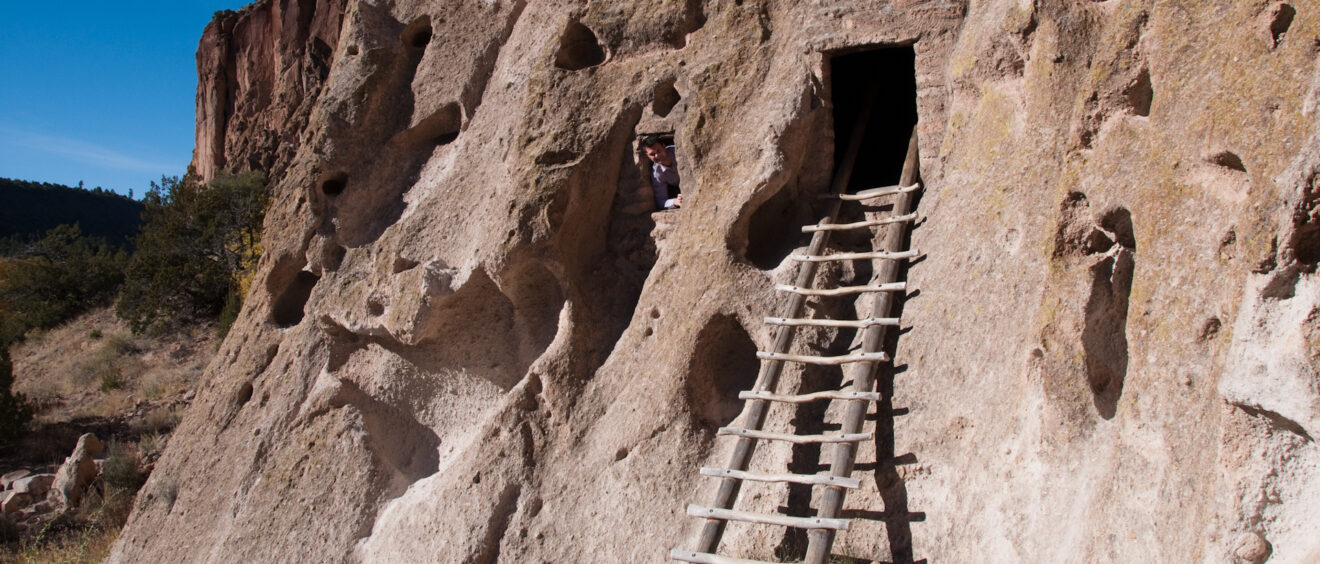
Bandelier National Monument Bandelier National Monument preserves cliff dwellings constructed within volcanic tuff formations by Ancestral Pueblo communities. Soft volcanic rock allowed dwellings to be carved directly into canyon walls, creating sheltered living spaces adapted to the surrounding environment. The canyon landscape provided access to water, arable land, and natural protection. Settlement patterns reflect adaptation […]
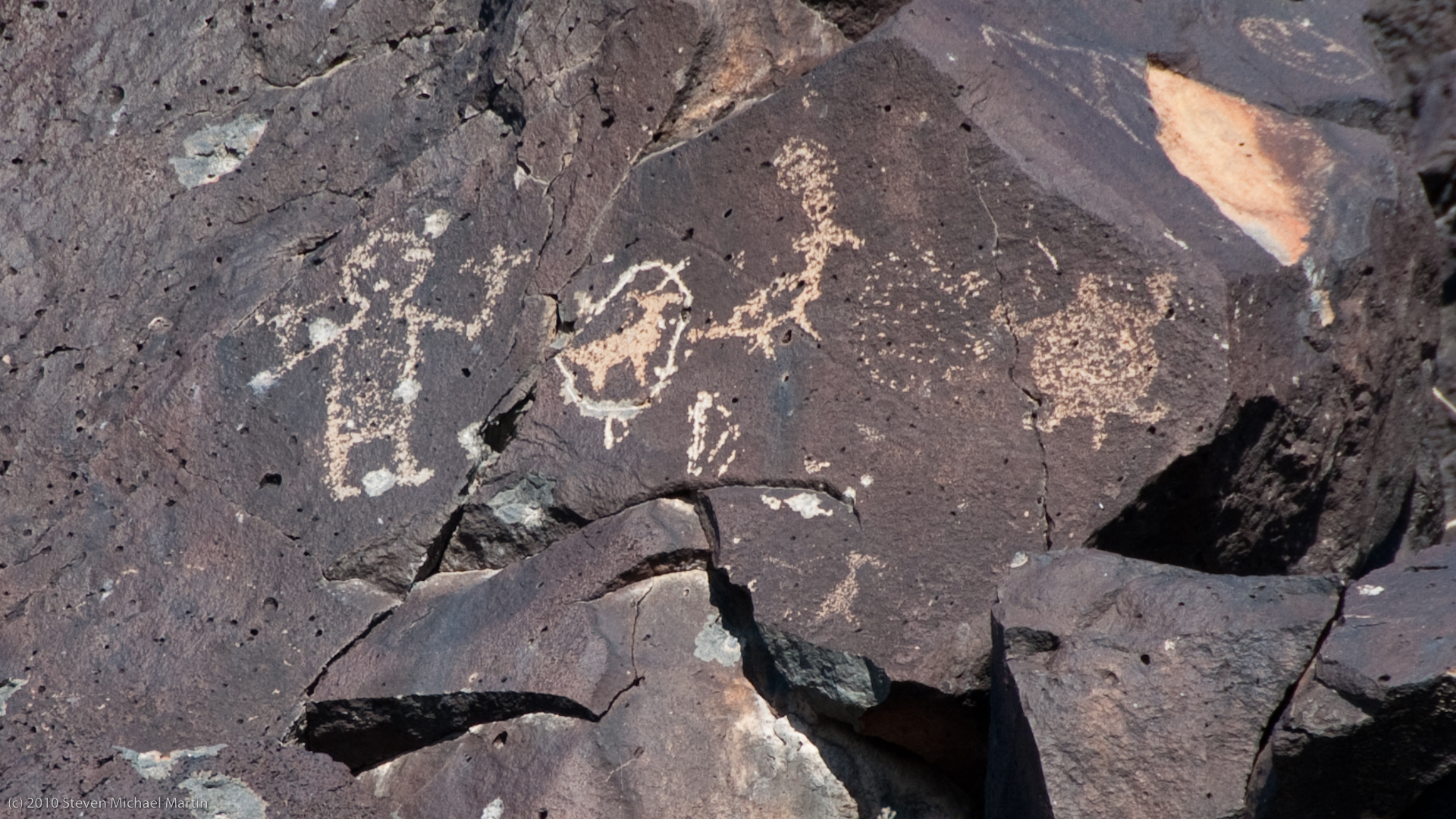
Petroglyph National Monument Petroglyph National Monument preserves rock carvings created by Indigenous peoples and later cultural groups along volcanic basalt formations. Images were carved into dark rock surfaces by removing the outer layer to reveal lighter stone beneath. The petroglyphs record symbolic expression and cultural communication across generations. The volcanic landscape provided durable surfaces suitable […]
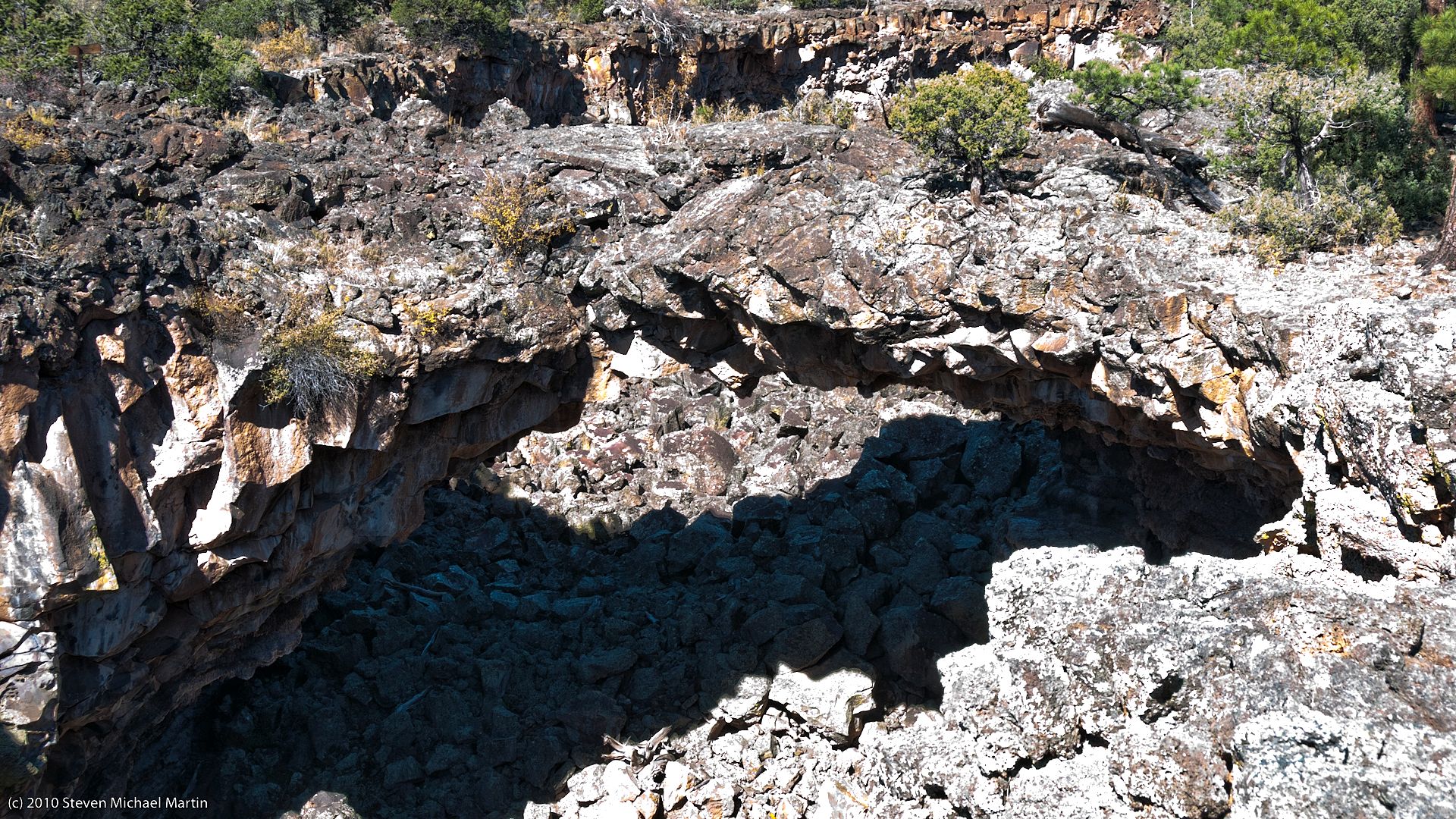
El Malpais National Monument El Malpais National Monument preserves volcanic landscapes formed by lava flows that spread across the region during relatively recent geological periods. Basaltic lava cooled into rugged terrain characterized by lava tubes, fissures, and uneven surfaces shaped by flowing molten rock. The landscape illustrates how volcanic activity influences surface features in arid […]
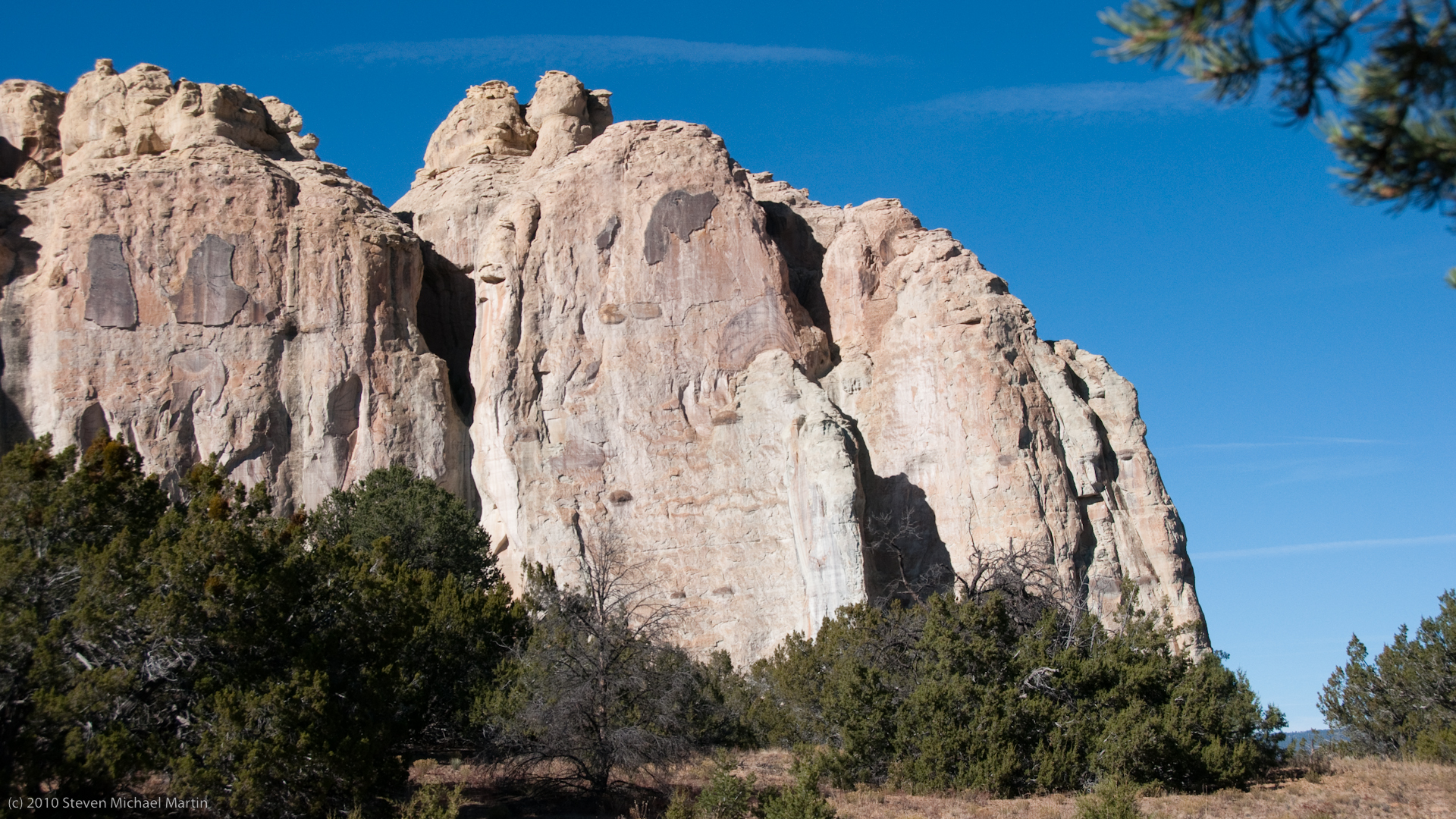
El Morro National Monument El Morro National Monument preserves sandstone formations that served as a landmark for travelers crossing arid regions of the Southwest. A natural water source at the base of the rock formation made the site an important stop along historic travel routes. Inscriptions carved into the rock record visits by Indigenous travelers, […]
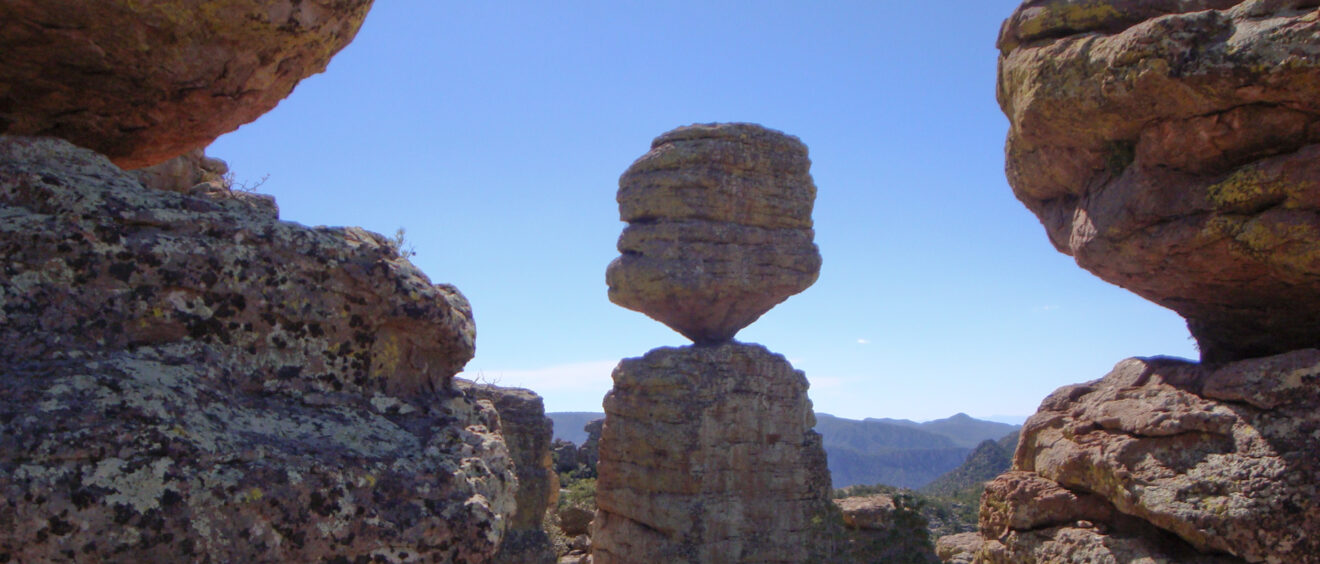
Chiricahua National Monument Chiricahua National Monument preserves volcanic rock formations shaped by erosion following ancient eruptions. Layers of volcanic ash were compressed into rock that gradually fractured and eroded into spires and balanced rock formations. The resulting landscape contains numerous hoodoos formed through long-term weathering processes. Freeze-thaw cycles contribute to the gradual breakdown of rock, […]
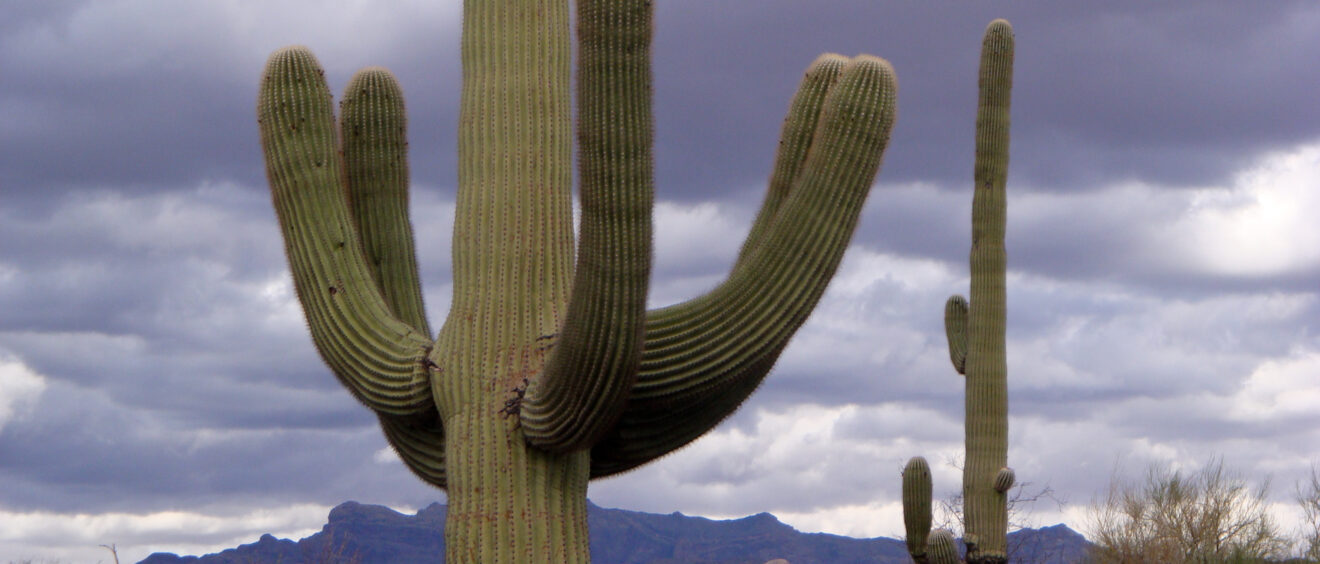
Organ Pipe Cactus National Monument Organ Pipe Cactus National Monument preserves Sonoran Desert ecosystems characterized by columnar cacti adapted to arid environments. The organ pipe cactus grows in regions influenced by seasonal rainfall patterns associated with both winter Pacific systems and summer monsoon activity. This dual precipitation pattern supports plant diversity not found in many […]
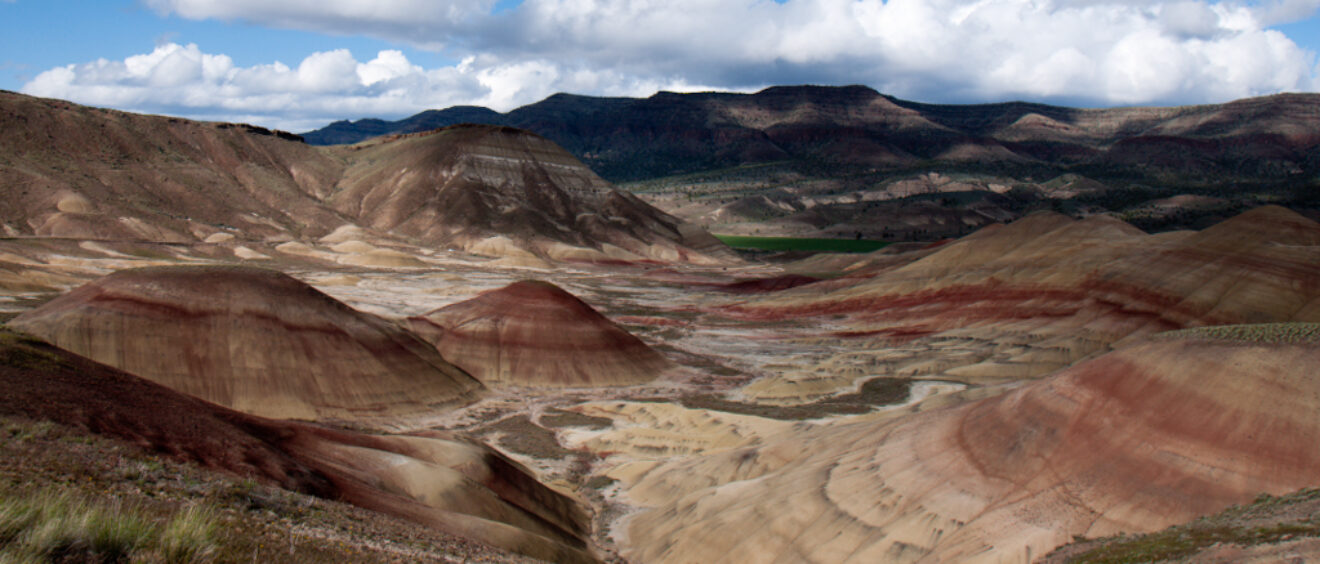
John Day Fossil Beds National Monument John Day Fossil Beds National Monument protects sedimentary layers that preserve fossils documenting environmental change over tens of millions of years. Fossilized plants and animals illustrate transitions in climate and ecosystem conditions that influenced the development of landscapes across the Pacific Northwest. Colorful rock formations within the monument reflect […]
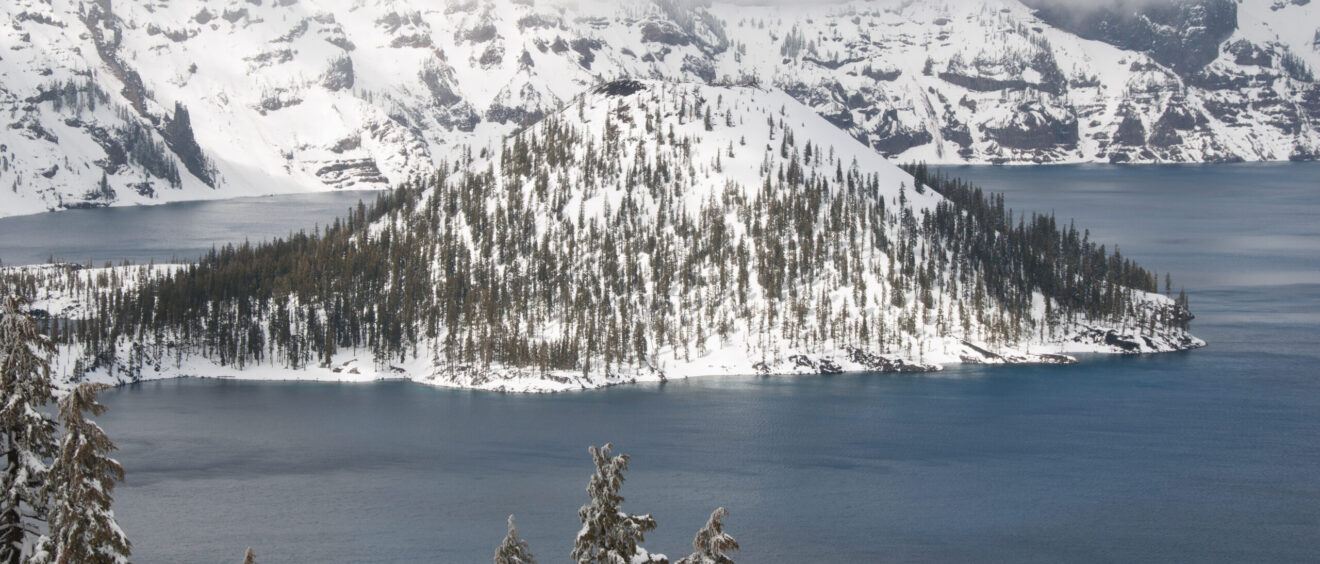
Crater Lake National Park Crater Lake National Park protects a volcanic landscape formed by the eruption and collapse of Mount Mazama approximately 7,700 years ago. The resulting caldera gradually filled with rain and snowmelt, creating one of the deepest lakes in North America. The lake’s intense blue color reflects both depth and exceptional water clarity. […]
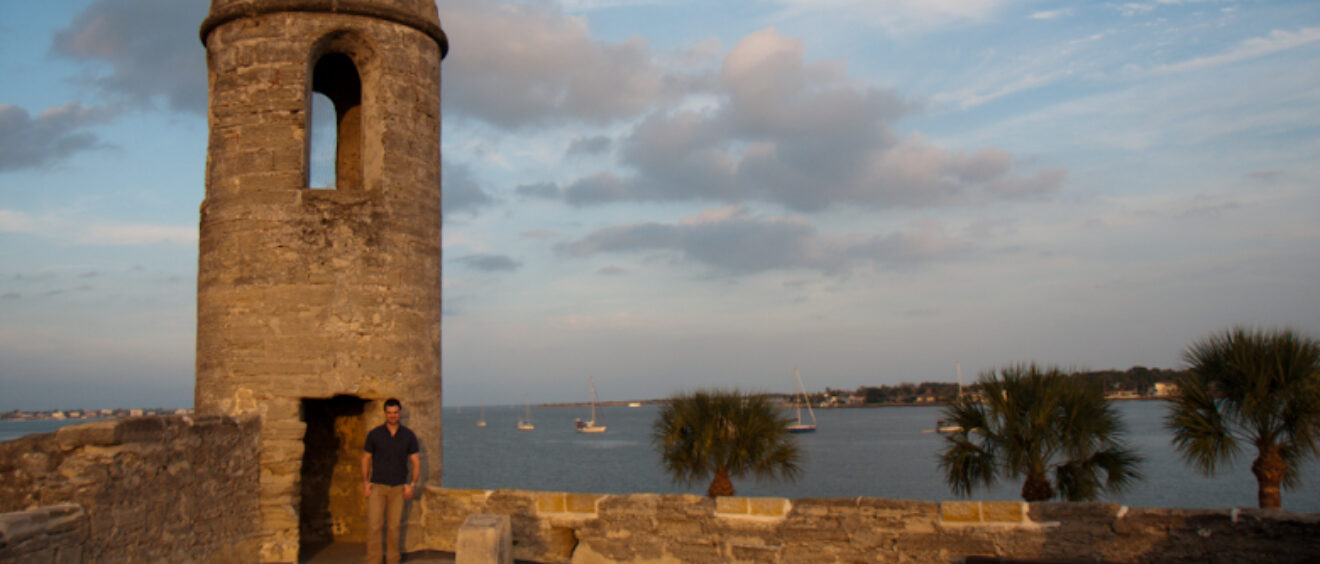
Castillo de San Marcos & Fort Matanzas (St. Augustine) St. Augustine preserves one of the earliest European-established settlements in the continental United States, reflecting the strategic importance of Florida’s Atlantic coastline within Spanish colonial networks. Positioned along protected waterways connecting the Atlantic Ocean to inland environments, the settlement developed as part of a broader system […]
Hovenweep National Monument Hovenweep preserves stone towers and structures constructed by Ancestral Puebloan communities between the twelfth and thirteenth centuries. The buildings were constructed using shaped stone blocks arranged in multi-story forms situated near canyon edges and water sources. The structures demonstrate architectural adaptation to the environmental conditions of the high desert. The surrounding landscape […]