Acadia National Park Celebration Acadia National Park reflects more than a century of conservation history shaped by private philanthropy, public stewardship, and continued cultural connection to the coastal landscape of Maine. The park originated as Sieur de Monts National Monument in 1916 and later became the first national park established east of the Mississippi River, […]
Hot Springs Hot Springs is known for geothermal waters that emerge naturally from the ground after being heated deep within the earth’s crust. As groundwater travels through fractures in underlying rock formations, it is warmed by geothermal energy before returning to the surface enriched with dissolved minerals. These natural springs have attracted human visitors for […]
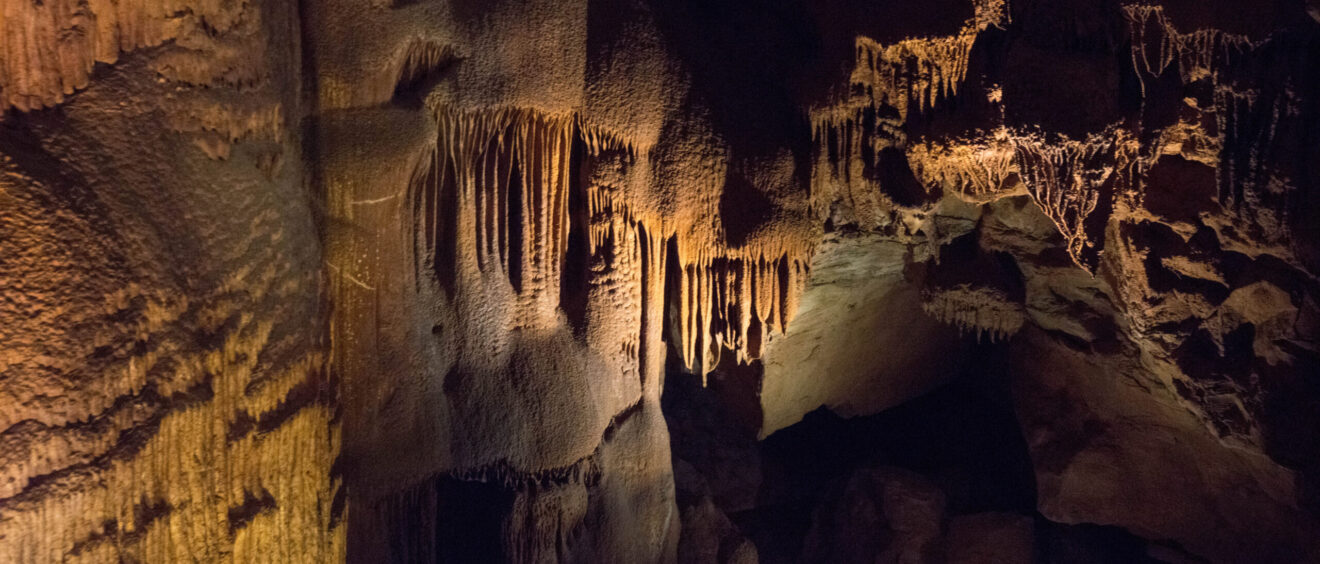
Mammoth Cave Mammoth Cave contains the longest known cave system in the world, with more than four hundred miles of mapped underground passages formed through the gradual dissolution of limestone bedrock. Over millions of years, slightly acidic groundwater carved tunnels, chambers, and passageways that created a complex subterranean landscape. The cave system illustrates how geological […]
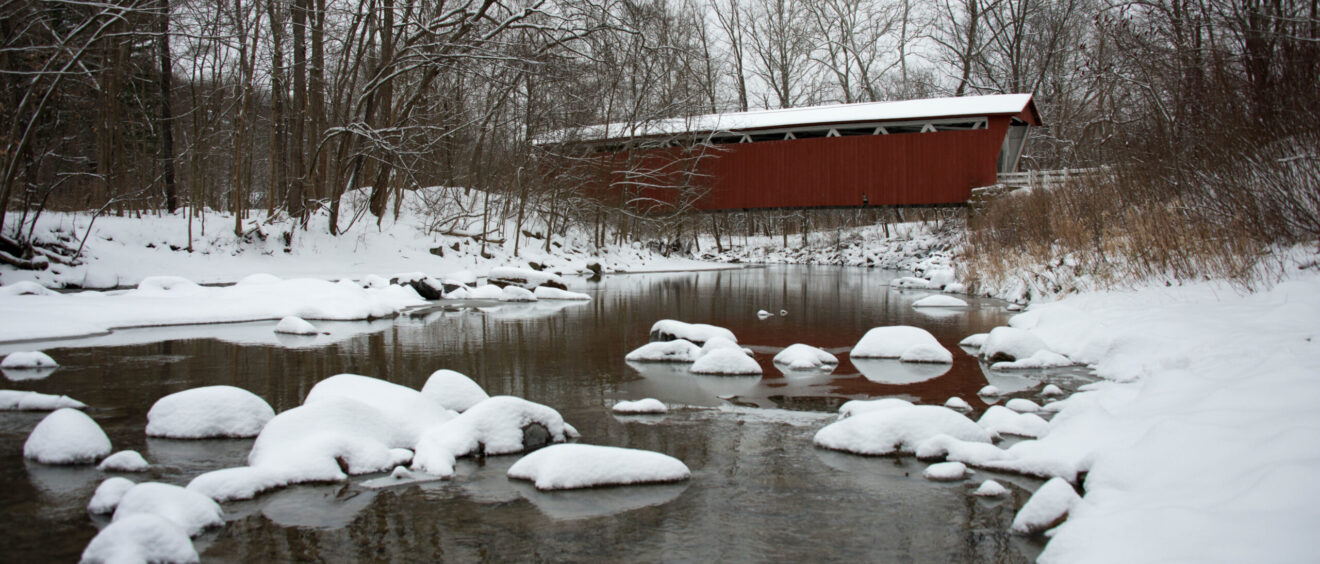
Cuyahoga Valley Cuyahoga Valley preserves a landscape shaped by glacial movement, river erosion, and layered sedimentary rock formations that developed over hundreds of millions of years. The Cuyahoga River follows an unusual course, flowing south before turning north toward Lake Erie, reflecting the influence of glacial deposits that altered earlier drainage patterns. Waterfalls, wetlands, and […]
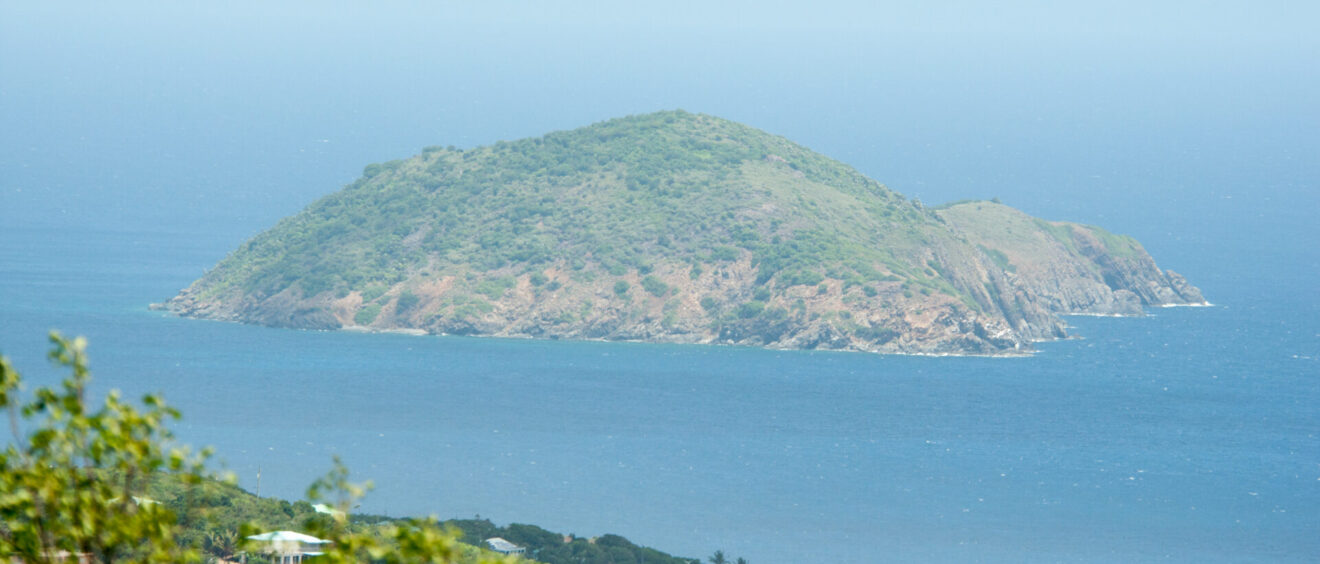
Virgin Islands National Park – St. Thomas The island of St. Thomas lies within the Virgin Islands archipelago in the northeastern Caribbean, where volcanic terrain rises above warm tropical waters shaped by coral reef development and maritime climate. The island’s deep natural harbors contributed to its historical importance as a commercial and naval center linking […]
Acadia National Park Hiking The trail system of Acadia National Park provides access to granite ridges, forested slopes, and coastal overlooks shaped by glacial erosion along Mount Desert Island. The park preserves a landscape where exposed bedrock and thin soils support plant communities adapted to coastal climate conditions influenced by the Gulf of Maine. Many […]
Dry Tortugas National Park Dry Tortugas National Park preserves a remote maritime landscape located at the western edge of the Florida Keys, where open water, coral reefs, and small islands form part of the broader Gulf of Mexico ecosystem. The park’s isolated setting reflects its historical role as both a navigational reference point and a […]
Shenandoah National Park Shenandoah National Park preserves a long, narrow section of the Blue Ridge Mountains where forested ridgelines, waterfalls, and valleys reflect the geological history of one of the oldest mountain systems in the world. Established in 1935, the park protects more than 200,000 acres of Appalachian landscape shaped by erosion over hundreds of […]
Acadia National Park and Portland Maine’s coastal landscape reflects the interaction between ancient bedrock formations and repeated glaciation that shaped the shoreline of the North Atlantic. The granite mountains and rocky coast preserved in Acadia National Park illustrate the effects of continental ice sheets that carved valleys and exposed resistant stone along Mount Desert Island. […]