Acadia National Park and Portland Maine’s coastal landscape reflects the interaction between ancient bedrock formations and repeated glaciation that shaped the shoreline of the North Atlantic. The granite mountains and rocky coast preserved in Acadia National Park illustrate the effects of continental ice sheets that carved valleys and exposed resistant stone along Mount Desert Island. […]
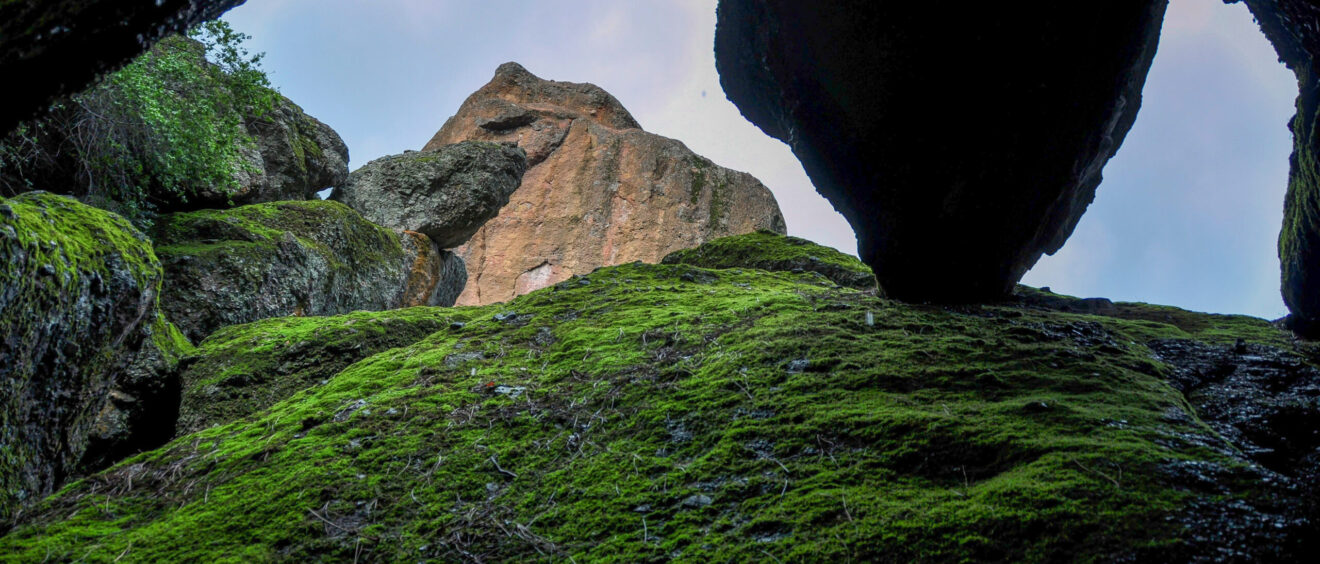
Pinnacles National Park Pinnacles National Park is located in central California where volcanic activity and movement along the San Andreas Fault created a landscape of rock spires, cliffs, and talus caves. The rock formations visible today represent remnants of an ancient volcanic field that has been gradually displaced by tectonic forces over millions of years. […]
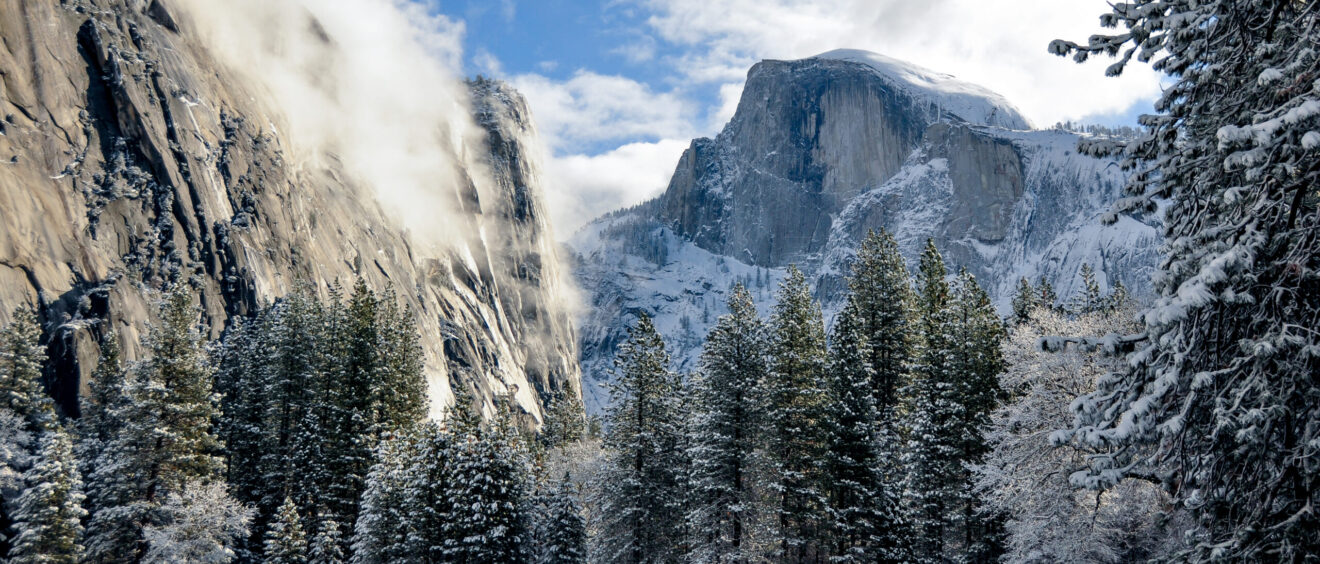
Yosemite National Park Yosemite National Park is located in California’s Sierra Nevada mountains, where glacial processes shaped granite cliffs, waterfalls, and high alpine landscapes. The park’s distinctive geological formations, including sheer rock faces and deep valleys, were formed through uplift and erosion over millions of years. Glacial activity during the last Ice Age carved Yosemite […]
Mount Rainier National Park Mount Rainier National Park is located in the Cascade Range of Washington approximately 60 miles southeast of Seattle, where a glacier-covered stratovolcano rises prominently above surrounding forested landscapes of the Pacific Northwest. At 14,410 feet, Mount Rainier is the highest peak in the Cascade Range and the most glaciated mountain in […]
North Cascades National Park North Cascades National Park is located in northern Washington near the Canadian border, where rugged mountain terrain forms part of the Cascade Range extending from northern California to British Columbia. The North Cascades are among the most geologically complex mountain landscapes in North America, composed of ancient metamorphic and crystalline rocks […]
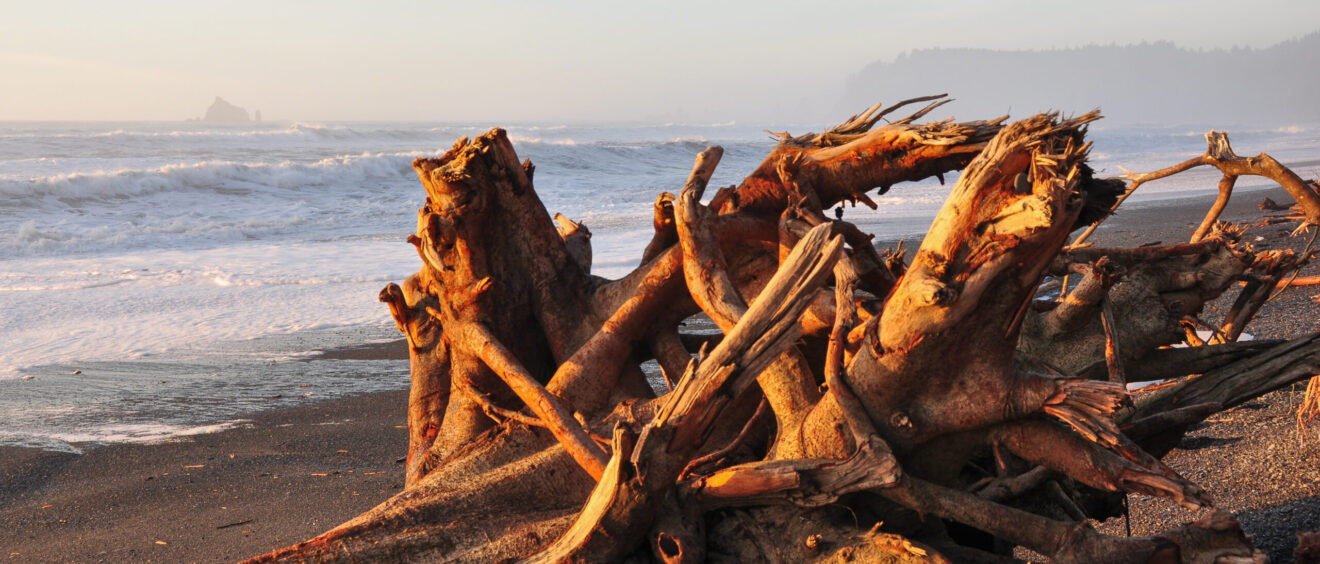
Olympic National Park Olympic National Park occupies much of the Olympic Peninsula in northwestern Washington, where mountains, temperate rainforest, and Pacific coastline form one of the most ecologically diverse landscapes in the United States. The Olympic Mountains originated from marine sediments and basalt formed on the ocean floor that were uplifted and folded through tectonic […]
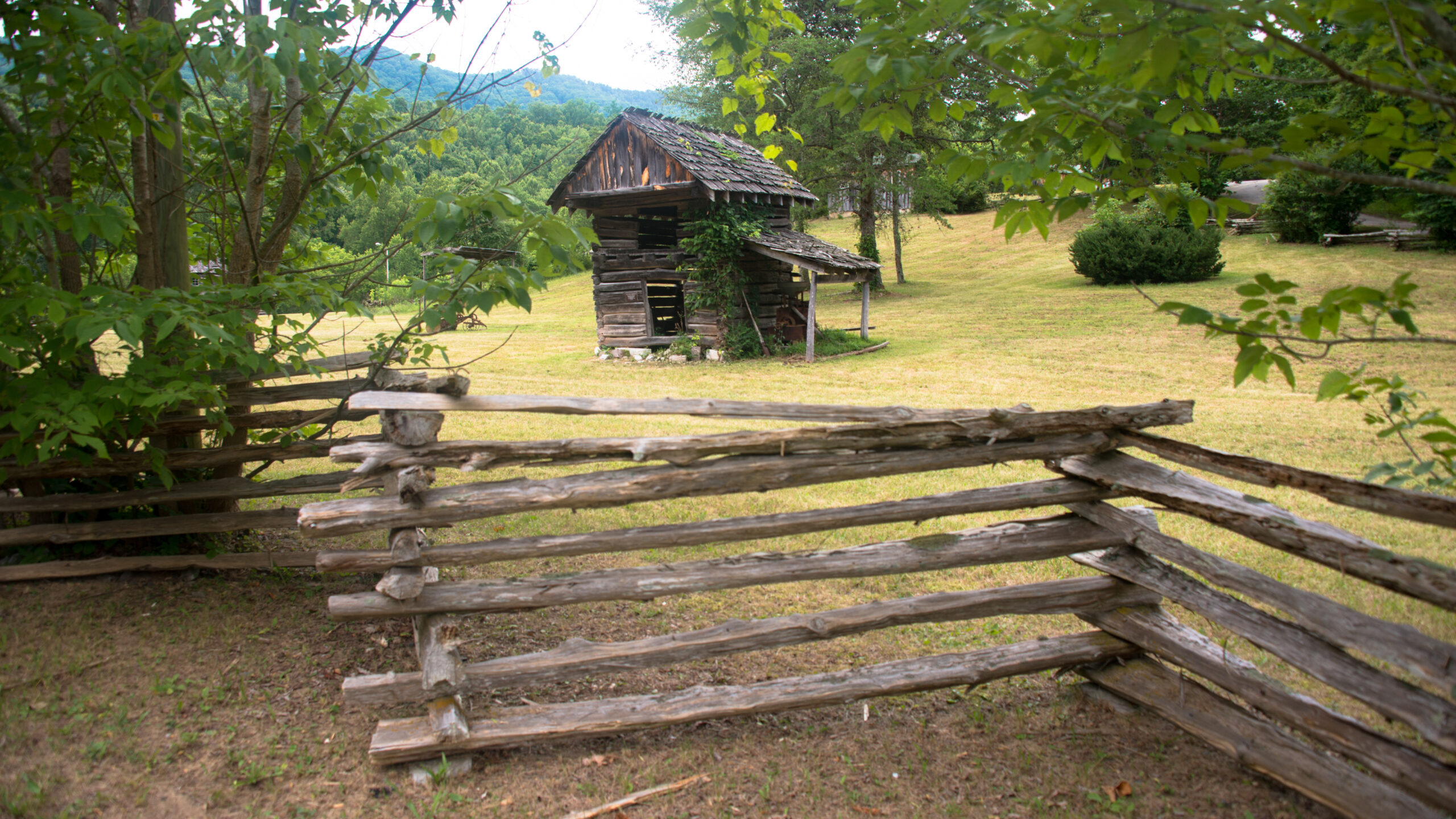
Great Smoky Mountains National Park Great Smoky Mountains National Park preserves a portion of the Appalachian Mountain range along the border of Tennessee and North Carolina, where forested ridges, deep valleys, and high elevation peaks form one of the most biologically diverse regions in North America. The mountains developed through long geological processes associated with […]
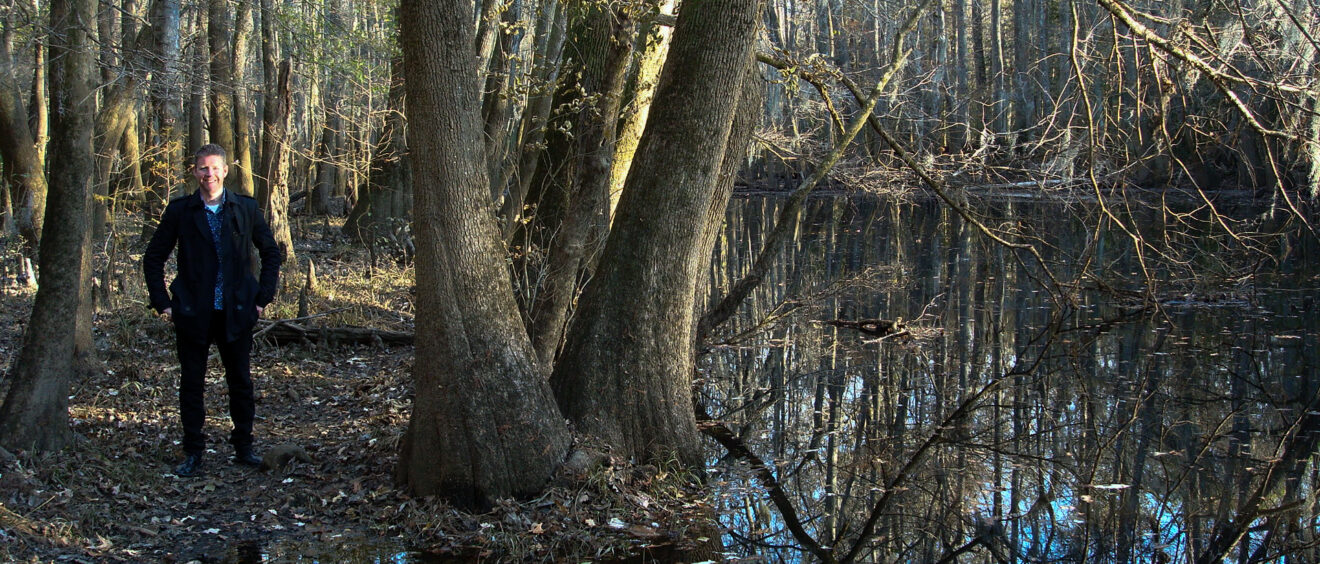
Congaree National Park Congaree National Park preserves one of the largest intact old-growth bottomland hardwood forests remaining in the southeastern United States, located within the floodplain of the Congaree and Wateree Rivers in central South Carolina. The landscape is shaped by periodic flooding that deposits nutrient-rich sediment, supporting the growth of exceptionally tall trees and […]
Everglades was one of the first National Parks Randy and I visited together in 2008. After hiking in waist-high water through Cyprus Domes, we realized that we had been hiking with alligators! Good god, I don’t think I want to do that again!