Seneca Rocks Seneca Rocks rises dramatically above the surrounding valley as a ridge of erosion-resistant quartzite that forms one of the most distinctive geological landmarks in the Appalachian Mountains. The rock formation reaches nearly nine hundred feet above the surrounding landscape, reflecting the folding and uplift that shaped the Allegheny Mountains during the formation of […]

National Bonsai Collection The National Bonsai & Penjing Museum at the United States National Arboretum preserves a specialized collection of miniature trees shaped through horticultural techniques that originated in East Asia and developed over centuries as an artistic and botanical tradition. Established within the Arboretum’s research environment, the collection reflects the intersection of scientific study, […]
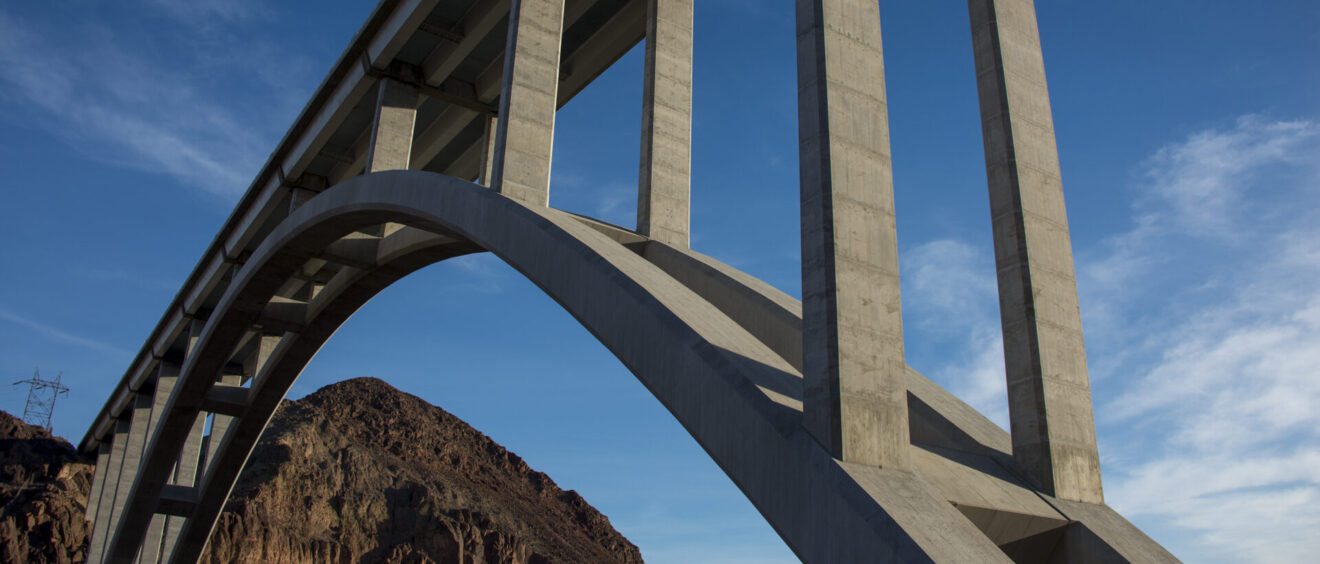
Lake Mead National Recreation Area – Hoover Dam Lake Mead formed following construction of Hoover Dam across the Colorado River in the early twentieth century. The dam created a reservoir that provides water storage and hydroelectric power for communities across the southwestern United States. The project demonstrates how engineering interacts with natural river systems to […]
Fort Washington Park Fort Washington Park preserves a nineteenth-century coastal fortification overlooking the Potomac River south of Washington, DC, representing the only defensive structure specifically designed to protect the nation’s capital for much of the nineteenth century. The original fort, begun in 1808 and later reconstructed in stone in 1824, reflects evolving approaches to military […]
United States National Arboretum The United States National Arboretum occupies more than 400 acres along the Anacostia River in northeastern Washington, DC, preserving cultivated landscapes dedicated to botanical research, conservation, and public education. Established in 1927, the arboretum reflects early twentieth-century efforts to study plant adaptation, landscape design, and agricultural resilience within the varied climatic […]
Prince William Forest Park Prince William Forest Park preserves one of the largest protected forest landscapes in the Washington metropolitan region, where rolling Piedmont terrain, stream valleys, and mixed hardwood forest illustrate the environmental character of northern Virginia prior to extensive suburban development. Established during the New Deal era, the park reflects twentieth-century efforts to […]
United States Capitol at Night The United States Capitol serves as the legislative center of the federal government and one of the most recognizable architectural landmarks in Washington, DC. Its neoclassical design, characterized by a prominent dome, symmetrical wings, and colonnaded façades, reflects architectural traditions associated with democratic governance and the rule of law. Positioned […]
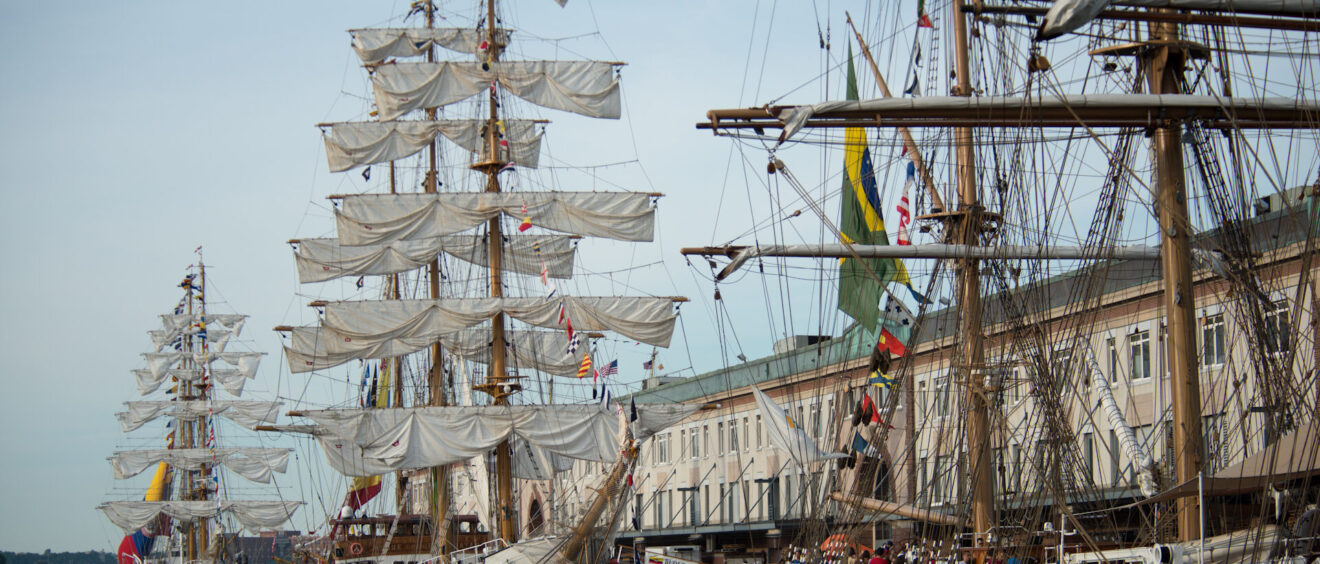
Tall Ships — War of 1812 Bicentennial Boston Harbor has played an important role in American maritime history, serving as a center of trade, naval activity, and shipbuilding since the colonial period. The War of 1812 reinforced the strategic significance of coastal defenses and maritime infrastructure along the eastern seaboard, as the young United States […]
Blue Ridge Parkway The Blue Ridge Parkway follows the crest of the Appalachian Mountains, a landscape shaped by some of the oldest geological formations in North America. The rolling ridgelines, forested slopes, and expansive vistas illustrate the environmental conditions encountered by early European settlers as they moved inland from the Atlantic coast. These mountain corridors […]
Lake Mead National Recreation Area Lake Mead National Recreation Area is located along the Colorado River on the border of Nevada and Arizona, where desert mountain ranges surround one of the largest reservoirs in the United States. The lake was formed by the construction of Hoover Dam in 1935, a major engineering project that transformed […]