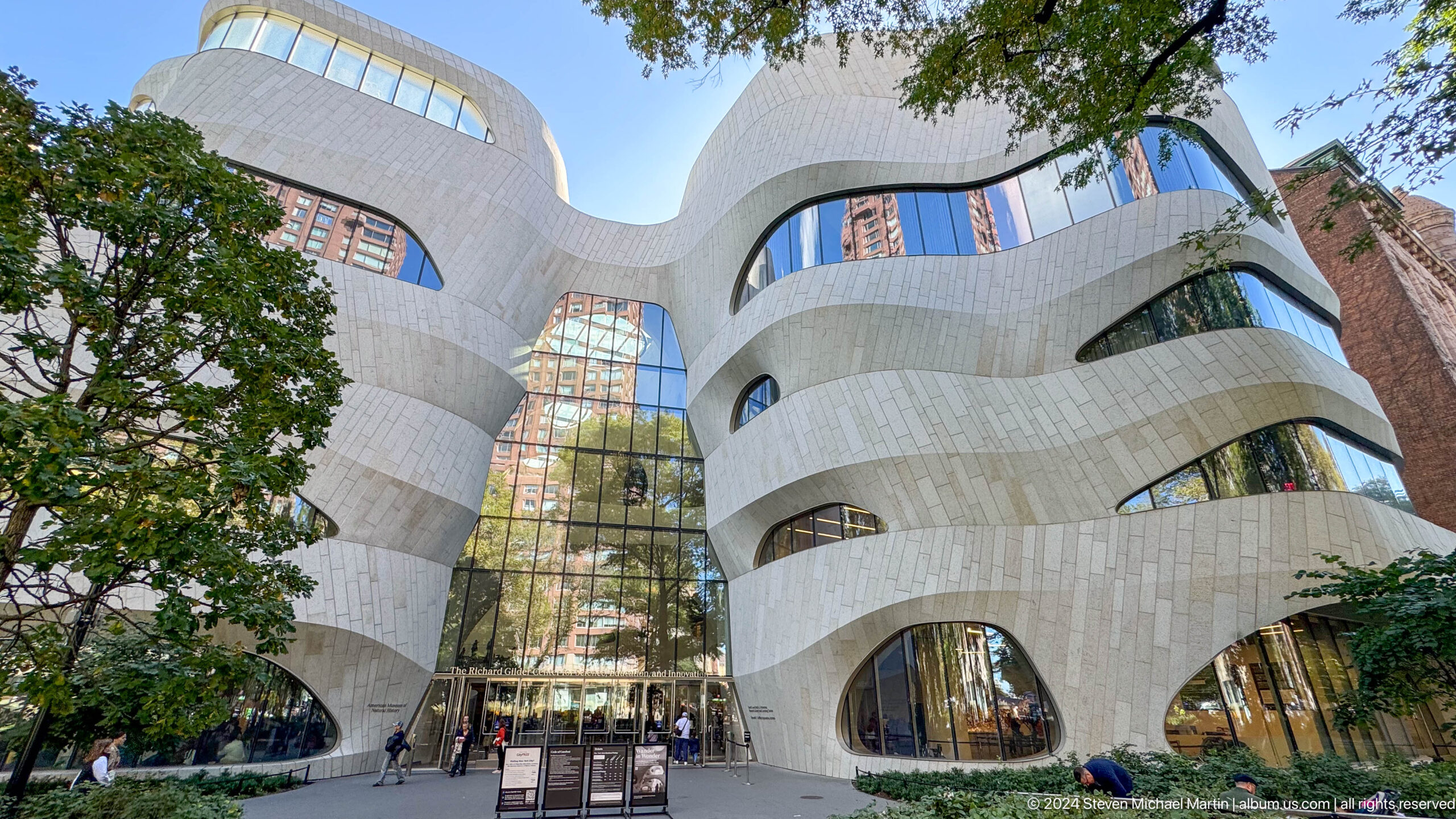
American Museum of Natural History The American Museum of Natural History reflects the nineteenth-century expansion of scientific research institutions dedicated to understanding the natural world. Founded in 1869 and located on the Upper West Side of Manhattan near Central Park, the museum developed as a center for the study of biology, geology, anthropology, and astronomy. […]
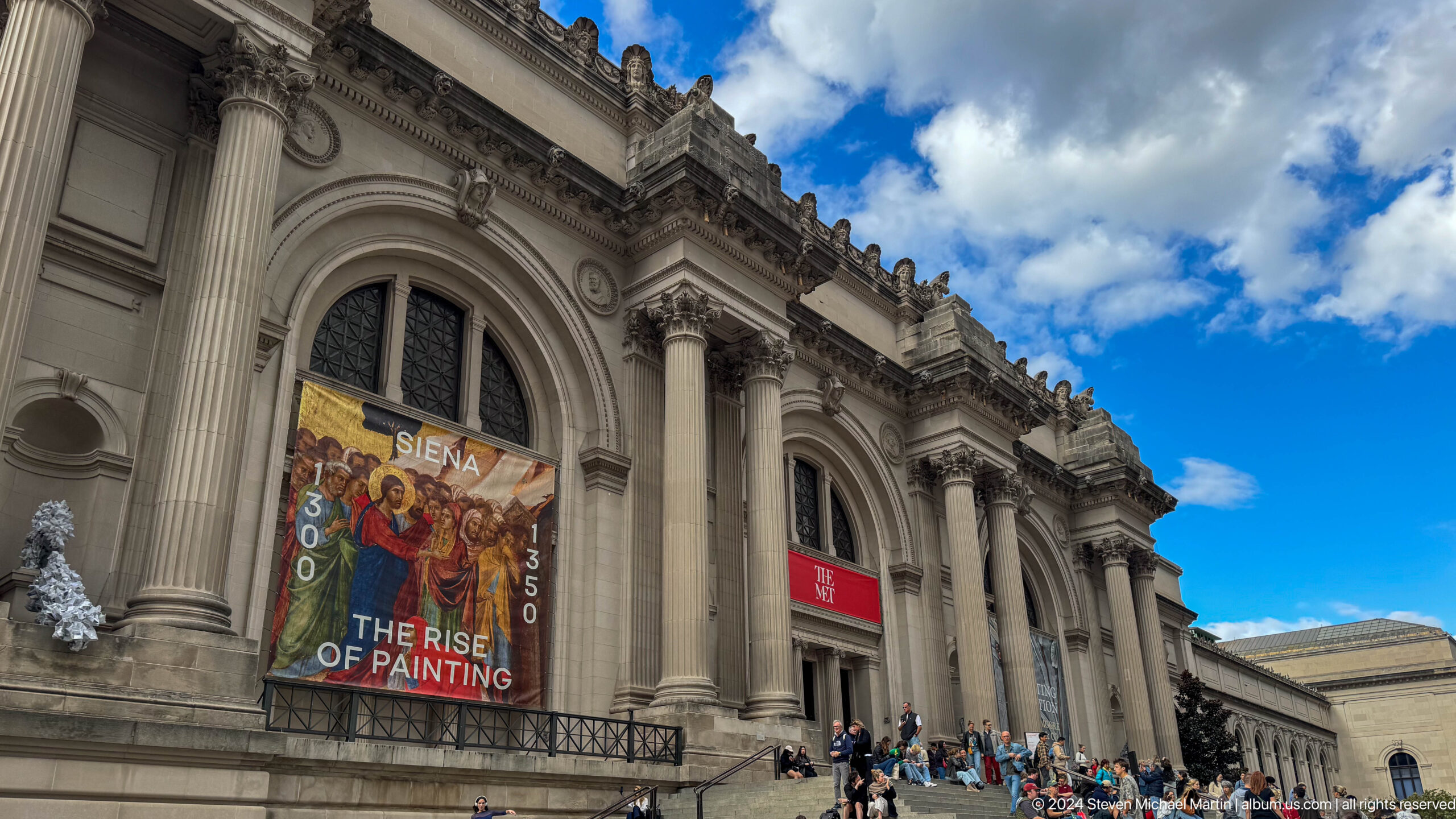
Metropolitan Museum of Art The Metropolitan Museum of Art stands among the most comprehensive art museums in the world, reflecting the development of global artistic traditions across more than five millennia. Founded in 1870 by civic leaders, artists, and philanthropists, the museum was intended to bring art and art education to the American public. Located […]
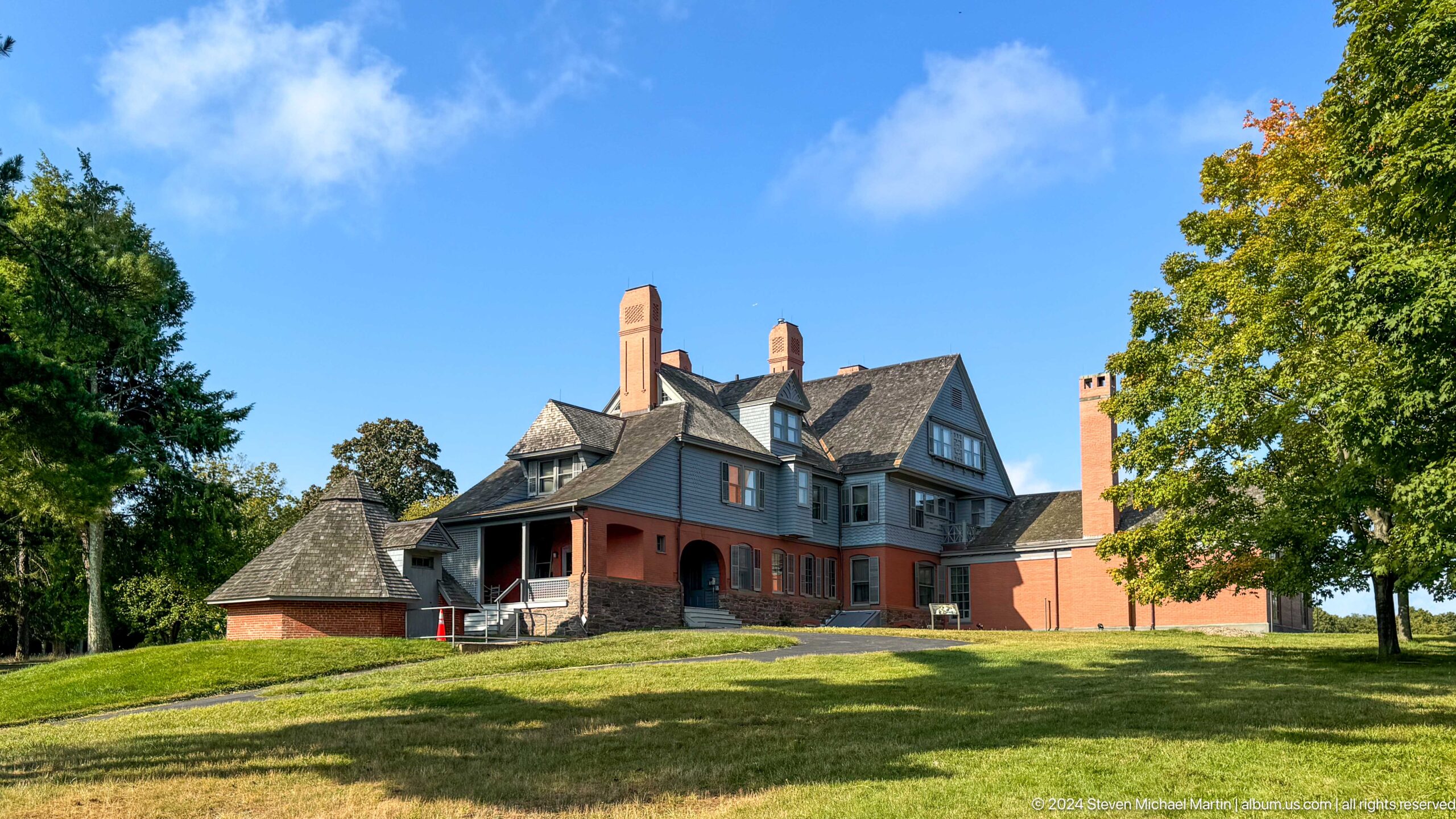
Sagamore Hill National Historic Site Sagamore Hill preserves the home of Theodore Roosevelt, 26th President of the United States, whose leadership shaped American political thought, conservation policy, and international diplomacy during the early twentieth century. Located in Oyster Bay on the north shore of Long Island, the estate became Roosevelt’s primary residence from 1885 until […]
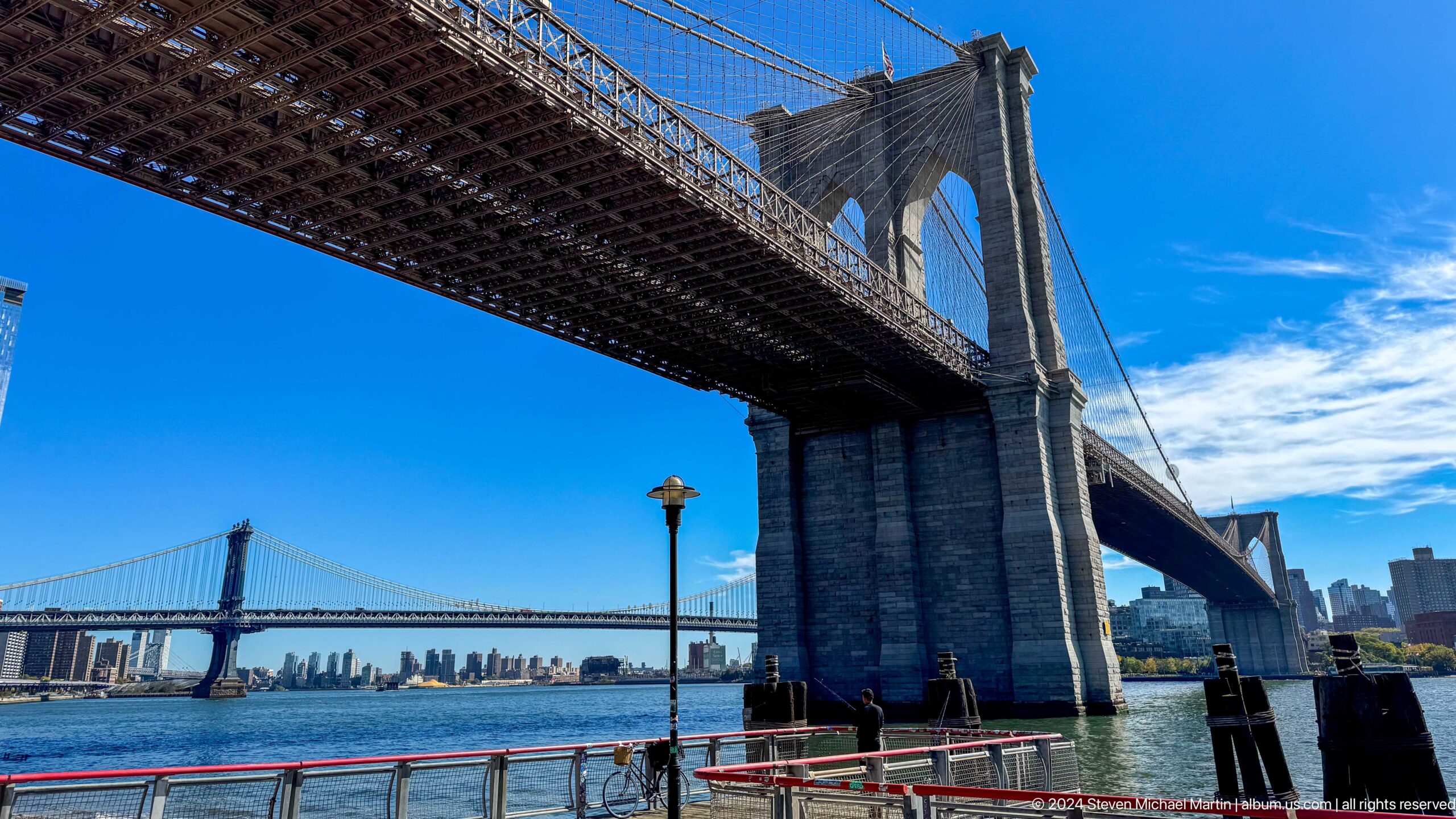
Lower East Side The Lower East Side developed as one of the most historically significant immigrant neighborhoods in the United States, where successive waves of newcomers shaped the social and cultural identity of New York City. During the nineteenth and early twentieth centuries, large numbers of immigrants from Europe, particularly from Germany, Ireland, Italy, and […]
Whitney Museum of American Art The Whitney Museum of American Art reflects the development of modern and contemporary artistic expression in the United States, with a particular emphasis on living artists and evolving cultural perspectives. Founded in 1930 by Gertrude Vanderbilt Whitney, the institution was established to promote American artists whose work often received less […]
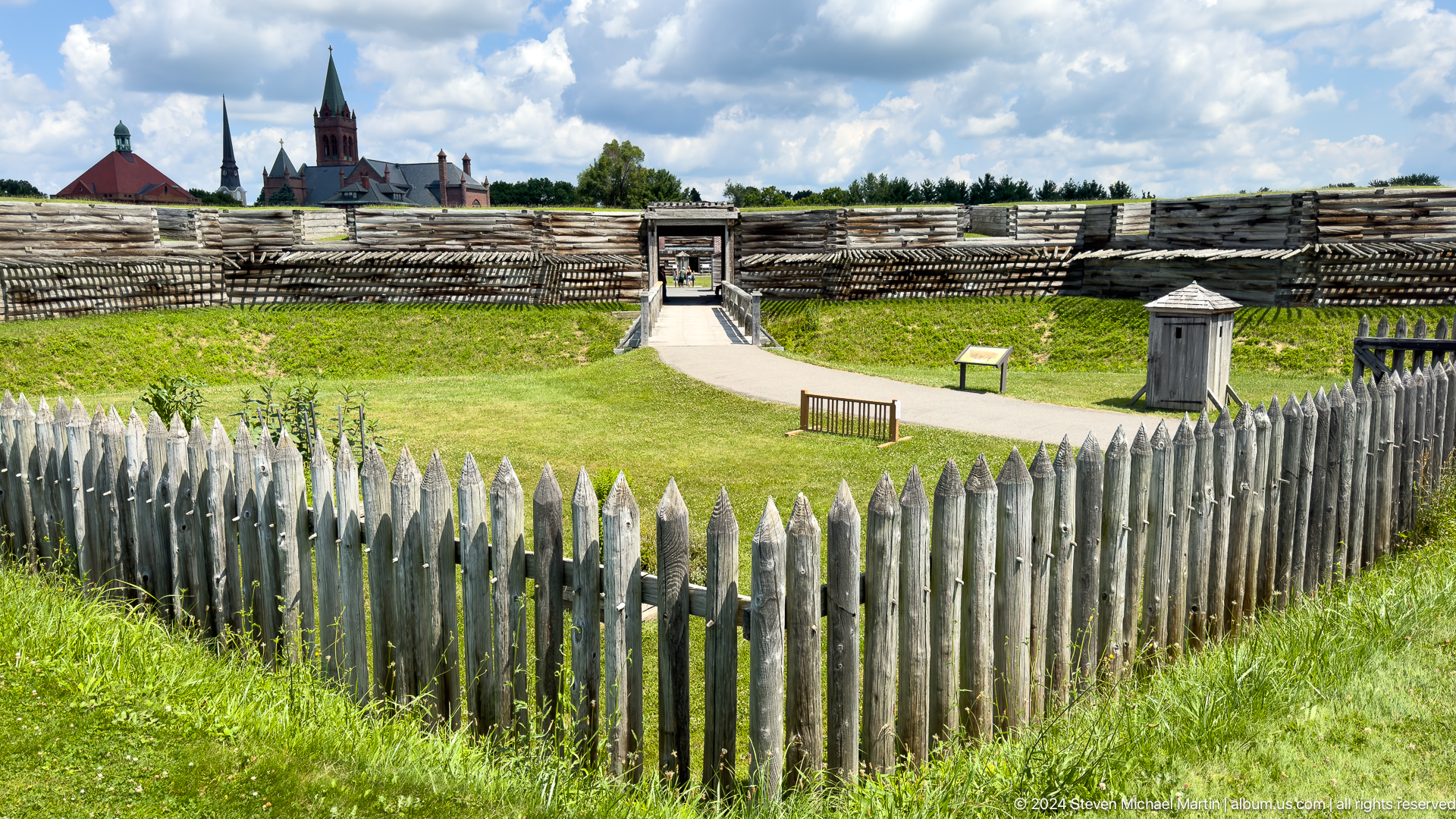
Fort Stanwix National Monument Fort Stanwix occupies a strategic location along the Mohawk River corridor in central New York, where an important portage connected waterways leading to the Great Lakes and the Hudson River. Built by the British in 1758 during the French and Indian War, the fort later became a key defensive position for […]
Whiteface Mountain and the Adirondacks Whiteface Mountain rises within the Adirondack Mountains of northern New York, a region characterized by ancient rock formations uplifted through geological processes and shaped by glaciation during the Ice Age. The Adirondacks form one of the largest protected natural areas in the United States, encompassing extensive forests, rivers, and alpine […]
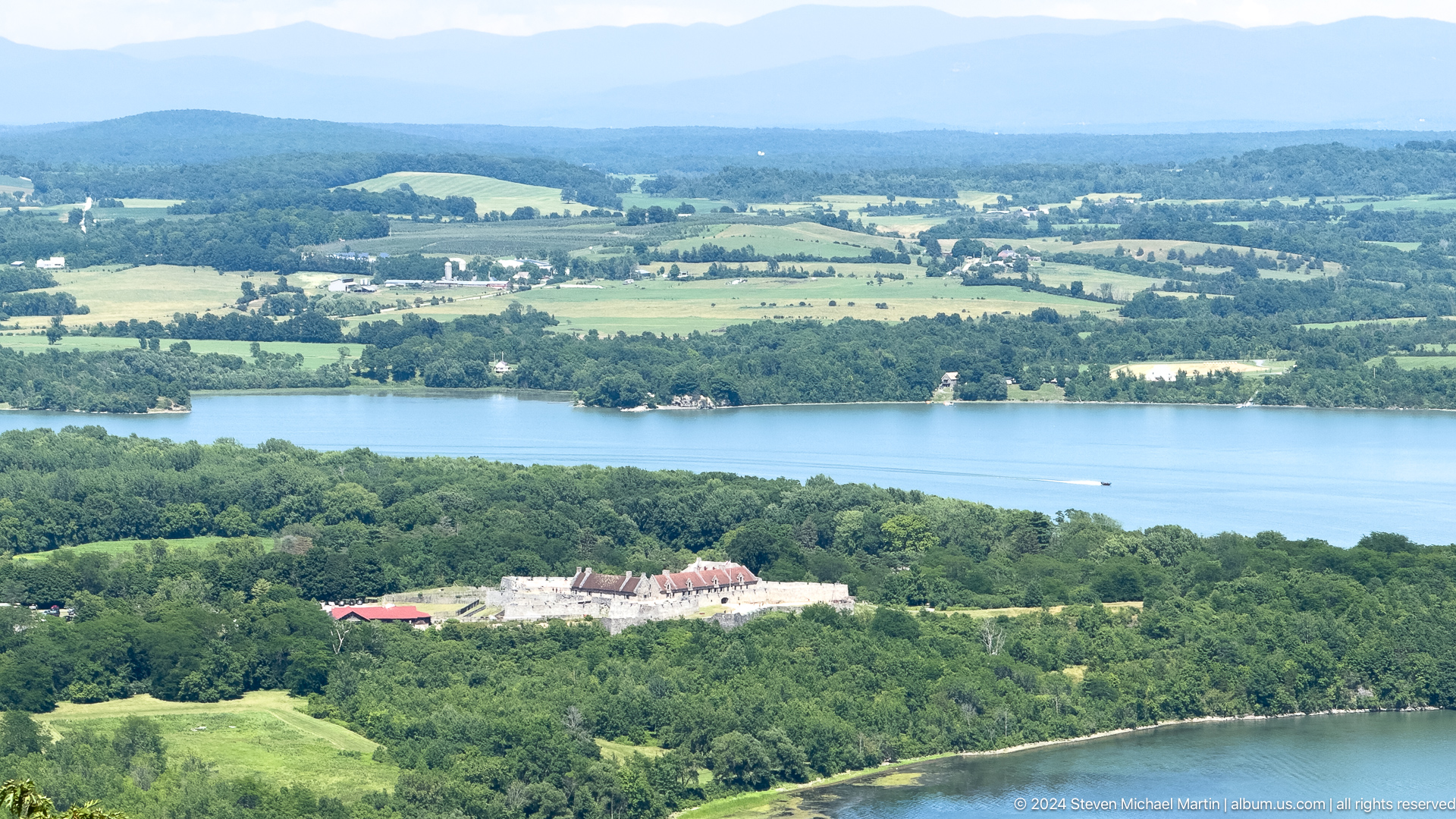
Fort Ticonderoga Fort Ticonderoga occupies a strategic location between Lake Champlain and Lake George, where waterways provided a natural transportation corridor linking the Hudson River Valley with Canada. Constructed by the French between 1755 and 1757 as Fort Carillon, the fort became one of the most contested military positions in North America during the French […]
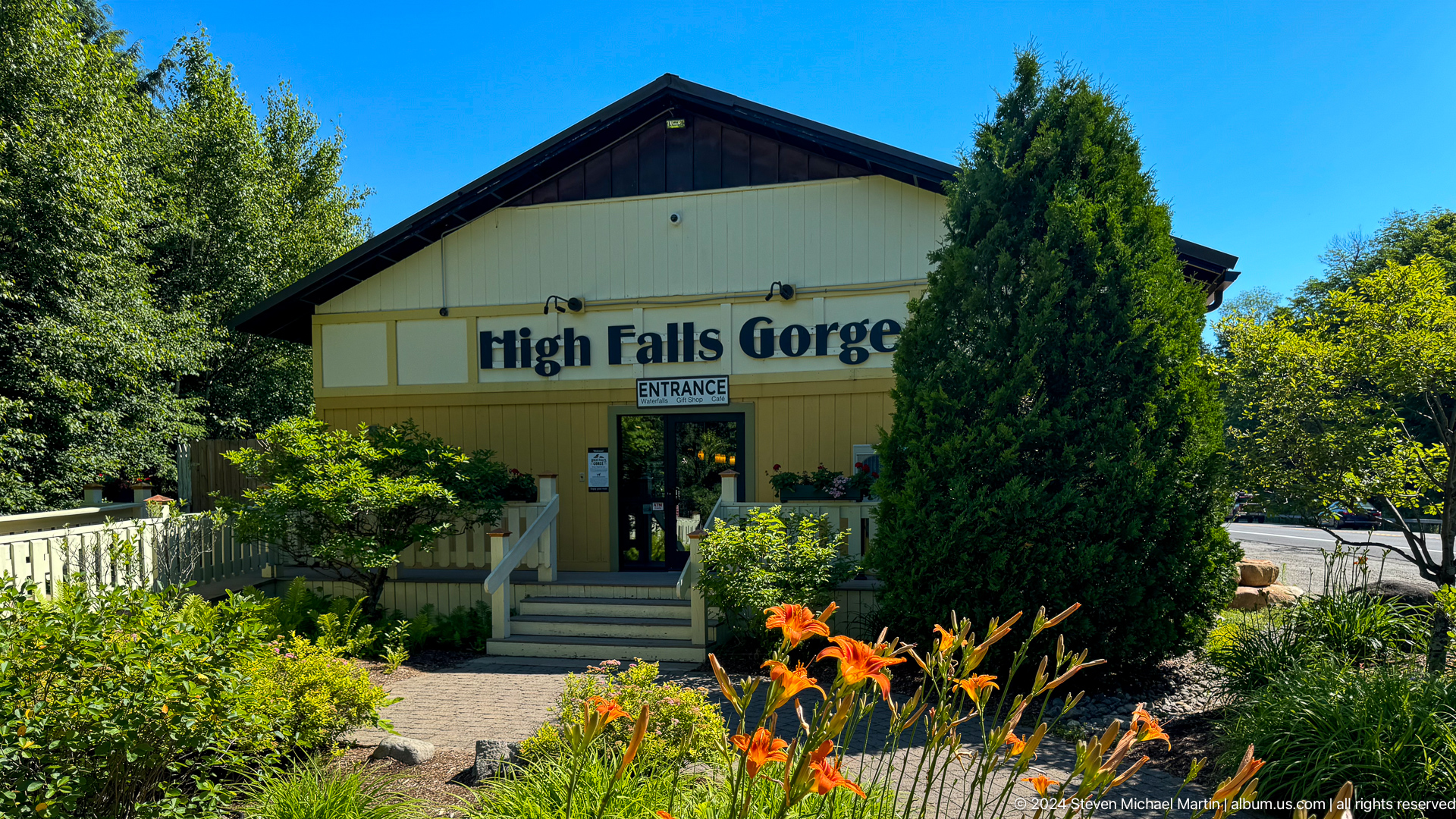
High Falls Gorge High Falls Gorge is located along the Ausable River near Wilmington, New York, within the Adirondack Mountains where glacial activity and long-term erosion shaped steep rock formations and cascading waterfalls. The Adirondack region consists of some of the oldest exposed rock formations in North America, with geological origins dating back more than […]
Lake Placid Olympic Venues Lake Placid occupies a unique place in the history of international sport as one of the few locations to host the Winter Olympic Games twice, first in 1932 and again in 1980. The village’s mountainous setting in the Adirondacks provided suitable terrain for winter competition, while early investment in recreational infrastructure […]