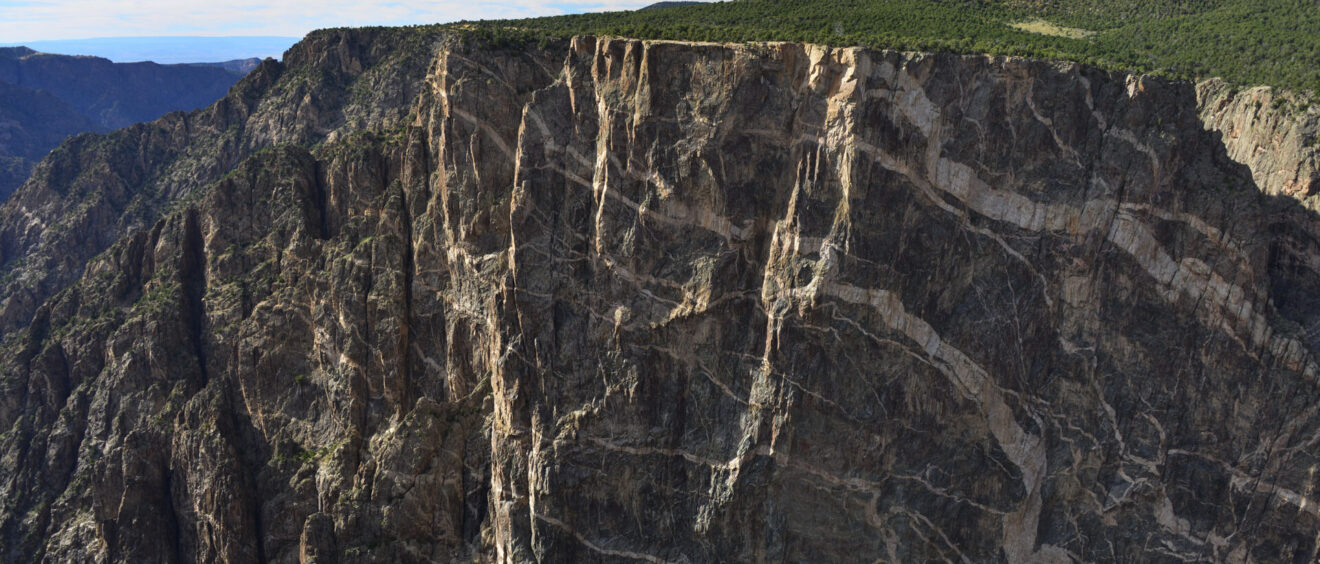
Black Canyon of the Gunnison National Park Black Canyon of the Gunnison reveals the immense power of river erosion acting on resistant metamorphic rock. The Gunnison River has carved an exceptionally narrow and deep canyon, creating sheer cliffs that descend dramatically toward the river below. The dark appearance of the canyon walls gives the park […]
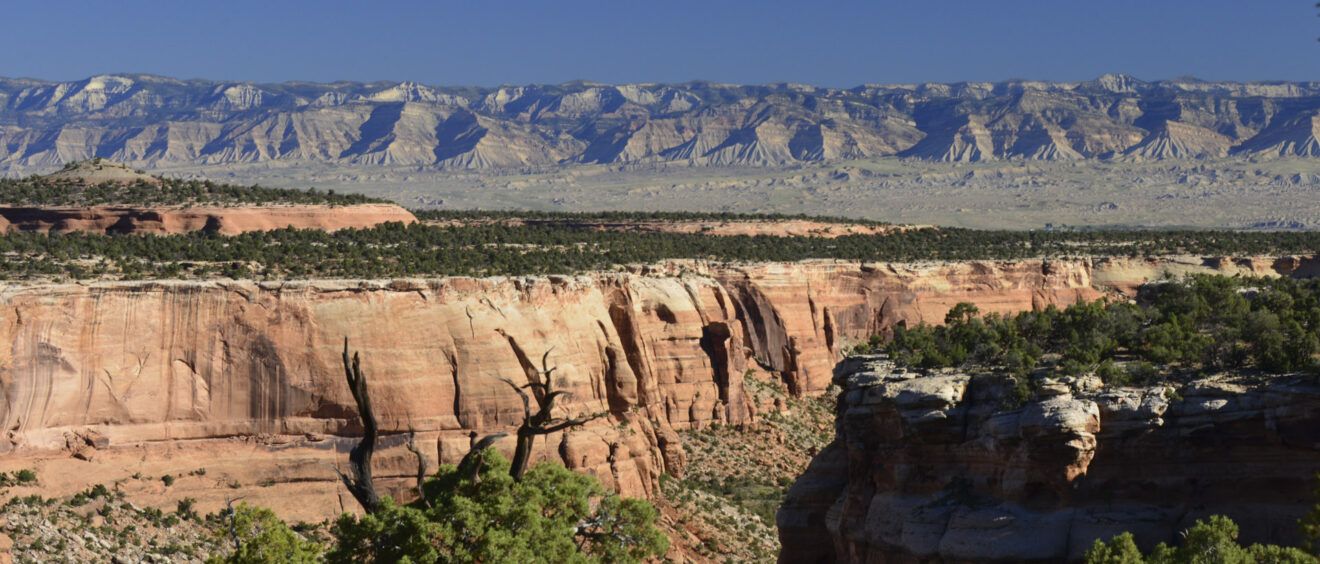
Colorado National Monument Colorado National Monument preserves a striking landscape of red sandstone cliffs, monoliths, and deeply carved canyon formations. The monument illustrates the transition between the Rocky Mountain region and the canyon country of the Colorado Plateau. Layers of sedimentary rock reveal the long geological history of deposition, uplift, and erosion. Towering rock formations […]
Rocky Mountain National Park – Fall River The Fall River corridor reveals the influence of water in shaping alpine landscapes as snowmelt descends from higher elevations into forested valleys. Flowing streams, rocky banks, and surrounding mountain slopes create a transition zone between high alpine terrain and lower elevation ecosystems. The area reflects the geological forces […]
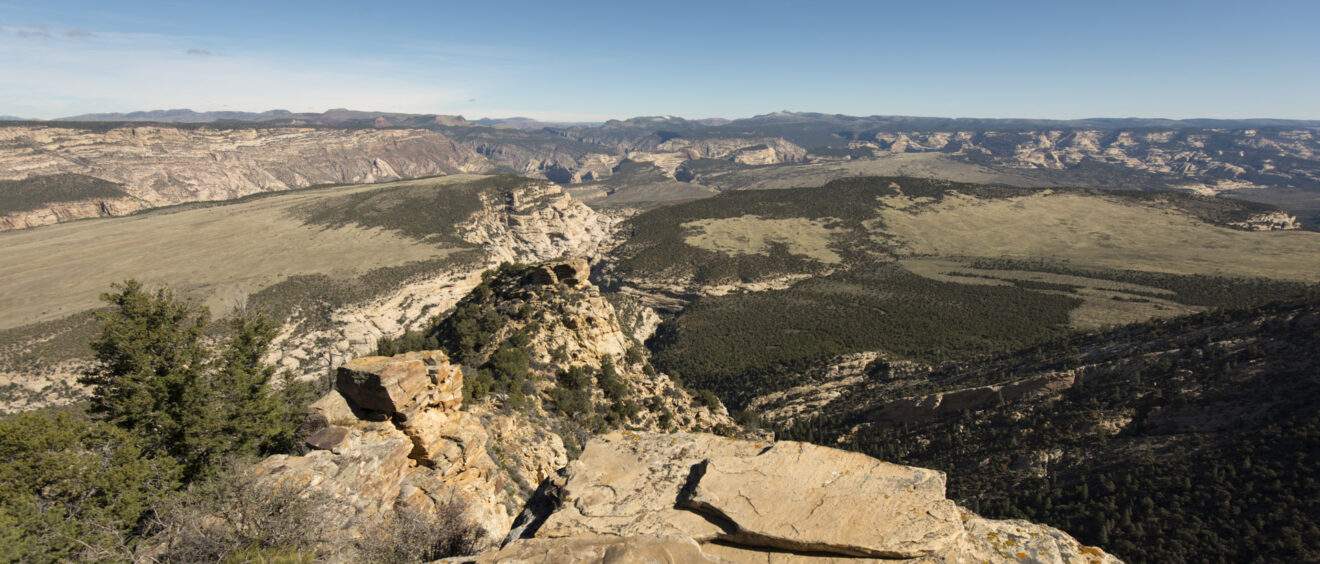
Dinosaur National Monument Dinosaur National Monument preserves one of the most important fossil sites in North America, where exposed rock layers contain visible dinosaur remains dating to the Jurassic period. The monument provides a direct connection to prehistoric ecosystems that existed long before the modern Rocky Mountain landscape formed. Its fossil quarry offers a rare […]
Provincetown Carnival Parade Provincetown Carnival forms one of the most visible annual expressions of the town’s long association with artistic freedom, performance, and public celebration at the outer edge of Cape Cod. The parade moves through the compact streets of Provincetown, where historic commercial buildings and harborfront spaces provide a setting shaped by maritime history […]
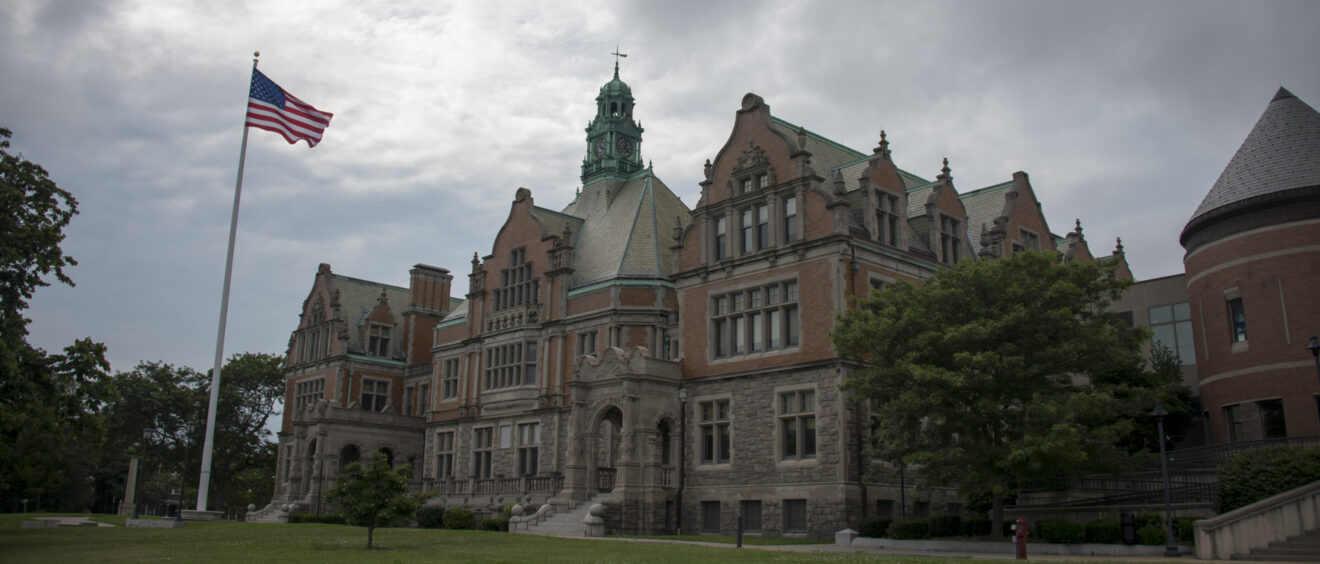
New Bedford Whaling National Historical Park and Fairhaven New Bedford developed into one of the most important maritime ports in the United States during the nineteenth century, when whaling connected coastal Massachusetts to a global network of trade, labor, and industrial production. The harbor’s sheltered position along Buzzards Bay supported the rapid expansion of a […]
Down East Maine The Down East region of Maine refers to the easternmost coastal portion of the state, generally encompassing Hancock and Washington counties along the Gulf of Maine. The term originated in maritime navigation, when sailors traveling from ports such as Boston sailed downwind toward the east along the New England coastline. The region […]
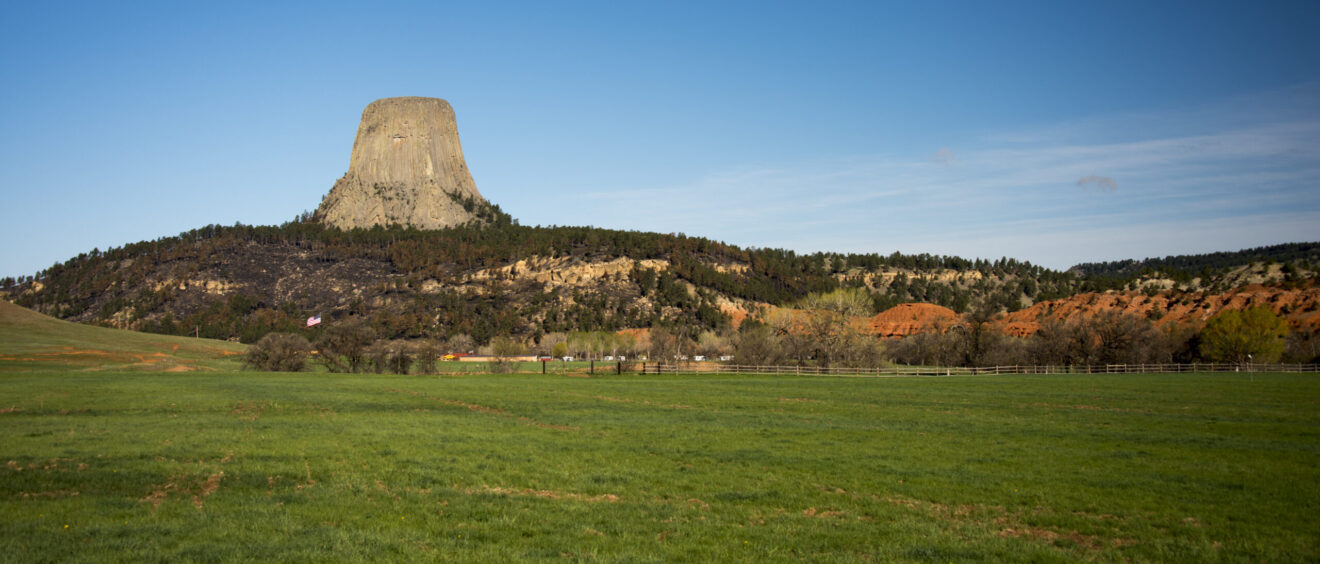
Devils Tower National Monument Devils Tower rises dramatically above the surrounding plains as a column of igneous rock formed through volcanic activity millions of years ago. Molten material cooled underground and later became exposed as surrounding sedimentary rock eroded away. The tower’s vertical columns formed as cooling magma contracted, producing distinctive geometric patterns visible on […]
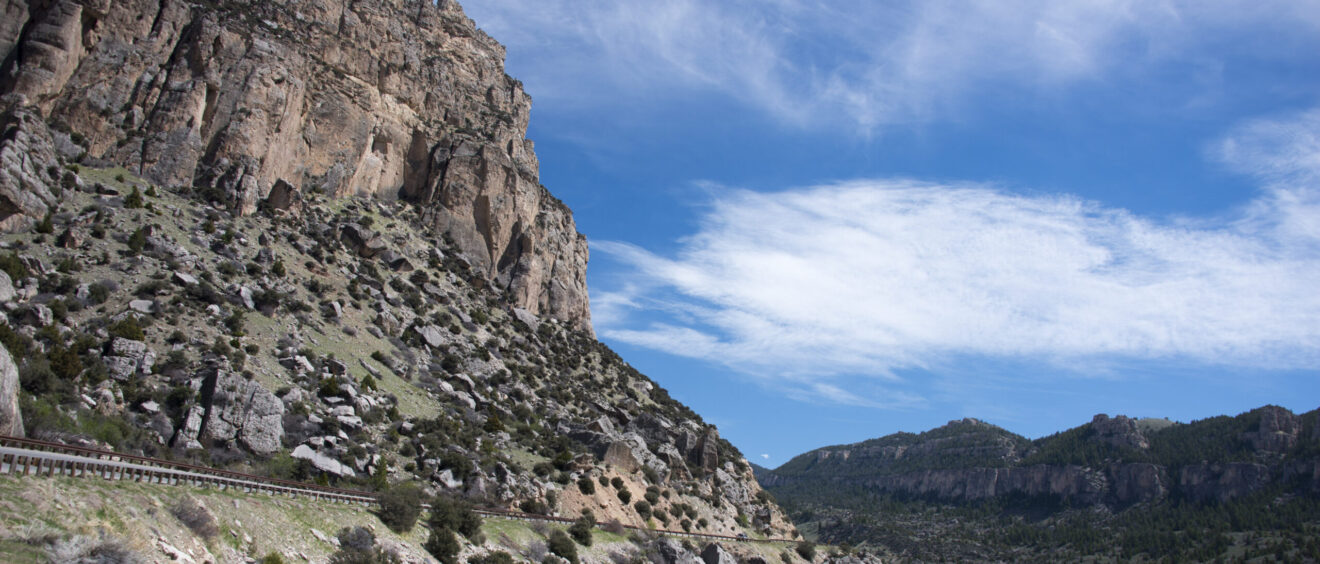
Crazy Woman Canyon Crazy Woman Canyon cuts through sedimentary rock layers shaped by erosion over millions of years. Water gradually carved the canyon through sandstone and limestone formations, creating steep cliffs and exposed rock strata that illustrate geological change over long time periods. The canyon landscape demonstrates how flowing water influences terrain development within semi-arid […]
Castle Gardens Petroglyph Site Castle Gardens preserves sandstone rock formations containing petroglyphs created by Indigenous peoples over many centuries. The rock surfaces display carved figures, symbols, and patterns that reflect cultural expression, spiritual beliefs, and communication traditions associated with communities of the northern plains. The sheltered rock faces provided durable surfaces for carving that allowed […]