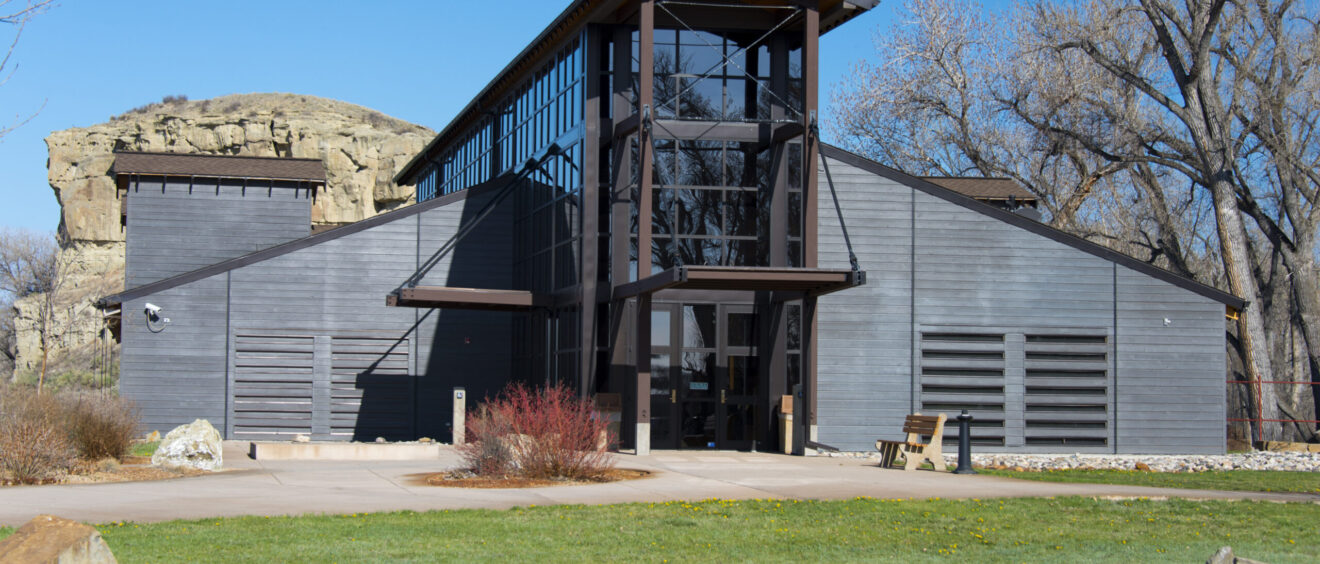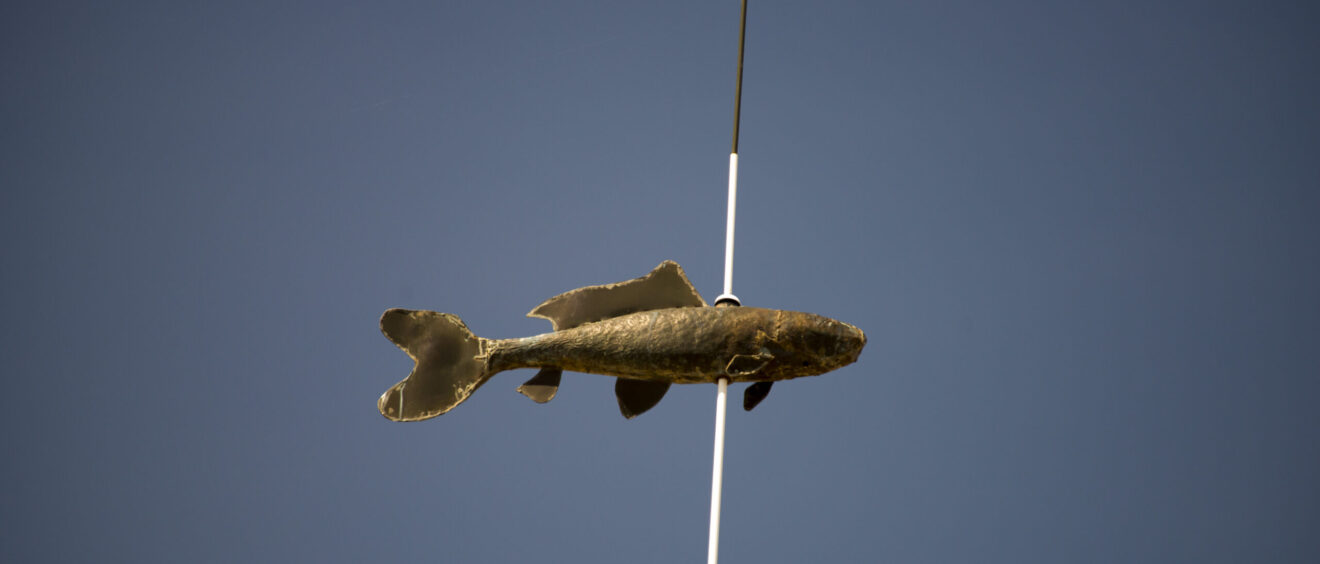
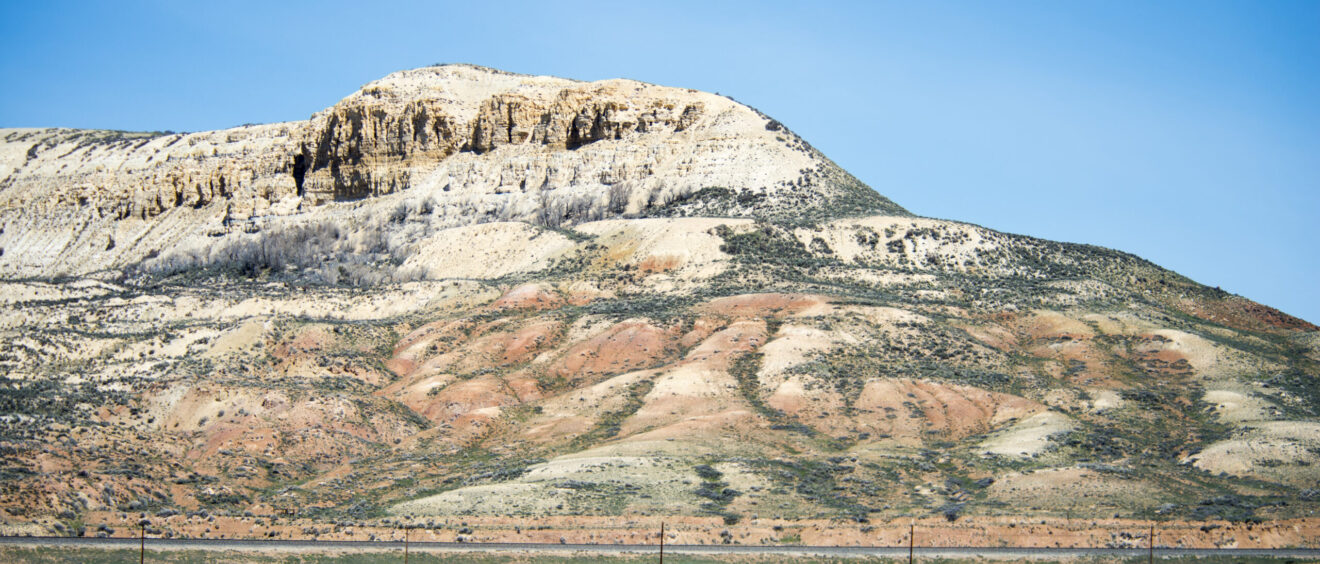
Fossil Butte National Monument Fossil Butte National Monument preserves sedimentary rock layers containing exceptionally well-preserved fossils from an ancient freshwater lake that existed approximately fifty million years ago. Fossilized fish, plants, and insects provide insight into prehistoric ecosystems that developed when the climate of the region differed significantly from present conditions. Fine-grained limestone deposits allowed […]
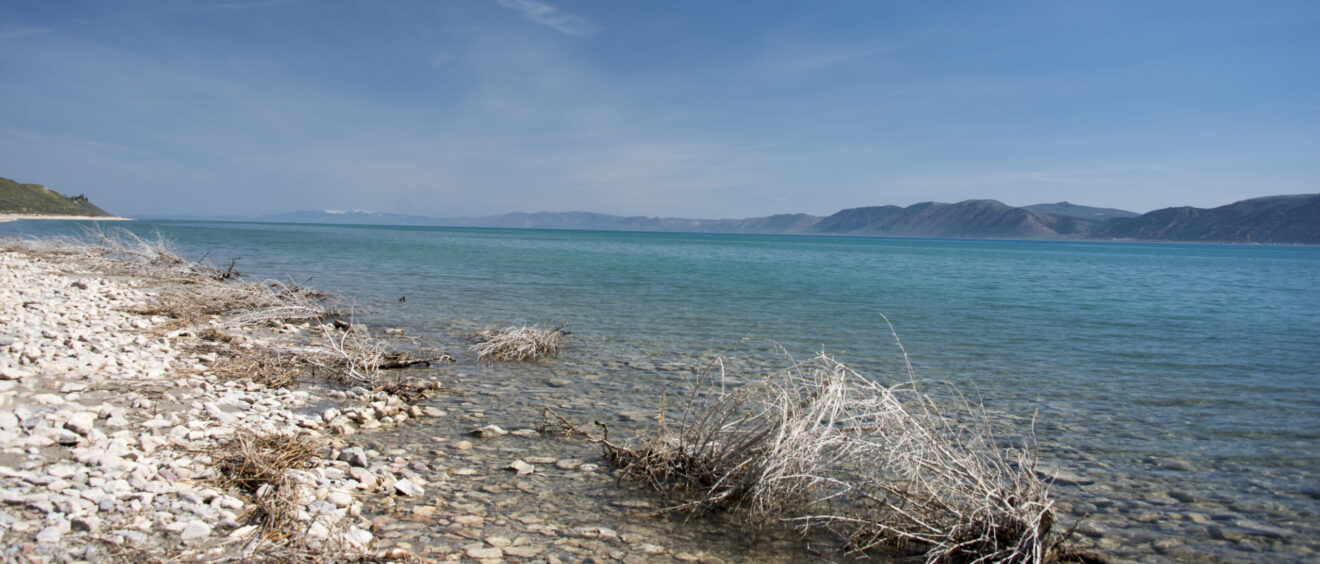
Bear Lake National Wildlife Refuge Bear Lake National Wildlife Refuge protects wetland habitats that support migratory bird populations and aquatic ecosystems within the Intermountain West. Seasonal water levels create environments suitable for nesting and feeding species traveling along major migration corridors. Wetlands illustrate how water availability shapes ecological relationships across arid regions. The refuge provides […]
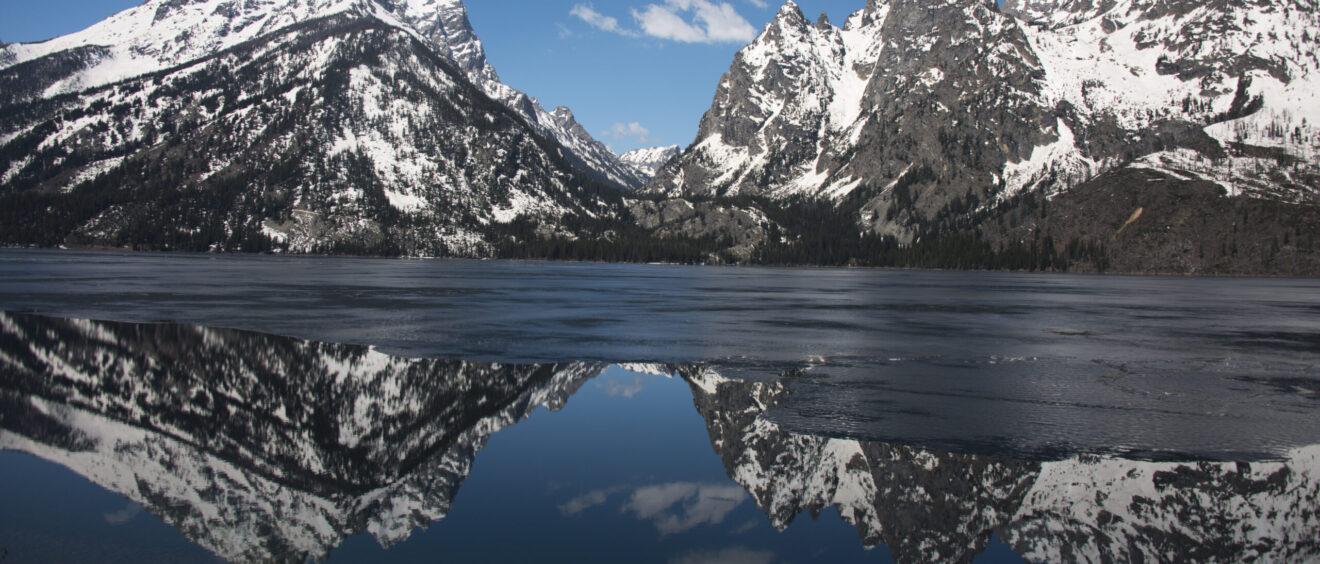
Grand Teton National Park Grand Teton National Park preserves dramatic mountain landscapes formed through tectonic uplift along the Teton fault. The Teton Range rises sharply above the Jackson Hole valley, illustrating how movement of the earth’s crust created steep elevation differences across relatively short distances. Glacial activity further shaped the terrain, carving valleys and forming […]
Craters of the Moon National Monument Craters of the Moon preserves a volcanic landscape formed by repeated lava flows over the past fifteen thousand years. Basaltic lava created hardened surfaces, cinder cones, lava tubes, and fissures that illustrate volcanic processes associated with the movement of magma beneath the earth’s crust. The terrain resembles lunar landscapes […]
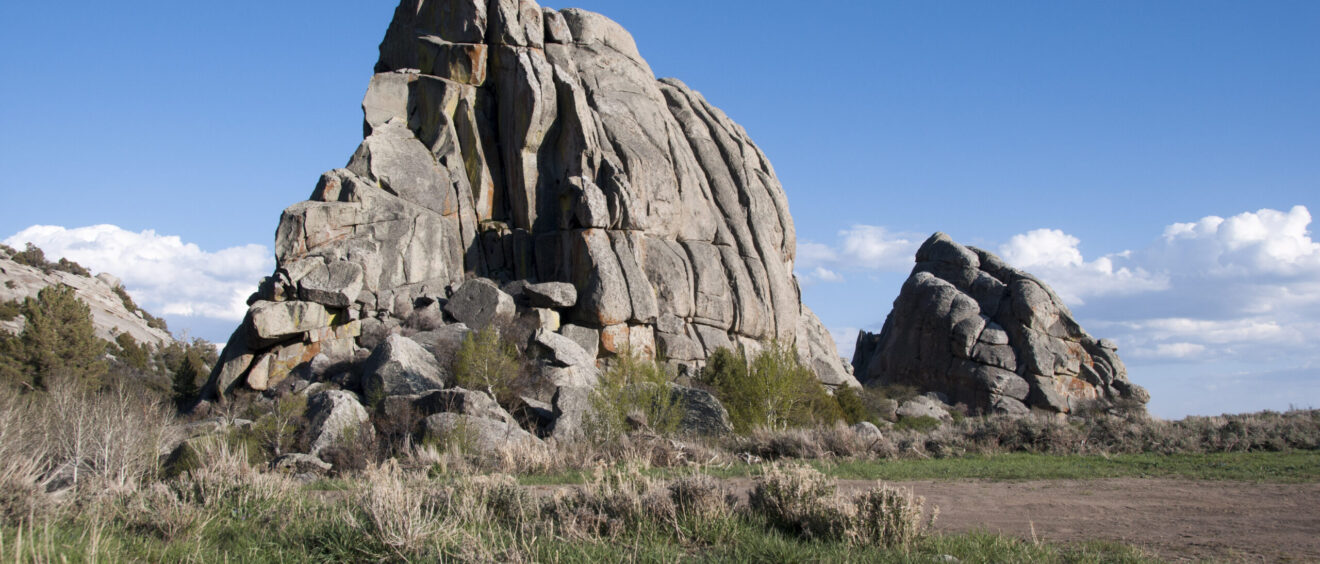
City of Rocks National Reserve City of Rocks National Reserve preserves a landscape of granite spires formed through tectonic uplift and erosion associated with the Basin and Range geological province. The rock formations developed over millions of years as fractures in granite bedrock gradually widened through weathering and erosion. The resulting landscape contains tall monoliths, […]
Yellowstone Stars Remote regions of Yellowstone National Park provide opportunities to observe dark night skies largely unaffected by urban light pollution. High elevation, low population density, and protected landscapes contribute to favorable conditions for viewing stars, constellations, and the Milky Way. These conditions illustrate how protected environments preserve natural phenomena that are increasingly difficult to […]
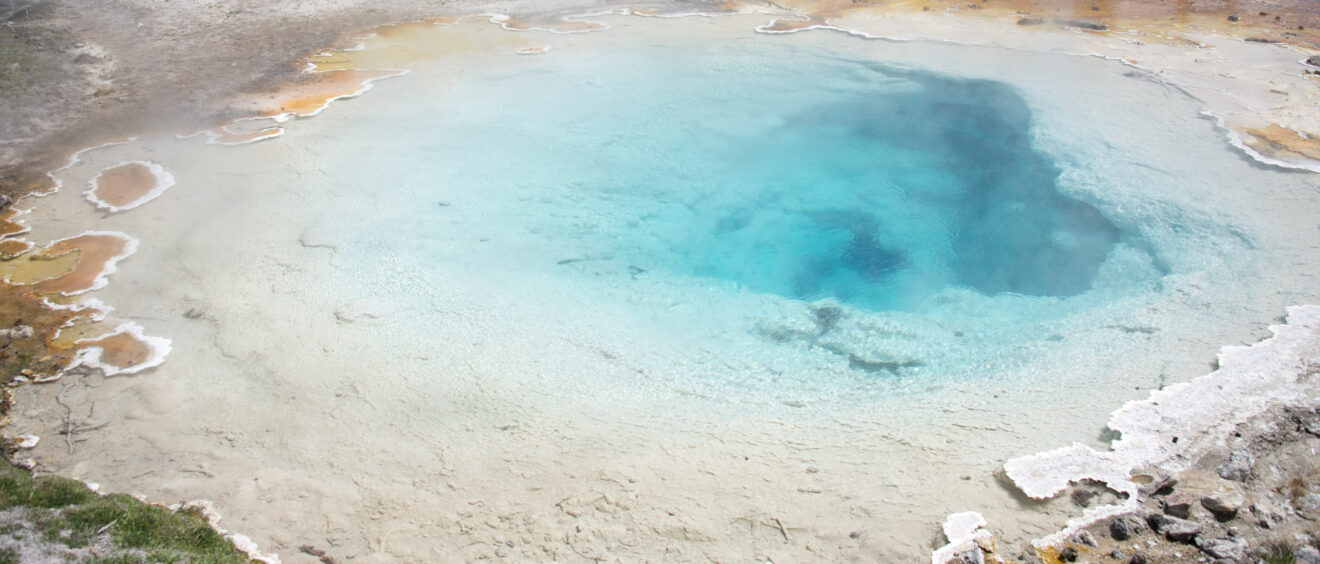
Yellowstone National Park Yellowstone National Park contains one of the most geologically dynamic landscapes in the world, shaped by volcanic activity beneath the Yellowstone Plateau. The park sits above a large volcanic caldera that produces geothermal features including geysers, hot springs, and fumaroles. These features illustrate ongoing geological processes driven by heat within the earth’s […]
Little Bighorn Battlefield National Monument Little Bighorn Battlefield preserves the site of the 1876 conflict between the United States Army and a coalition of Lakota Sioux, Northern Cheyenne, and Arapaho warriors. The battle occurred during a period of rapid expansion into the northern plains and reflects broader tensions related to territorial control and cultural sovereignty. […]
Pompeys Pillar National Monument Pompeys Pillar National Monument preserves a sandstone formation rising above the Yellowstone River in southern Montana. The pillar is notable for the signature of William Clark of the Lewis and Clark Expedition, carved into the rock in 1806 during the expedition’s return journey. The site provides a tangible connection to early […]
Fort Union Trading Post National Historic Site Fort Union Trading Post was one of the most important fur trade centers on the upper Missouri River during the 19th century. Established in 1828 near the present-day border of North Dakota and Montana, the post became a major commercial hub where Indigenous communities, traders, and company representatives […]