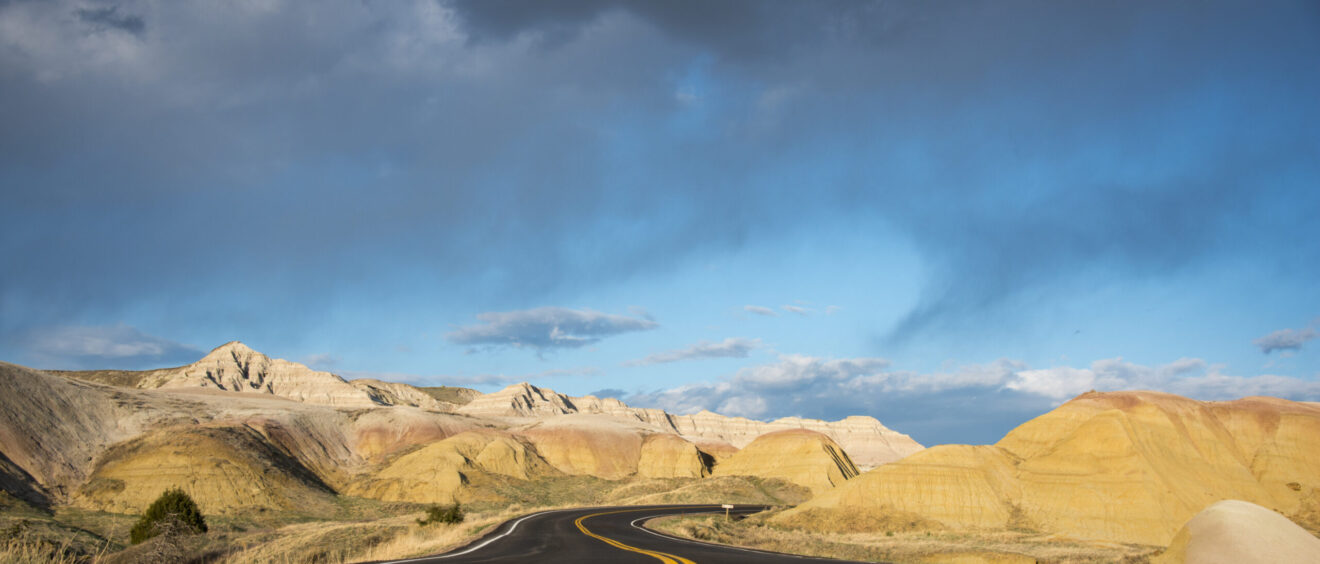
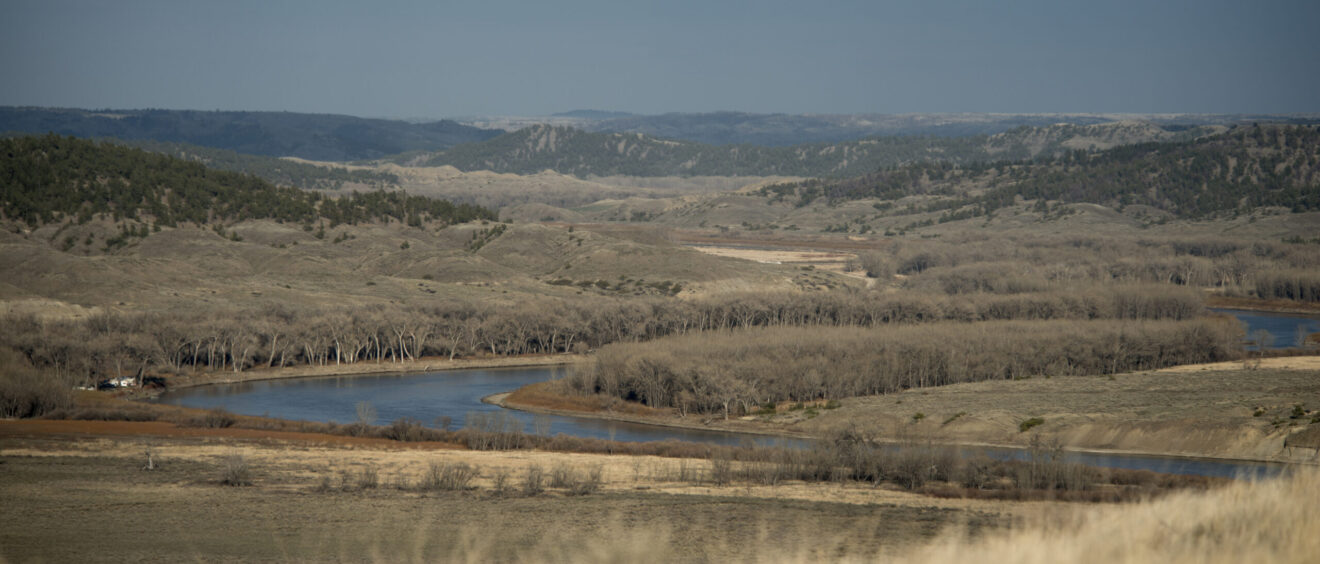
Upper Missouri River Breaks National Monument Upper Missouri River Breaks National Monument preserves a remote landscape of steep bluffs, eroded badlands, and river corridors along the Missouri River in central Montana. The monument illustrates how flowing water gradually carved dramatic terrain through sedimentary rock layers, producing isolated buttes, coulees, and rugged cliffs above the river. […]
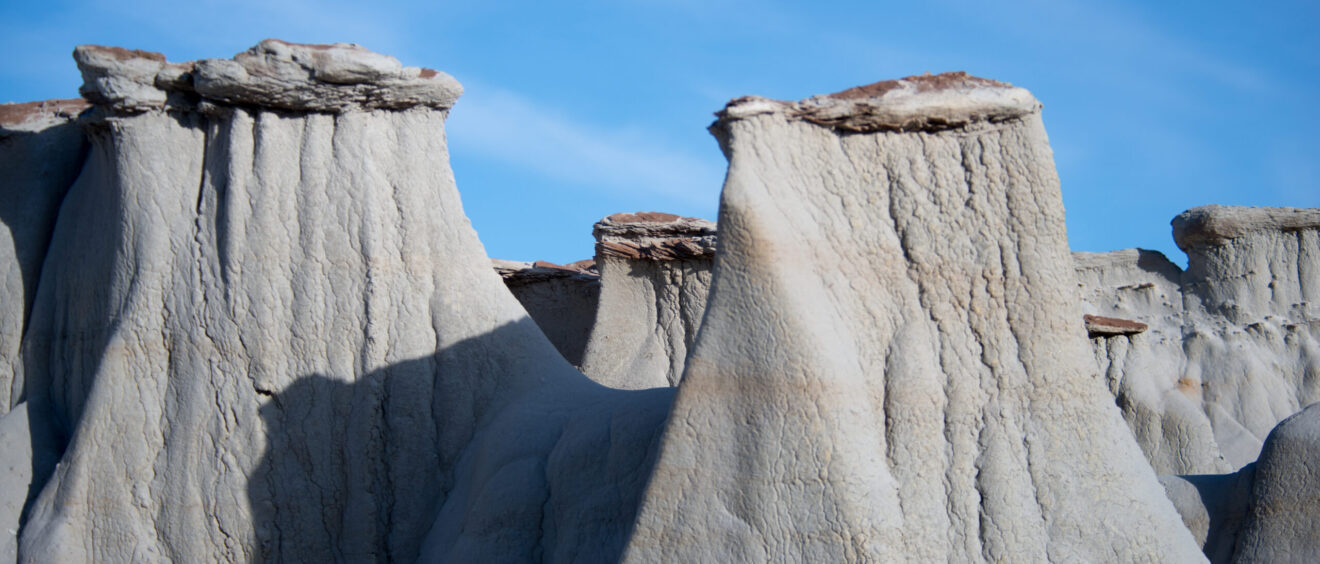
Theodore Roosevelt National Park Theodore Roosevelt National Park preserves a striking badlands landscape in western North Dakota shaped by erosion, sedimentary deposition, and grassland ecology. Layered rock formations, river valleys, and open prairie reflect millions of years of environmental change across the northern Great Plains. The landscape is closely associated with Theodore Roosevelt, whose time […]
Jewel Cave National Monument Jewel Cave National Monument preserves one of the longest cave systems in the world, formed through the gradual dissolution of limestone by groundwater over millions of years. The cave is especially known for its glittering calcite crystals and delicate mineral coatings that line many of its passages, giving the cave its […]
Badlands National Park Badlands National Park preserves a landscape of sharply eroded rock formations shaped by wind and water erosion over millions of years. Layered sedimentary deposits contain fossils from ancient mammals that lived in subtropical environments long before the development of modern grasslands. The terrain illustrates how environmental conditions changed significantly across geological time […]
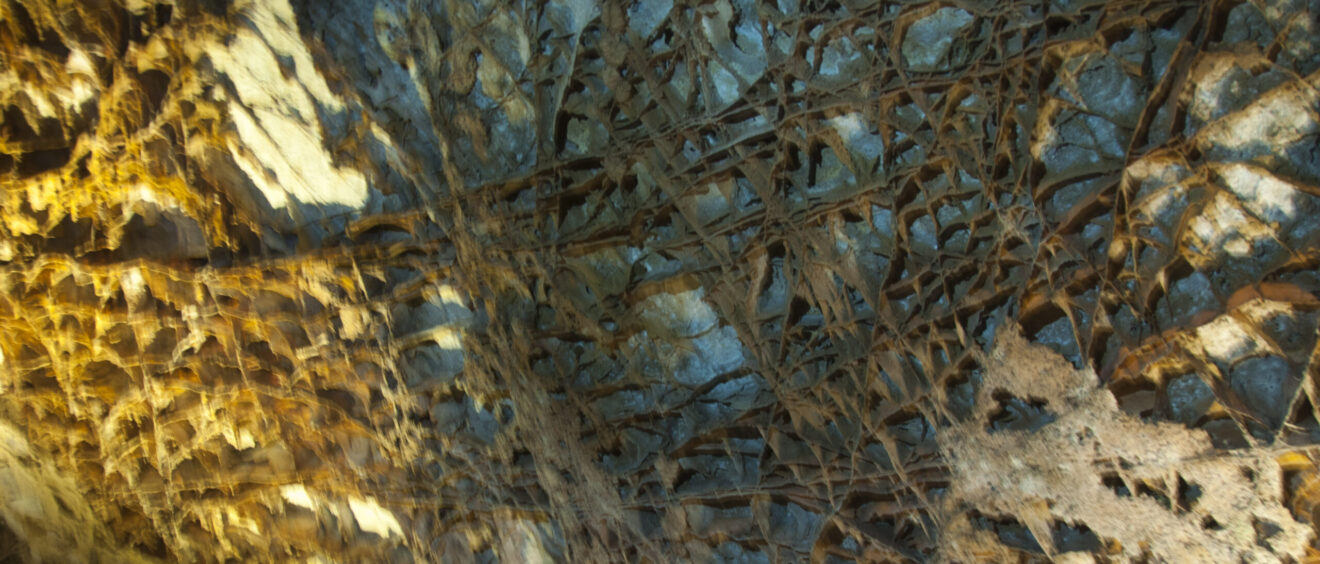
Wind Cave National Park Wind Cave National Park preserves one of the longest cave systems in the world, notable for rare boxwork formations created by mineral deposits within cracks in the limestone bedrock. The cave developed as groundwater dissolved soluble rock layers, gradually forming underground chambers and passageways. Unique mineral structures illustrate geological processes that […]
Black Hills The Black Hills region consists of forested mountains rising above the surrounding Great Plains, formed through geological uplift associated with the Laramide orogeny approximately seventy million years ago. Erosion exposed ancient granite and metamorphic rock formations that contrast with the sedimentary plains surrounding the region. The distinctive topography creates varied ecosystems supporting diverse […]
Mount Rushmore Mount Rushmore National Memorial features monumental sculptures carved into granite rock within the Black Hills of South Dakota. The figures of four United States presidents were created between 1927 and 1941 using drilling and controlled blasting techniques. The site illustrates how natural rock formations have been incorporated into cultural expressions reflecting national identity […]
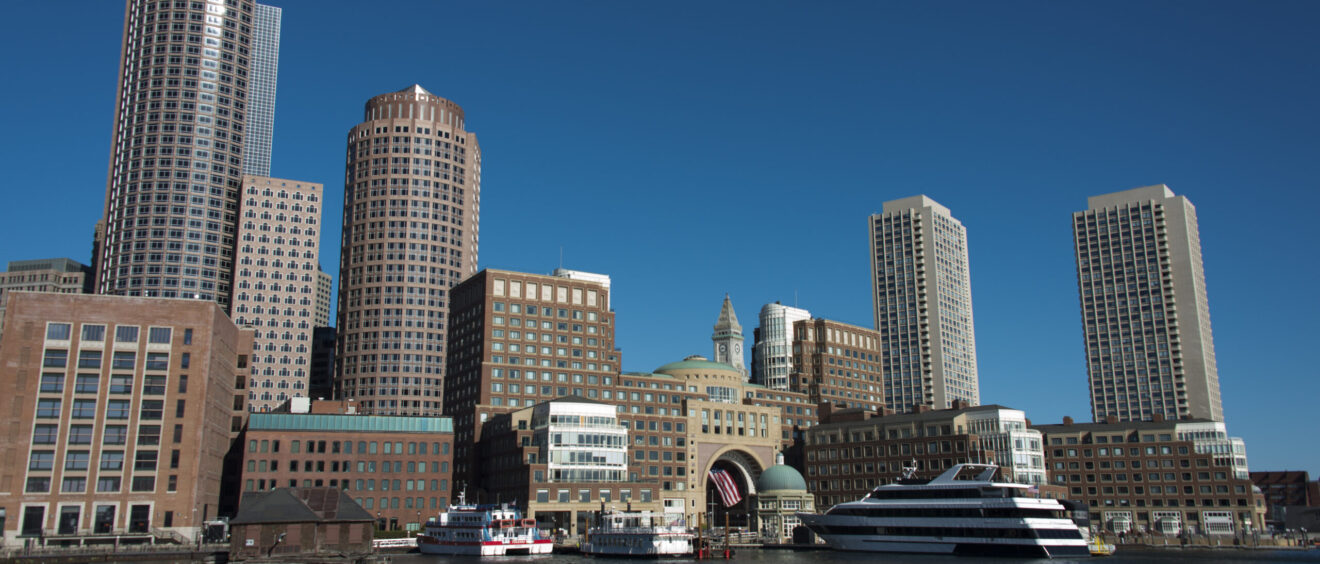
Boston Cheer Boston’s civic identity has long been shaped by public gatherings that reflect the city’s role as a cultural and historical center of New England. The Boston Marathon, first held in 1897, is one of the oldest annual marathons in the world and has become an important symbol of endurance and community participation. Public […]
Washington, DC Washington, DC developed as a planned capital city intended to reflect the political ideals of a newly independent nation through architecture and urban design. Established along the Potomac River between Maryland and Virginia, the city was conceived as a federal district distinct from individual states, symbolizing unity among the original thirteen states. Broad […]
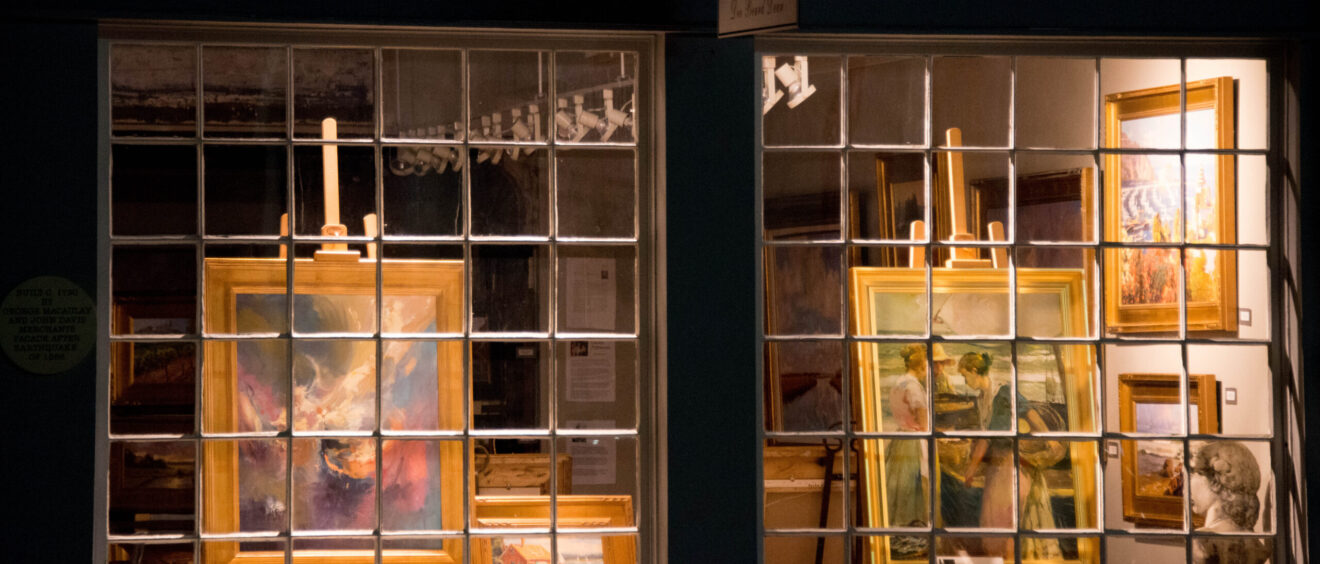
Hidden Charleston Evening conditions reveal additional dimensions of Charleston’s historic urban environment, where artificial lighting emphasizes architectural form and spatial relationships within the preserved historic district. Nighttime photography highlights textures of masonry, ironwork, and narrow streets characteristic of early coastal settlements. Subtle lighting conditions create contrasts between illuminated facades and darker streetscapes, emphasizing architectural details […]