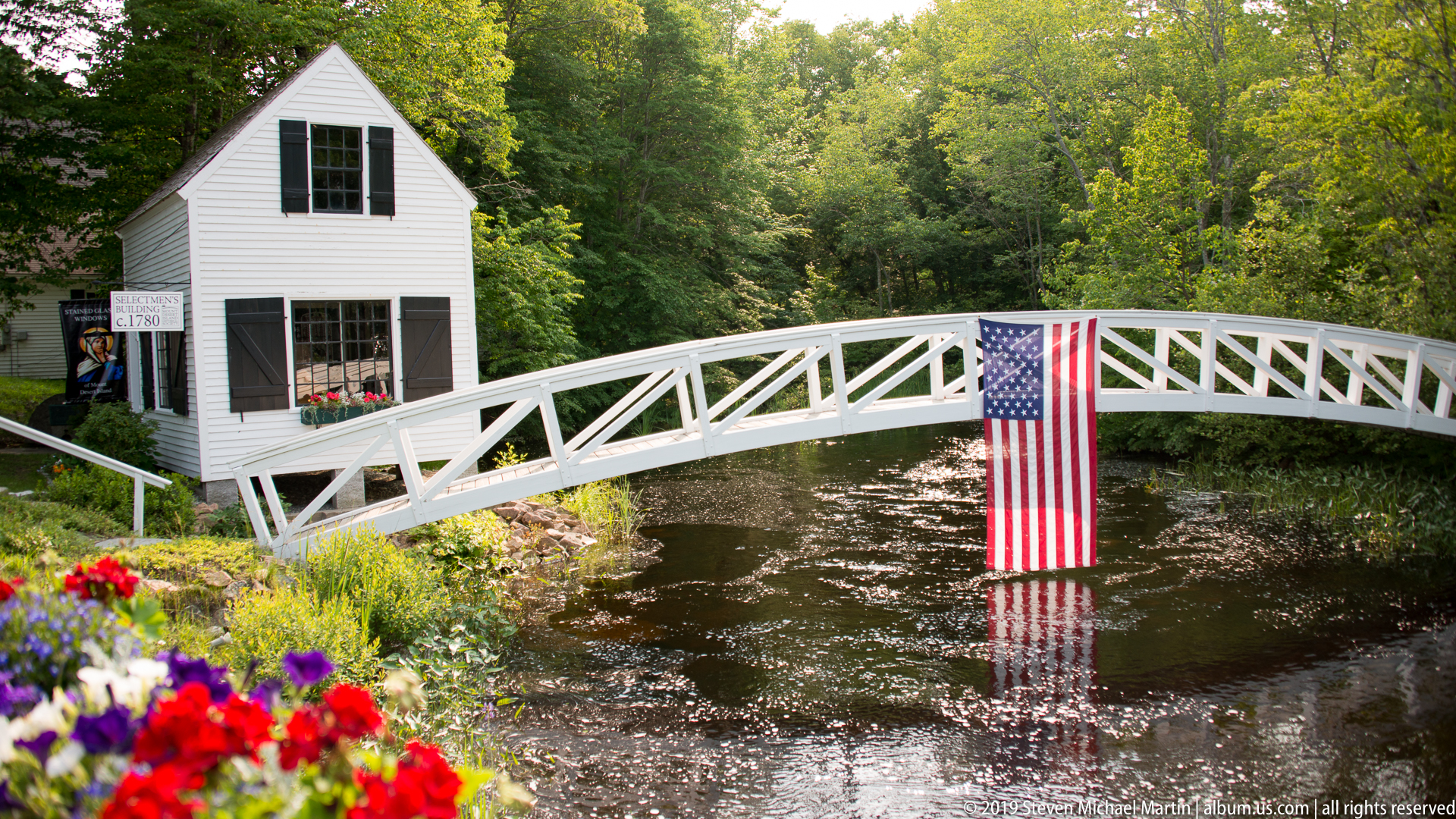
Mount Desert Island Mount Desert Island forms the geographic center of Acadia National Park, where granite mountains rise above the Atlantic shoreline as part of the northern extension of the Appalachian mountain system. The island’s landscape reflects the effects of continental glaciation that carved valleys, exposed resistant bedrock, and shaped the irregular coastline characteristic of […]
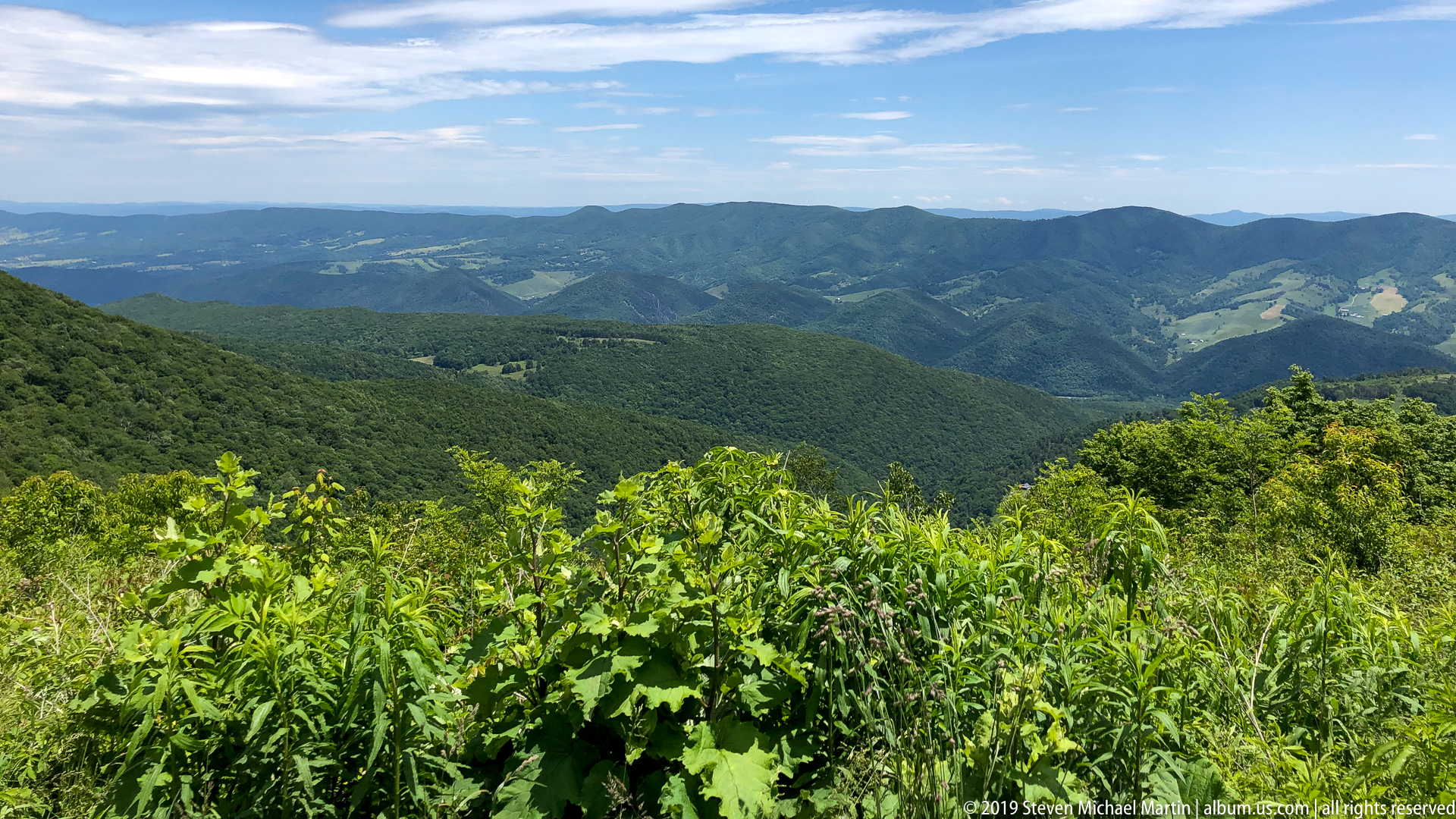
Spruce Knob Spruce Knob forms the highest point in West Virginia, rising above the surrounding Allegheny Mountains within the Monongahela National Forest. The summit reaches an elevation of over 4,800 feet, reflecting the geological processes that shaped the Appalachian Plateau through uplift and erosion over millions of years. The high elevation supports ecosystems influenced by […]
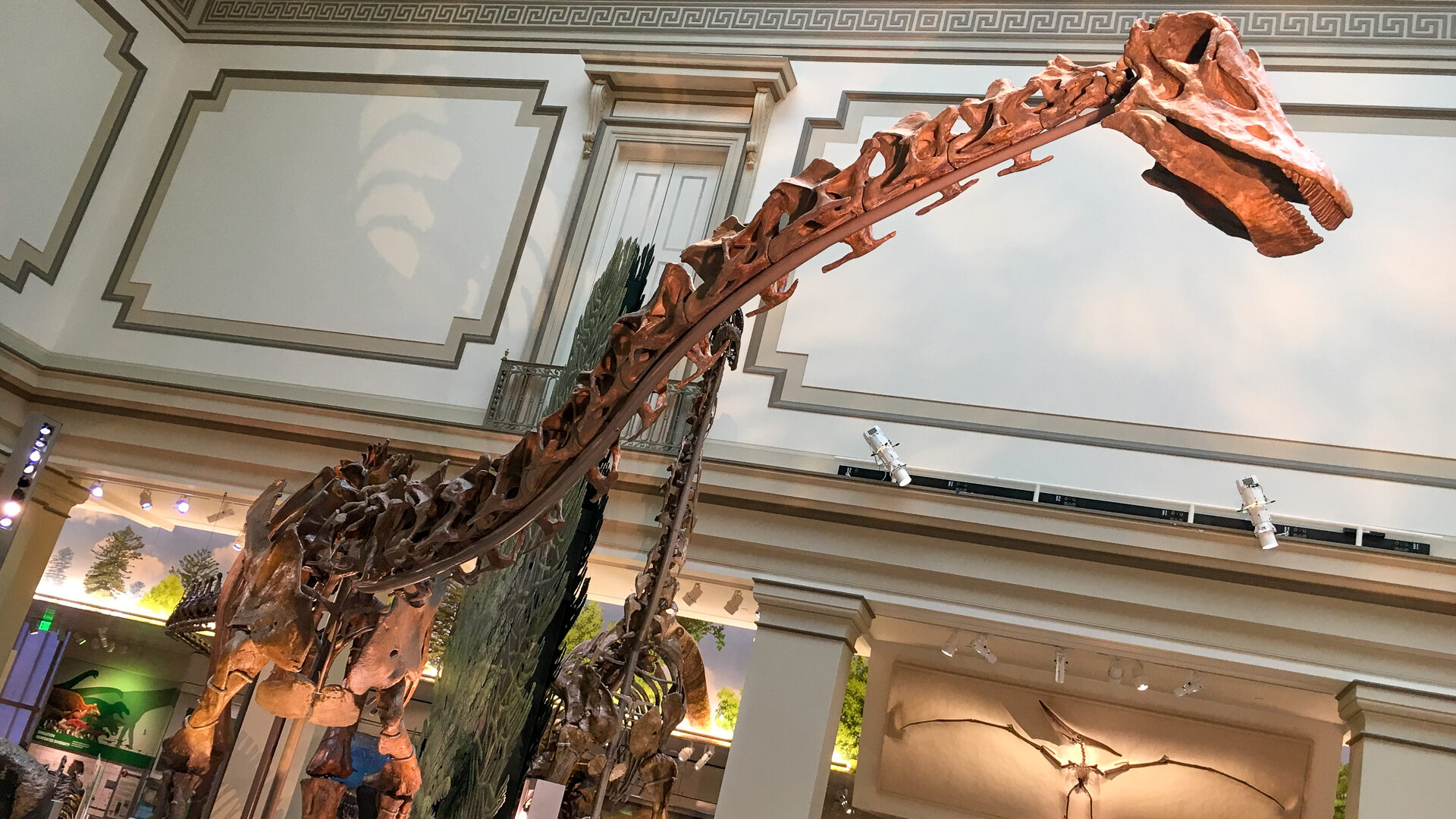
Dinosaurs at the National Museum of Natural History The National Museum of Natural History occupies a prominent position on the National Mall as part of the Smithsonian Institution’s research and educational mission dedicated to understanding the natural world. Opened in 1910, the museum reflects early twentieth-century efforts to expand scientific knowledge through public exhibition and […]
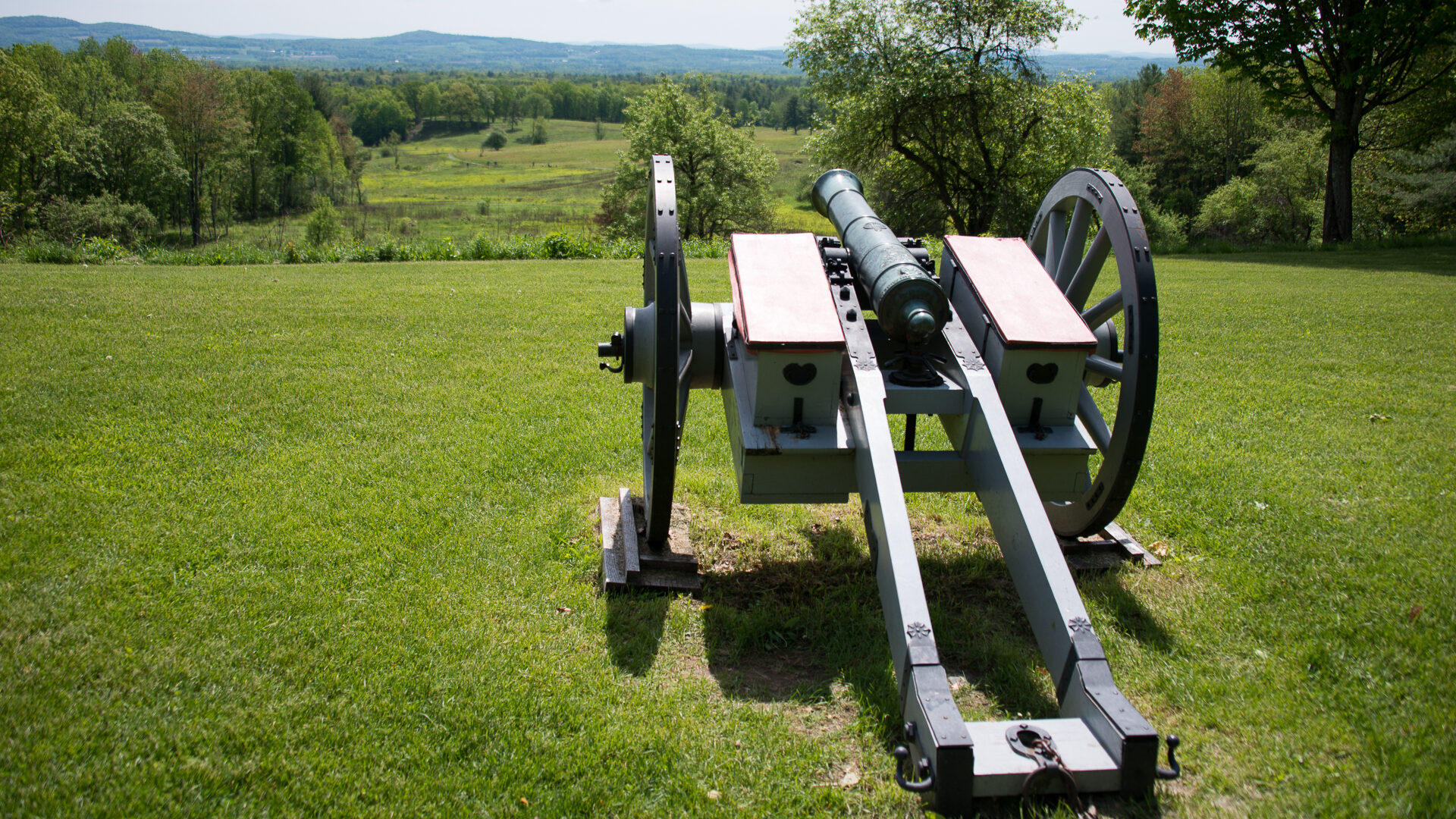
Saratoga National Historical Park Saratoga National Historical Park preserves the site of the Battles of Saratoga, one of the most consequential turning points of the American Revolutionary War. In the autumn of 1777, American forces defeated and compelled the surrender of British General John Burgoyne’s army, a victory that demonstrated the viability of the revolutionary […]
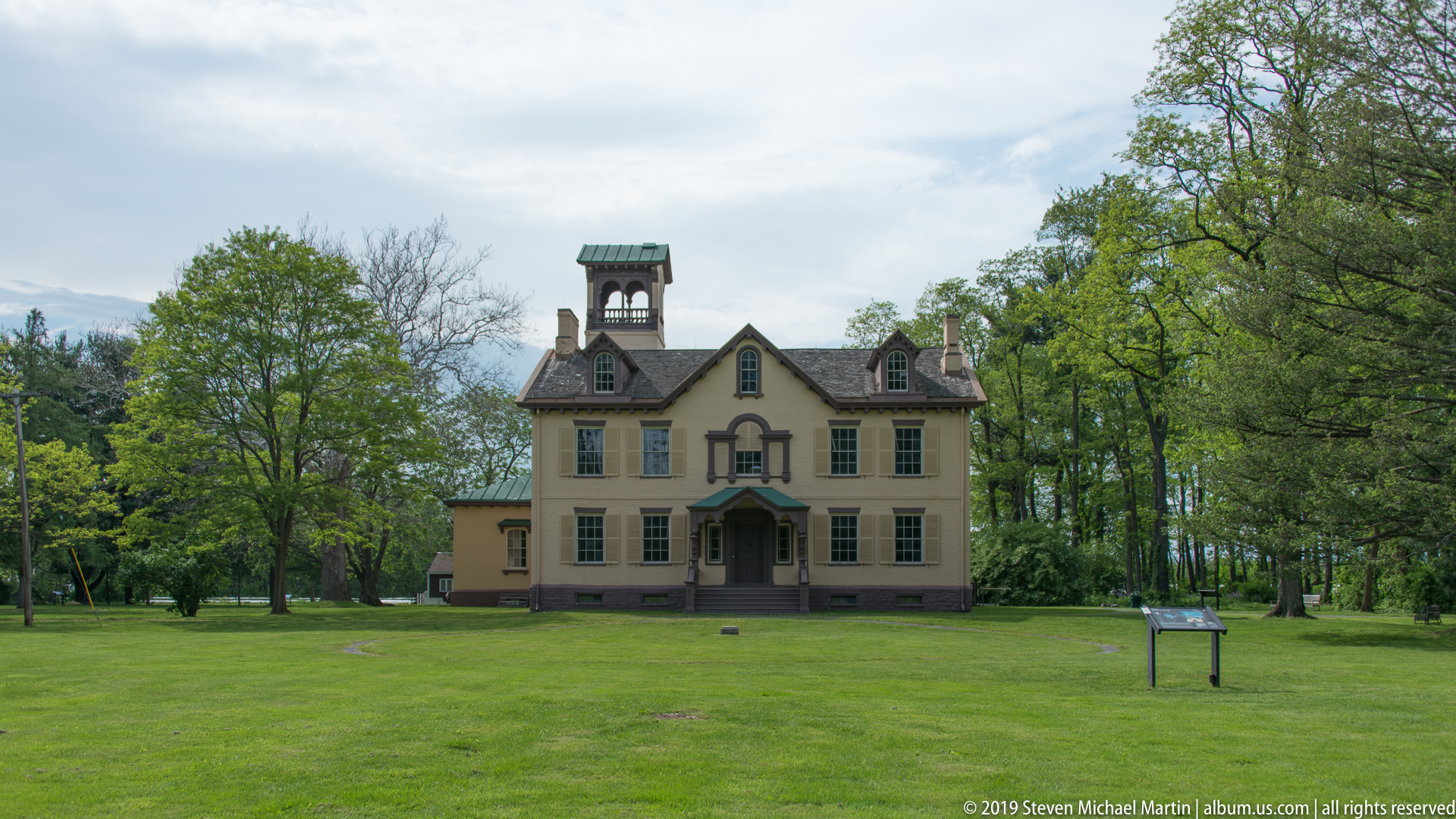
Martin Van Buren National Historic Site Martin Van Buren National Historic Site preserves Lindenwald, the estate of the eighth president of the United States and one of the principal architects of the modern American political party system. Located in Kinderhook, New York, the property served as Van Buren’s home from 1841 until his death in […]
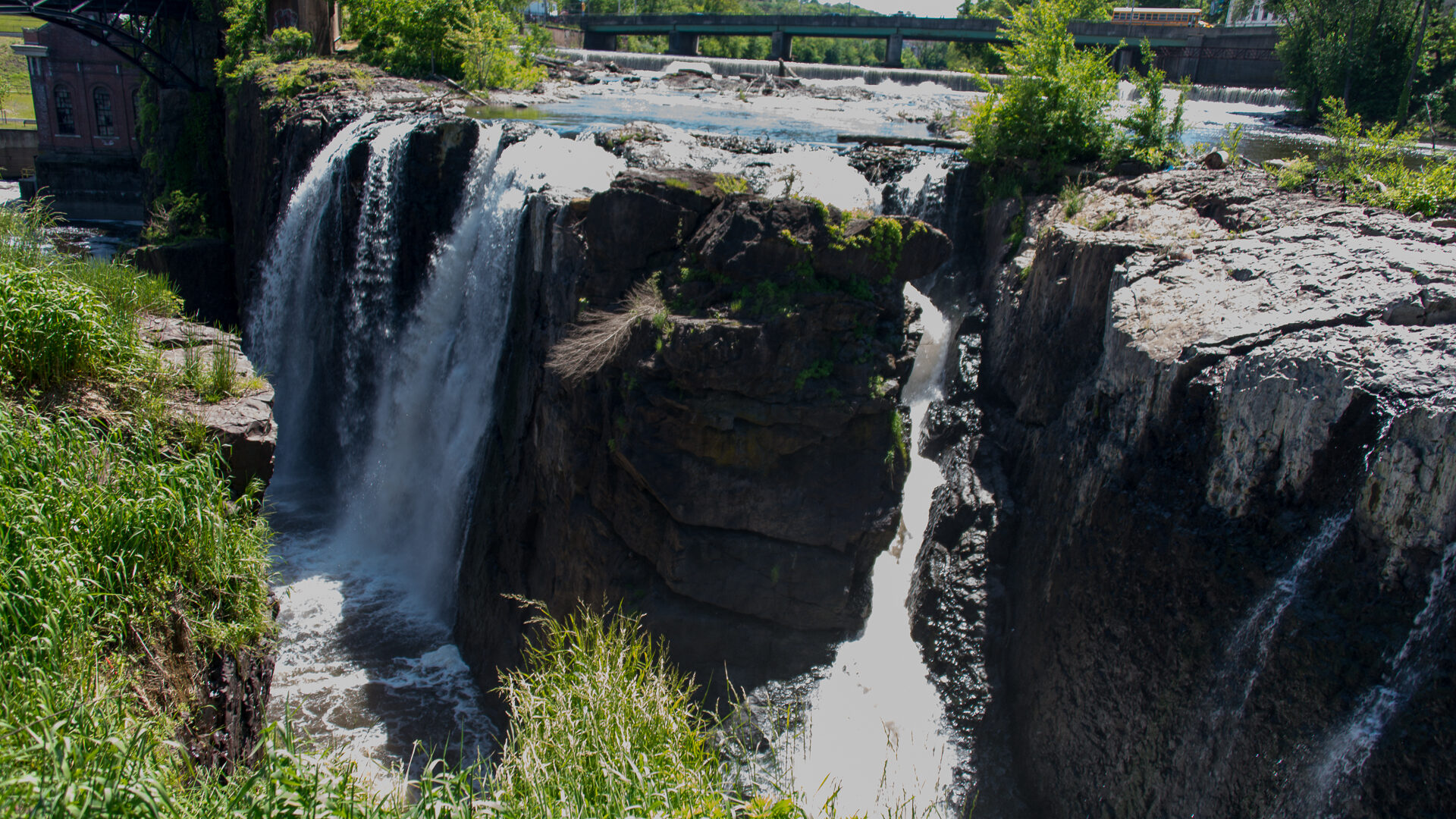
Paterson The city of Paterson developed as one of the earliest planned industrial centers in the United States, reflecting efforts during the early republic to establish domestic manufacturing independent from European production. Founded in 1791 under the direction of Alexander Hamilton’s Society for Establishing Useful Manufactures, the city harnessed the power of the Great Falls […]
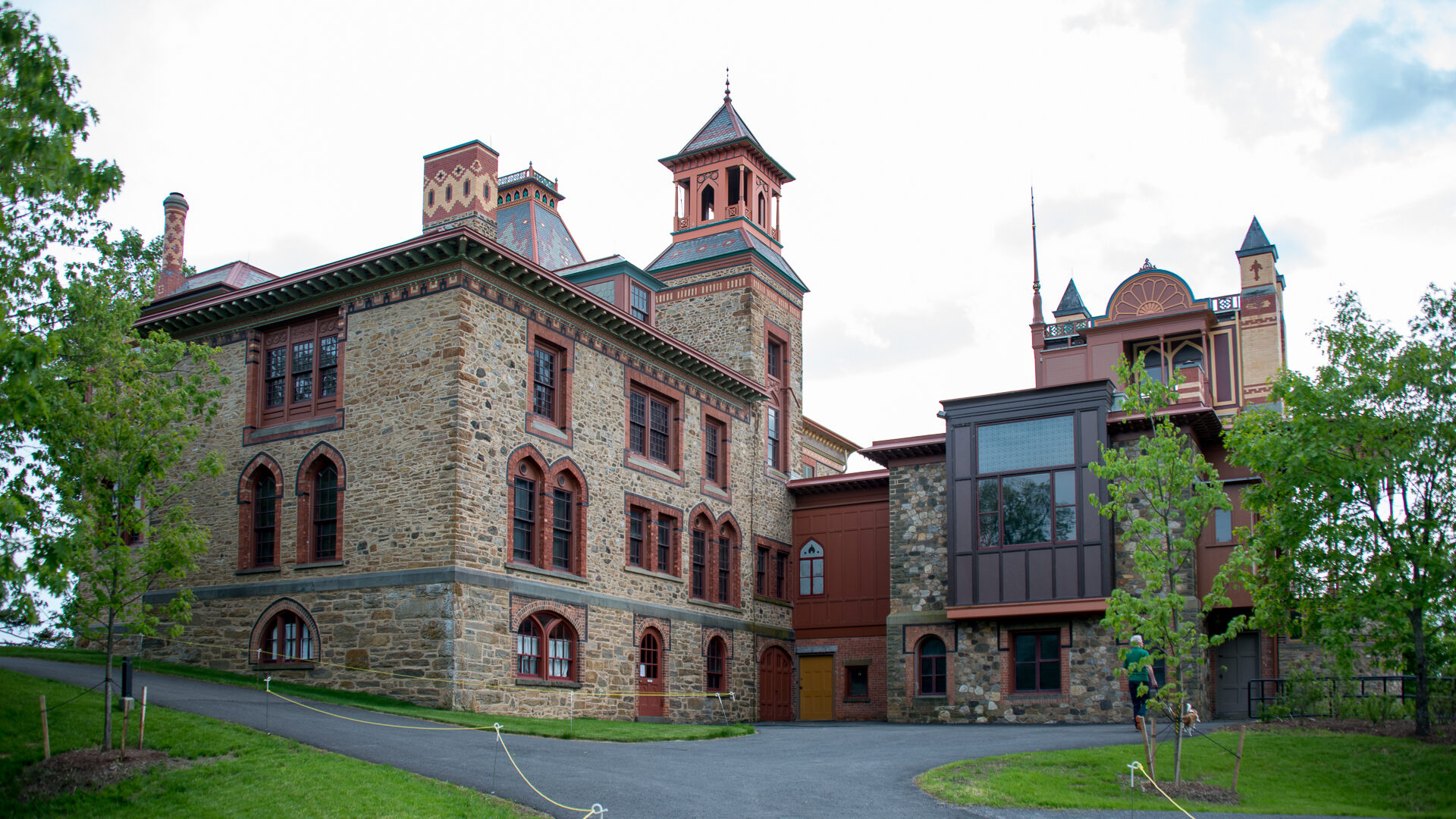
Olana State Historic Site Olana State Historic Site preserves the home and designed landscape of Frederic Edwin Church, one of the leading figures of the Hudson River School and a student of Thomas Cole. Located on a hill overlooking the Hudson River Valley, the estate reflects Church’s interest in combining architecture, landscape design, and artistic […]
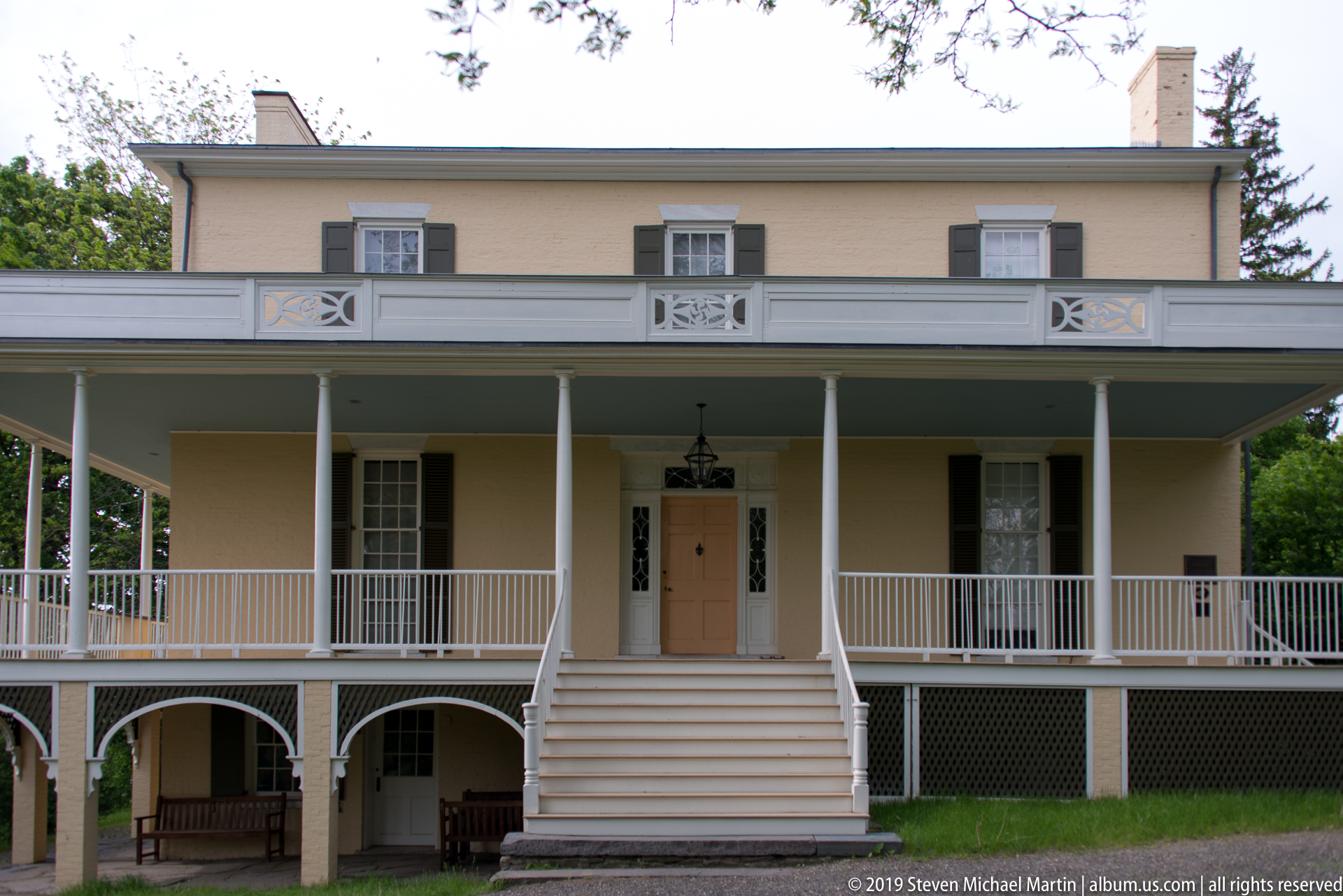
Thomas Cole National Historic Site Thomas Cole National Historic Site preserves the home and studio of Thomas Cole, founder of the Hudson River School, the first major artistic movement in the United States devoted to landscape painting. Located in Catskill, New York, the site provided Cole with both residence and artistic setting from 1833 until […]
First State National Historical Park First State National Historical Park preserves landscapes associated with early European settlement, colonial governance, and the political developments that led to the formation of the United States. Located primarily in Delaware with portions extending into Pennsylvania, the park reflects the strategic importance of the Delaware Valley as a corridor for […]
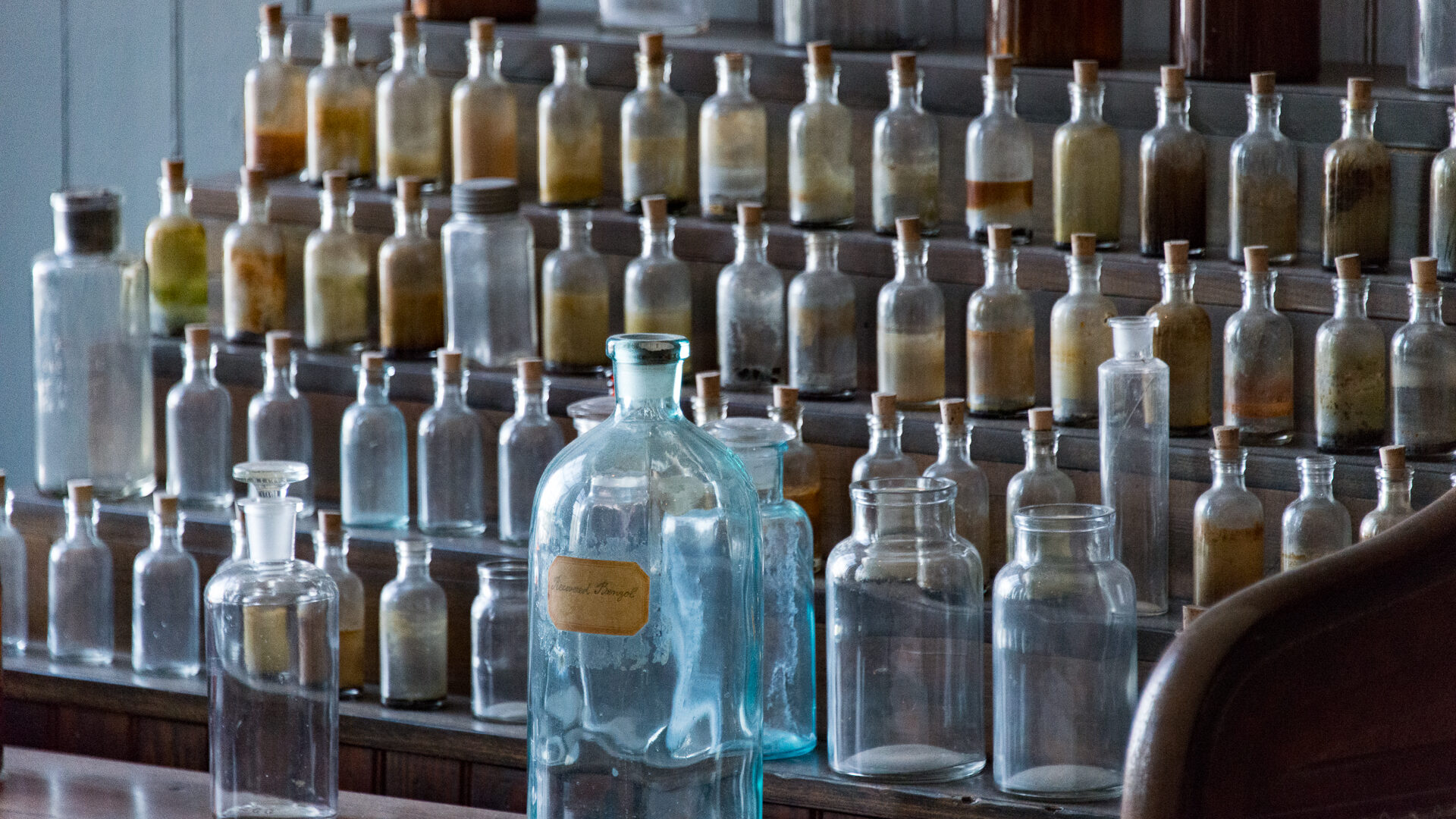
Thomas Edison National Historical Park Thomas Edison National Historical Park preserves the laboratory and residence of one of the most influential inventors of the modern era. Located in West Orange, New Jersey, the site represents the transition from individual experimentation to organized industrial research, a development that reshaped technological innovation in the late nineteenth century. […]