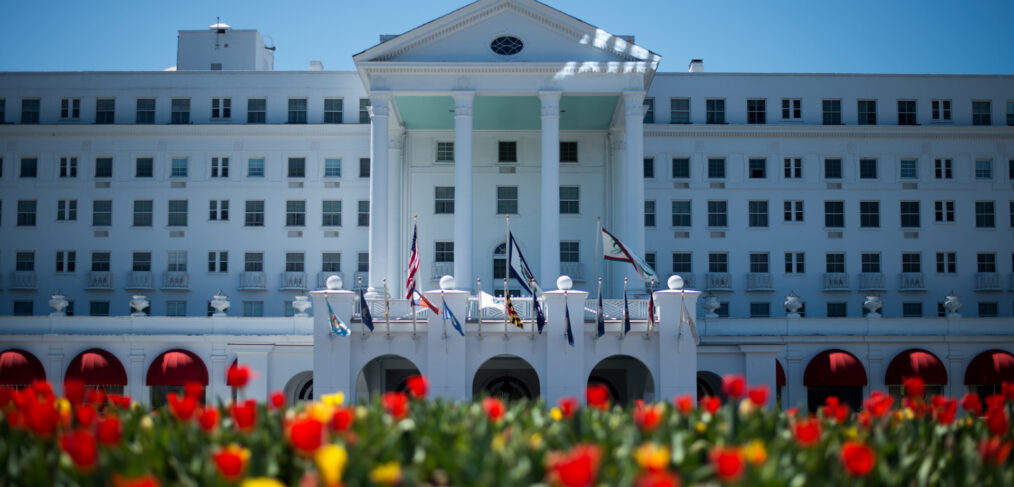
The Greenbrier The Greenbrier developed around natural mineral springs in the Allegheny Mountains, where visitors have traveled since the eighteenth century to experience the perceived therapeutic qualities of sulphur water. The resort landscape reflects longstanding traditions of health tourism in which natural springs influenced patterns of travel and settlement in mountainous regions. Early development of […]

The Homestead Resort The Homestead Resort developed in the Allegheny Mountains of western Virginia around a series of natural hot springs that have attracted visitors for centuries. The mineral springs were known to Indigenous communities long before European settlement, and by the late eighteenth century the area had become a destination associated with health, leisure, […]
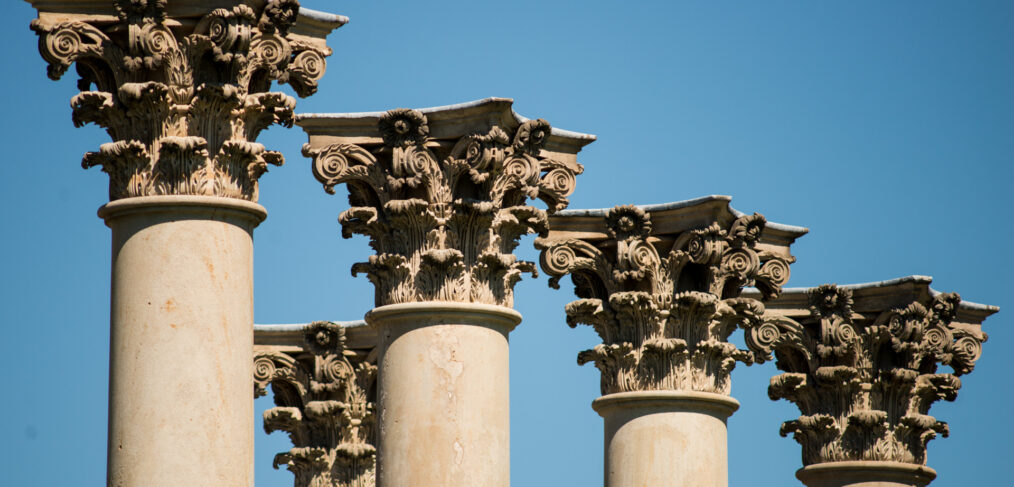
National Capitol Columns The National Capitol Columns stand within the United States National Arboretum as architectural remnants of the east portico of the United States Capitol, originally constructed in 1828 as part of the building’s early expansion. When the Capitol dome and wings were enlarged in the mid-nineteenth century, the original sandstone columns were removed […]
Chesapeake and Ohio Canal National Historical Park and Cumberland The Chesapeake and Ohio Canal reflects early nineteenth-century efforts to establish reliable transportation routes linking the interior of the United States with Atlantic ports. Construction began in 1828 with the goal of creating a navigable waterway extending from Washington, DC to the Ohio River, facilitating trade […]
Washington, DC Cherry Blossoms The flowering cherry trees of Washington, DC form one of the most recognizable seasonal landscapes in the United States, surrounding the Tidal Basin and extending throughout the monumental core of the federal city. The trees were presented in 1912 as a diplomatic gift from Japan, symbolizing cultural exchange and international friendship […]
George Washington National Forest — Elizabeth Furnace The Elizabeth Furnace area of George Washington National Forest preserves the remains of a nineteenth-century iron furnace set within the forested landscape of the Shenandoah Valley. Established in 1836, the furnace used locally mined iron ore, limestone, timber, and waterpower from Passage Creek to produce pig iron that […]
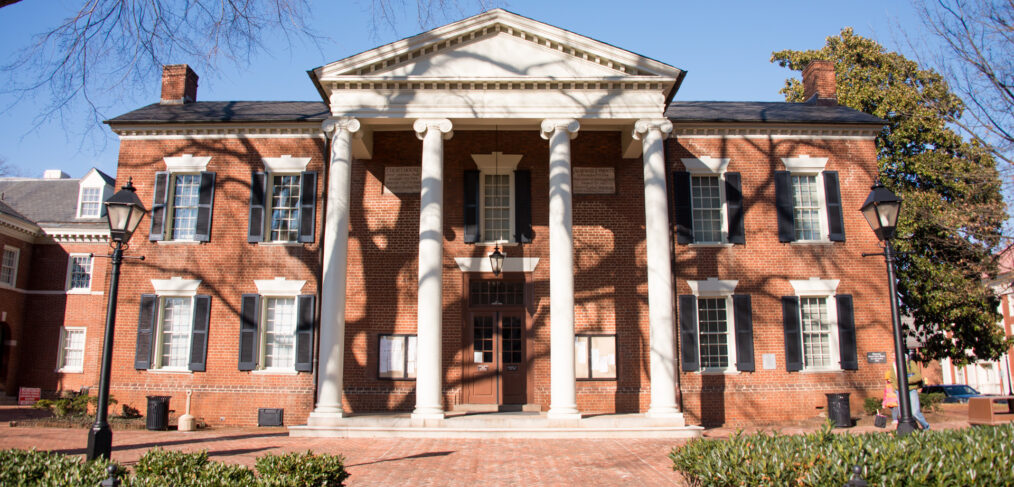
Charlottesville and Staunton The cities of Charlottesville and Staunton developed along important transportation corridors linking the Virginia Piedmont with the Shenandoah Valley, where fertile agricultural land and mountain passes supported early settlement and trade. Charlottesville emerged along the historic Three Notched Road, connecting inland farms with markets to the east, while Staunton functioned as an […]
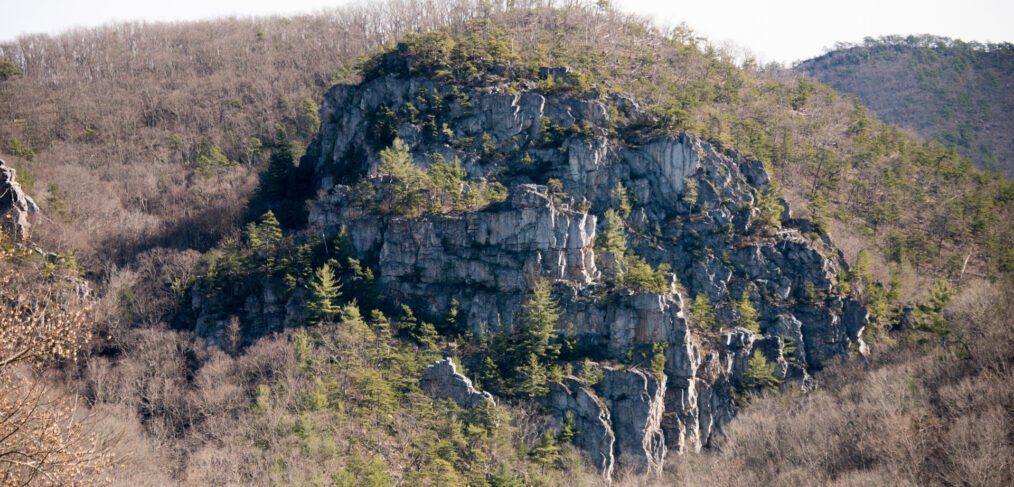
Seneca Rocks Seneca Rocks rises dramatically above the surrounding valley as a ridge of erosion-resistant quartzite that forms one of the most distinctive geological landmarks in the Appalachian Mountains. The rock formation reaches nearly nine hundred feet above the surrounding landscape, reflecting the folding and uplift that shaped the Allegheny Mountains during the formation of […]
Fort Bowie National Historic Site Fort Bowie preserves the remains of a military installation established during the nineteenth century to support transportation routes across southeastern Arizona. The fort was positioned near Apache Pass, a location where water sources influenced travel through desert terrain. The site reflects the strategic importance of reliable water access in arid […]
Blackwater Falls State Park Blackwater Falls State Park protects a section of the Allegheny Mountains where the Blackwater River descends over resistant sandstone ledges, forming one of the most recognizable waterfalls in West Virginia. The amber color of the river reflects tannins released from fallen hemlock and red spruce needles, illustrating the influence of forest […]