
 52 portfolios
Exploring the United States
The United States occupies a large portion of the North American continent and contains one of the most geographically diverse collections of landscapes in the world. Mountain systems including the Appalachian Mountains in the east and the Rocky Mountains in the west frame broad interior plains shaped by major river systems such as the Mississippi, Missouri, and Colorado. Coastlines along the Atlantic and Pacific Oceans support marine ecosystems influenced by ocean currents and climate patterns, while interior deserts, forests, wetlands, and alpine environments reflect variations in elevation, latitude, and precipitation across the continent.
The Northeast and Mid-Atlantic regions preserve landscapes shaped by early settlement and coastal maritime environments, where historic cities and cultural institutions developed along Atlantic trade routes. Sites such as Independence Hall, the Statue of Liberty, and early colonial settlements illustrate the political and economic foundations of the United States, while coastal environments demonstrate the ecological relationship between marine climate and forested shorelines.
The Southeast contains wetlands, barrier islands, and river systems shaped by humid subtropical climate patterns. Protected landscapes including Congaree National Park, Jean Lafitte National Historical Park and Preserve, and coastal environments near Charleston illustrate ecological diversity shaped by high rainfall and proximity to the Atlantic Ocean and Gulf of Mexico. Cultural landscapes in cities such as New Orleans and Charleston reflect the interaction of European, African, and Indigenous traditions across several centuries of settlement.
The interior Plains and Midwest regions preserve extensive grasslands and river valleys influenced by continental climate patterns. Agricultural landscapes developed across fertile soils formed through glacial deposition and long-term sediment accumulation, while historic sites associated with westward expansion reflect the role of transportation routes connecting eastern population centers with the Rocky Mountains and Pacific coast.
Mountain environments preserved within the Rockies illustrate tectonic uplift and glaciation associated with formation of the North American Cordillera. High elevation ecosystems in Rocky Mountain National Park, Grand Teton National Park, and surrounding public lands demonstrate the ecological influence of elevation gradients on alpine forests and subalpine meadows. Volcanic landscapes of the Pacific margin extend northward through the Northwest, where glacier-covered peaks such as Mount Rainier National Park and rugged alpine terrain within North Cascades National Park illustrate ongoing geological processes associated with plate tectonics.
The Southwest contains some of the most visually distinctive landscapes in North America, where erosion of sedimentary rock has created canyons, mesas, and desert basins shaped by arid climate conditions. Sites including Grand Canyon National Park, Canyonlands National Park, Joshua Tree National Park, and Big Bend National Park illustrate the combined influence of erosion, tectonic uplift, and long-term climate variation across the Colorado Plateau and Basin and Range Province.
Coastal environments along the Pacific margin illustrate the ecological transition between ocean and land. Offshore formations protected within California Coastal National Monument, marine environments at Point Reyes National Seashore, and temperate rainforest ecosystems preserved in Olympic National Park demonstrate the interaction between ocean currents, climate, and biodiversity across the Pacific coast. Inland deserts and valleys such as Death Valley National Park illustrate extreme variations in temperature and precipitation that occur across relatively short geographic distances in the western United States.
Cultural landscapes throughout the United States reflect patterns of Indigenous settlement, European exploration, industrial development, and conservation efforts spanning several centuries. Historic sites such as Lewis and Clark National Historical Park, Fort Vancouver National Historic Site, and San Antonio Missions National Historical Park illustrate the evolving relationship between people and the natural environment across the continent. Architectural and cultural institutions including Hearst Castle and Getty Villa further demonstrate the diversity of historical influences shaping the built environment.
Together, these regional landscapes illustrate the geographic breadth of the United States, where coastal environments, mountain ranges, deserts, forests, wetlands, and historic sites contribute to one of the most extensive and diverse systems of protected lands in the world.
52 portfolios 134 portfolios
Mid-Atlantic
Exploring the Mid-Atlantic The Mid-Atlantic region occupies a transitional zone between the northeastern and southeastern United States, where coastal plains, […]
Explore Section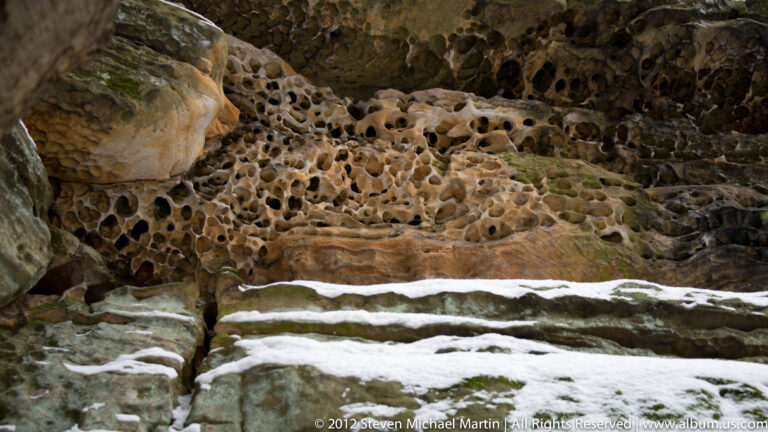 22 portfolios
Midwest
Exploring the Midwest The Midwestern United States occupies the broad interior plain between the Appalachian Mountains and the Great Plains, […]
Explore Section 96 portfolios
Northeast
Exploring the Northeast The northeastern United States occupies a historically significant region where Atlantic coastal landscapes, navigable rivers, and early […]
Explore Section 14 portfolios
Plains
The Plains The Plains region occupies the broad interior of North America, where expansive grasslands, river systems, and transitional forest […]
Explore Section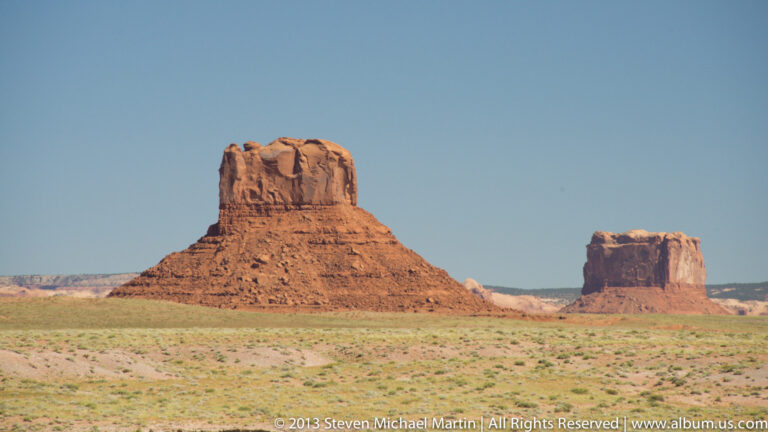 69 portfolios
Rockies
Exploring the Rockies The Rocky Mountains form the central mountainous spine of western North America, extending from the high plains […]
Explore Section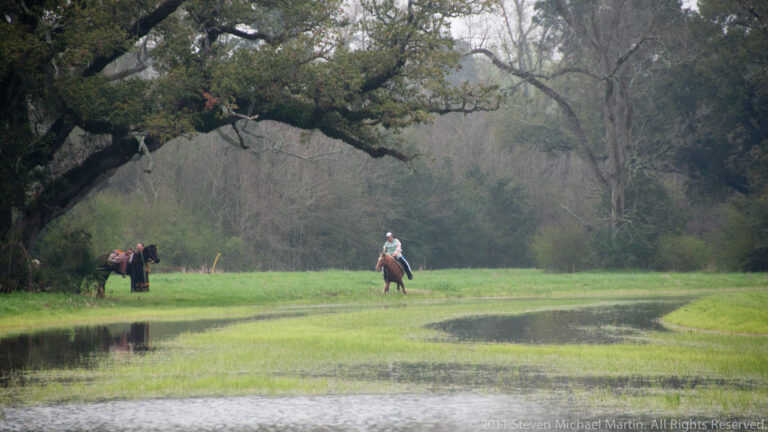 75 portfolios
Southeast
Exploring the Southeast The southeastern United States extends from the Appalachian Mountains to the Atlantic and Gulf coastal plains, encompassing […]
Explore Section 43 portfolios
Southwest
Exploring the Southwest The American Southwest encompasses a landscape shaped by tectonic uplift, volcanic activity, and long-term erosion across desert […]
Explore Section 87 portfolios
West
Exploring the Northwest The Pacific Northwest occupies the northwestern corner of the United States along the Pacific margin, where tectonic […]
Explore Section