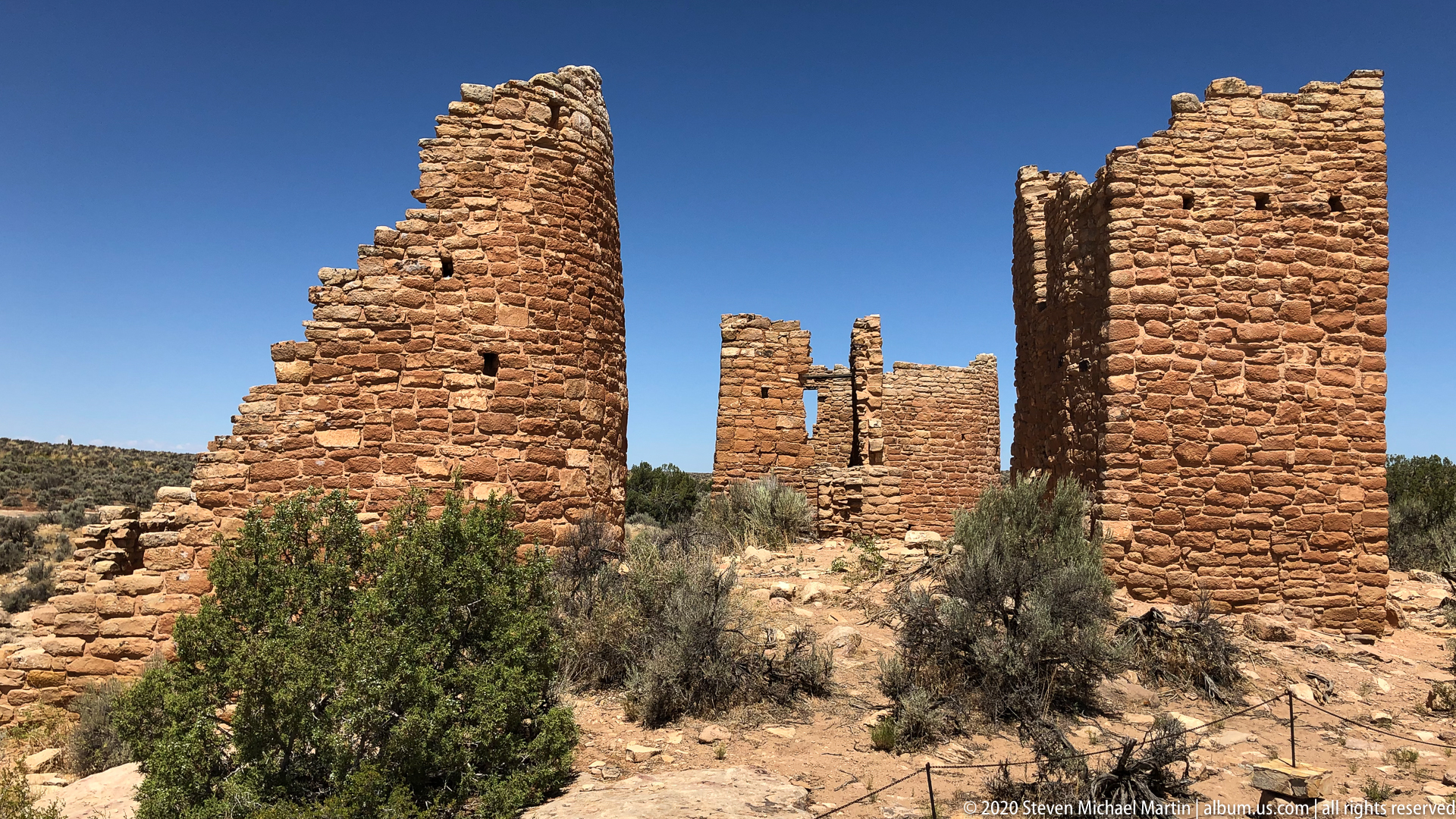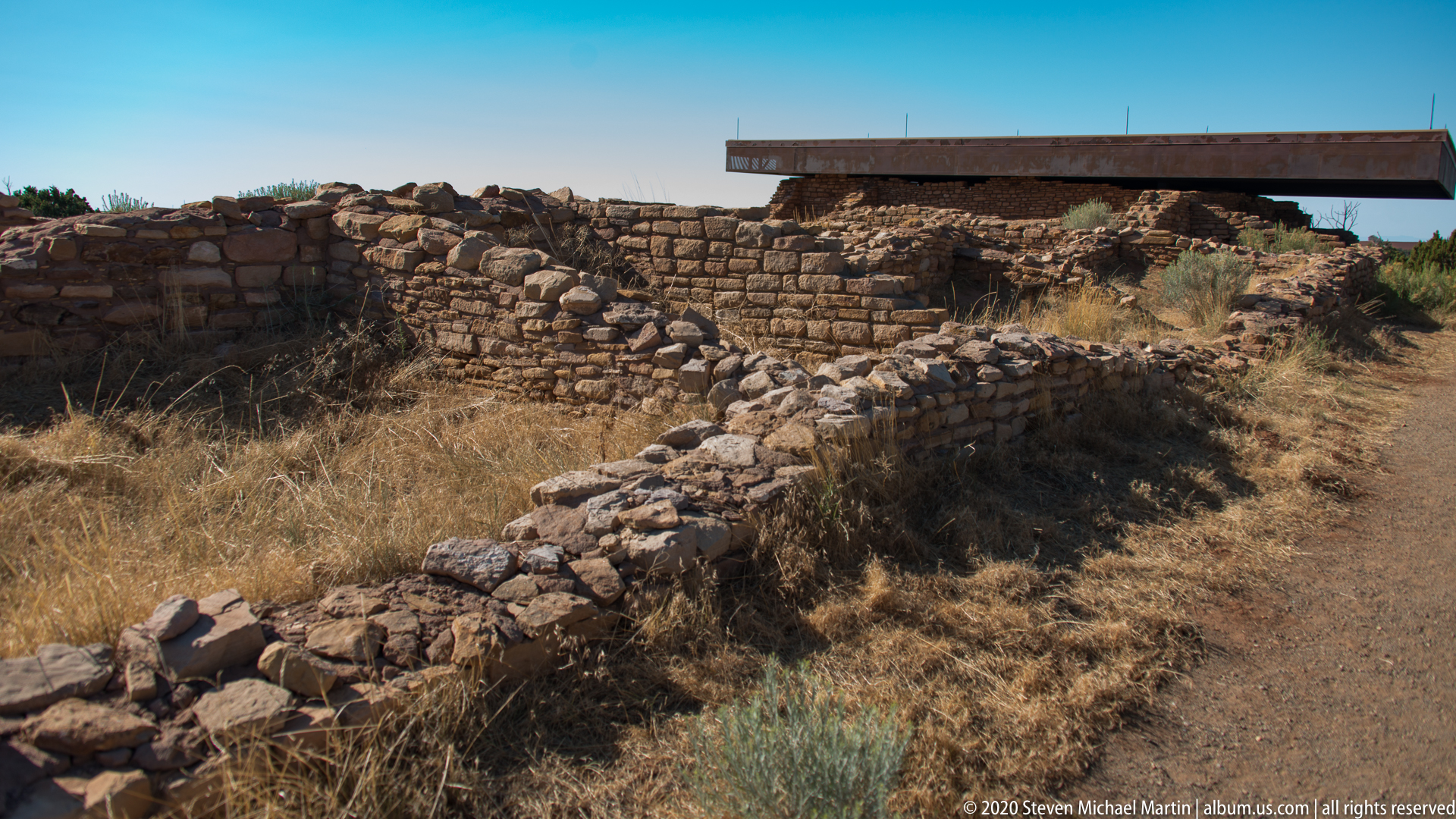
Hovenweep National Monument Hovenweep National Monument preserves a series of ancestral Puebloan sites distributed across canyon heads and mesa edges in the Four Corners region. The stone towers and masonry structures reflect a distinctive pattern of settlement that combined defensive positioning, community organization, and adaptation to arid environmental conditions. The monument illustrates the close relationship […]
Canyons of the Ancients National Monument Canyons of the Ancients National Monument preserves one of the highest concentrations of archaeological sites in the United States, reflecting the long cultural history of ancestral Puebloan communities across the Four Corners region. The landscape includes canyon systems, mesas, and plateau environments shaped by erosion acting upon sedimentary rock […]
Natural Bridges National Monument Natural Bridges National Monument preserves three large natural bridges formed through erosion acting upon sandstone canyon walls. Unlike arches formed primarily through weathering, these bridges were created by flowing water that gradually carved openings through rock layers. The formations demonstrate the influence of river systems on the development of distinctive geological […]
Monument Valley and San Juan River Monument Valley preserves one of the most recognizable desert landscapes of the Colorado Plateau, defined by towering sandstone buttes rising above broad valley terrain. The formations were shaped through erosion acting upon uplifted sedimentary rock layers deposited millions of years ago. The San Juan River flows through portions of […]
North Rim – Grand Canyon National Park The North Rim of Grand Canyon National Park provides elevated views into one of the most recognizable canyon systems in the world. The canyon was formed by long-term erosion of uplifted sedimentary rock layers by the Colorado River, exposing geological strata that record hundreds of millions of years […]
Heart of the Cockscomb – Grand Staircase–Escalante National Monument The Cockscomb formation represents a dramatic geologic feature created by compressional forces that tilted sedimentary rock layers into a steep monocline. The Heart of the Cockscomb lies within this folded landscape and illustrates the structural deformation that shaped portions of the Colorado Plateau. The tilted rock […]
Cottonwood Narrows – Grand Staircase–Escalante National Monument Cottonwood Narrows preserves a narrow slot canyon environment formed through erosion acting upon sandstone layers within Grand Staircase–Escalante National Monument. The canyon’s confined passage illustrates how seasonal water flow gradually carved through relatively soft rock, creating smooth walls and winding corridors. The resulting formation demonstrates the influence of […]
Kodachrome Basin State Park Kodachrome Basin State Park preserves a landscape of sedimentary spires, colorful rock formations, and open desert terrain shaped by erosion across the Colorado Plateau. The park’s sandstone chimneys rise from the valley floor, creating vertical features that illustrate variations in rock hardness and weathering patterns. The formations demonstrate geological processes similar […]
Rainbow Point Trail – Bryce Canyon National Park Rainbow Point Trail provides access to high elevation viewpoints overlooking the amphitheater formations of Bryce Canyon National Park. The landscape is defined by densely clustered hoodoos formed through differential erosion of sedimentary rock layers. Freeze-thaw cycles contribute to the gradual shaping of these vertical rock forms, producing […]
Cedar Breaks National Monument Cedar Breaks National Monument preserves a natural amphitheater carved into the western edge of the Markagunt Plateau in southern Utah. The formation exposes layers of limestone and sandstone shaped by erosion acting upon uplifted sedimentary rock. The resulting amphitheater reveals a landscape filled with colorful rock formations that illustrate long-term geological […]