Olympic National Park — Totem Poles Totem poles found within the Olympic Peninsula region illustrate the artistic traditions of Indigenous cultures of the Pacific Northwest. Carved cedar poles depict symbolic figures representing lineage, stories, and cultural identity. The placement of these works within forest environments reflects the connection between artistic expression and the surrounding landscape. […]
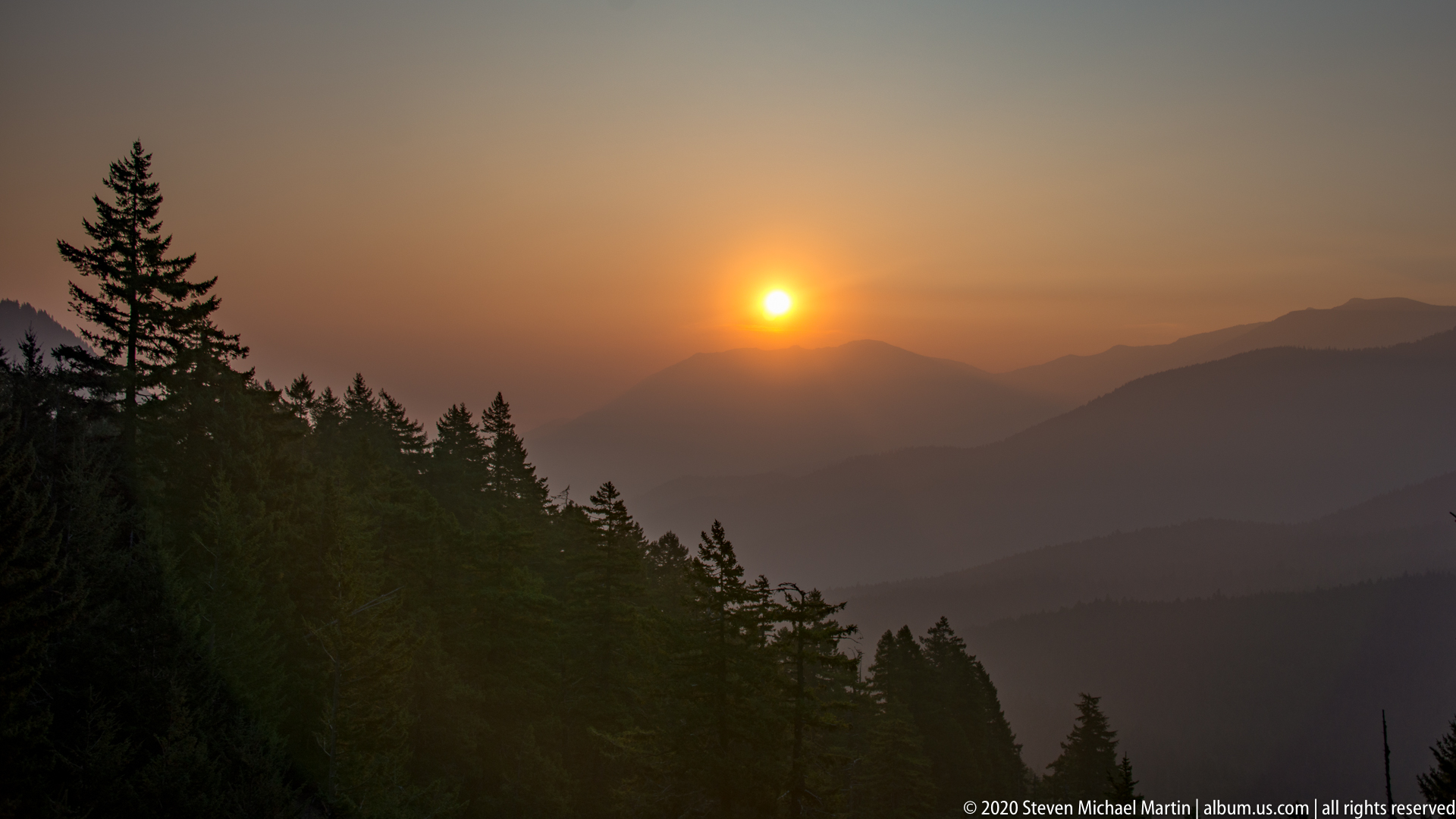
Olympic National Park — Hurricane Ridge Hurricane Ridge offers one of the most accessible high elevation viewpoints within Olympic National Park. The location provides wide views across the Olympic Mountain range, where glacially shaped ridges extend in multiple directions. Changing weather conditions often produce shifting light patterns across the landscape. The surrounding terrain includes alpine […]
National Mall and Memorial Parks National Mall and Memorial Parks is an administrative unit of the National Park Service that preserves many of the most significant commemorative landscapes in Washington, DC. Established in 1965 as part of the National Park System, the park unit encompasses more than one thousand acres of historically significant public space, […]
Green Springs National Historic Landmark District The Green Springs National Historic Landmark District preserves a largely intact agricultural landscape in Virginia’s Piedmont region, where historic farmsteads, manor houses, and rural roadways reflect patterns of land use dating to the eighteenth and nineteenth centuries. The district encompasses thousands of acres of cultivated fields, woodlands, and historic […]
Crabtree Falls Crabtree Falls descends along the eastern slopes of the Blue Ridge Mountains, forming one of the tallest waterfall systems in Virginia as a series of cascades shaped by long-term erosion of resistant rock formations. The falls follow the course of Crabtree Creek as it moves down steep mountain terrain, illustrating the hydrological processes […]
Alpine Meadows – Rocky Mountain National Park Alpine meadows within Rocky Mountain National Park preserve high elevation tundra environments shaped by cold temperatures, strong winds, and short growing seasons. Vegetation in these areas adapts to harsh climatic conditions, producing low-growing plants that can survive exposure to snow and wind. The meadows illustrate the ecological influence […]
Rocky Mountain National Park Rocky Mountain National Park preserves a high elevation landscape defined by rugged peaks, alpine lakes, and glacially shaped valleys. The park contains portions of the Continental Divide and illustrates geological processes associated with mountain uplift and glaciation. The dramatic terrain reflects millions of years of tectonic forces that raised the Rocky […]
Browns Canyon National Monument Browns Canyon National Monument preserves a rugged river corridor along the Arkansas River characterized by granite cliffs, forested slopes, and high elevation terrain. The landscape reflects geological processes associated with uplift of the Rocky Mountains and long-term erosion by flowing water. The canyon environment illustrates the transition from plateau landscapes to […]
Black Canyon of the Gunnison National Park Black Canyon of the Gunnison National Park preserves one of the steepest and most dramatic canyon landscapes in the American West. The Gunnison River carved this narrow canyon through hard Precambrian rock and younger igneous intrusions, creating sheer walls and remarkable depth within a relatively tight corridor. The […]
Colorado National Monument Scenic Drive The scenic drive through Colorado National Monument follows the edge of high desert canyons and reveals a striking sequence of red sandstone cliffs, monoliths, and plateau overlooks. The route provides repeated views into deeply eroded canyon systems shaped by weathering and tectonic uplift. It serves as one of the most […]