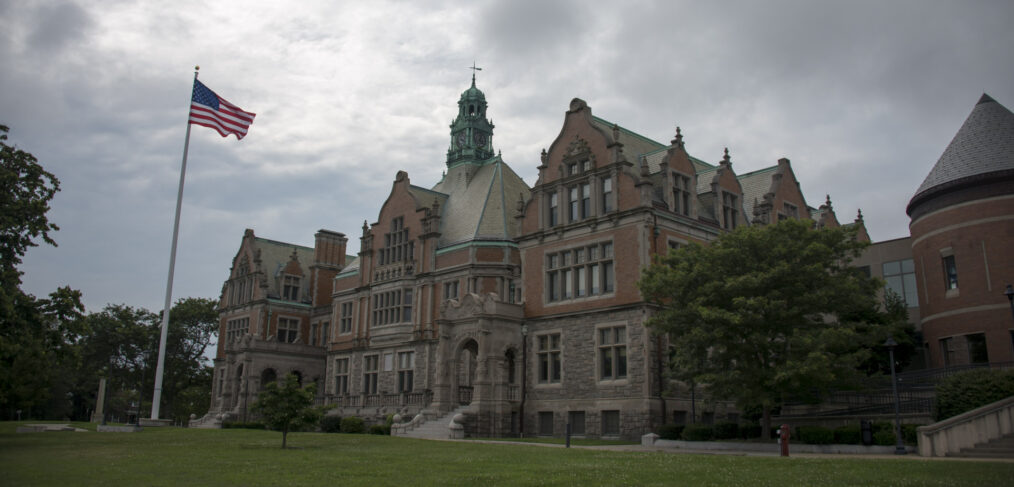
New Bedford Whaling National Historical Park and Fairhaven New Bedford developed into one of the most important maritime ports in the United States during the nineteenth century, when whaling connected coastal Massachusetts to a global network of trade, labor, and industrial production. The harbor’s sheltered position along Buzzards Bay supported the rapid expansion of a […]
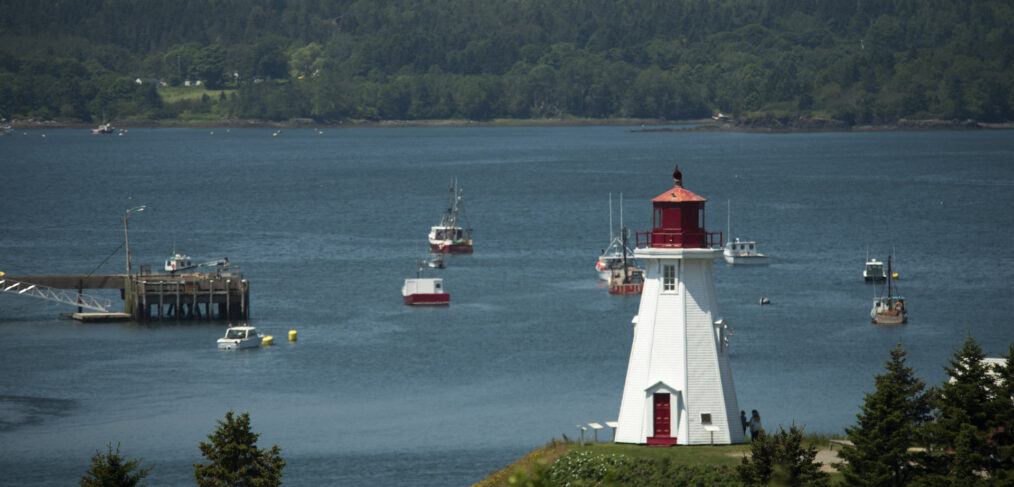
Down East Maine The Down East region of Maine refers to the easternmost coastal portion of the state, generally encompassing Hancock and Washington counties along the Gulf of Maine. The term originated in maritime navigation, when sailors traveling from ports such as Boston sailed downwind toward the east along the New England coastline. The region […]
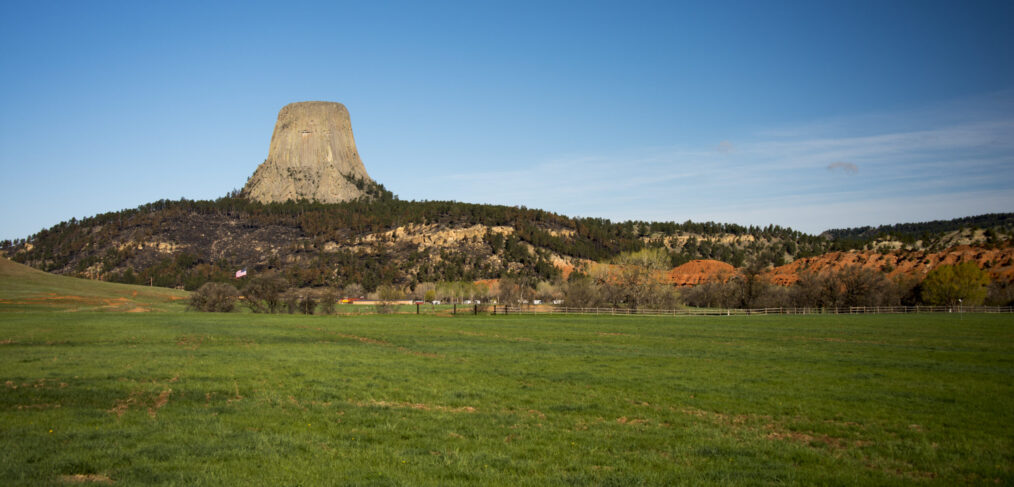
Devils Tower National Monument Devils Tower rises dramatically above the surrounding plains as a column of igneous rock formed through volcanic activity millions of years ago. Molten material cooled underground and later became exposed as surrounding sedimentary rock eroded away. The tower’s vertical columns formed as cooling magma contracted, producing distinctive geometric patterns visible on […]
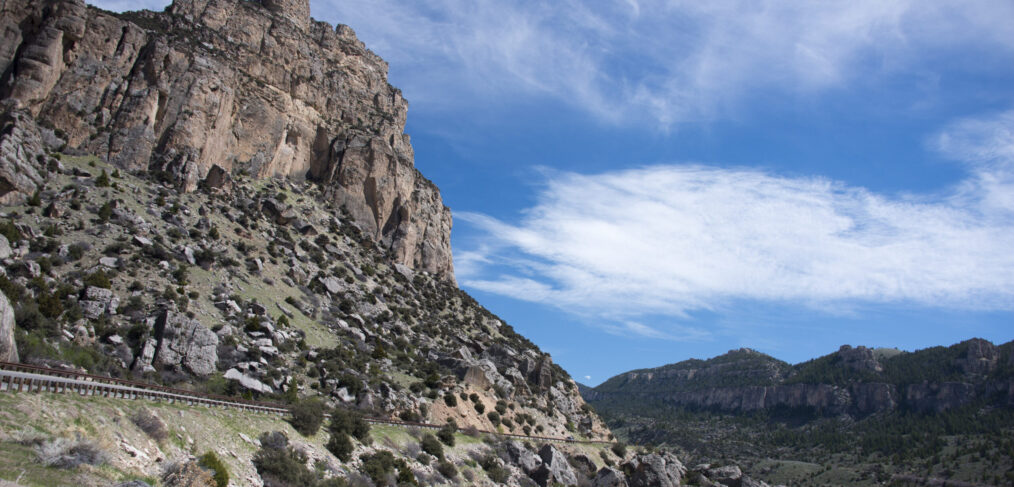
Crazy Woman Canyon Crazy Woman Canyon cuts through sedimentary rock layers shaped by erosion over millions of years. Water gradually carved the canyon through sandstone and limestone formations, creating steep cliffs and exposed rock strata that illustrate geological change over long time periods. The canyon landscape demonstrates how flowing water influences terrain development within semi-arid […]
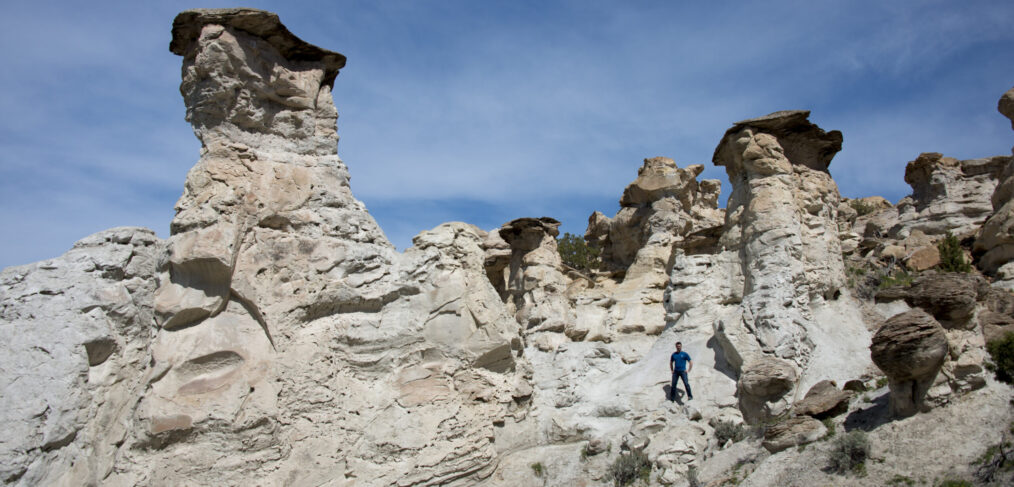
Castle Gardens Petroglyph Site Castle Gardens preserves sandstone rock formations containing petroglyphs created by Indigenous peoples over many centuries. The rock surfaces display carved figures, symbols, and patterns that reflect cultural expression, spiritual beliefs, and communication traditions associated with communities of the northern plains. The sheltered rock faces provided durable surfaces for carving that allowed […]
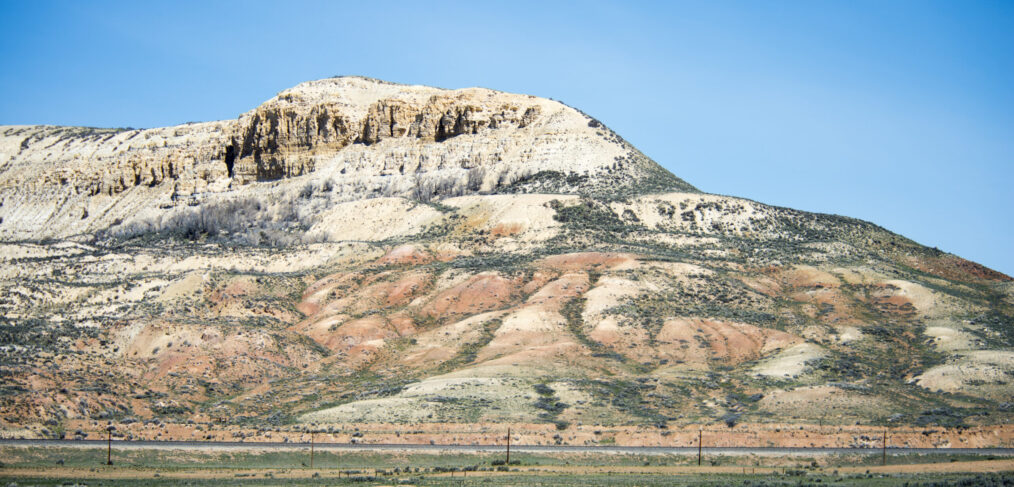
Fossil Butte National Monument Fossil Butte National Monument preserves sedimentary rock layers containing exceptionally well-preserved fossils from an ancient freshwater lake that existed approximately fifty million years ago. Fossilized fish, plants, and insects provide insight into prehistoric ecosystems that developed when the climate of the region differed significantly from present conditions. Fine-grained limestone deposits allowed […]
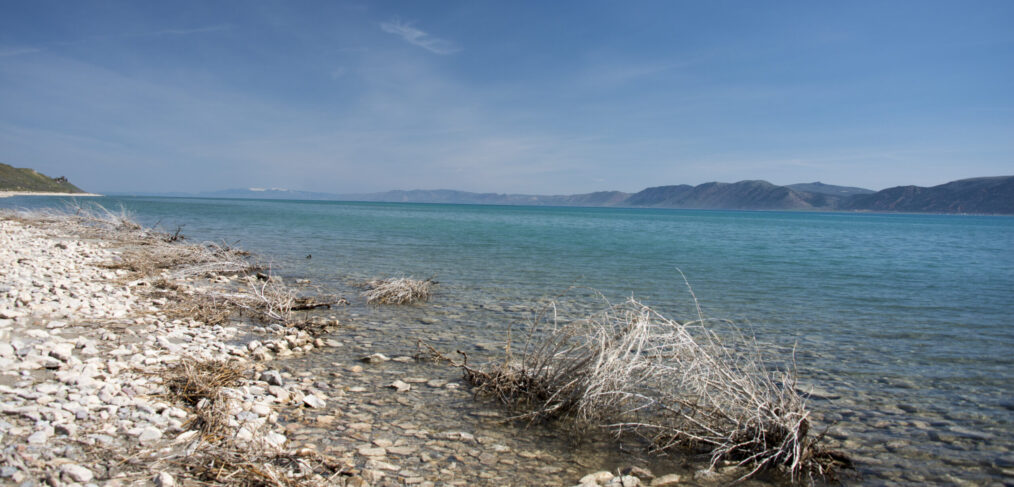
Bear Lake National Wildlife Refuge Bear Lake National Wildlife Refuge protects wetland habitats that support migratory bird populations and aquatic ecosystems within the Intermountain West. Seasonal water levels create environments suitable for nesting and feeding species traveling along major migration corridors. Wetlands illustrate how water availability shapes ecological relationships across arid regions. The refuge provides […]
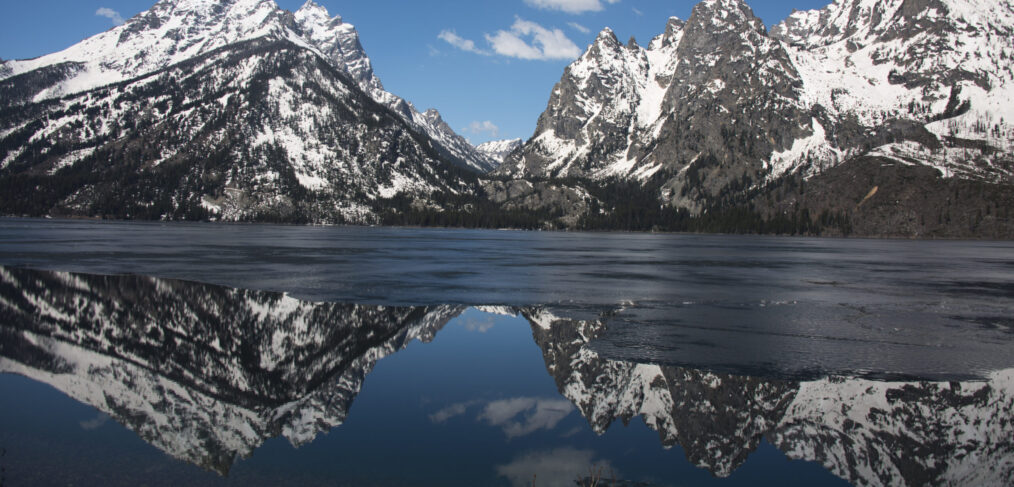
Grand Teton National Park Grand Teton National Park preserves dramatic mountain landscapes formed through tectonic uplift along the Teton fault. The Teton Range rises sharply above the Jackson Hole valley, illustrating how movement of the earth’s crust created steep elevation differences across relatively short distances. Glacial activity further shaped the terrain, carving valleys and forming […]
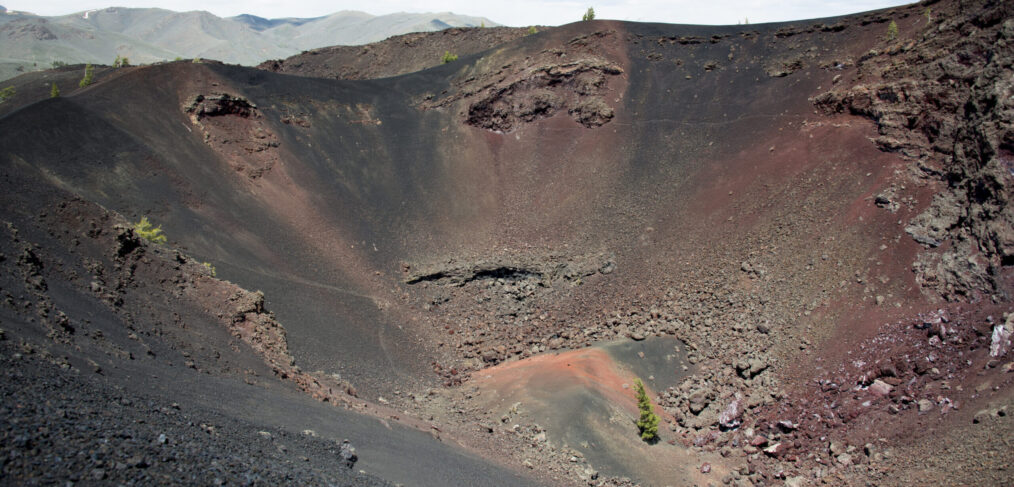
Craters of the Moon National Monument Craters of the Moon preserves a volcanic landscape formed by repeated lava flows over the past fifteen thousand years. Basaltic lava created hardened surfaces, cinder cones, lava tubes, and fissures that illustrate volcanic processes associated with the movement of magma beneath the earth’s crust. The terrain resembles lunar landscapes […]
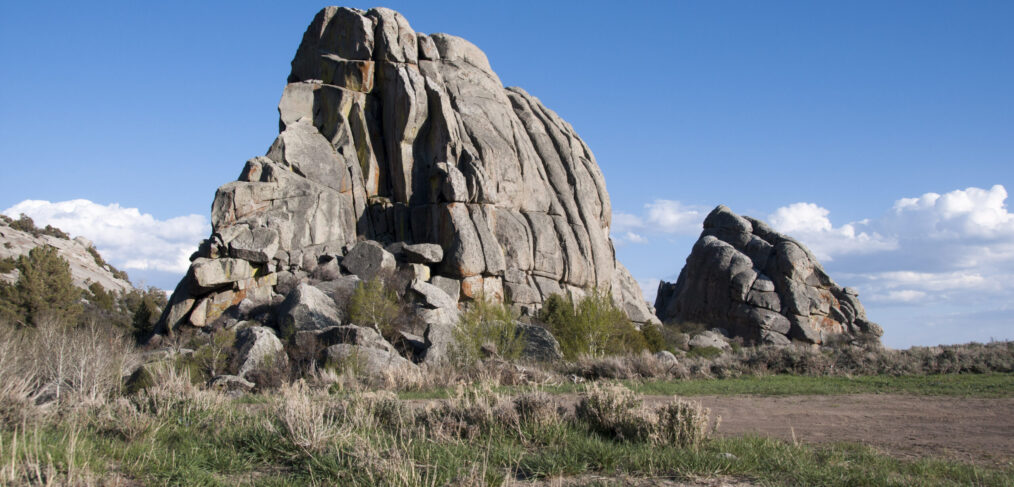
City of Rocks National Reserve City of Rocks National Reserve preserves a landscape of granite spires formed through tectonic uplift and erosion associated with the Basin and Range geological province. The rock formations developed over millions of years as fractures in granite bedrock gradually widened through weathering and erosion. The resulting landscape contains tall monoliths, […]