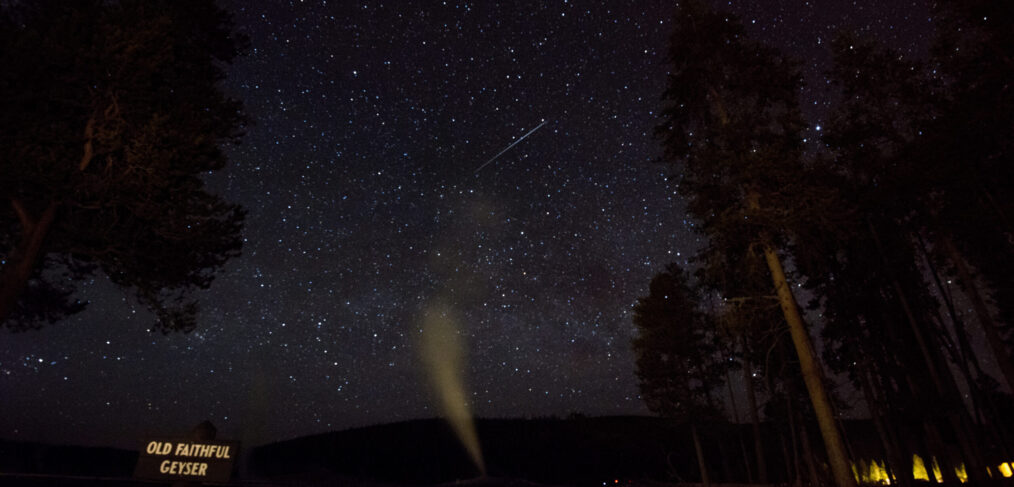
Yellowstone Stars Remote regions of Yellowstone National Park provide opportunities to observe dark night skies largely unaffected by urban light pollution. High elevation, low population density, and protected landscapes contribute to favorable conditions for viewing stars, constellations, and the Milky Way. These conditions illustrate how protected environments preserve natural phenomena that are increasingly difficult to […]
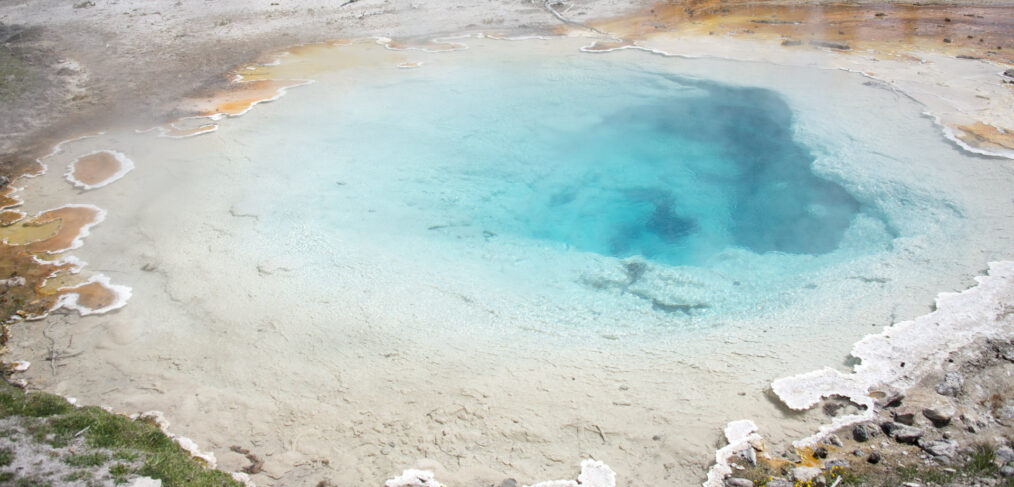
Yellowstone National Park Yellowstone National Park contains one of the most geologically dynamic landscapes in the world, shaped by volcanic activity beneath the Yellowstone Plateau. The park sits above a large volcanic caldera that produces geothermal features including geysers, hot springs, and fumaroles. These features illustrate ongoing geological processes driven by heat within the earth’s […]
Little Bighorn Battlefield National Monument Little Bighorn Battlefield preserves the site of the 1876 conflict between the United States Army and a coalition of Lakota Sioux, Northern Cheyenne, and Arapaho warriors. The battle occurred during a period of rapid expansion into the northern plains and reflects broader tensions related to territorial control and cultural sovereignty. […]
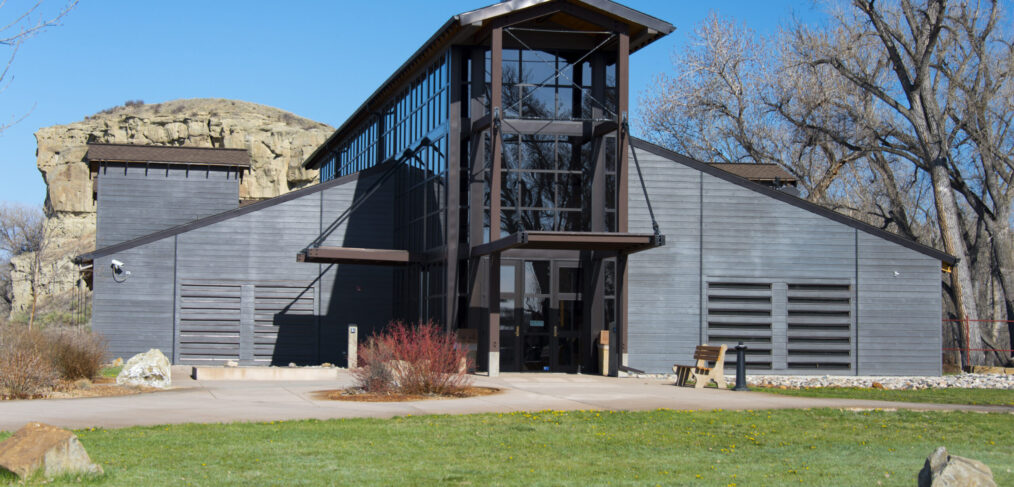
Pompeys Pillar National Monument Pompeys Pillar National Monument preserves a sandstone formation rising above the Yellowstone River in southern Montana. The pillar is notable for the signature of William Clark of the Lewis and Clark Expedition, carved into the rock in 1806 during the expedition’s return journey. The site provides a tangible connection to early […]
Fort Union Trading Post National Historic Site Fort Union Trading Post was one of the most important fur trade centers on the upper Missouri River during the 19th century. Established in 1828 near the present-day border of North Dakota and Montana, the post became a major commercial hub where Indigenous communities, traders, and company representatives […]
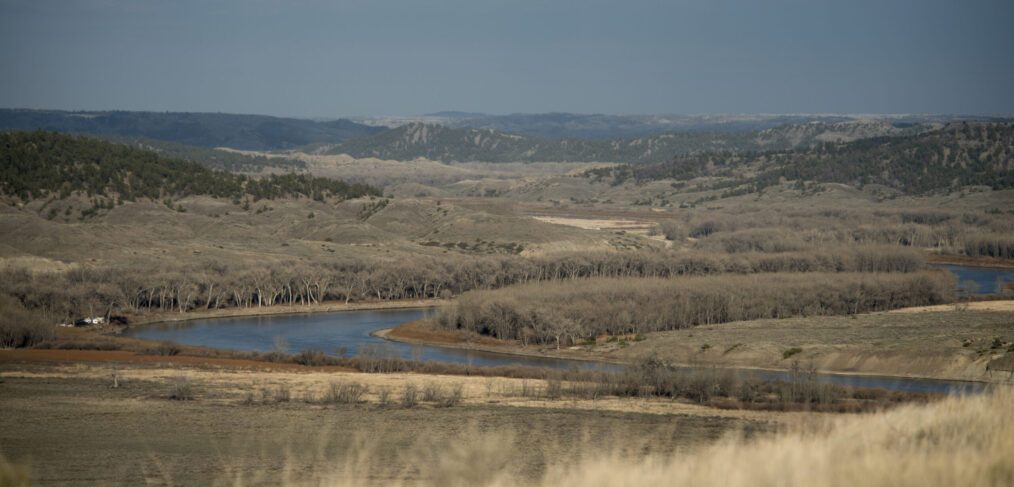
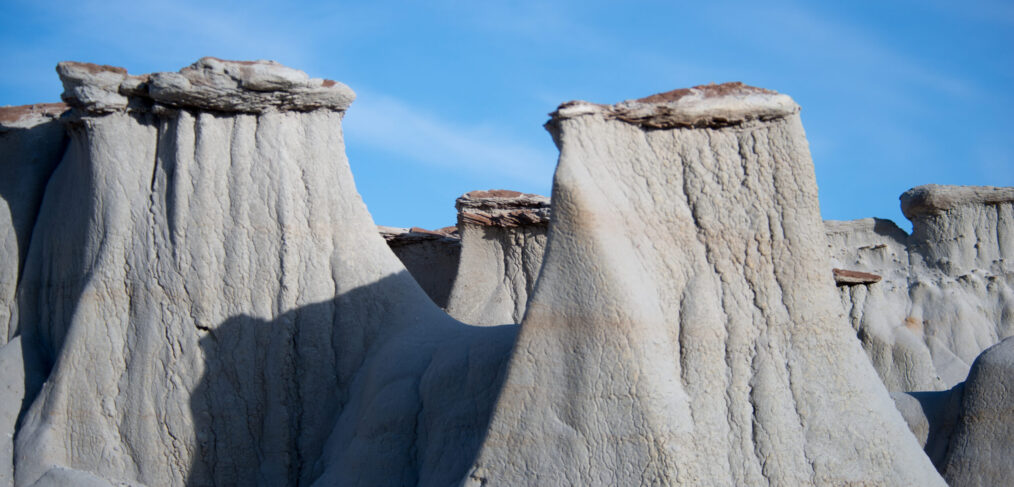
Upper Missouri River Breaks National Monument Upper Missouri River Breaks National Monument preserves a remote landscape of steep bluffs, eroded badlands, and river corridors along the Missouri River in central Montana. The monument illustrates how flowing water gradually carved dramatic terrain through sedimentary rock layers, producing isolated buttes, coulees, and rugged cliffs above the river. […]
Theodore Roosevelt National Park Theodore Roosevelt National Park preserves a striking badlands landscape in western North Dakota shaped by erosion, sedimentary deposition, and grassland ecology. Layered rock formations, river valleys, and open prairie reflect millions of years of environmental change across the northern Great Plains. The landscape is closely associated with Theodore Roosevelt, whose time […]
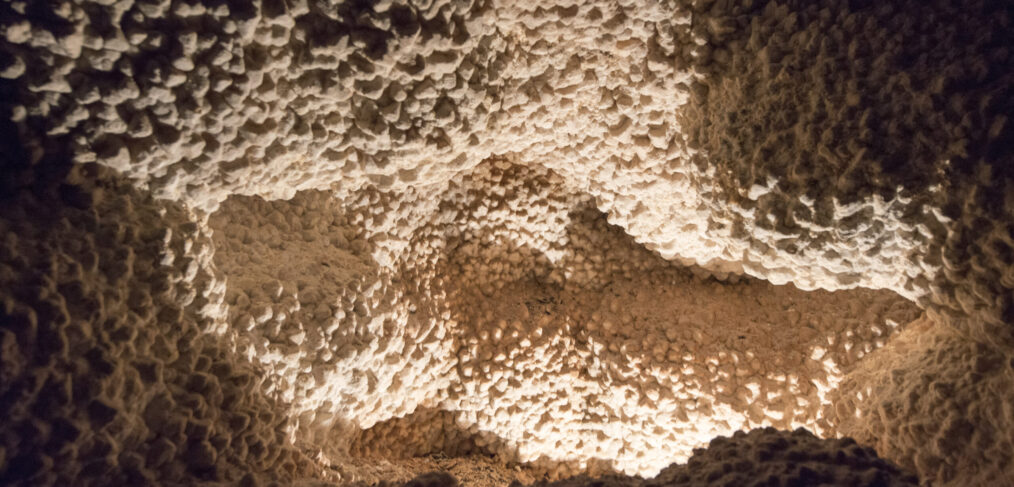
Jewel Cave National Monument Jewel Cave National Monument preserves one of the longest cave systems in the world, formed through the gradual dissolution of limestone by groundwater over millions of years. The cave is especially known for its glittering calcite crystals and delicate mineral coatings that line many of its passages, giving the cave its […]
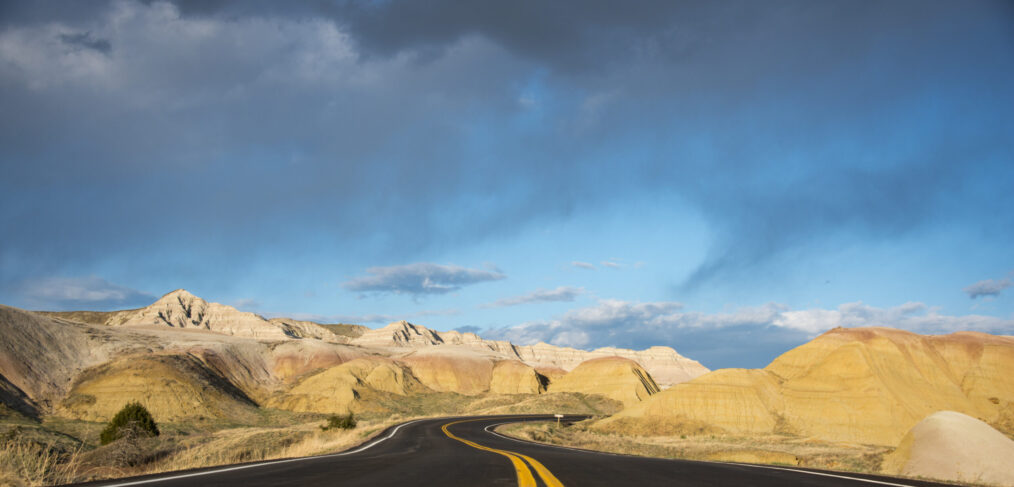
Badlands National Park Badlands National Park preserves a landscape of sharply eroded rock formations shaped by wind and water erosion over millions of years. Layered sedimentary deposits contain fossils from ancient mammals that lived in subtropical environments long before the development of modern grasslands. The terrain illustrates how environmental conditions changed significantly across geological time […]
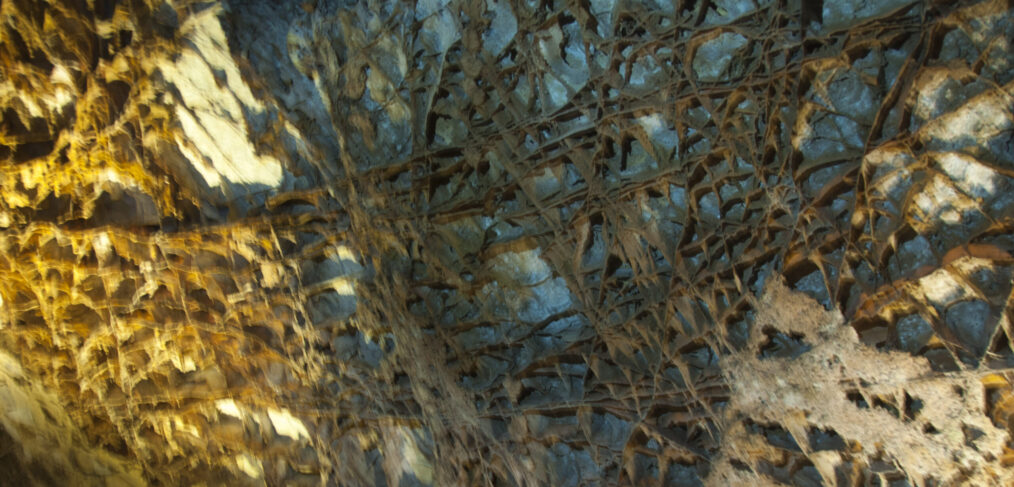
Wind Cave National Park Wind Cave National Park preserves one of the longest cave systems in the world, notable for rare boxwork formations created by mineral deposits within cracks in the limestone bedrock. The cave developed as groundwater dissolved soluble rock layers, gradually forming underground chambers and passageways. Unique mineral structures illustrate geological processes that […]