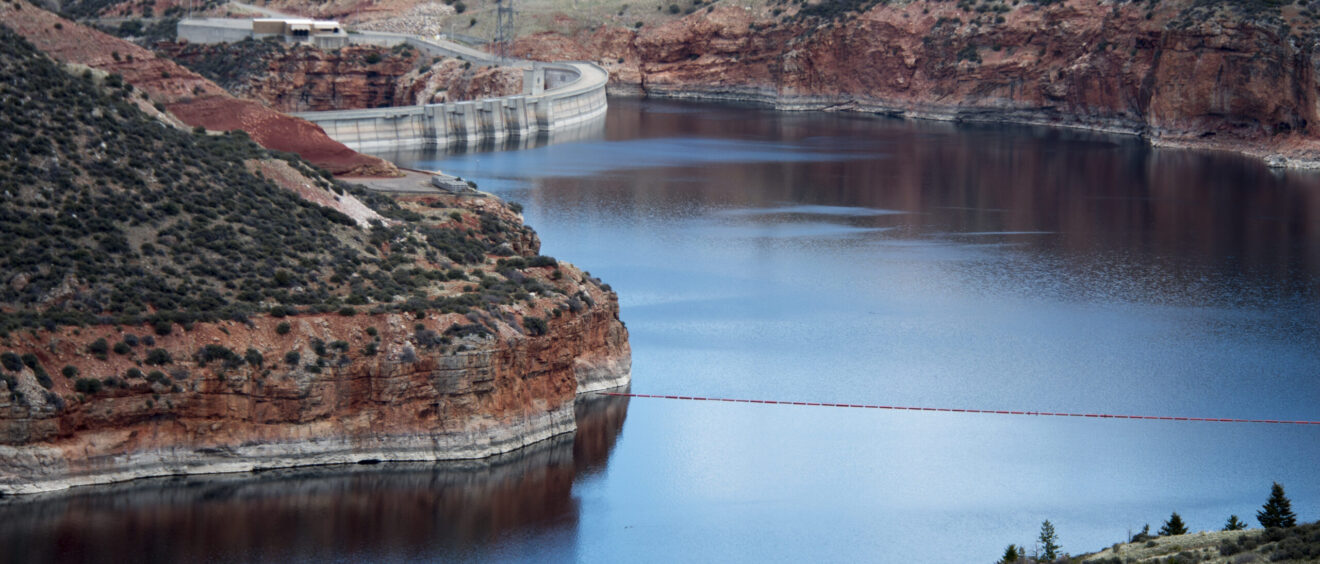
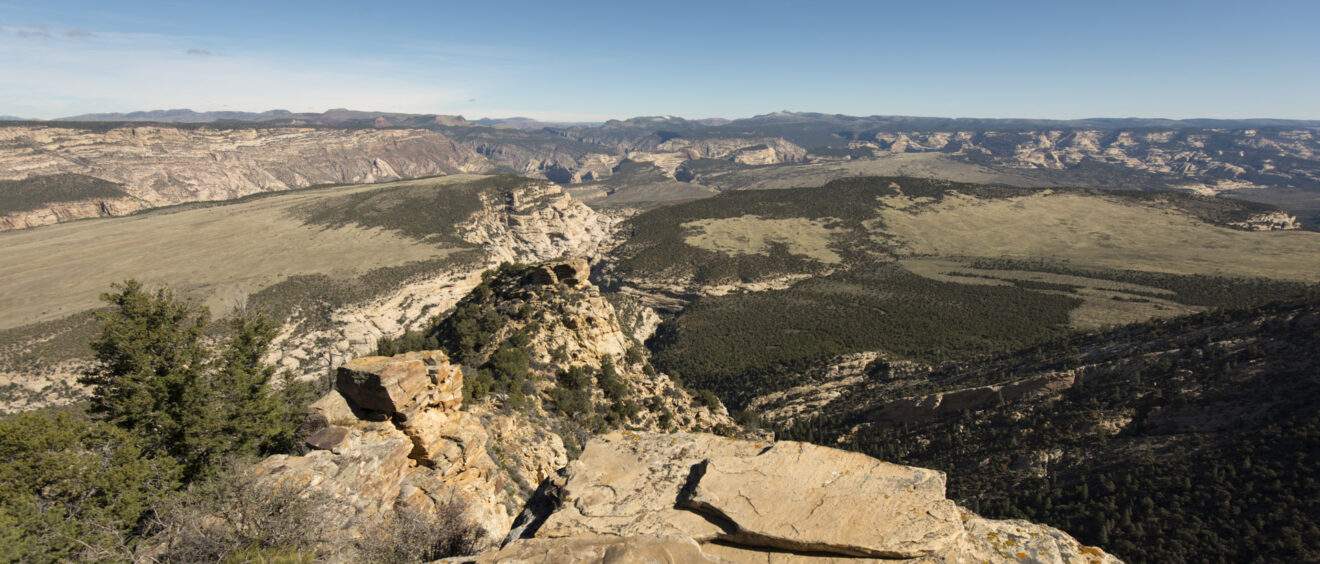
Dinosaur National Monument Dinosaur National Monument preserves one of the most important fossil sites in North America, where exposed rock layers contain visible dinosaur remains dating to the Jurassic period. The monument provides a direct connection to prehistoric ecosystems that existed long before the modern Rocky Mountain landscape formed. Its fossil quarry offers a rare […]
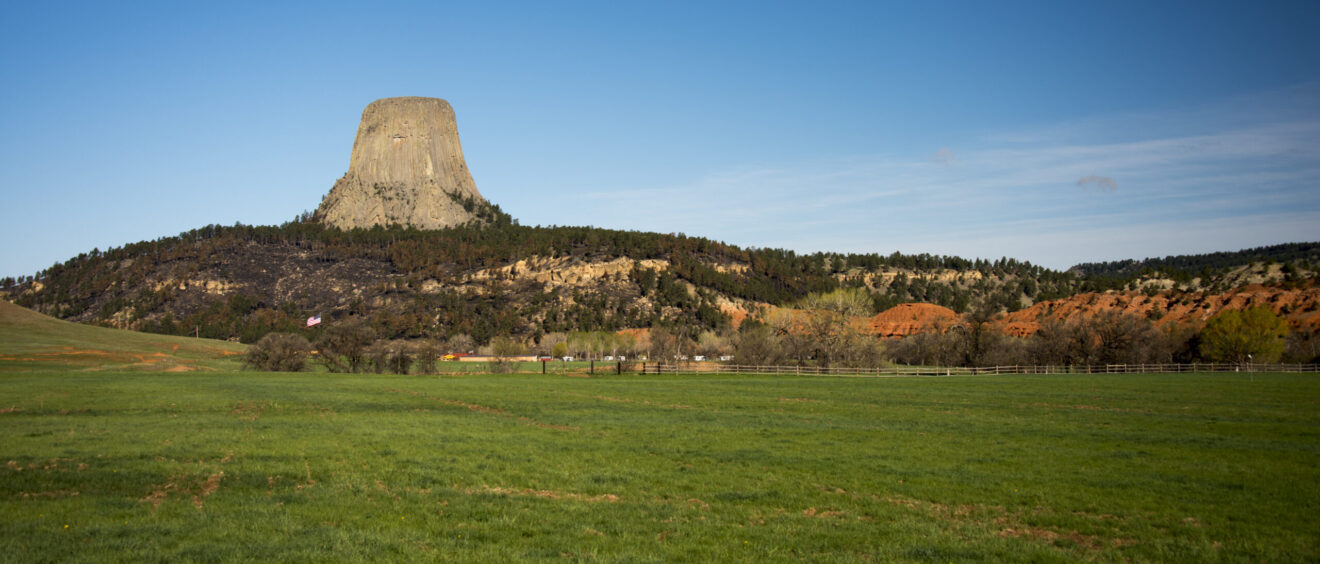
Devils Tower National Monument Devils Tower rises dramatically above the surrounding plains as a column of igneous rock formed through volcanic activity millions of years ago. Molten material cooled underground and later became exposed as surrounding sedimentary rock eroded away. The tower’s vertical columns formed as cooling magma contracted, producing distinctive geometric patterns visible on […]
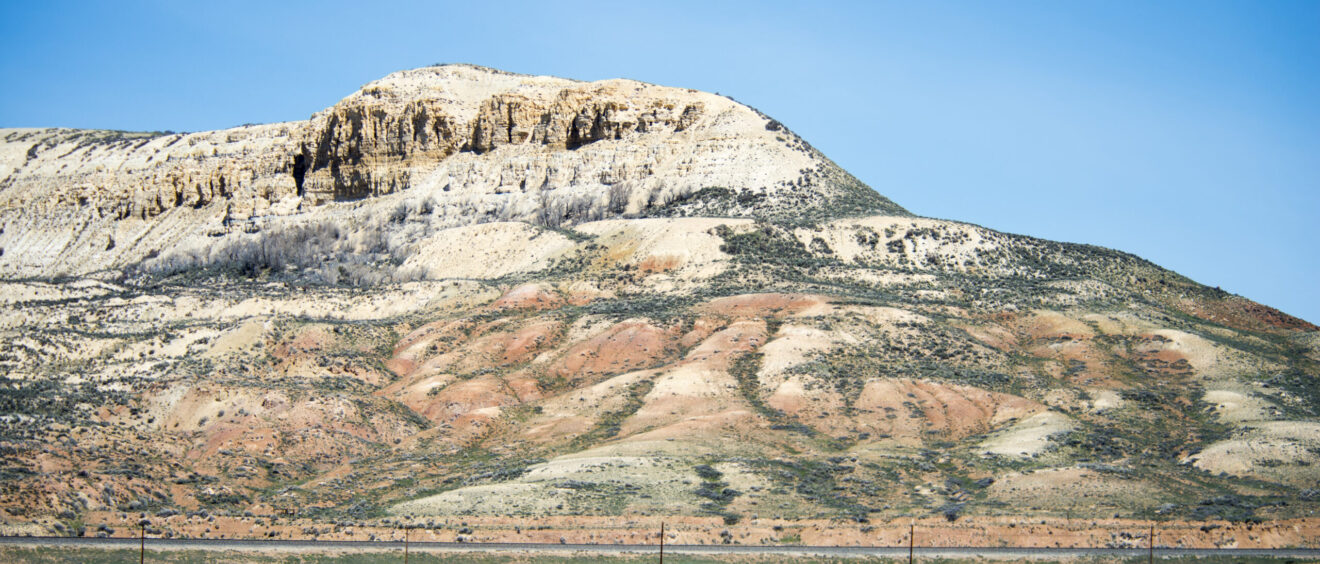
Fossil Butte National Monument Fossil Butte National Monument preserves sedimentary rock layers containing exceptionally well-preserved fossils from an ancient freshwater lake that existed approximately fifty million years ago. Fossilized fish, plants, and insects provide insight into prehistoric ecosystems that developed when the climate of the region differed significantly from present conditions. Fine-grained limestone deposits allowed […]
Craters of the Moon National Monument Craters of the Moon preserves a volcanic landscape formed by repeated lava flows over the past fifteen thousand years. Basaltic lava created hardened surfaces, cinder cones, lava tubes, and fissures that illustrate volcanic processes associated with the movement of magma beneath the earth’s crust. The terrain resembles lunar landscapes […]
Little Bighorn Battlefield National Monument Little Bighorn Battlefield preserves the site of the 1876 conflict between the United States Army and a coalition of Lakota Sioux, Northern Cheyenne, and Arapaho warriors. The battle occurred during a period of rapid expansion into the northern plains and reflects broader tensions related to territorial control and cultural sovereignty. […]
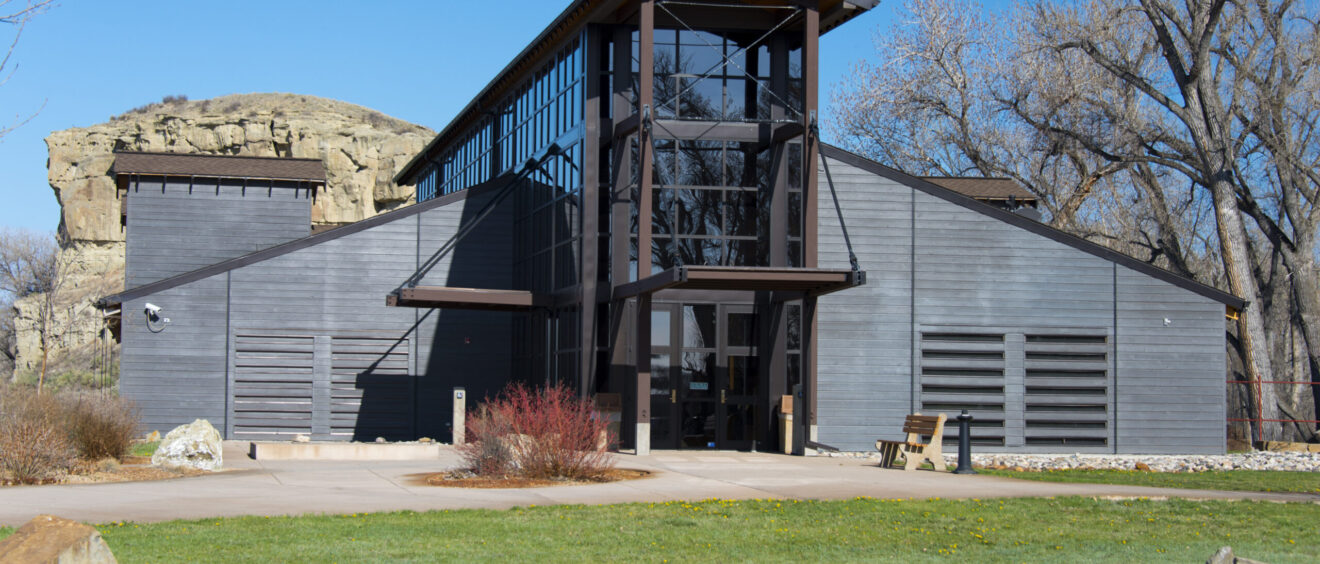
Pompeys Pillar National Monument Pompeys Pillar National Monument preserves a sandstone formation rising above the Yellowstone River in southern Montana. The pillar is notable for the signature of William Clark of the Lewis and Clark Expedition, carved into the rock in 1806 during the expedition’s return journey. The site provides a tangible connection to early […]
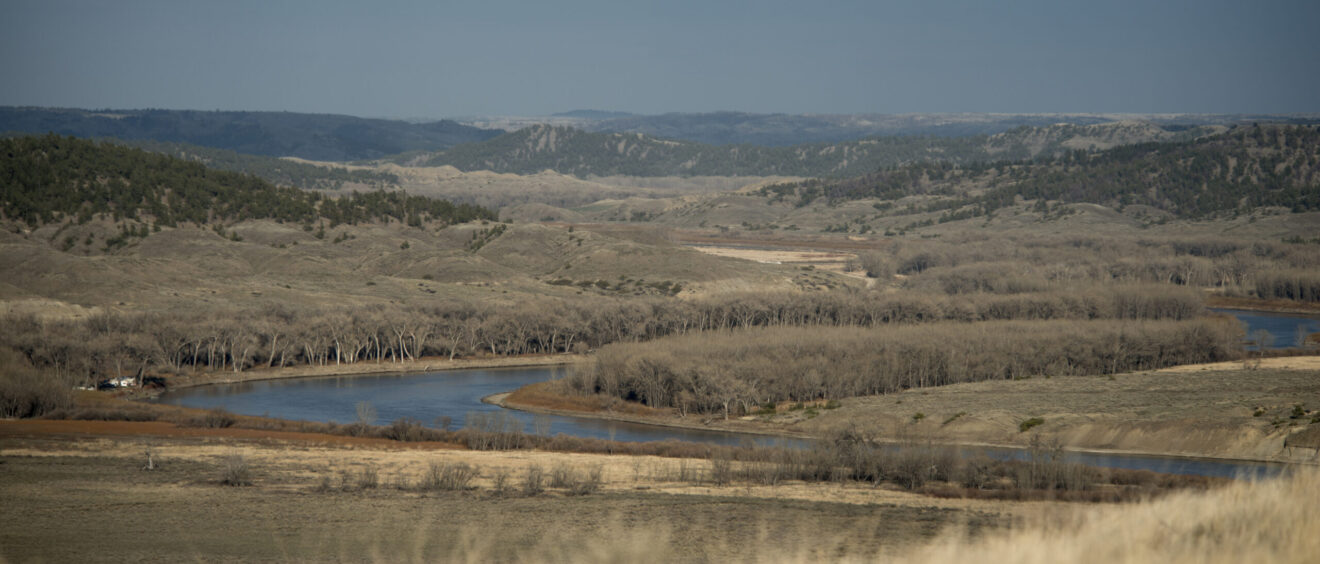
Upper Missouri River Breaks National Monument Upper Missouri River Breaks National Monument preserves a remote landscape of steep bluffs, eroded badlands, and river corridors along the Missouri River in central Montana. The monument illustrates how flowing water gradually carved dramatic terrain through sedimentary rock layers, producing isolated buttes, coulees, and rugged cliffs above the river. […]
Jewel Cave National Monument Jewel Cave National Monument preserves one of the longest cave systems in the world, formed through the gradual dissolution of limestone by groundwater over millions of years. The cave is especially known for its glittering calcite crystals and delicate mineral coatings that line many of its passages, giving the cave its […]
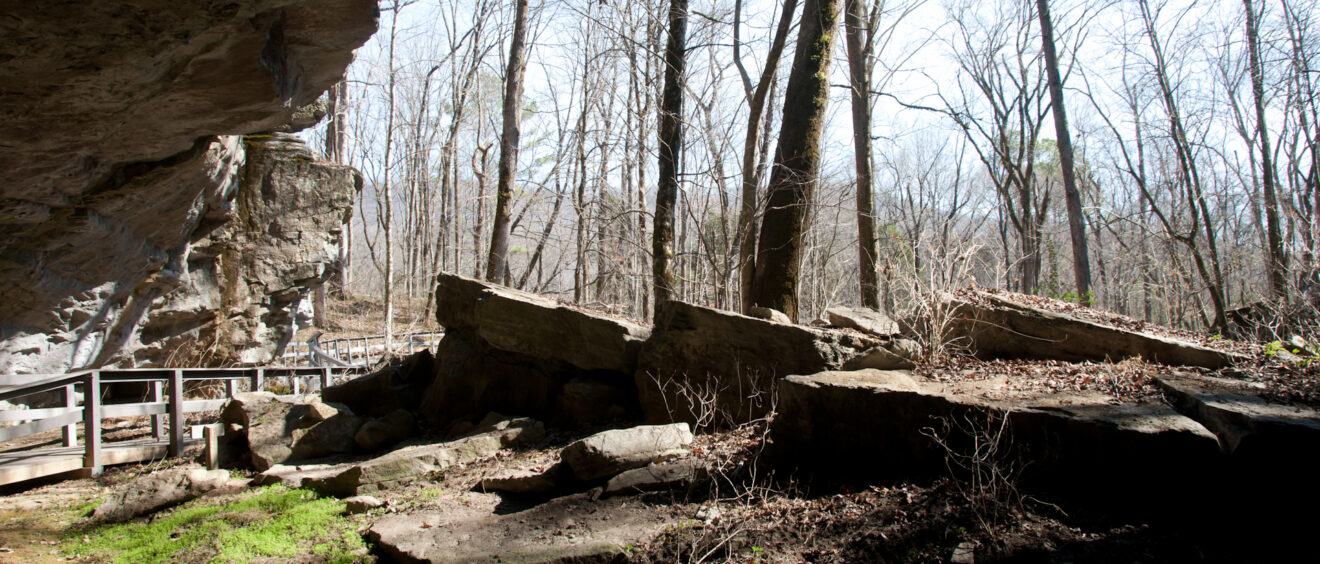
Russell Cave and Little River Canyon Russell Cave preserves evidence of human habitation dating back more than 10,000 years, providing insight into the deep history of North America long before European exploration. Archaeological discoveries at the site demonstrate how Indigenous peoples adapted to changing environmental conditions through hunting, gathering, and seasonal settlement patterns. The cave […]
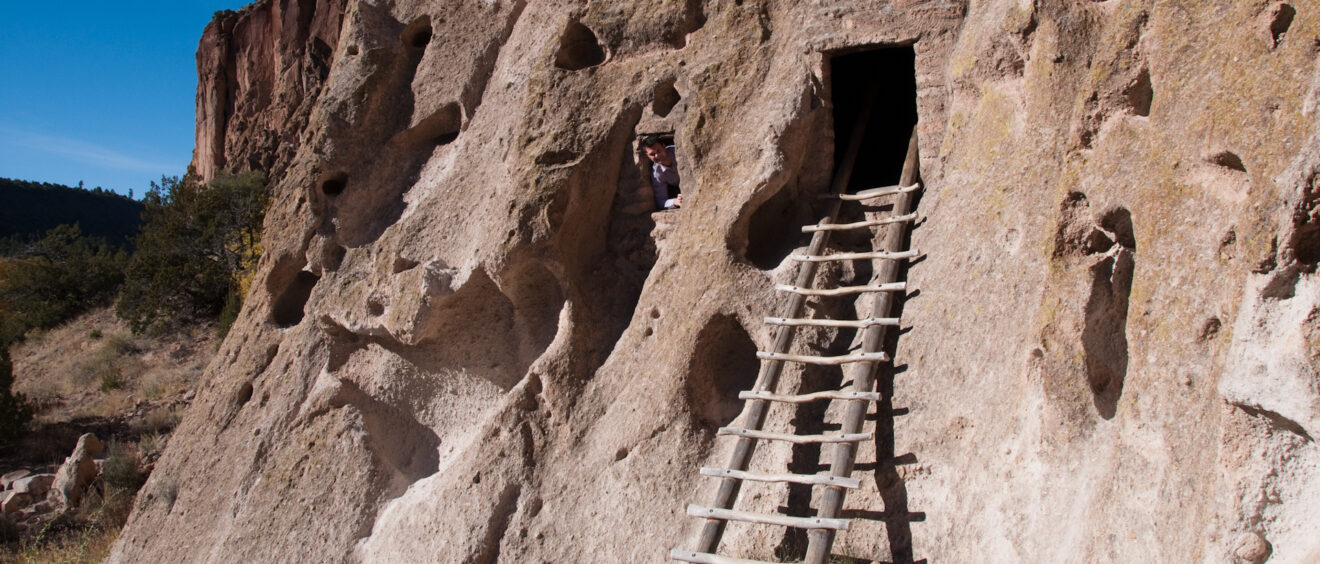
Bandelier National Monument Bandelier National Monument preserves cliff dwellings constructed within volcanic tuff formations by Ancestral Pueblo communities. Soft volcanic rock allowed dwellings to be carved directly into canyon walls, creating sheltered living spaces adapted to the surrounding environment. The canyon landscape provided access to water, arable land, and natural protection. Settlement patterns reflect adaptation […]