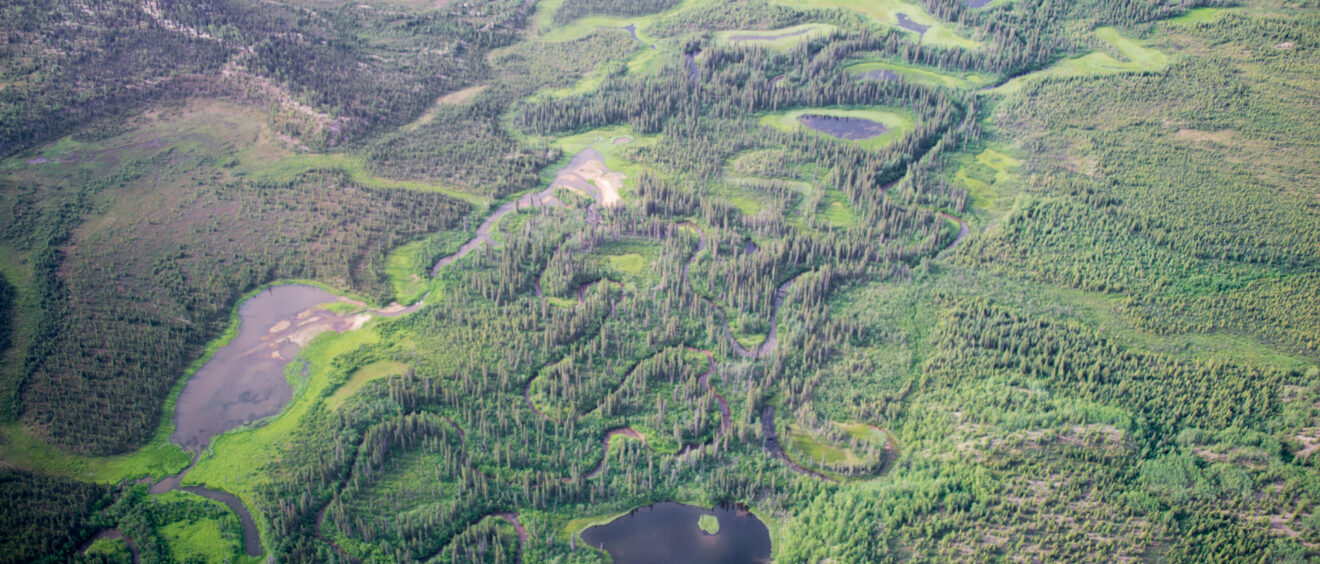
Onion Portage – Kobuk Valley National Park Onion Portage represents one of the most significant archaeological sites in Arctic Alaska and preserves evidence of human activity spanning thousands of years. Located along the Kobuk River, the site reflects a traditional crossing point used by migrating caribou herds and Indigenous communities who depended on these seasonal […]
Kobuk Valley Sand Dunes – Kobuk Valley National Park The sand dunes of Kobuk Valley National Park form one of the most unexpected landscapes in the Arctic region. Located north of the Arctic Circle, these expansive dune fields were created by glacial processes that deposited sand later shaped by wind activity. The dunes represent a […]
Ambler – Kobuk Valley National Park Ambler is a small community located near the southern boundary of Kobuk Valley National Park and serves as a regional access point for remote wilderness landscapes along the Kobuk River. The settlement reflects long-standing Indigenous traditions associated with seasonal migration, fishing, and subsistence practices shaped by the environmental conditions […]
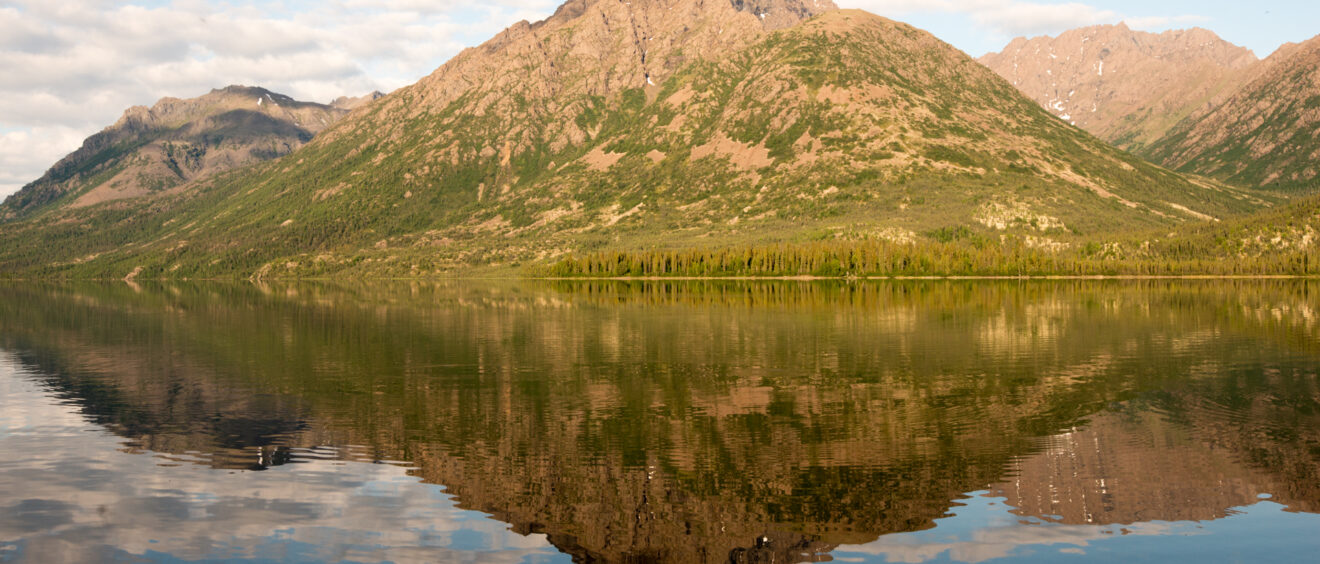
Selby Lake – Gates of the Arctic National Park and Preserve Selby Lake is located within the remote wilderness of Gates of the Arctic National Park and Preserve and reflects the expansive, undeveloped landscapes that define Alaska’s Brooks Range region. Surrounded by tundra ridges and glacially shaped terrain, the lake represents the type of quiet […]
Shenandoah Skyline Drive Skyline Drive follows the crest of the Blue Ridge Mountains through Shenandoah National Park, creating one of the most significant scenic roadways in the eastern United States. Constructed as part of the early development of the park, the route was designed to reveal the mountain landscape gradually through a sequence of overlooks, […]
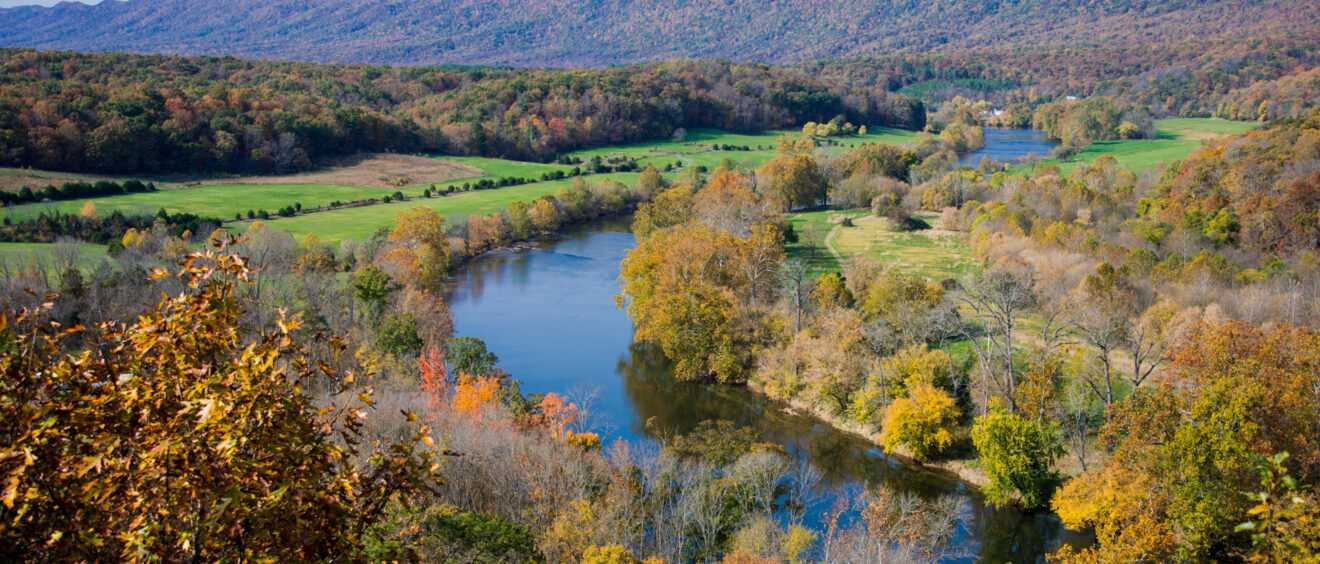
Shenandoah National Park Fall Colors Autumn in Shenandoah National Park reveals the seasonal transformation of the Blue Ridge Mountains as deciduous forests shift from summer greens to a mosaic of red, orange, and gold. Variations in elevation across the park create a staggered progression of color, with higher ridgelines changing earlier and lower valleys reaching […]
Shenandoah National Park Hike Shenandoah National Park preserves more than 200,000 acres of forested mountain terrain along the crest of the Blue Ridge, where erosion over geological time has shaped ridgelines, valleys, and stream systems characteristic of the Appalachian Mountains. The park contains extensive trail networks that provide access to waterfalls, summit viewpoints, and woodland […]
Glacier Bay National Park — Humpback Whales Glacier Bay provides favorable feeding conditions for humpback whales due to nutrient circulation influenced by tides and glacial sediment. Seasonal migrations bring whales to these waters where fish populations concentrate in protected channels. The fjord environment supports productive marine ecosystems that sustain large marine mammals. Whale sightings often […]
Glacier Bay National Park Glacier Bay National Park protects an extensive system of fjords formed by glaciers that advanced and retreated over the past several centuries. As ice receded, deep valleys filled with seawater, creating narrow channels bordered by steep mountain slopes. The park provides one of the most visible examples of recent glacial change […]
Acadia National Park Celebration Acadia National Park reflects more than a century of conservation history shaped by private philanthropy, public stewardship, and continued cultural connection to the coastal landscape of Maine. The park originated as Sieur de Monts National Monument in 1916 and later became the first national park established east of the Mississippi River, […]