United States National Arboretum The United States National Arboretum occupies more than 400 acres along the Anacostia River in northeastern Washington, DC, preserving cultivated landscapes dedicated to botanical research, conservation, and public education. Established in 1927, the arboretum reflects early twentieth-century efforts to study plant adaptation, landscape design, and agricultural resilience within the varied climatic […]
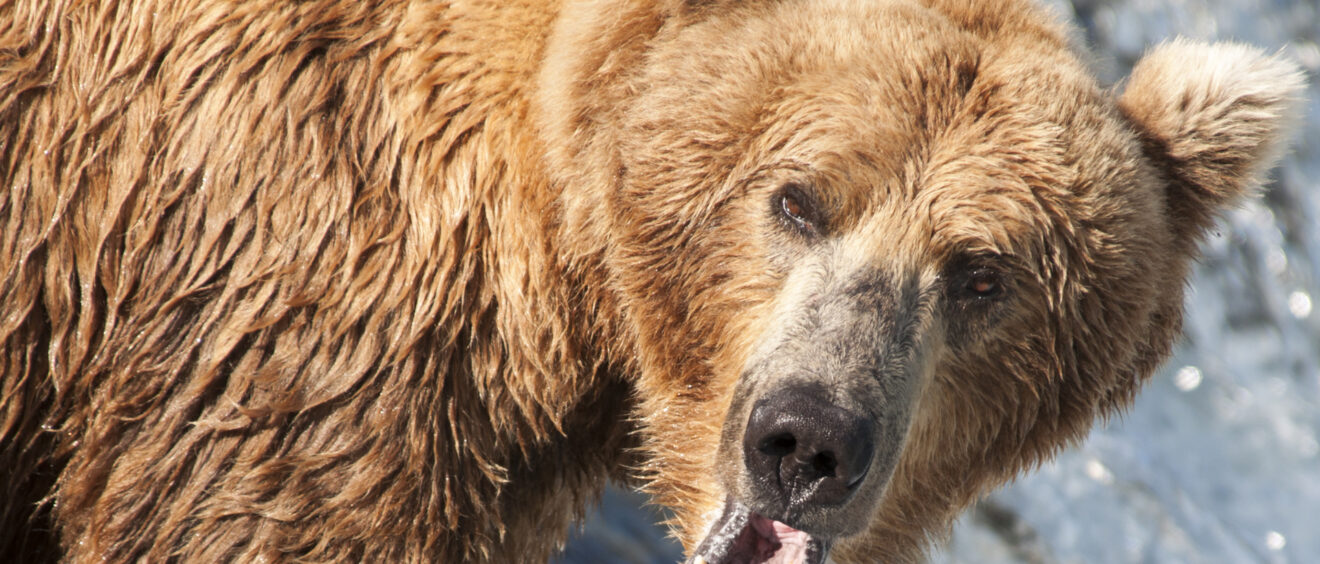
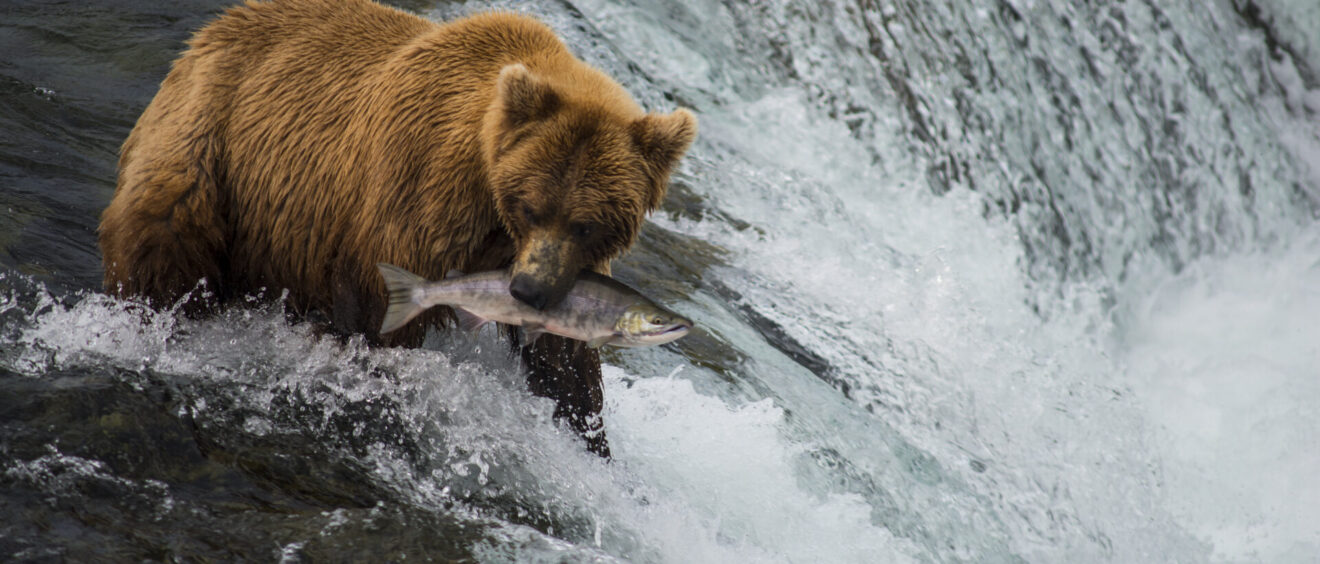
Katmai NP — The Miss Not every attempt during the salmon run is successful, and watching a near miss can be just as memorable as witnessing a catch. Standing along the river, there is a constant sense of anticipation as salmon gather below the falls and bears carefully track the movement of the water. Each […]
Katmai NP Katmai National Park preserves a rugged wilderness environment shaped by volcanic activity, river systems, and coastal ecosystems. The park’s remote location contributes to its reputation as one of Alaska’s premier wildlife viewing destinations. Mountains, lakes, and dense vegetation create habitat supporting diverse species throughout the year. The park is particularly well known for […]
Katmai NP — The Catch Watching a brown bear successfully catch salmon at Katmai is one of those rare wildlife moments where anticipation builds with each passing second. Standing along the river’s edge, it becomes clear that timing is everything. The rushing water creates constant motion, while salmon gather below the falls before attempting the […]
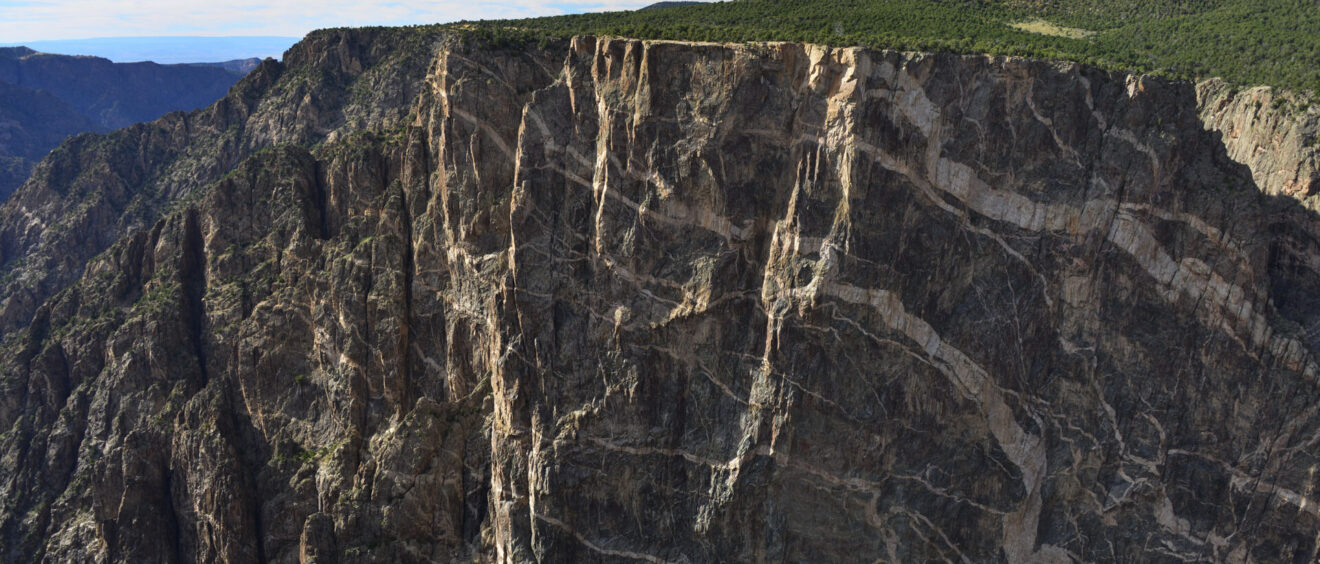
Black Canyon of the Gunnison National Park Black Canyon of the Gunnison reveals the immense power of river erosion acting on resistant metamorphic rock. The Gunnison River has carved an exceptionally narrow and deep canyon, creating sheer cliffs that descend dramatically toward the river below. The dark appearance of the canyon walls gives the park […]
Rocky Mountain National Park – Fall River The Fall River corridor reveals the influence of water in shaping alpine landscapes as snowmelt descends from higher elevations into forested valleys. Flowing streams, rocky banks, and surrounding mountain slopes create a transition zone between high alpine terrain and lower elevation ecosystems. The area reflects the geological forces […]
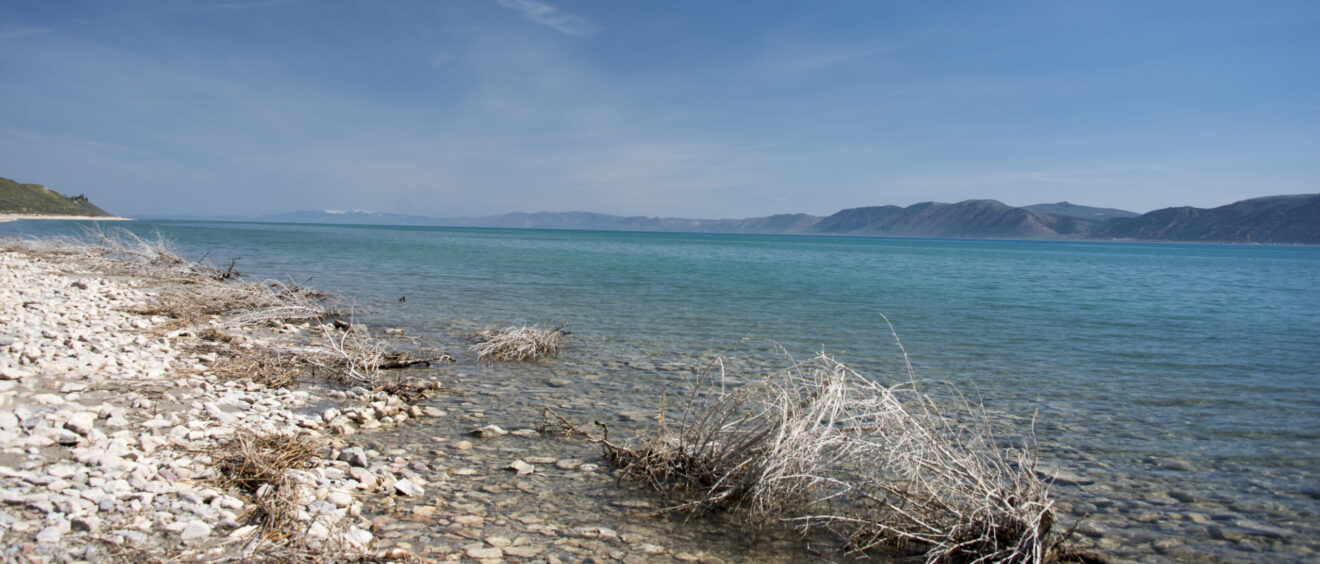
Bear Lake National Wildlife Refuge Bear Lake National Wildlife Refuge protects wetland habitats that support migratory bird populations and aquatic ecosystems within the Intermountain West. Seasonal water levels create environments suitable for nesting and feeding species traveling along major migration corridors. Wetlands illustrate how water availability shapes ecological relationships across arid regions. The refuge provides […]
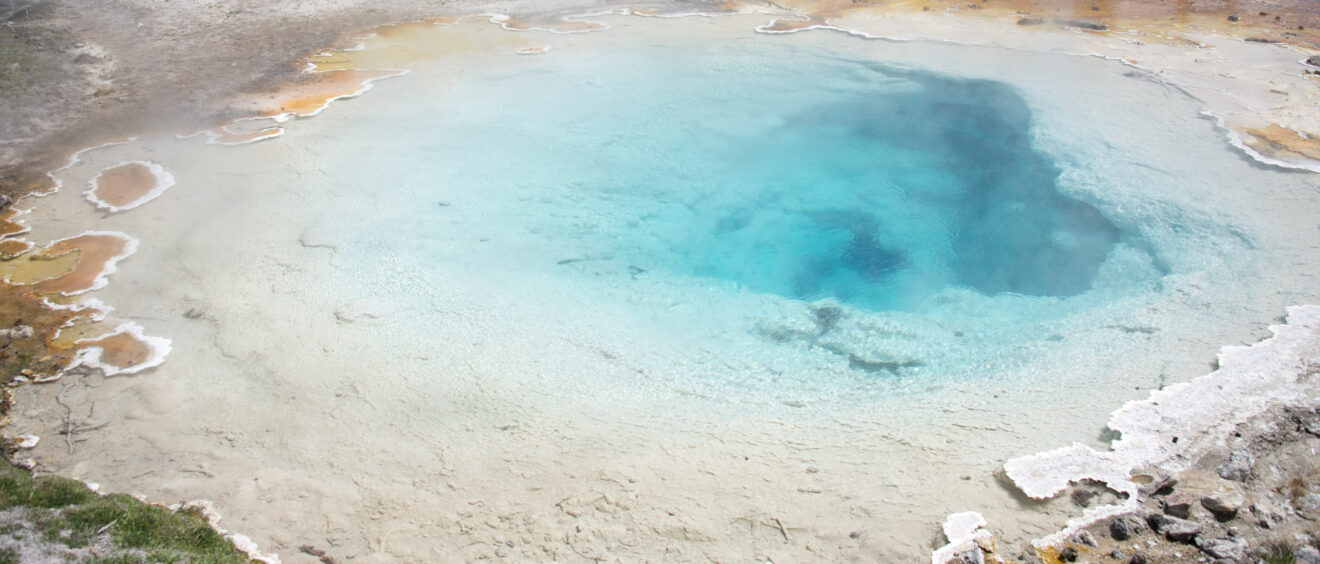
Yellowstone National Park Yellowstone National Park contains one of the most geologically dynamic landscapes in the world, shaped by volcanic activity beneath the Yellowstone Plateau. The park sits above a large volcanic caldera that produces geothermal features including geysers, hot springs, and fumaroles. These features illustrate ongoing geological processes driven by heat within the earth’s […]
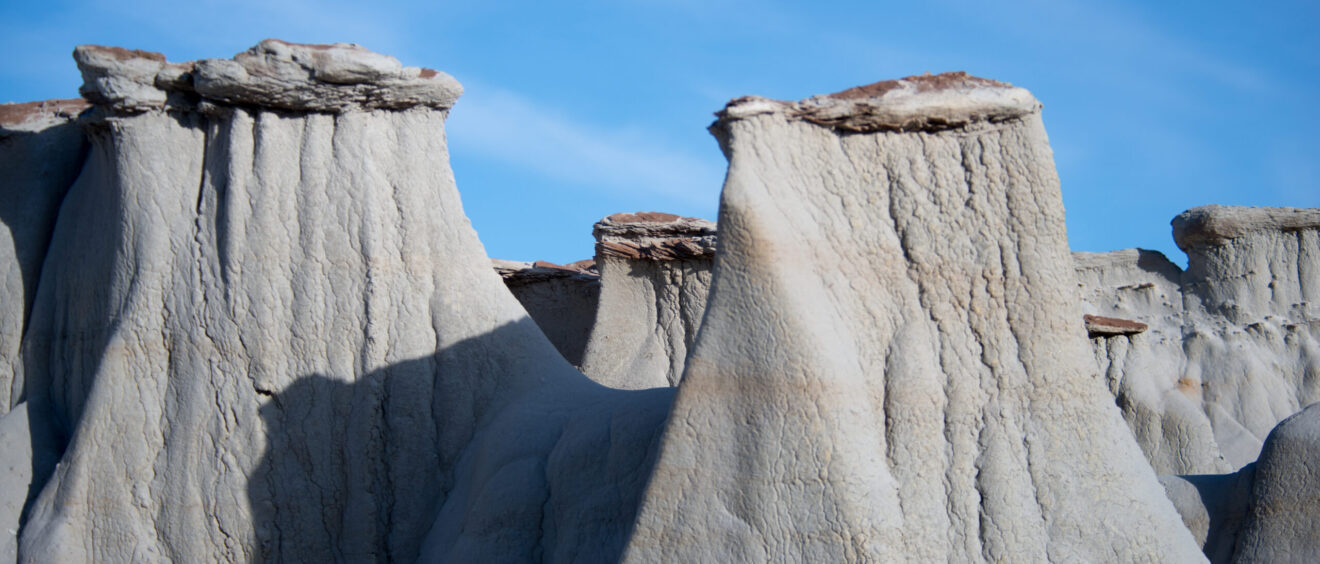
Theodore Roosevelt National Park Theodore Roosevelt National Park preserves a striking badlands landscape in western North Dakota shaped by erosion, sedimentary deposition, and grassland ecology. Layered rock formations, river valleys, and open prairie reflect millions of years of environmental change across the northern Great Plains. The landscape is closely associated with Theodore Roosevelt, whose time […]
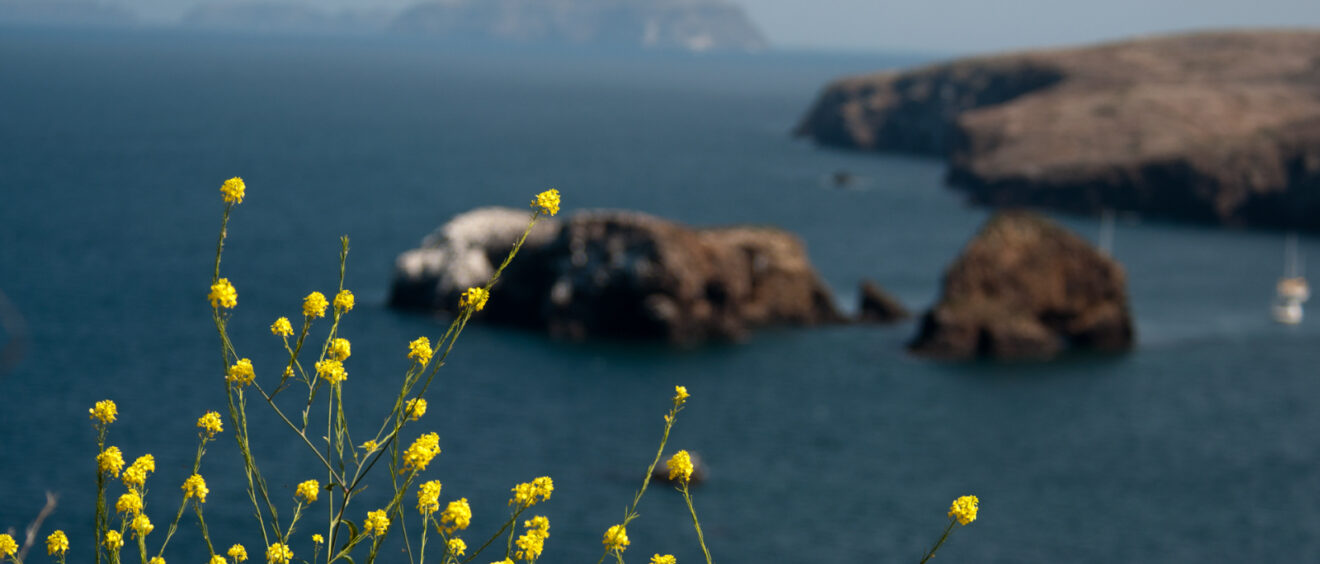
I had no idea that sea caves could be anything as extensive as what we kayaked in Channel Islands National Park. This was a great park, with scenic vistas, lots of sea life, and the land untouched the way the rest of the continent once looked. So beautiful. Randy, great pick!