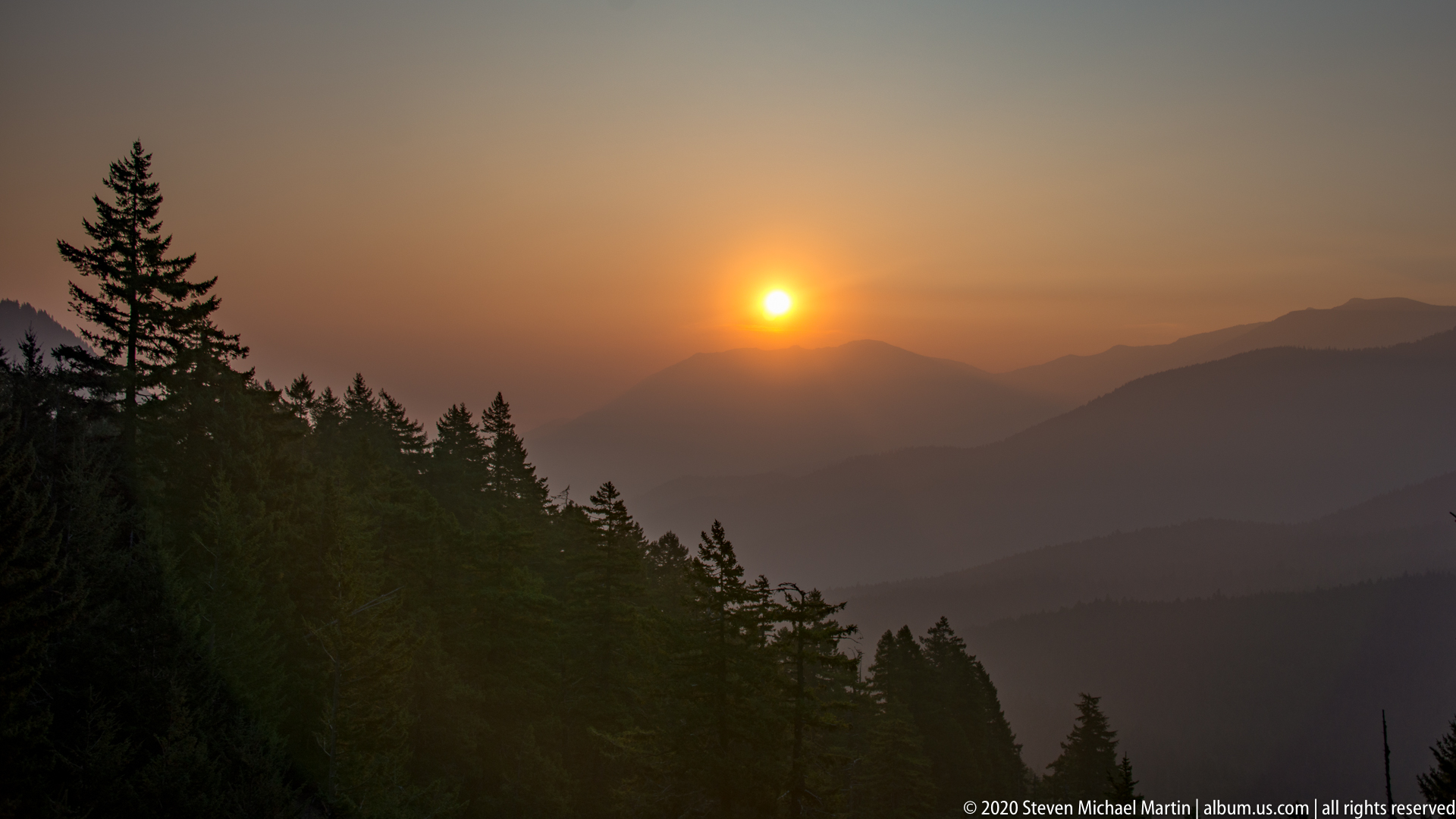
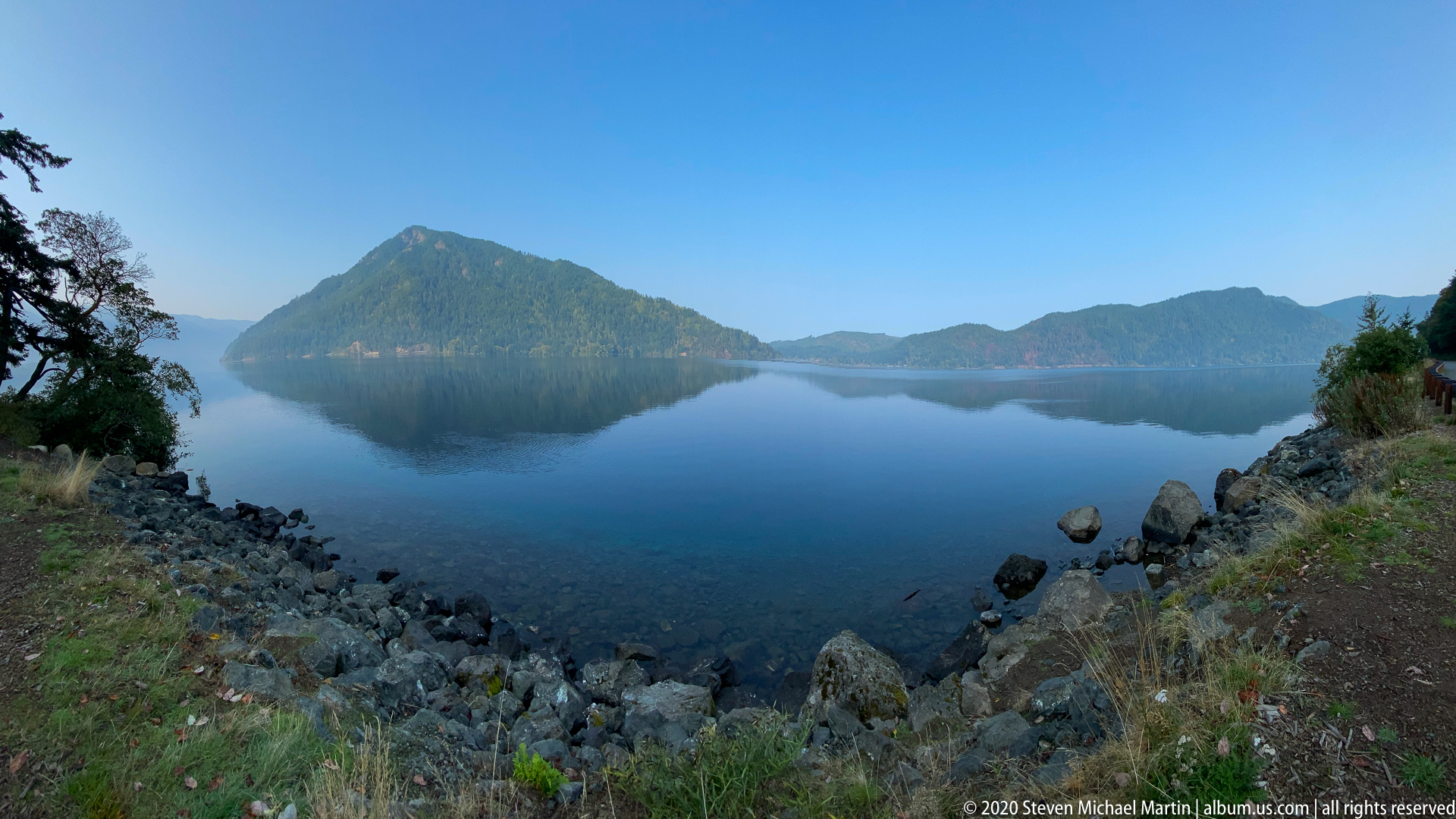
Olympic National Park — Lake Quinault Lake Quinault lies within a temperate rainforest environment characterized by high precipitation and dense vegetation. Moisture supports the growth of moss, ferns, and large conifer trees that create layered forest structure. The lake surface reflects surrounding vegetation, reinforcing the sense of continuity between land and water. Glacial processes contributed […]
Olympic National Park — Totem Poles Totem poles found within the Olympic Peninsula region illustrate the artistic traditions of Indigenous cultures of the Pacific Northwest. Carved cedar poles depict symbolic figures representing lineage, stories, and cultural identity. The placement of these works within forest environments reflects the connection between artistic expression and the surrounding landscape. […]
Olympic National Park — Hurricane Ridge Hurricane Ridge offers one of the most accessible high elevation viewpoints within Olympic National Park. The location provides wide views across the Olympic Mountain range, where glacially shaped ridges extend in multiple directions. Changing weather conditions often produce shifting light patterns across the landscape. The surrounding terrain includes alpine […]
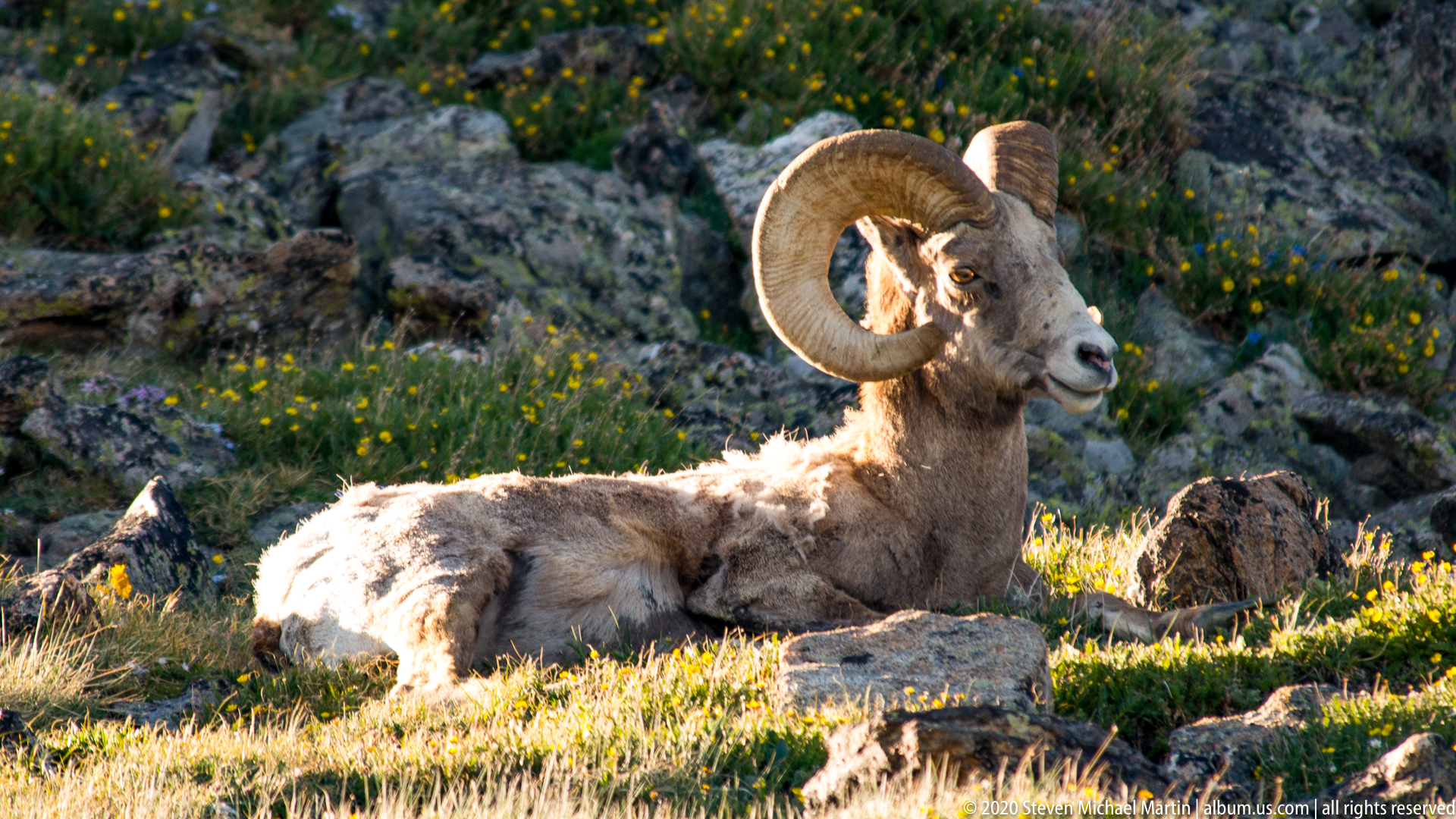
Alpine Meadows – Rocky Mountain National Park Alpine meadows within Rocky Mountain National Park preserve high elevation tundra environments shaped by cold temperatures, strong winds, and short growing seasons. Vegetation in these areas adapts to harsh climatic conditions, producing low-growing plants that can survive exposure to snow and wind. The meadows illustrate the ecological influence […]
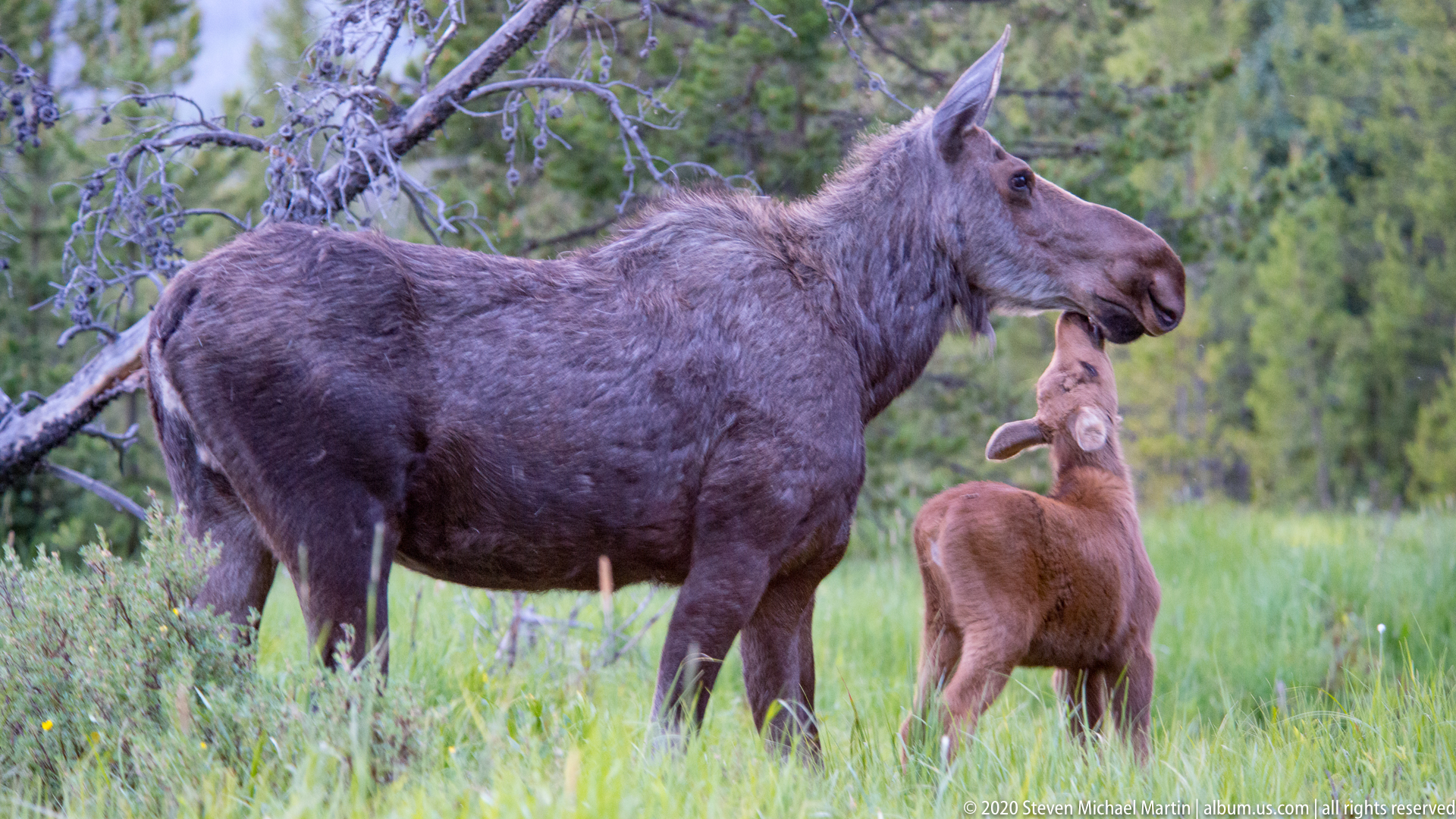
Rocky Mountain National Park Rocky Mountain National Park preserves a high elevation landscape defined by rugged peaks, alpine lakes, and glacially shaped valleys. The park contains portions of the Continental Divide and illustrates geological processes associated with mountain uplift and glaciation. The dramatic terrain reflects millions of years of tectonic forces that raised the Rocky […]
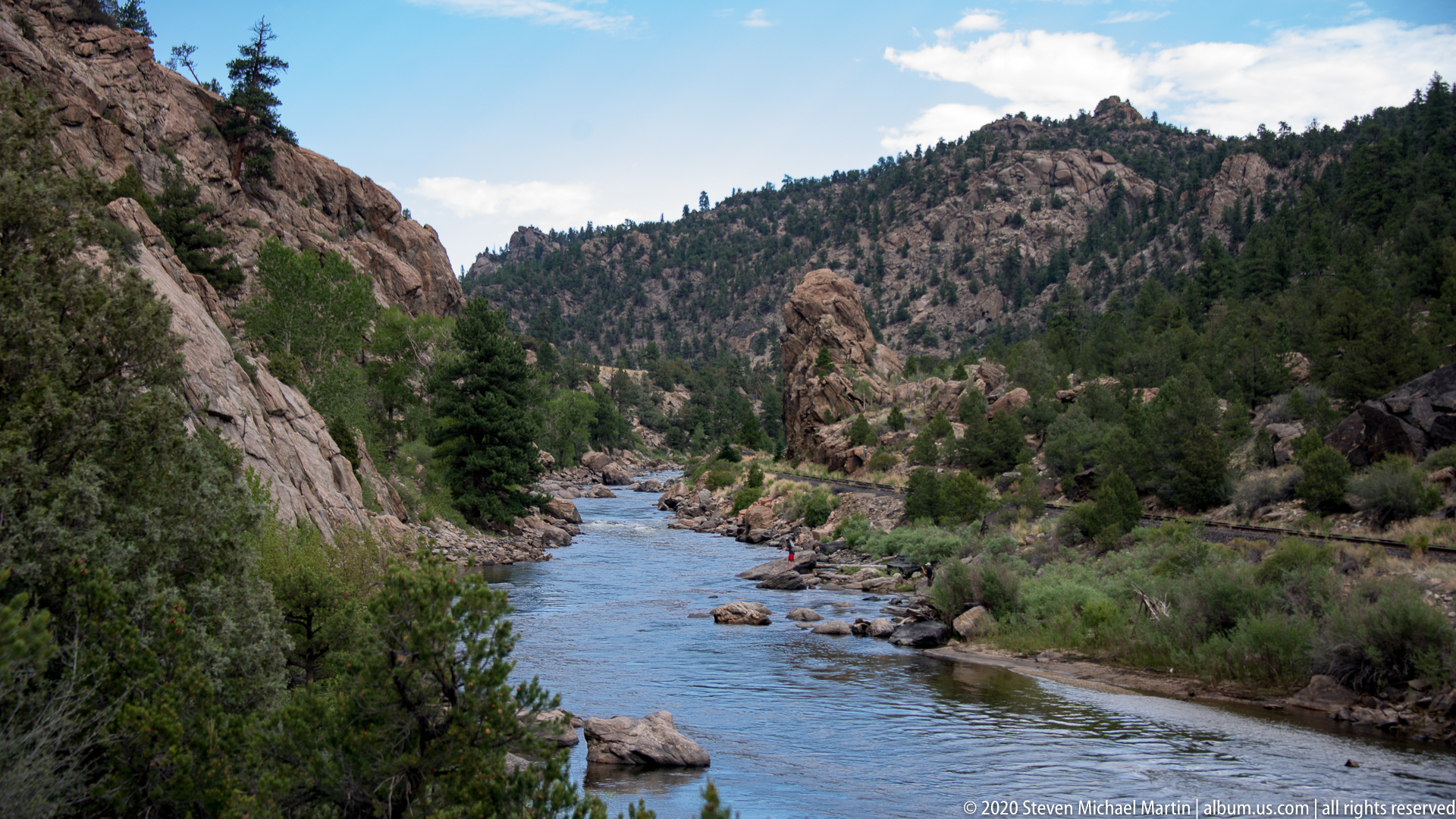
Browns Canyon National Monument Browns Canyon National Monument preserves a rugged river corridor along the Arkansas River characterized by granite cliffs, forested slopes, and high elevation terrain. The landscape reflects geological processes associated with uplift of the Rocky Mountains and long-term erosion by flowing water. The canyon environment illustrates the transition from plateau landscapes to […]
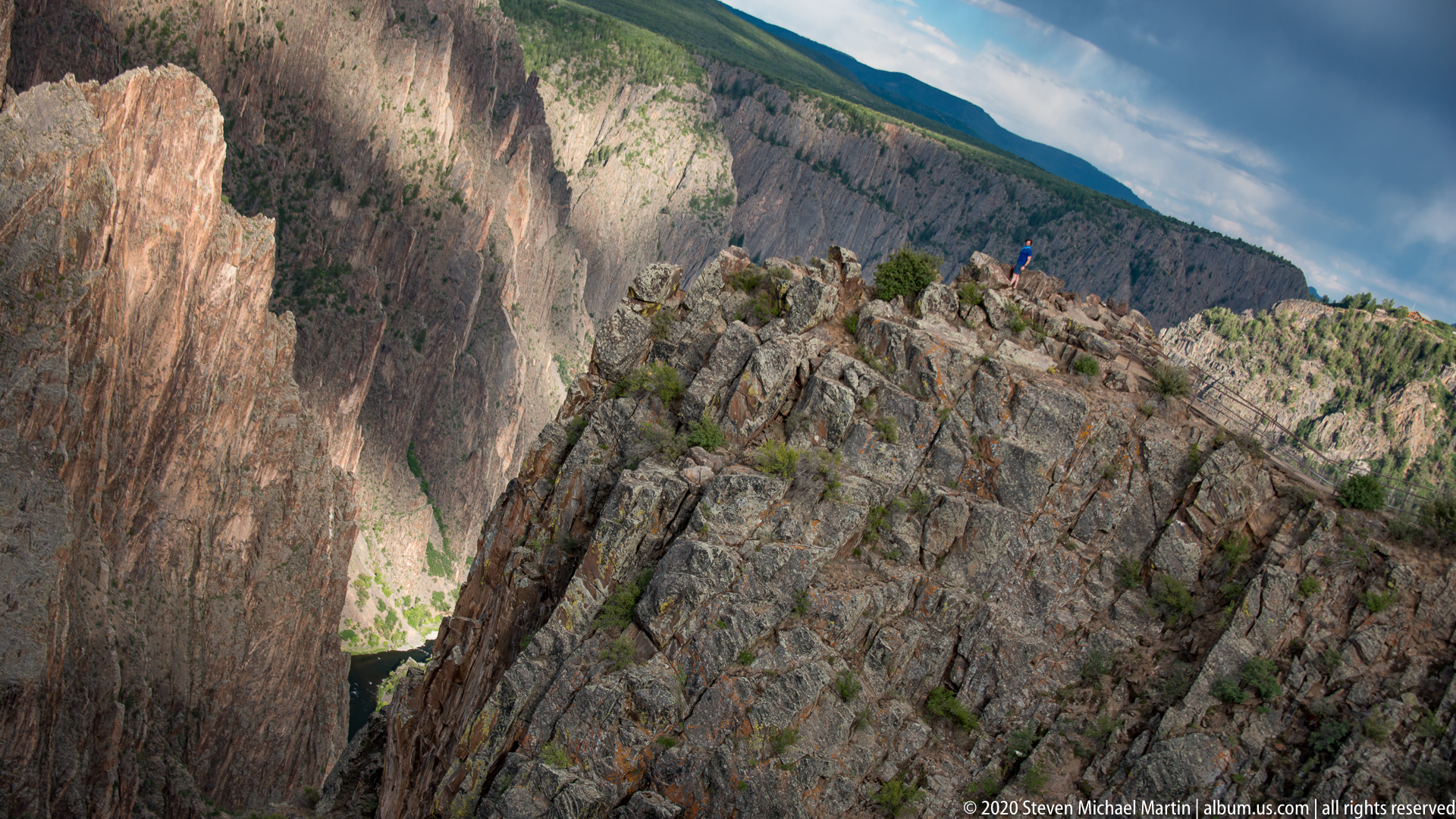
Black Canyon of the Gunnison National Park Black Canyon of the Gunnison National Park preserves one of the steepest and most dramatic canyon landscapes in the American West. The Gunnison River carved this narrow canyon through hard Precambrian rock and younger igneous intrusions, creating sheer walls and remarkable depth within a relatively tight corridor. The […]
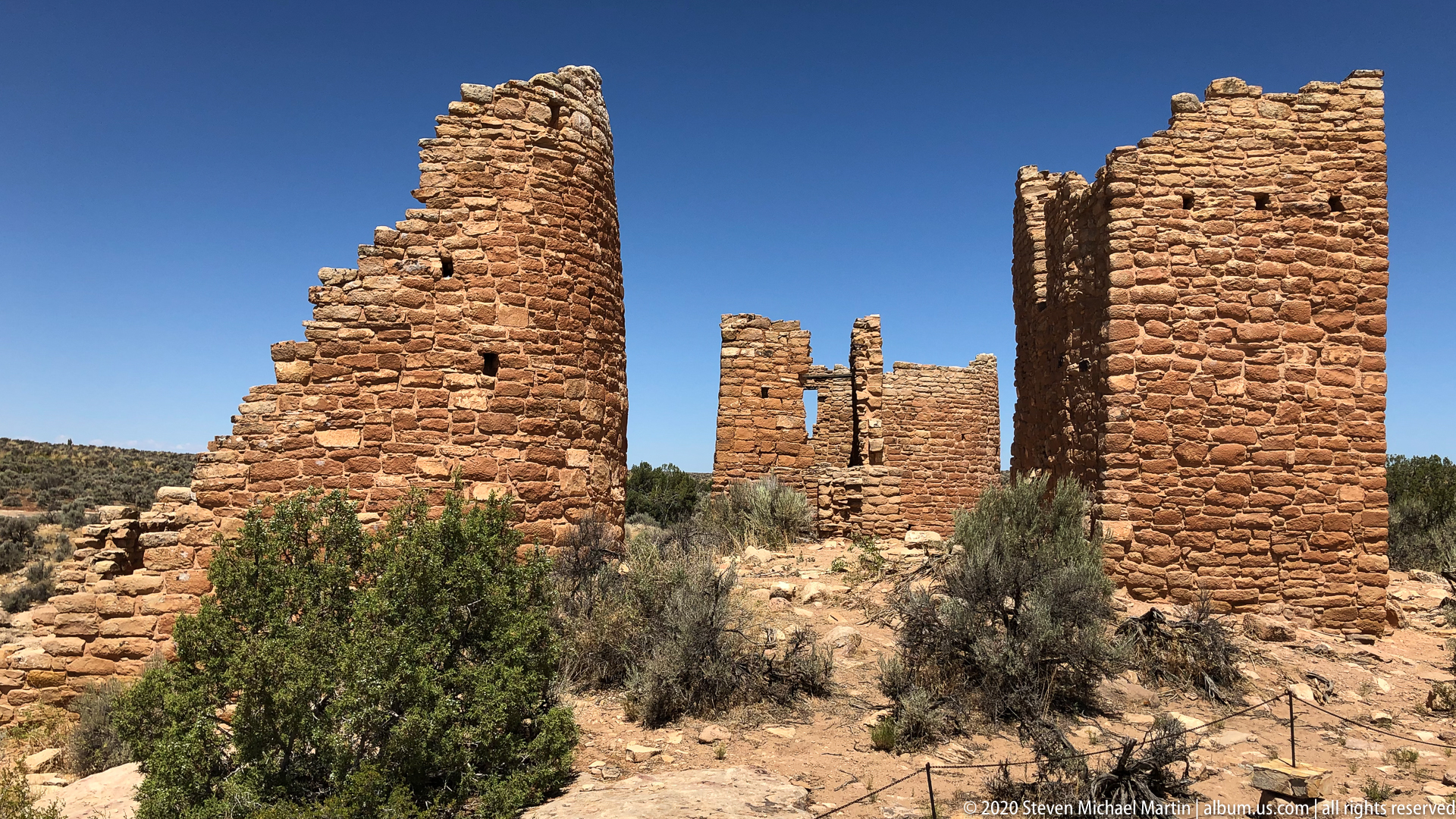
Hovenweep National Monument Hovenweep National Monument preserves a series of ancestral Puebloan sites distributed across canyon heads and mesa edges in the Four Corners region. The stone towers and masonry structures reflect a distinctive pattern of settlement that combined defensive positioning, community organization, and adaptation to arid environmental conditions. The monument illustrates the close relationship […]
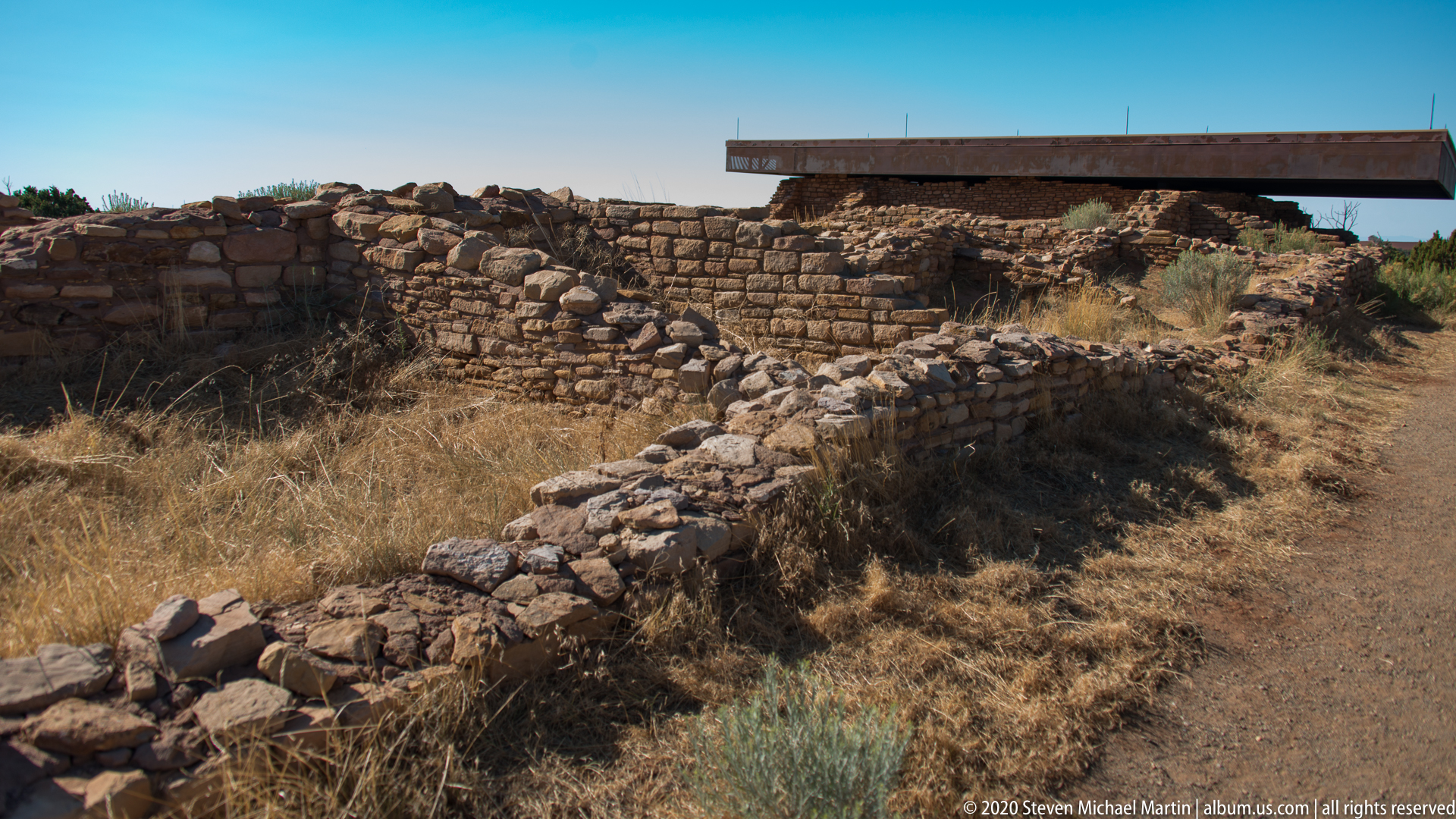
Canyons of the Ancients National Monument Canyons of the Ancients National Monument preserves one of the highest concentrations of archaeological sites in the United States, reflecting the long cultural history of ancestral Puebloan communities across the Four Corners region. The landscape includes canyon systems, mesas, and plateau environments shaped by erosion acting upon sedimentary rock […]
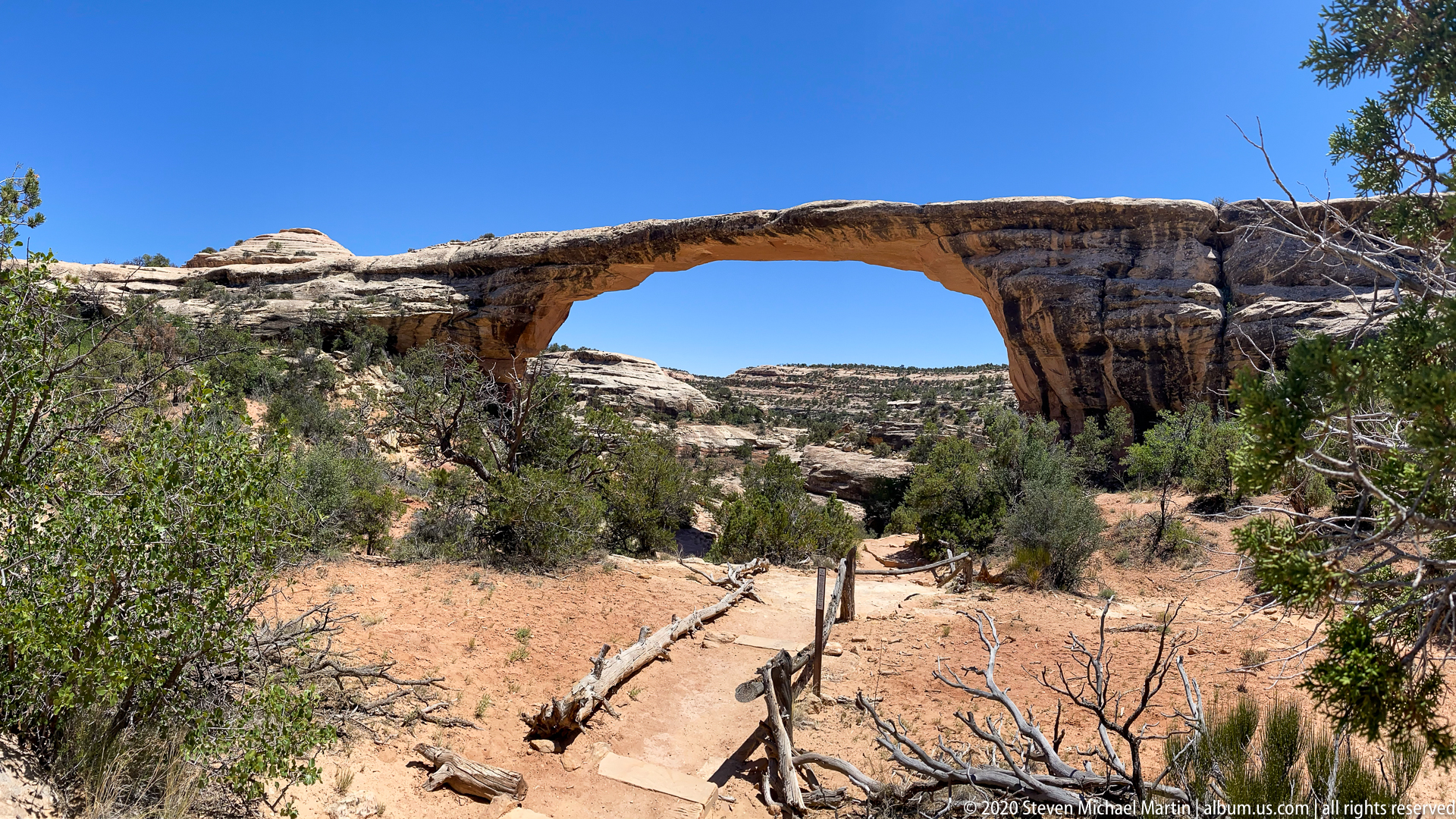
Natural Bridges National Monument Natural Bridges National Monument preserves three large natural bridges formed through erosion acting upon sandstone canyon walls. Unlike arches formed primarily through weathering, these bridges were created by flowing water that gradually carved openings through rock layers. The formations demonstrate the influence of river systems on the development of distinctive geological […]