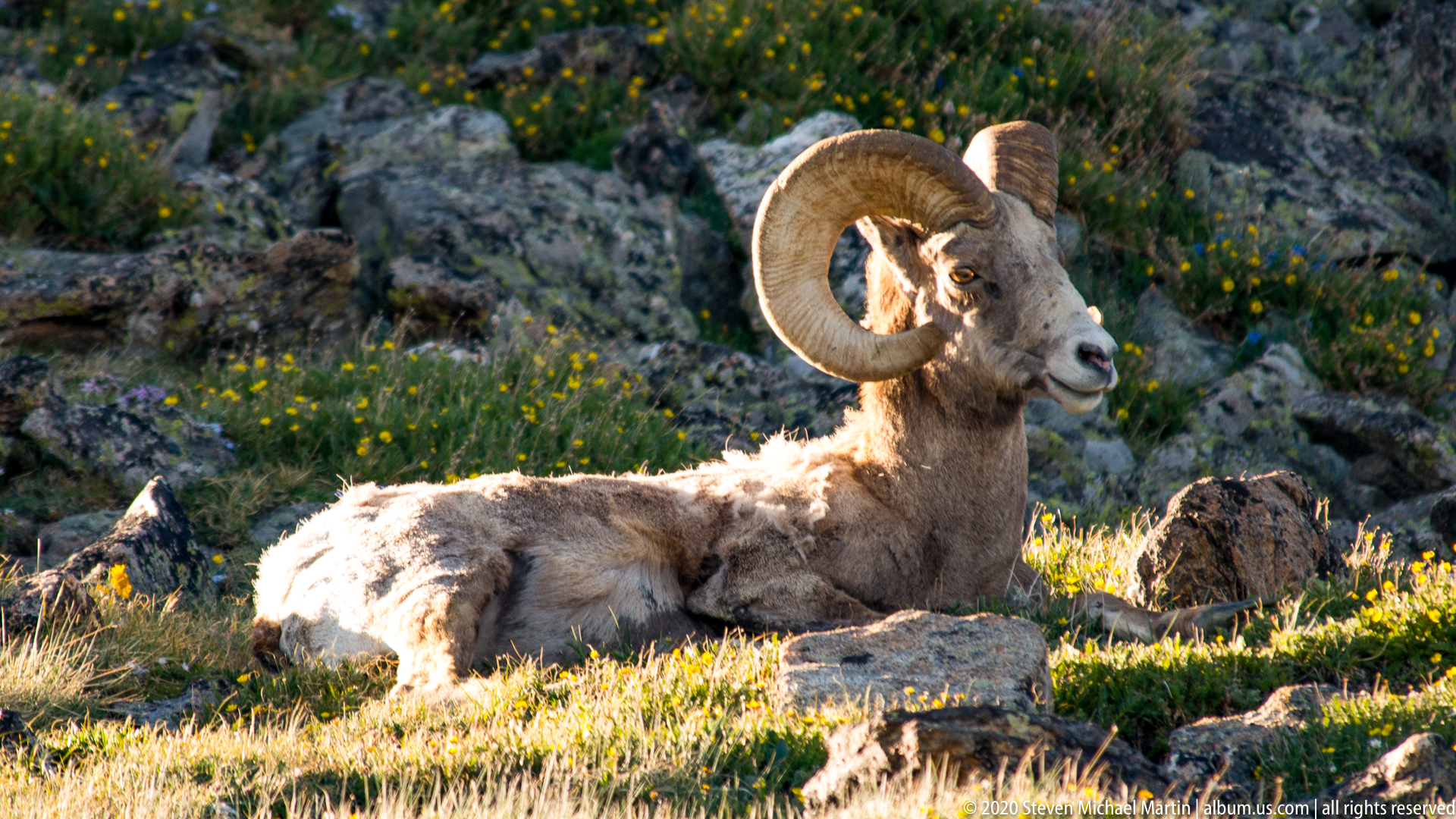
Alpine Meadows – Rocky Mountain National Park Alpine meadows within Rocky Mountain National Park preserve high elevation tundra environments shaped by cold temperatures, strong winds, and short growing seasons. Vegetation in these areas adapts to harsh climatic conditions, producing low-growing plants that can survive exposure to snow and wind. The meadows illustrate the ecological influence […]
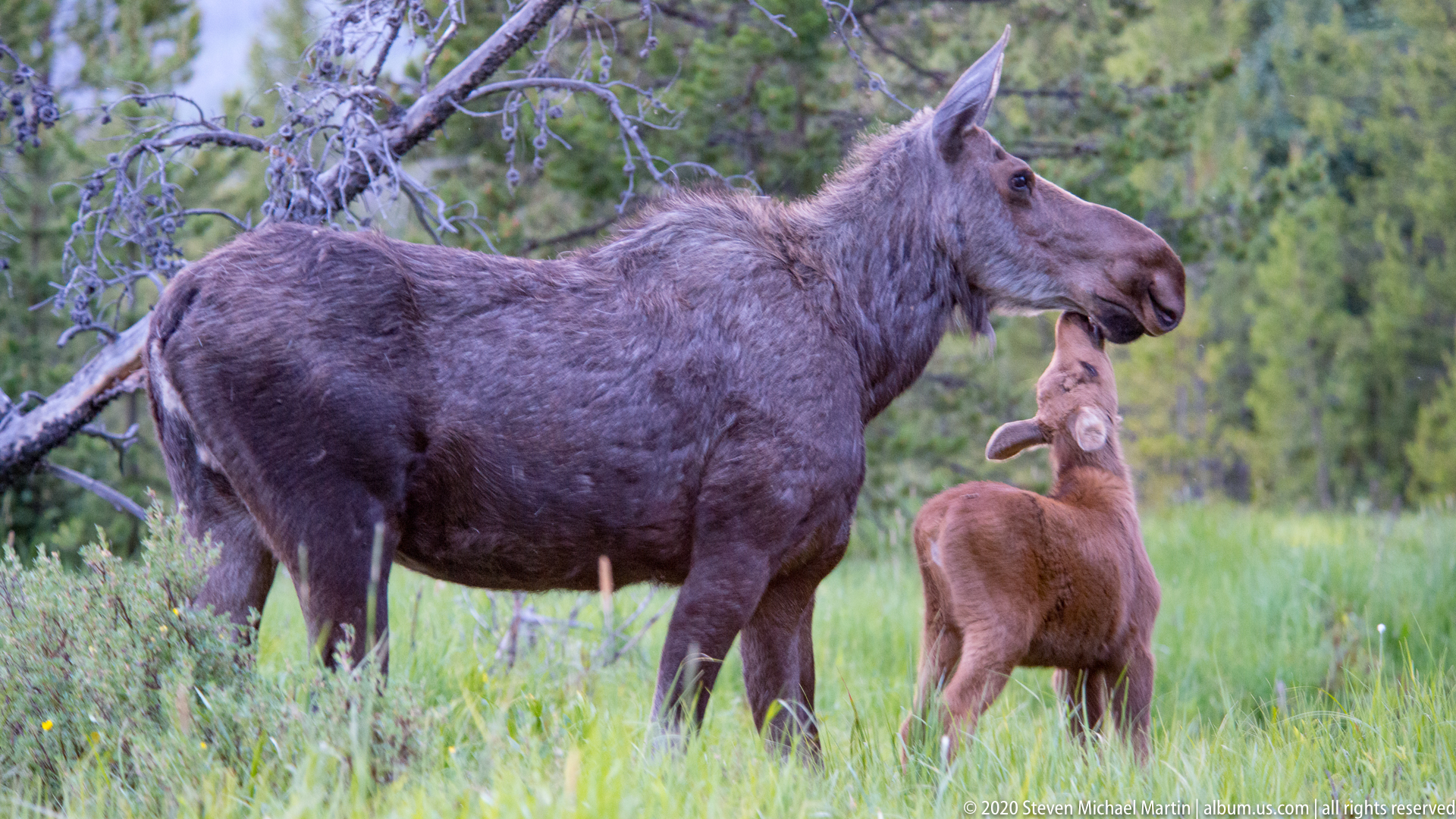
Rocky Mountain National Park Rocky Mountain National Park preserves a high elevation landscape defined by rugged peaks, alpine lakes, and glacially shaped valleys. The park contains portions of the Continental Divide and illustrates geological processes associated with mountain uplift and glaciation. The dramatic terrain reflects millions of years of tectonic forces that raised the Rocky […]
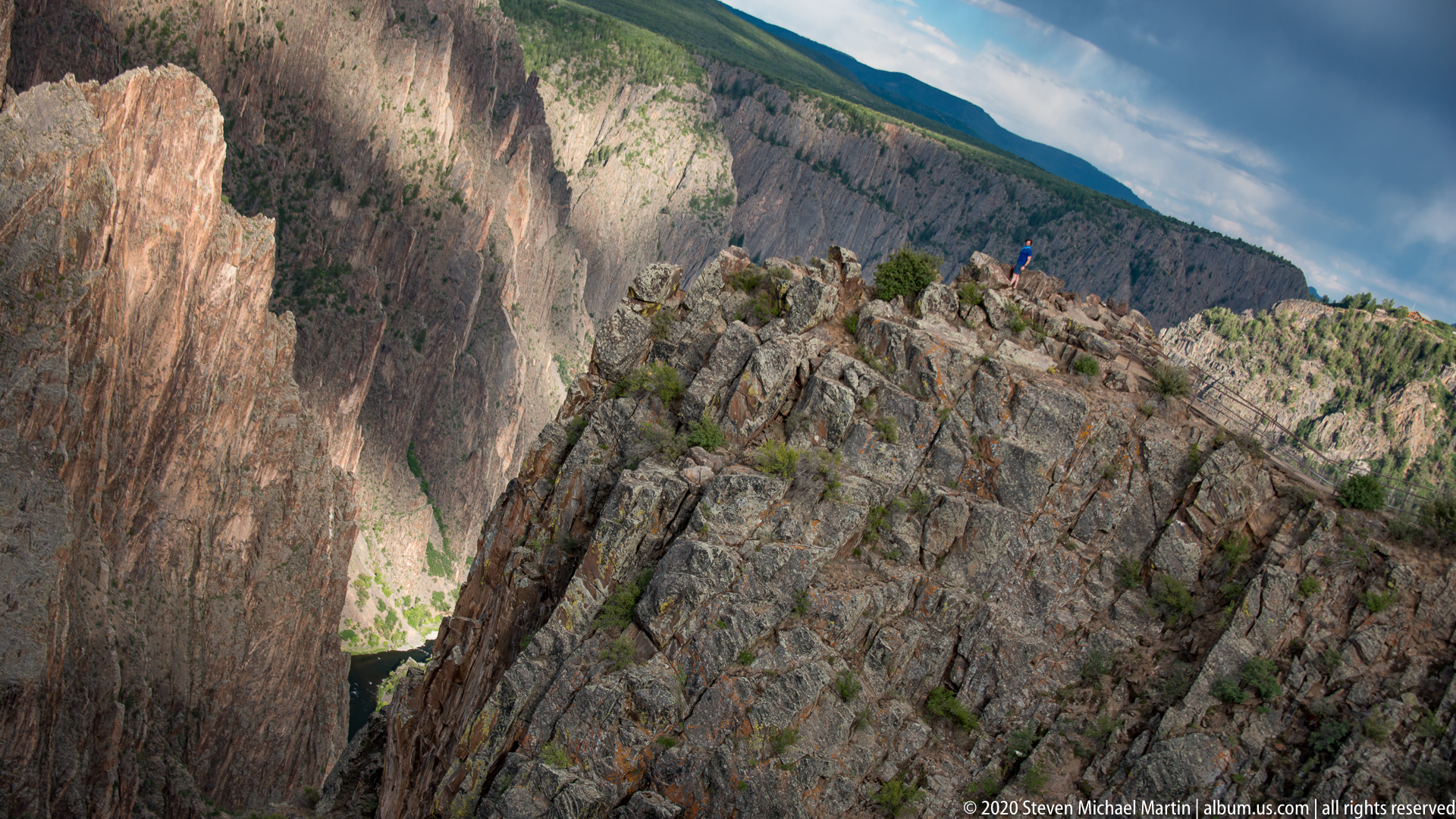
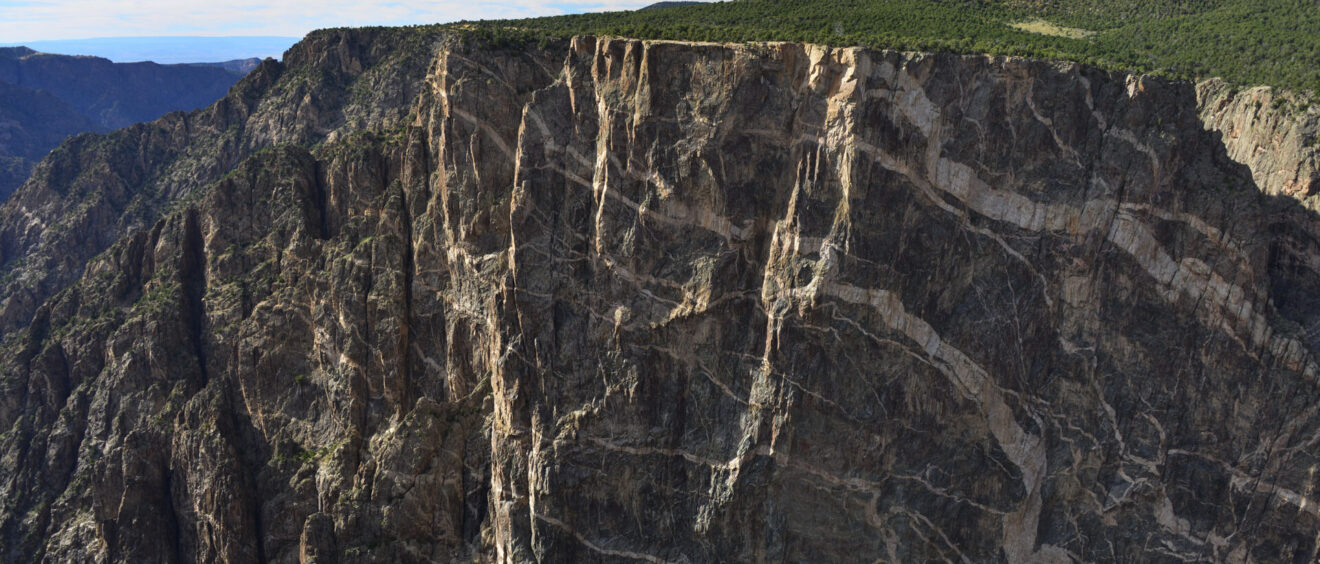
Black Canyon of the Gunnison National Park Black Canyon of the Gunnison National Park preserves one of the steepest and most dramatic canyon landscapes in the American West. The Gunnison River carved this narrow canyon through hard Precambrian rock and younger igneous intrusions, creating sheer walls and remarkable depth within a relatively tight corridor. The […]
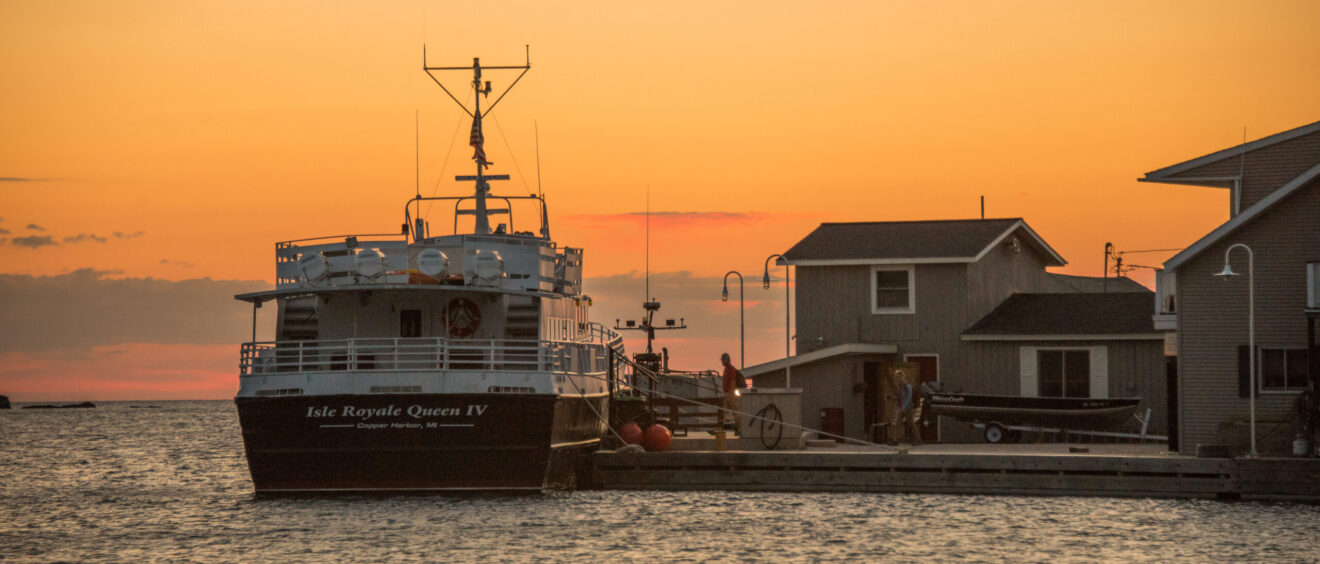
Isle Royale National Park Isle Royale National Park protects a remote island archipelago located in Lake Superior and represents one of the most isolated national parks in the contiguous United States. Accessible primarily by ferry or seaplane, the park preserves a largely undeveloped wilderness characterized by forested ridges, inland lakes, and rocky shoreline landscapes. Its […]
Voyageurs National Park Voyageurs National Park preserves a landscape of interconnected lakes and waterways that closely resemble the environments traveled by French and French-Canadian voyageurs during the height of the fur trade. Located along the border between the United States and Canada, the park includes large expanses of water separated by forested islands and rocky […]
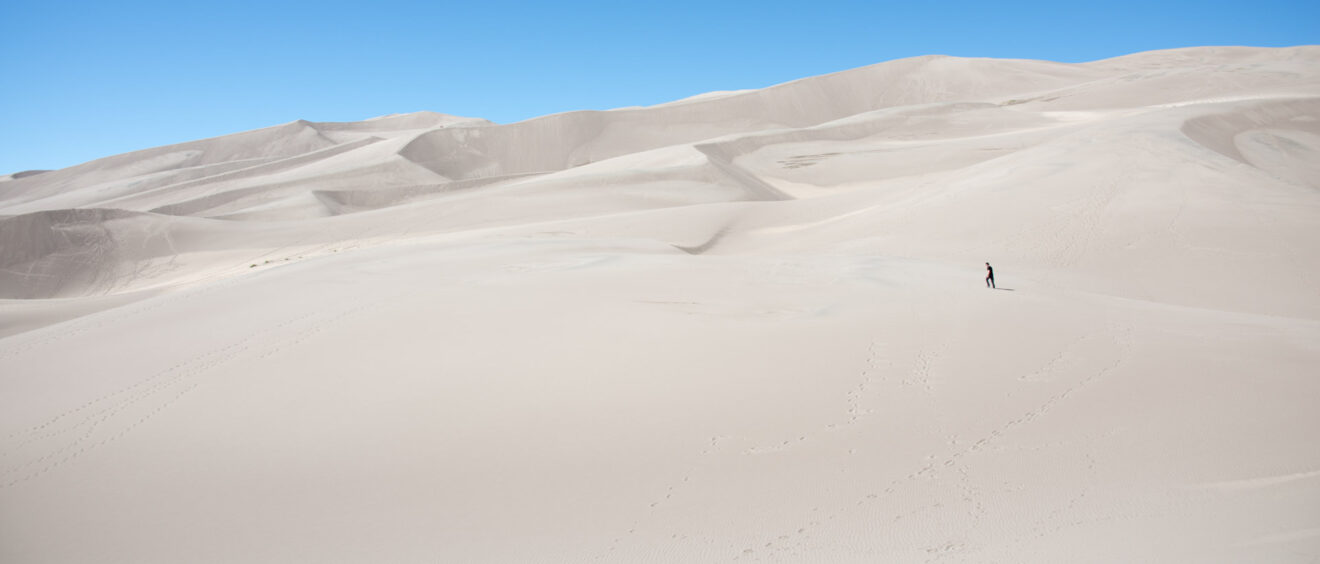
Great Sand Dunes National Park Great Sand Dunes National Park preserves a remarkable landscape of towering dunes formed by wind patterns interacting with the Sangre de Cristo Mountains. Sand carried across the San Luis Valley accumulates at the base of the mountains, creating dunes that reach heights exceeding 700 feet. The contrast between alpine peaks […]
Black Canyon of the Gunnison National Park Black Canyon of the Gunnison reveals the immense power of river erosion acting on resistant metamorphic rock. The Gunnison River has carved an exceptionally narrow and deep canyon, creating sheer cliffs that descend dramatically toward the river below. The dark appearance of the canyon walls gives the park […]
Rocky Mountain National Park – Fall River The Fall River corridor reveals the influence of water in shaping alpine landscapes as snowmelt descends from higher elevations into forested valleys. Flowing streams, rocky banks, and surrounding mountain slopes create a transition zone between high alpine terrain and lower elevation ecosystems. The area reflects the geological forces […]
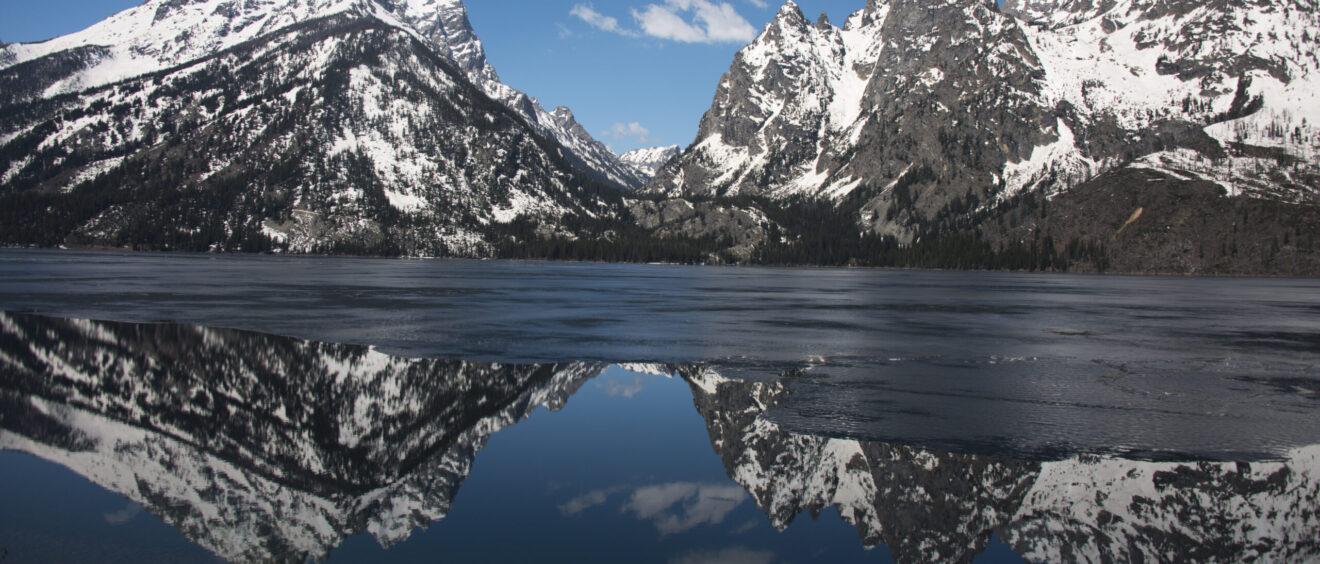
Grand Teton National Park Grand Teton National Park preserves dramatic mountain landscapes formed through tectonic uplift along the Teton fault. The Teton Range rises sharply above the Jackson Hole valley, illustrating how movement of the earth’s crust created steep elevation differences across relatively short distances. Glacial activity further shaped the terrain, carving valleys and forming […]
Yellowstone Stars Remote regions of Yellowstone National Park provide opportunities to observe dark night skies largely unaffected by urban light pollution. High elevation, low population density, and protected landscapes contribute to favorable conditions for viewing stars, constellations, and the Milky Way. These conditions illustrate how protected environments preserve natural phenomena that are increasingly difficult to […]