Randy Foster

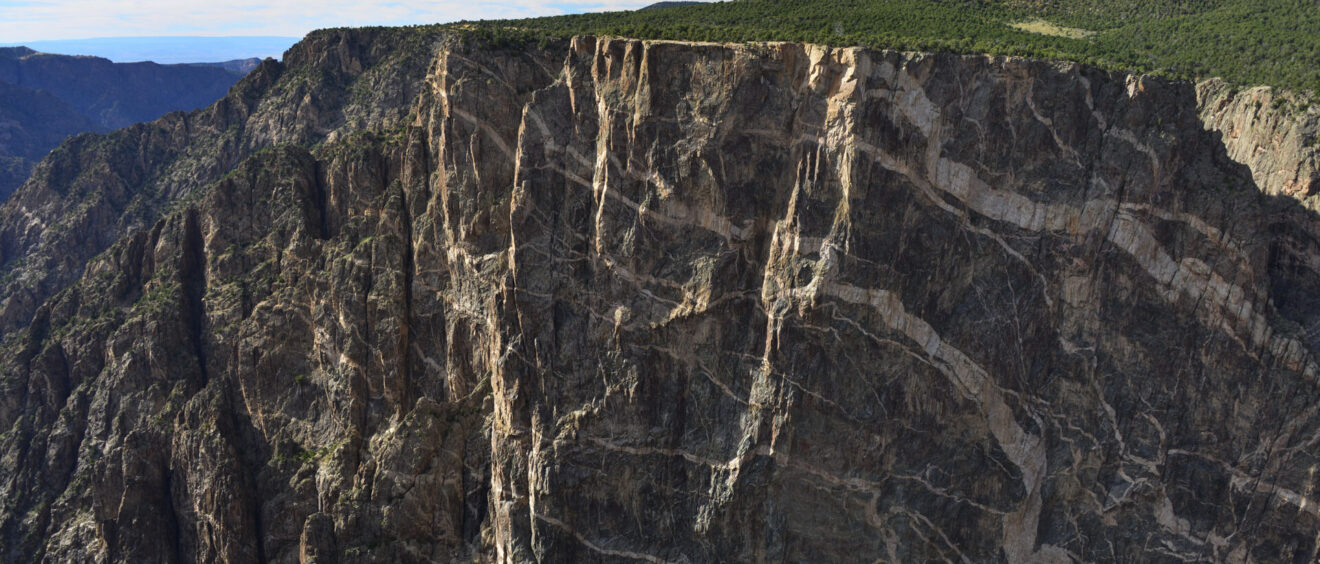
Black Canyon of the Gunnison NP

Black Canyon of the Gunnison National Park Black Canyon of the Gunnison reveals the immense power of river erosion acting on resistant metamorphic rock. The Gunnison River has carved an exceptionally narrow and deep canyon, creating sheer cliffs that descend dramatically toward the river below. The dark appearance of the canyon walls gives the park […]

Explore Portfolio

Rocky Mountain NP – Fall River

Rocky Mountain National Park – Fall River The Fall River corridor reveals the influence of water in shaping alpine landscapes as snowmelt descends from higher elevations into forested valleys. Flowing streams, rocky banks, and surrounding mountain slopes create a transition zone between high alpine terrain and lower elevation ecosystems. The area reflects the geological forces […]

Explore Portfolio

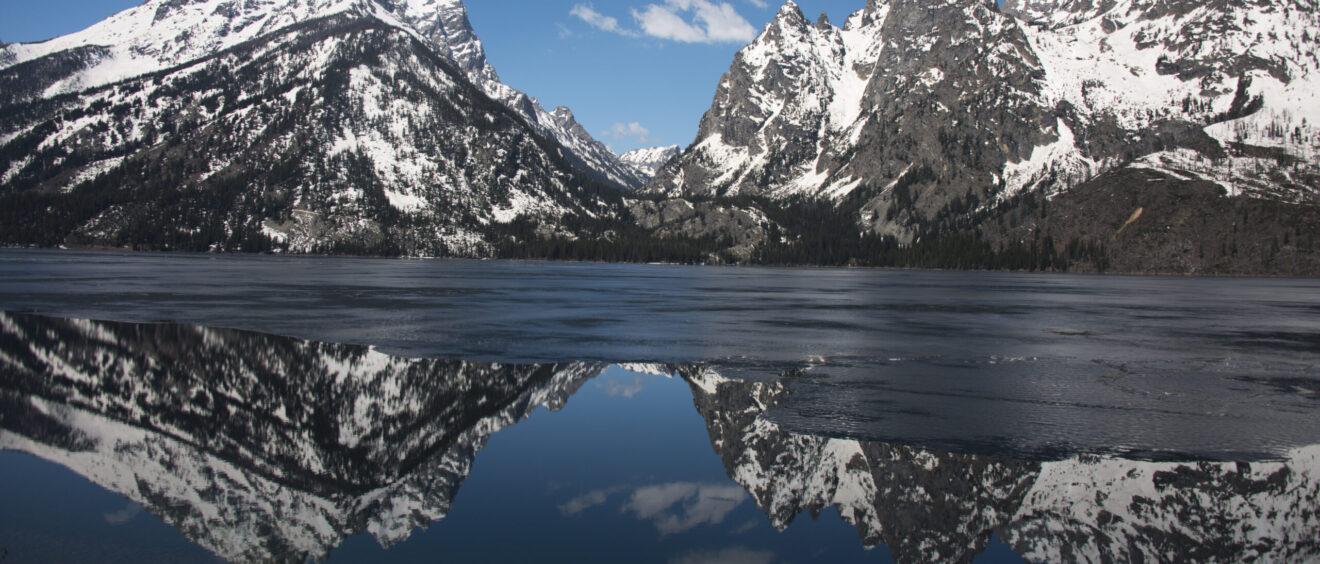
Grand Teton NP

Grand Teton National Park Grand Teton National Park preserves dramatic mountain landscapes formed through tectonic uplift along the Teton fault. The Teton Range rises sharply above the Jackson Hole valley, illustrating how movement of the earth’s crust created steep elevation differences across relatively short distances. Glacial activity further shaped the terrain, carving valleys and forming […]

Explore Portfolio

Yellowstone NP – Stars

Yellowstone Stars Remote regions of Yellowstone National Park provide opportunities to observe dark night skies largely unaffected by urban light pollution. High elevation, low population density, and protected landscapes contribute to favorable conditions for viewing stars, constellations, and the Milky Way. These conditions illustrate how protected environments preserve natural phenomena that are increasingly difficult to […]

Explore Portfolio

Yellowstone NP

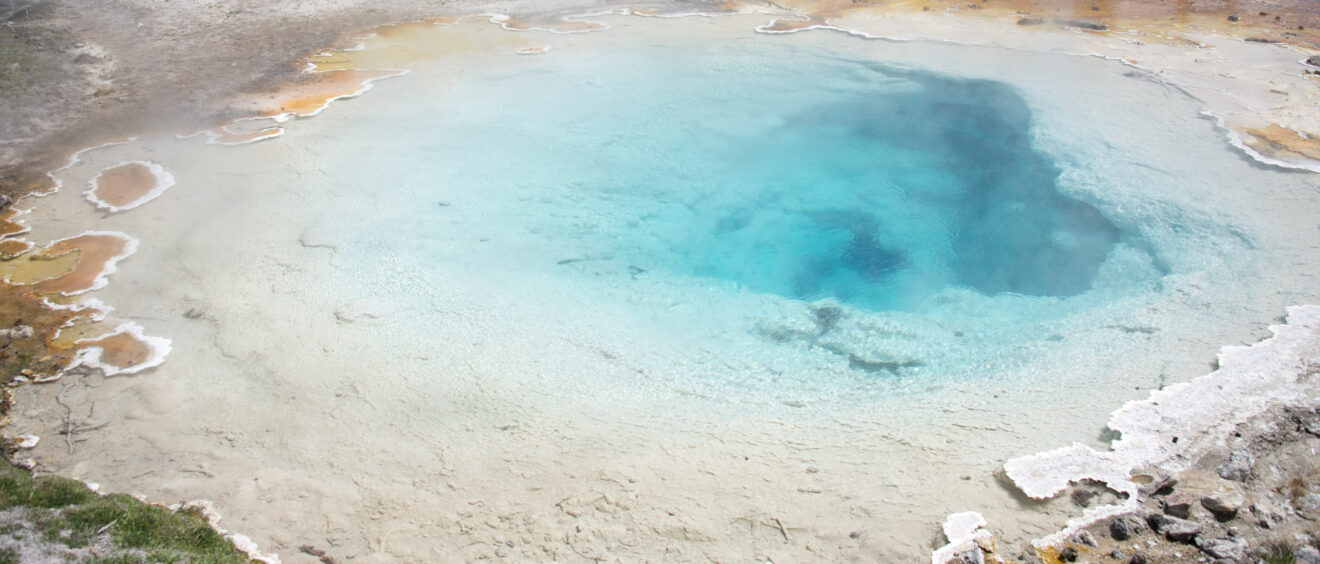
Yellowstone National Park Yellowstone National Park contains one of the most geologically dynamic landscapes in the world, shaped by volcanic activity beneath the Yellowstone Plateau. The park sits above a large volcanic caldera that produces geothermal features including geysers, hot springs, and fumaroles. These features illustrate ongoing geological processes driven by heat within the earth’s […]

Explore Portfolio

Badlands NP

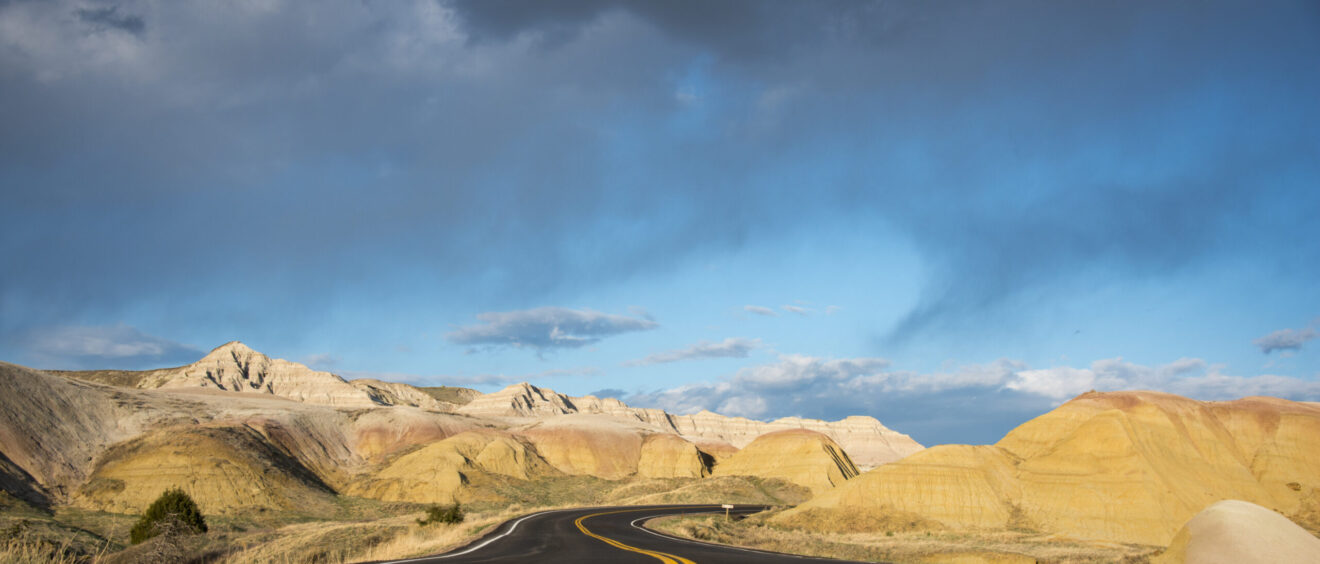
Badlands National Park Badlands National Park preserves a landscape of sharply eroded rock formations shaped by wind and water erosion over millions of years. Layered sedimentary deposits contain fossils from ancient mammals that lived in subtropical environments long before the development of modern grasslands. The terrain illustrates how environmental conditions changed significantly across geological time […]

Explore Portfolio

Wind Cave NP

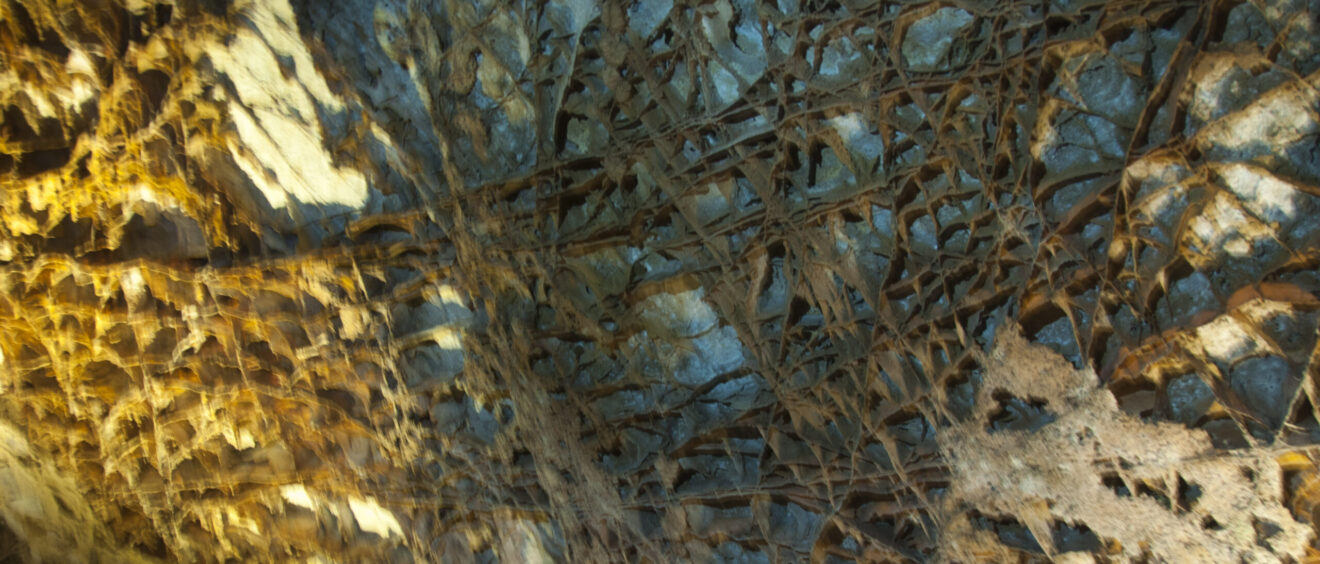
Wind Cave National Park Wind Cave National Park preserves one of the longest cave systems in the world, notable for rare boxwork formations created by mineral deposits within cracks in the limestone bedrock. The cave developed as groundwater dissolved soluble rock layers, gradually forming underground chambers and passageways. Unique mineral structures illustrate geological processes that […]

Explore Portfolio

Hot Springs NP

Hot Springs Hot Springs is known for geothermal waters that emerge naturally from the ground after being heated deep within the earth’s crust. As groundwater travels through fractures in underlying rock formations, it is warmed by geothermal energy before returning to the surface enriched with dissolved minerals. These natural springs have attracted human visitors for […]

Explore Portfolio

Mammoth Cave NP

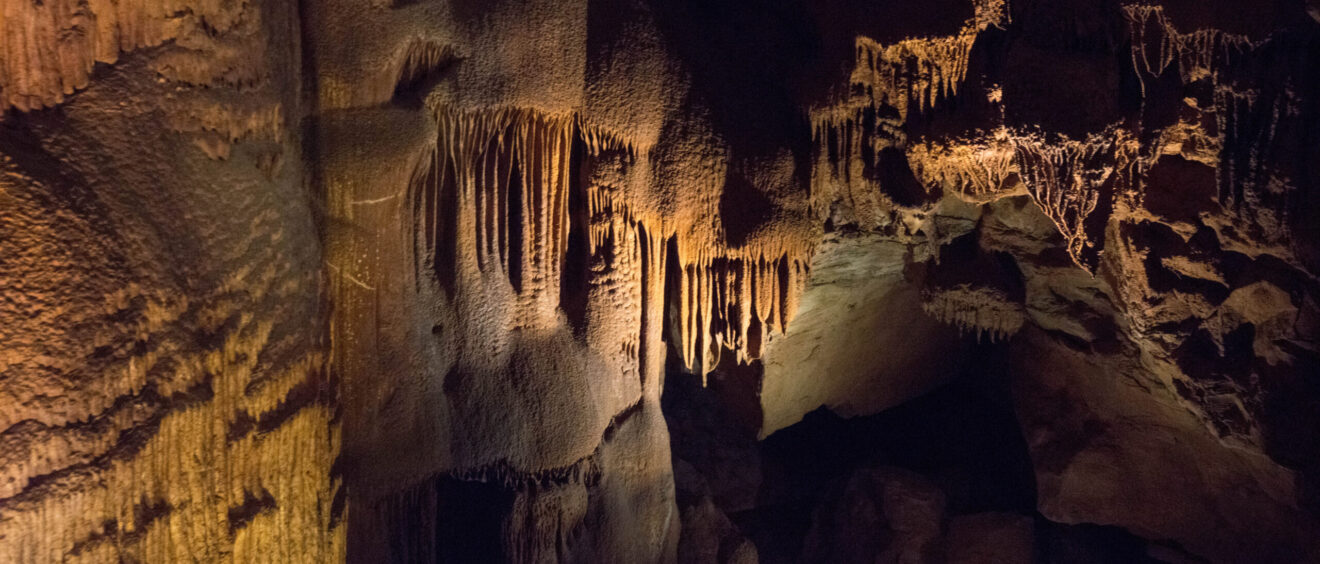
Mammoth Cave Mammoth Cave contains the longest known cave system in the world, with more than four hundred miles of mapped underground passages formed through the gradual dissolution of limestone bedrock. Over millions of years, slightly acidic groundwater carved tunnels, chambers, and passageways that created a complex subterranean landscape. The cave system illustrates how geological […]

Explore Portfolio

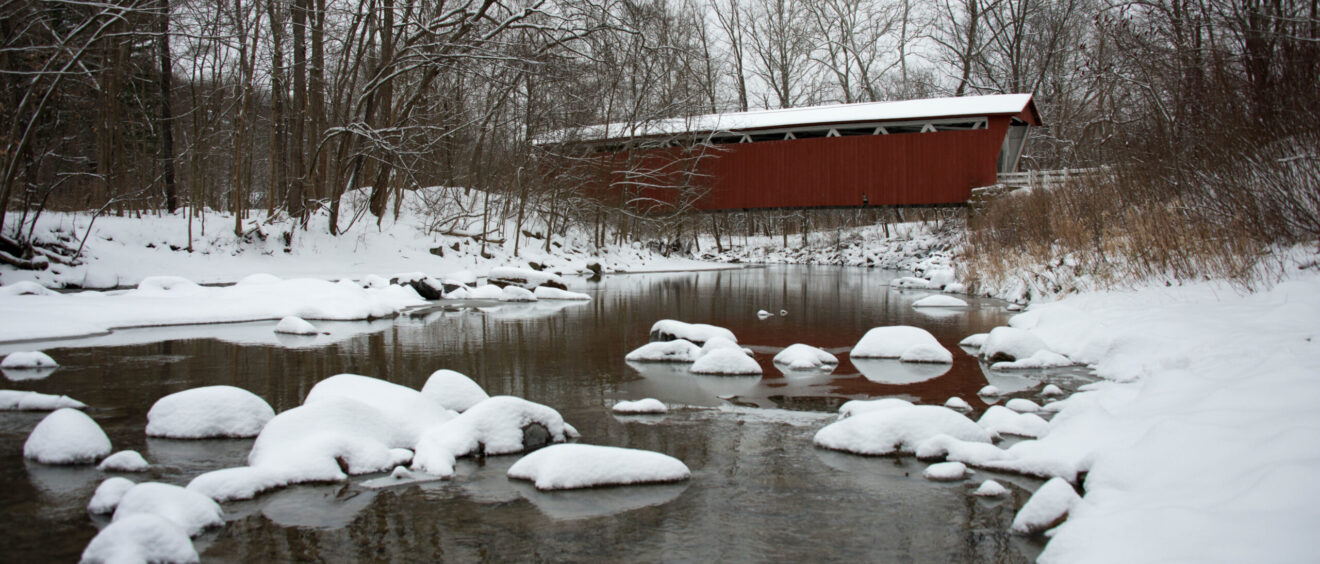
Cuyahoga Valley NP

Cuyahoga Valley Cuyahoga Valley preserves a landscape shaped by glacial movement, river erosion, and layered sedimentary rock formations that developed over hundreds of millions of years. The Cuyahoga River follows an unusual course, flowing south before turning north toward Lake Erie, reflecting the influence of glacial deposits that altered earlier drainage patterns. Waterfalls, wetlands, and […]

Explore Portfolio