Onion Portage – Kobuk Valley National Park
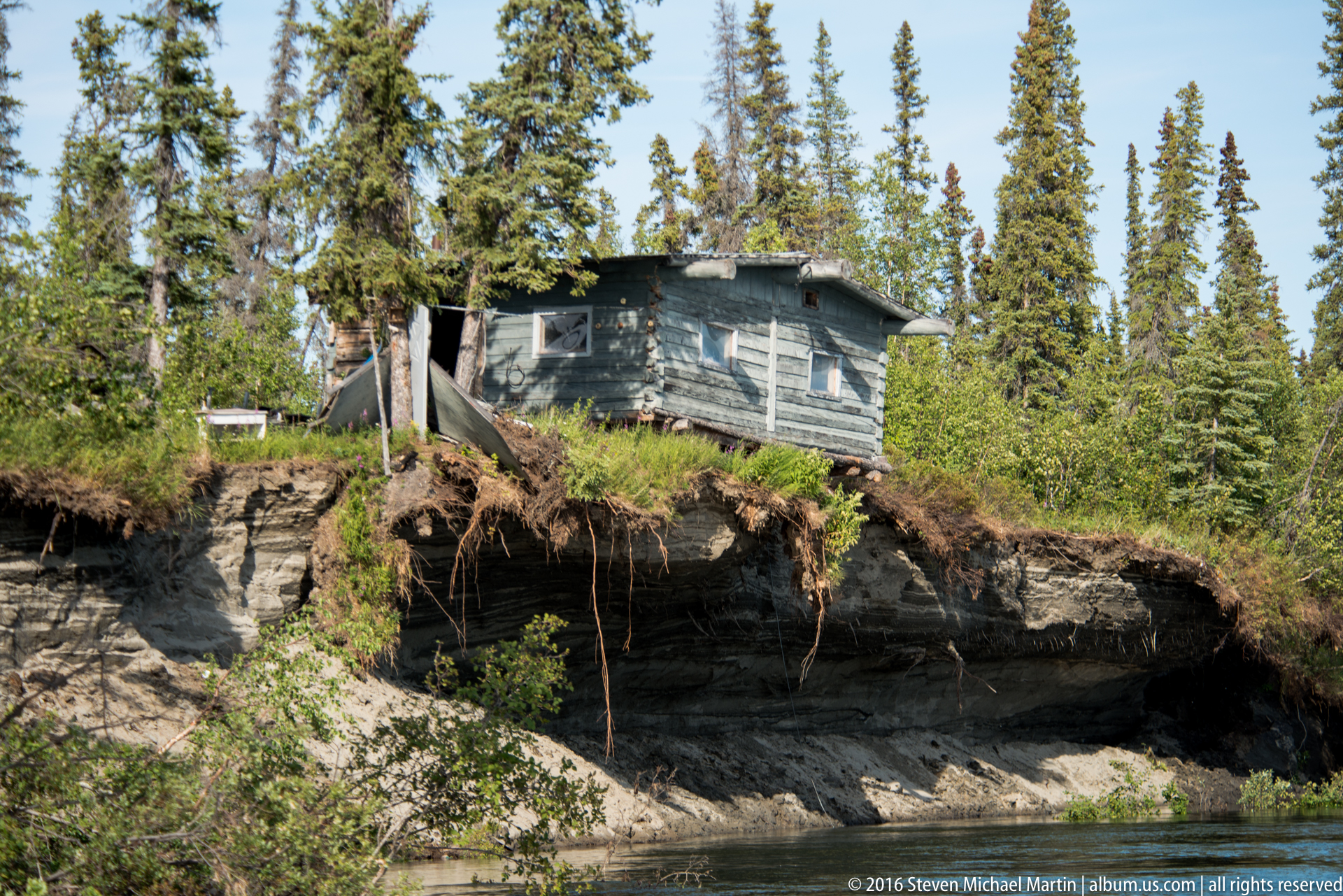
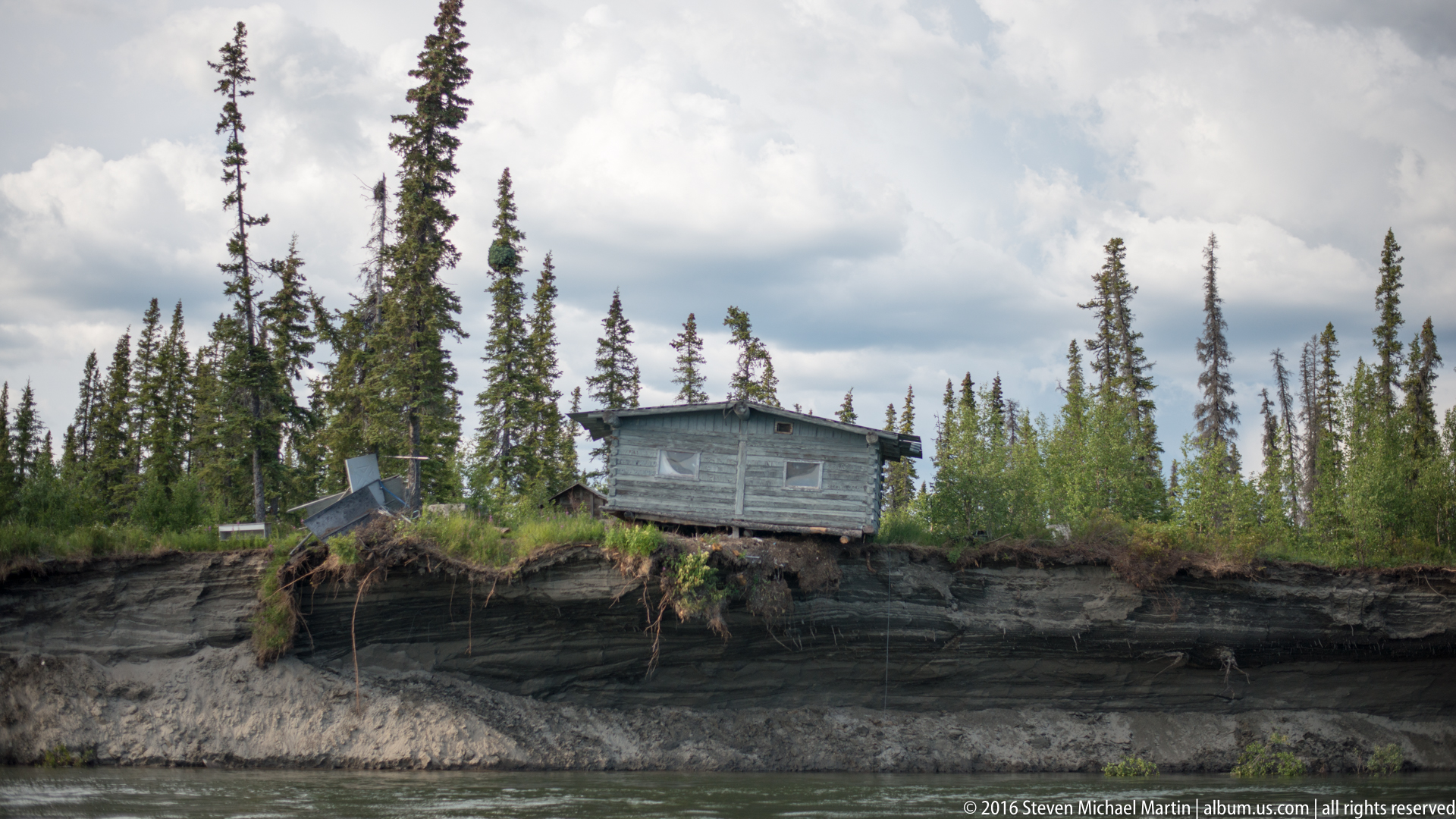
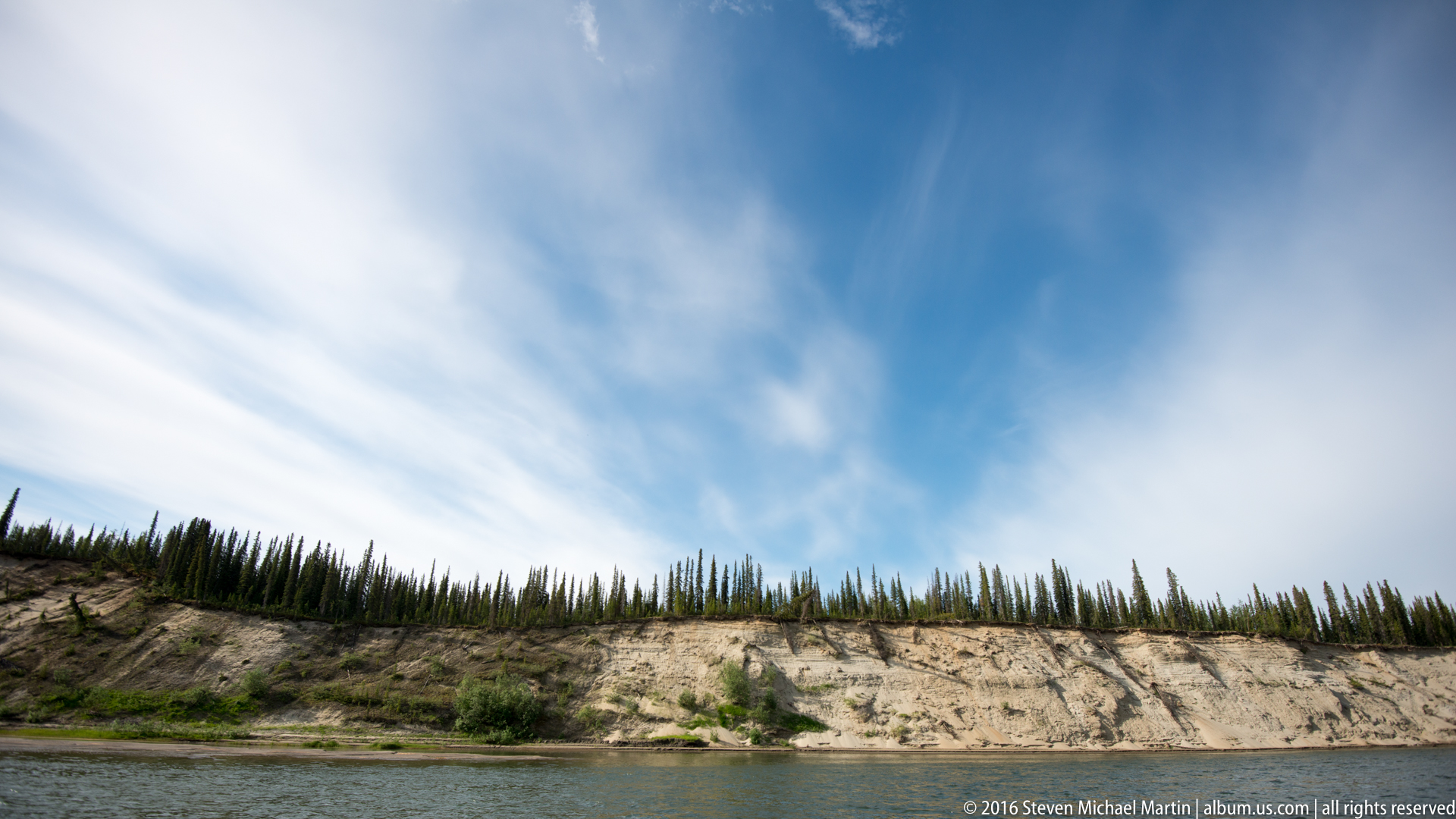
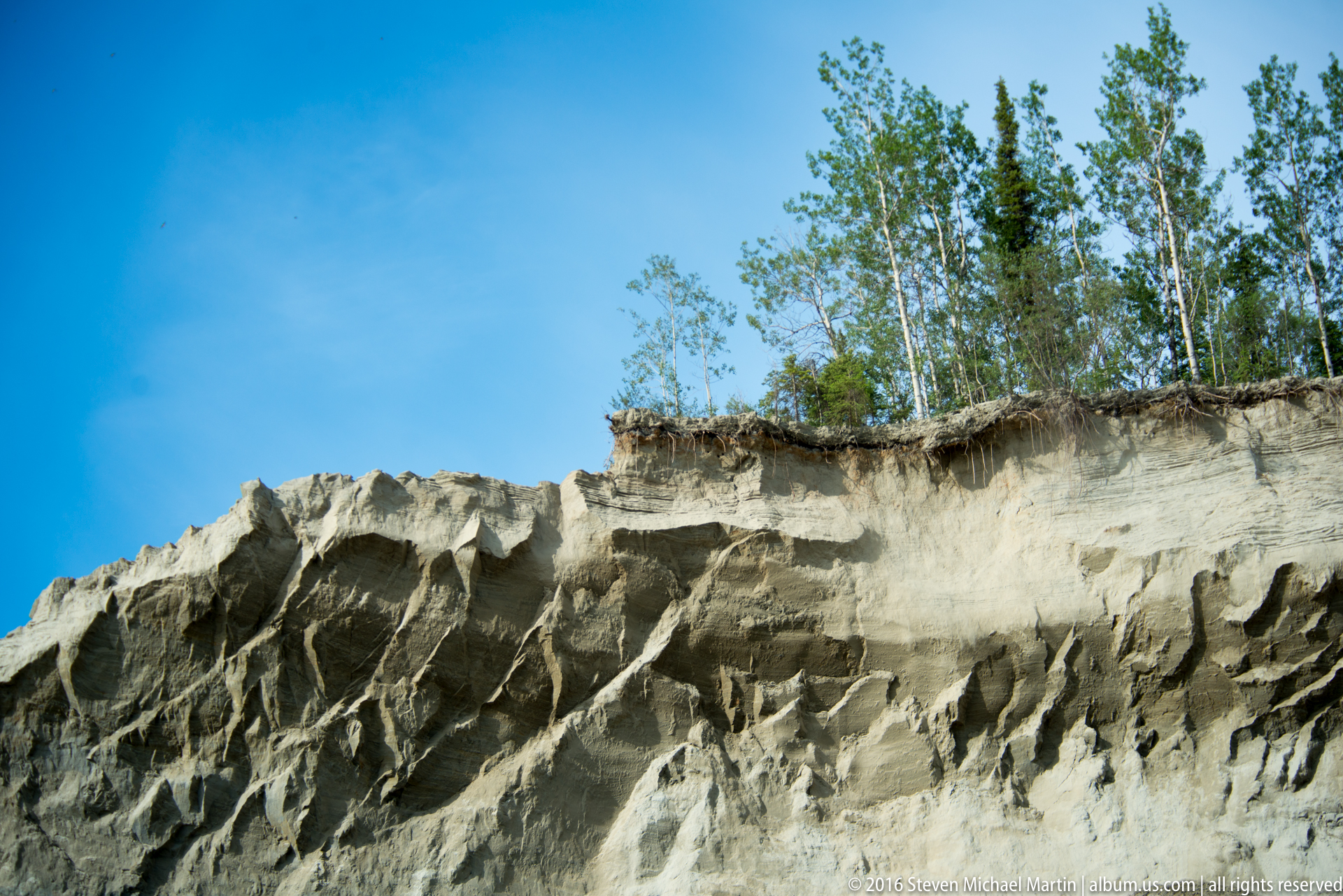
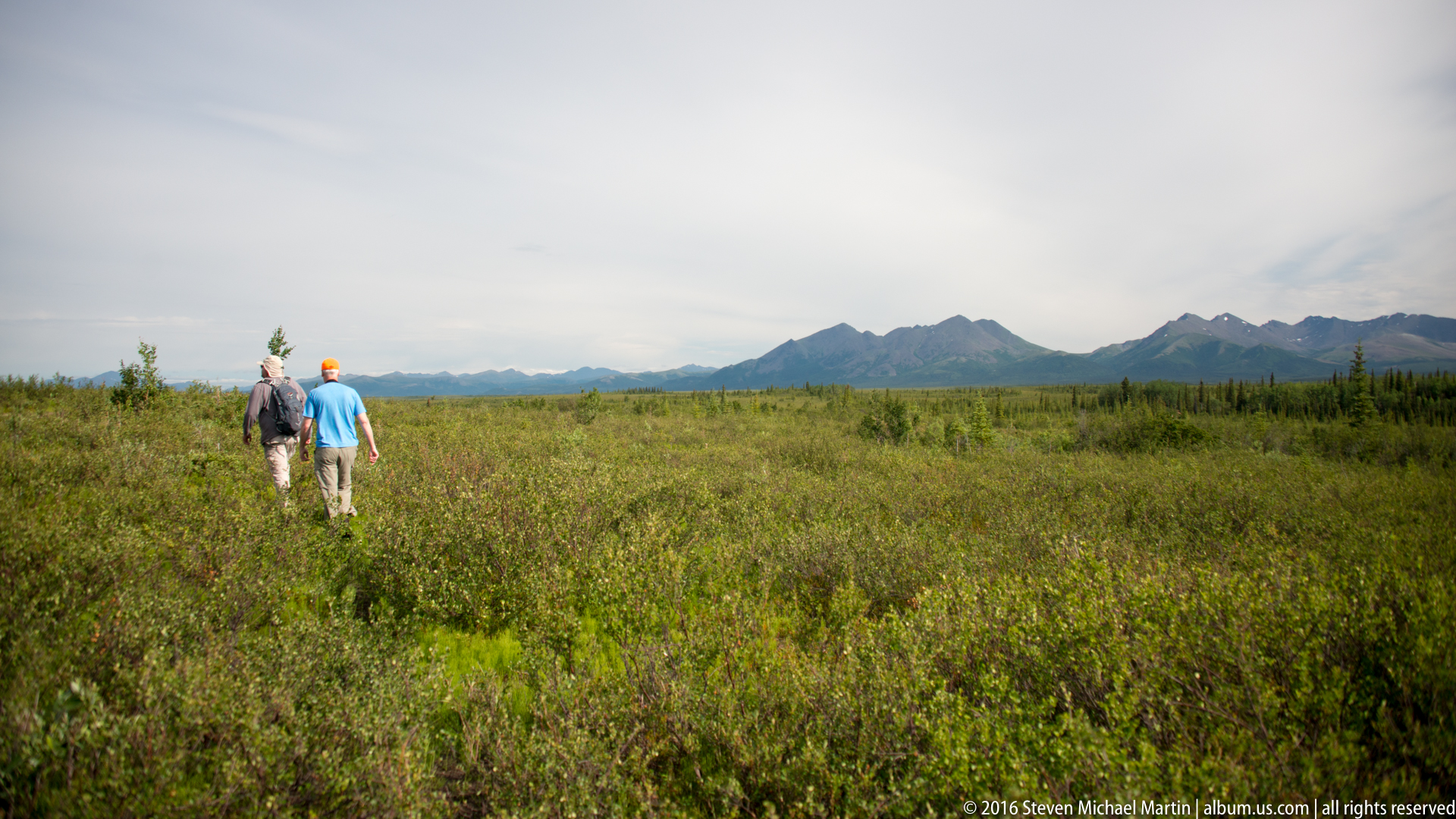
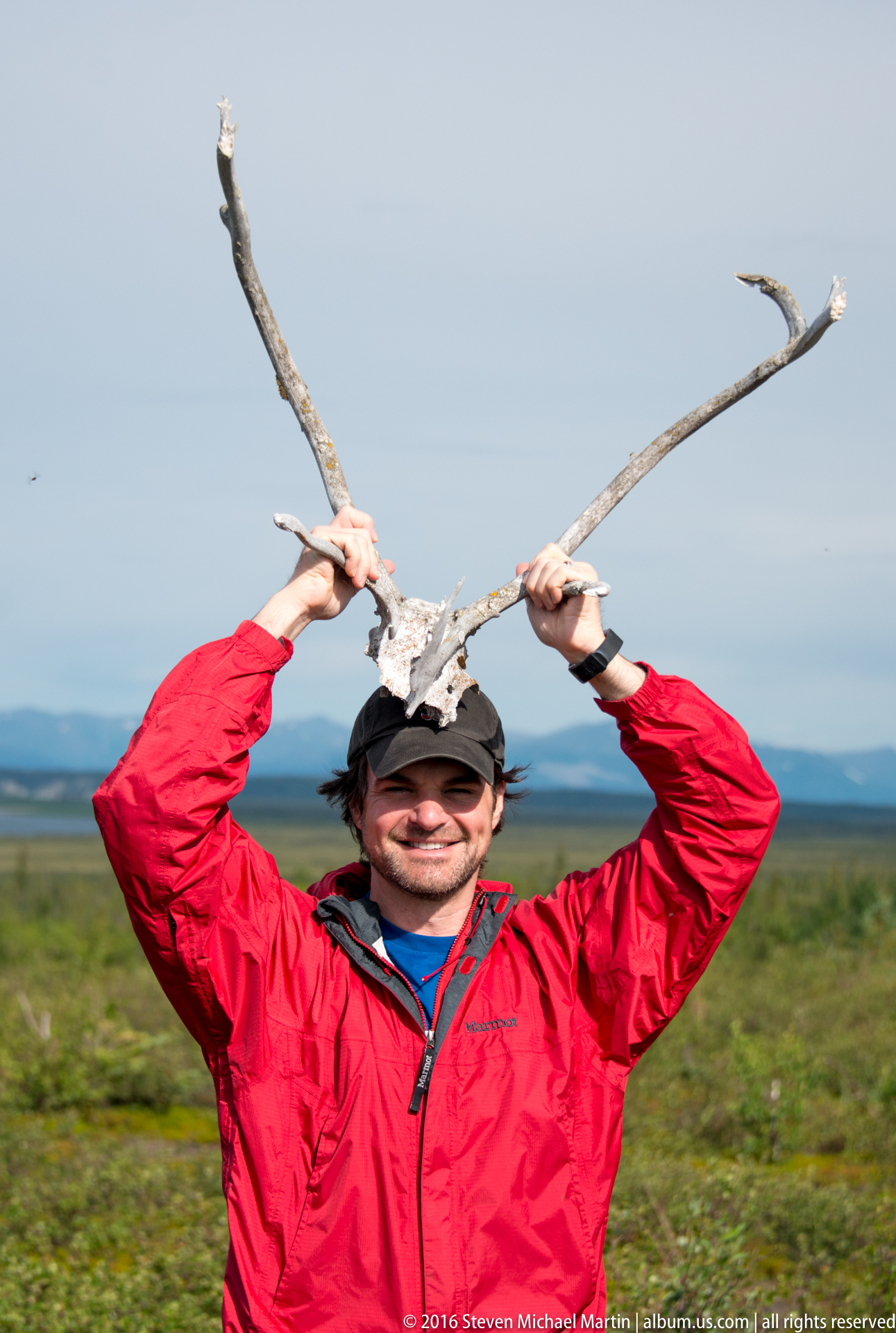
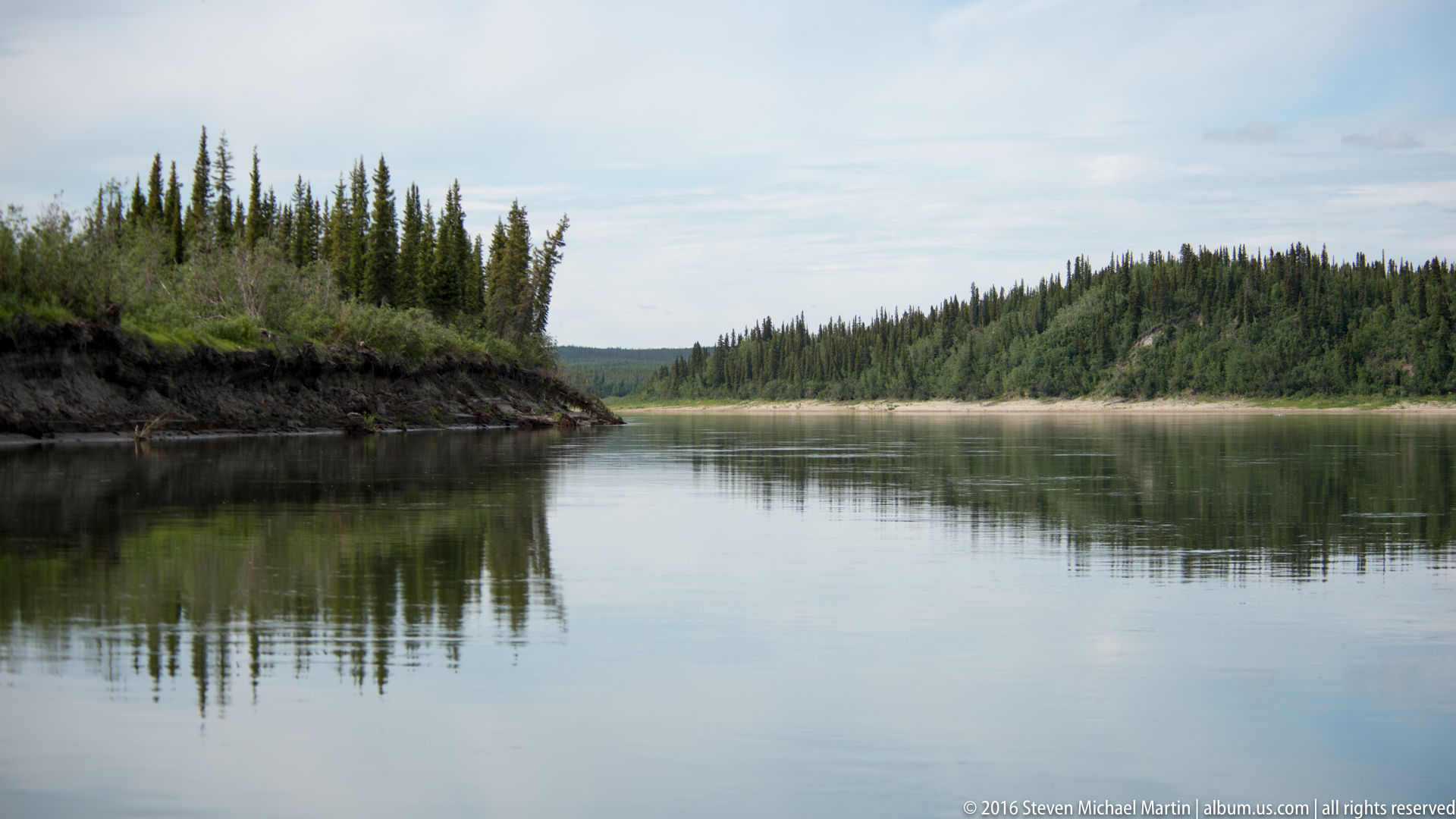
Onion Portage represents one of the most significant archaeological sites in Arctic Alaska and preserves evidence of human activity spanning thousands of years. Located along the Kobuk River, the site reflects a traditional crossing point used by migrating caribou herds and Indigenous communities who depended on these seasonal movements for subsistence. The location demonstrates the importance of geographic features in shaping long-term patterns of settlement and resource use.
Archaeological research has revealed cultural layers representing repeated occupation over millennia, providing valuable insight into technological development and adaptation to Arctic conditions. The site illustrates the continuity of human presence in the region and the ways in which environmental knowledge contributed to survival across generations.
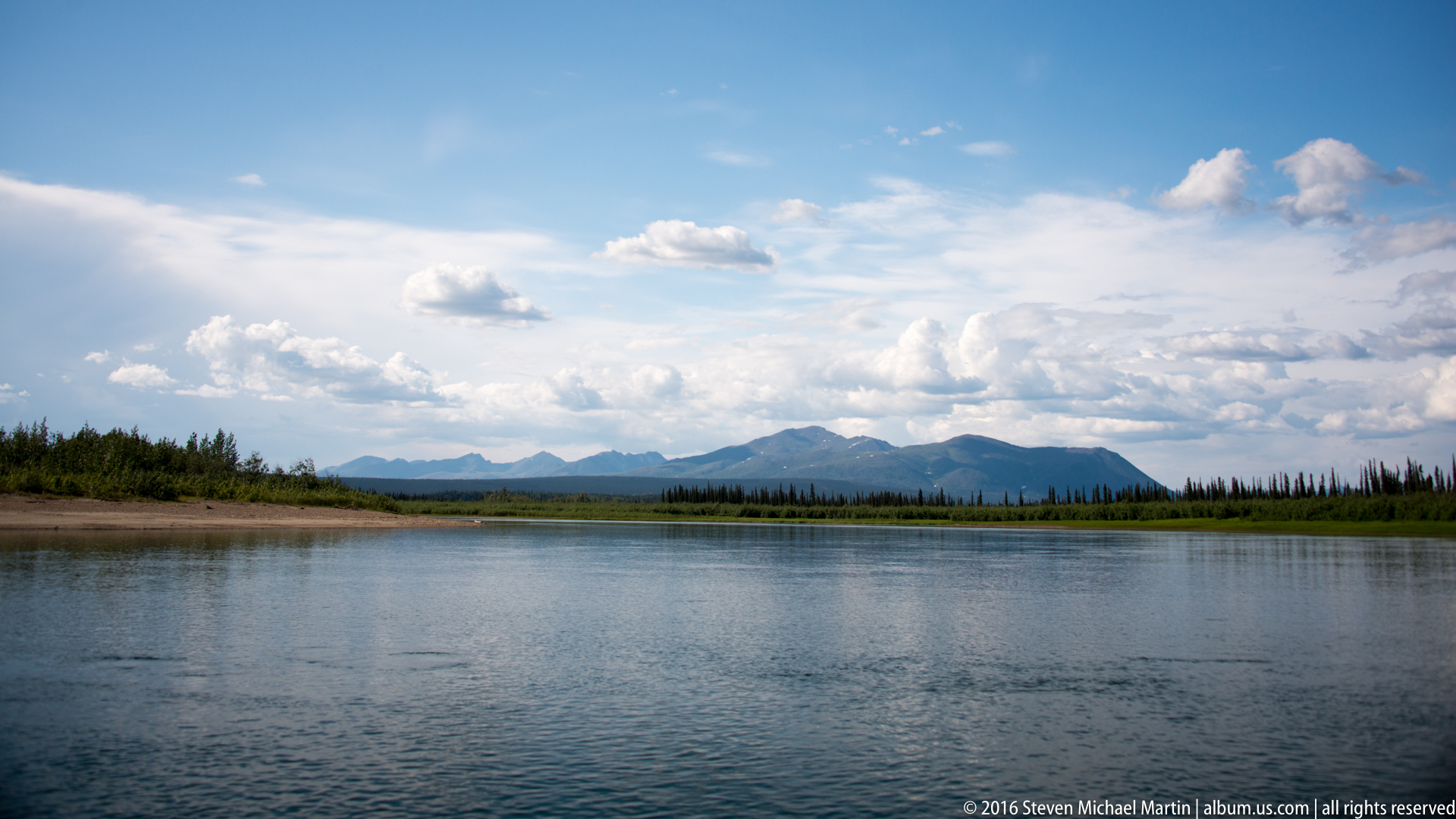
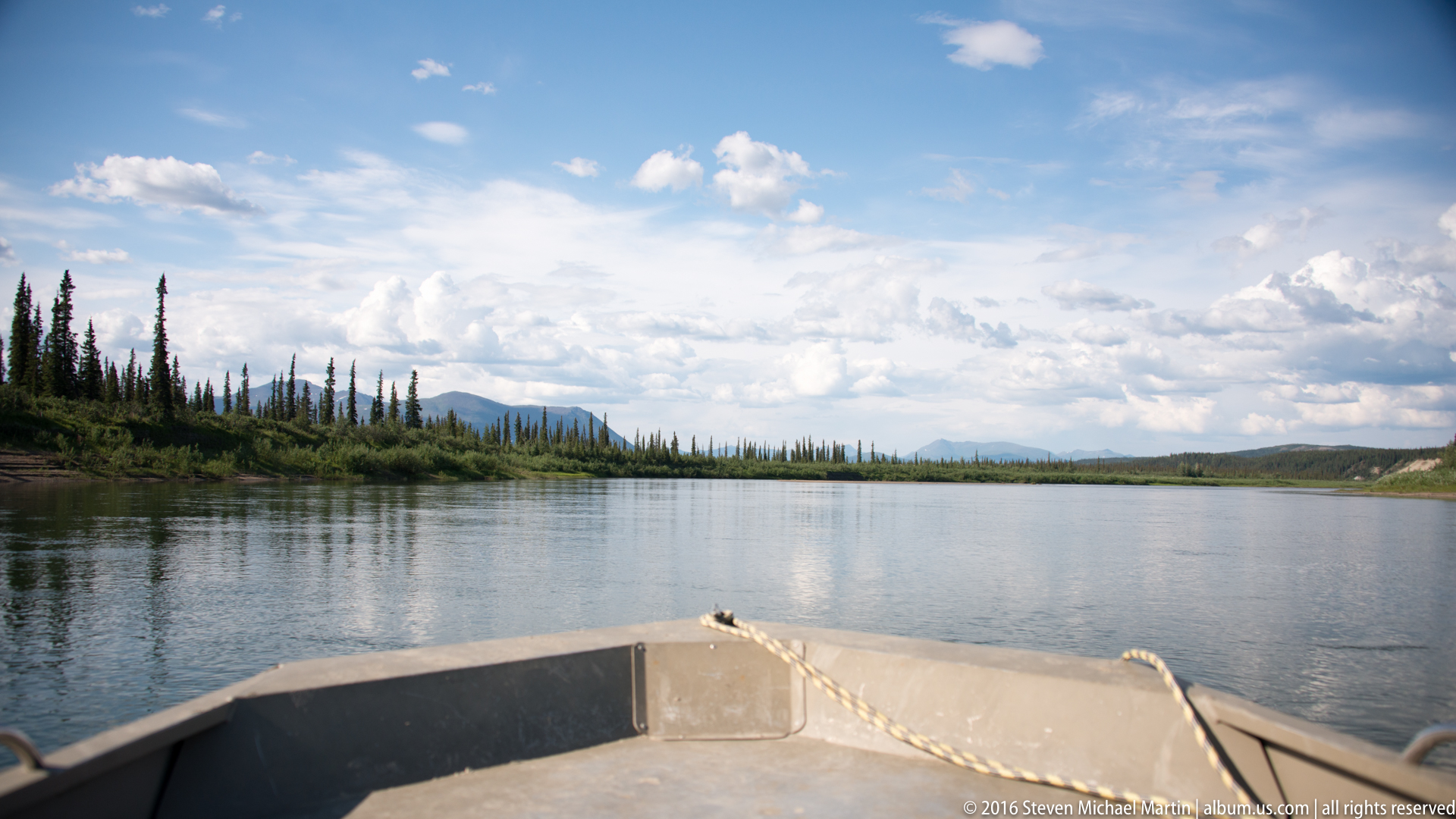
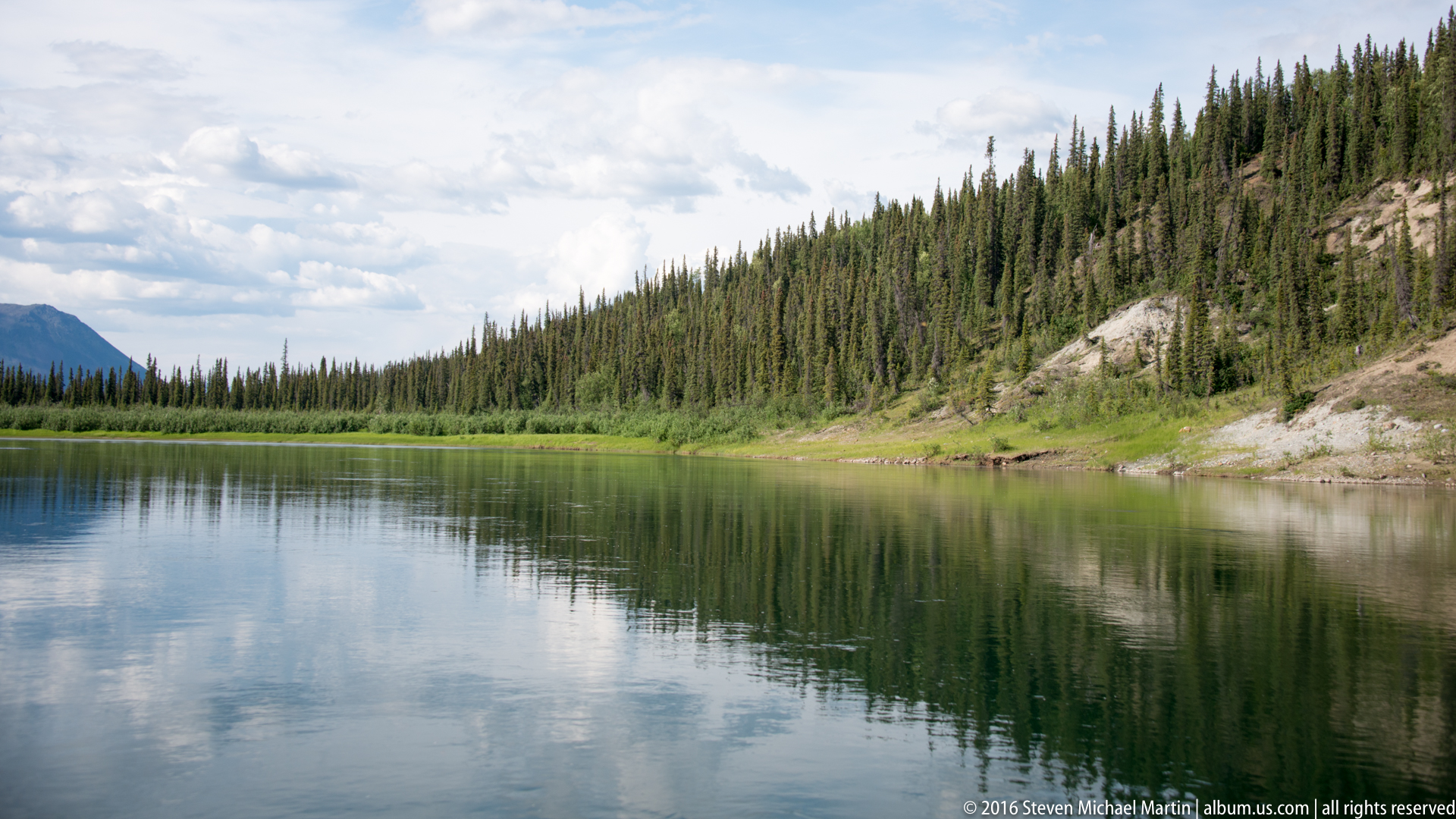
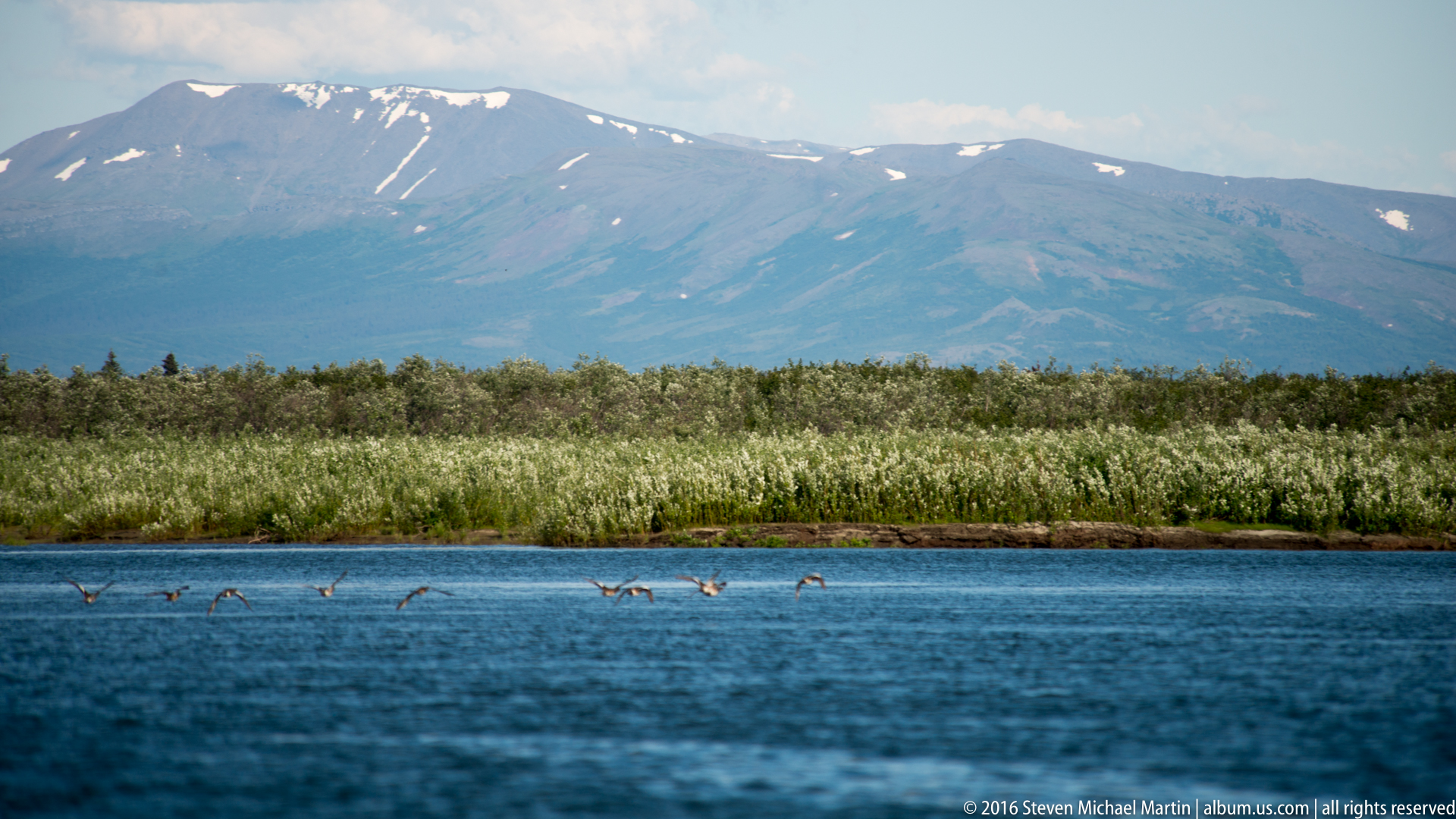
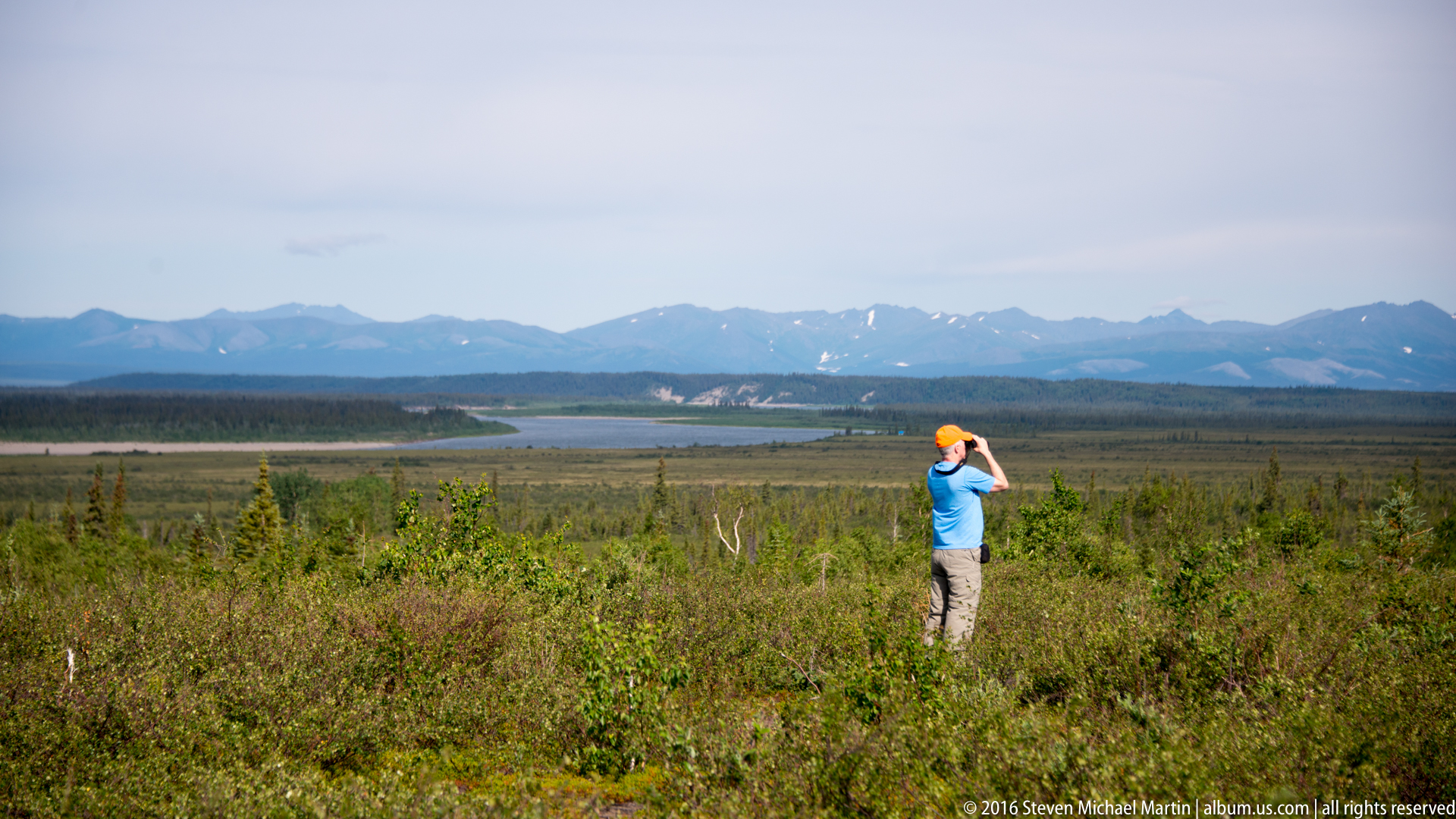
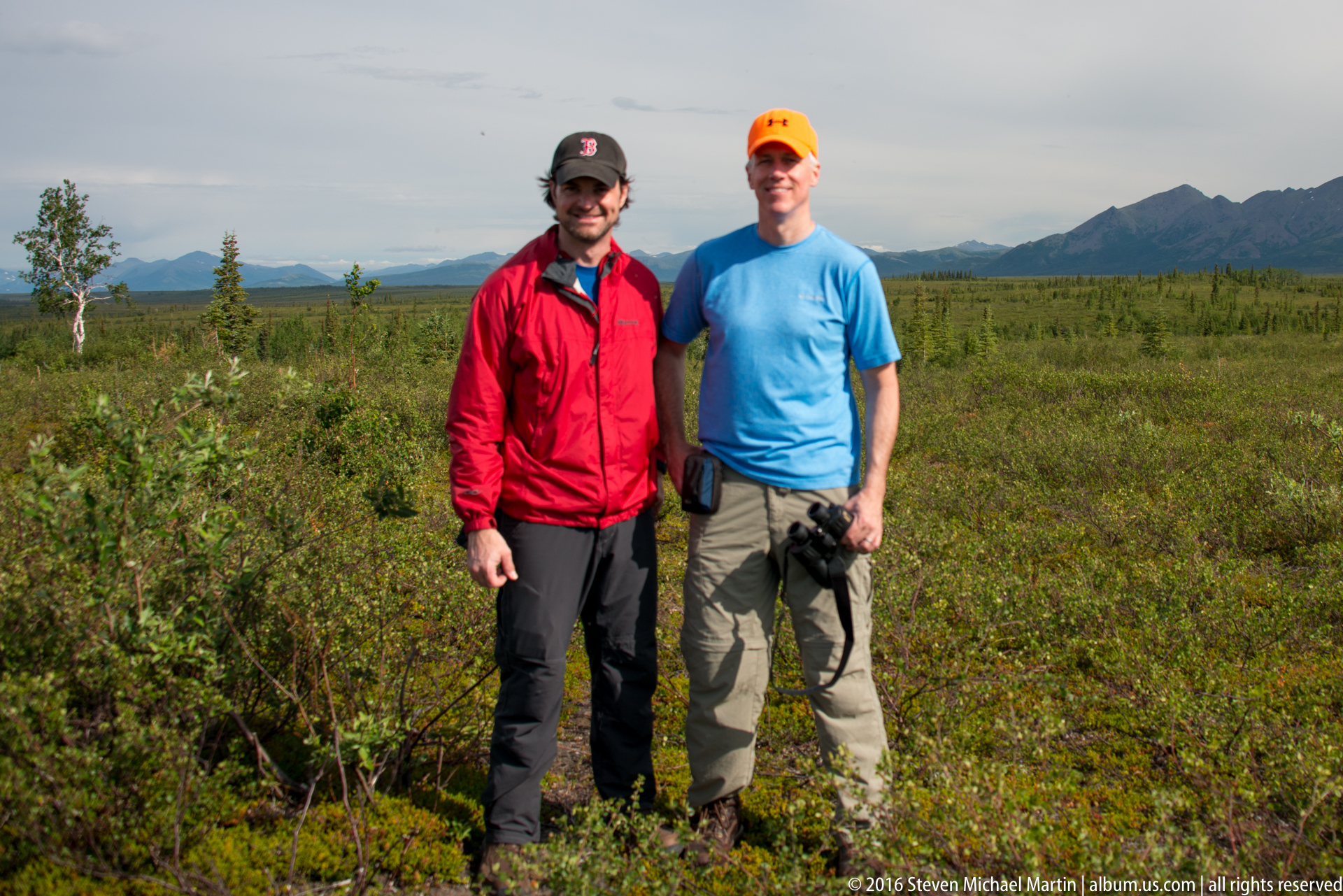
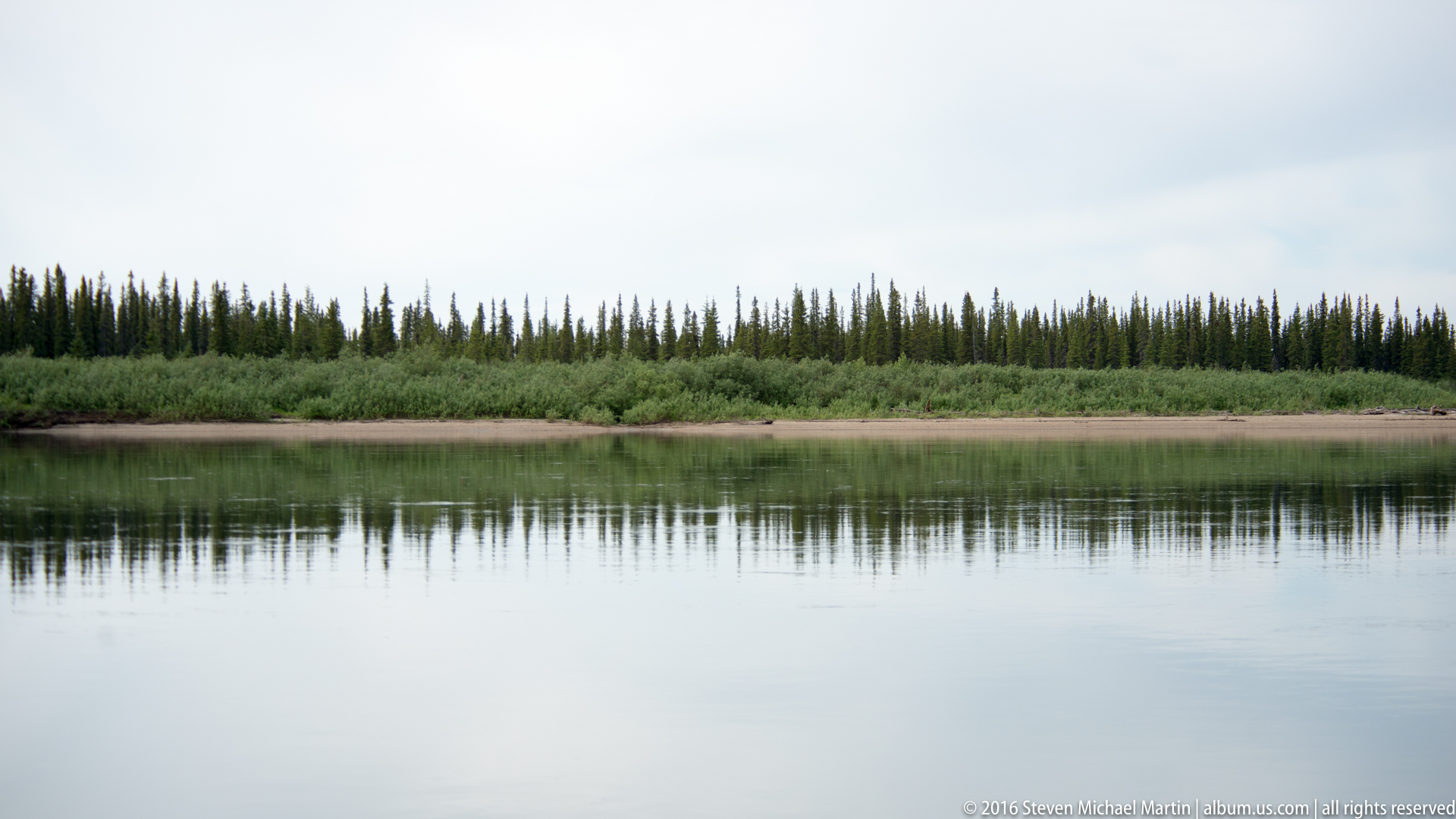
Visitors encounter a landscape defined by river corridors and broad tundra plains that emphasize the importance of migration routes for both animals and people. Onion Portage highlights the relationship between geography, culture, and ecological systems in Arctic environments.
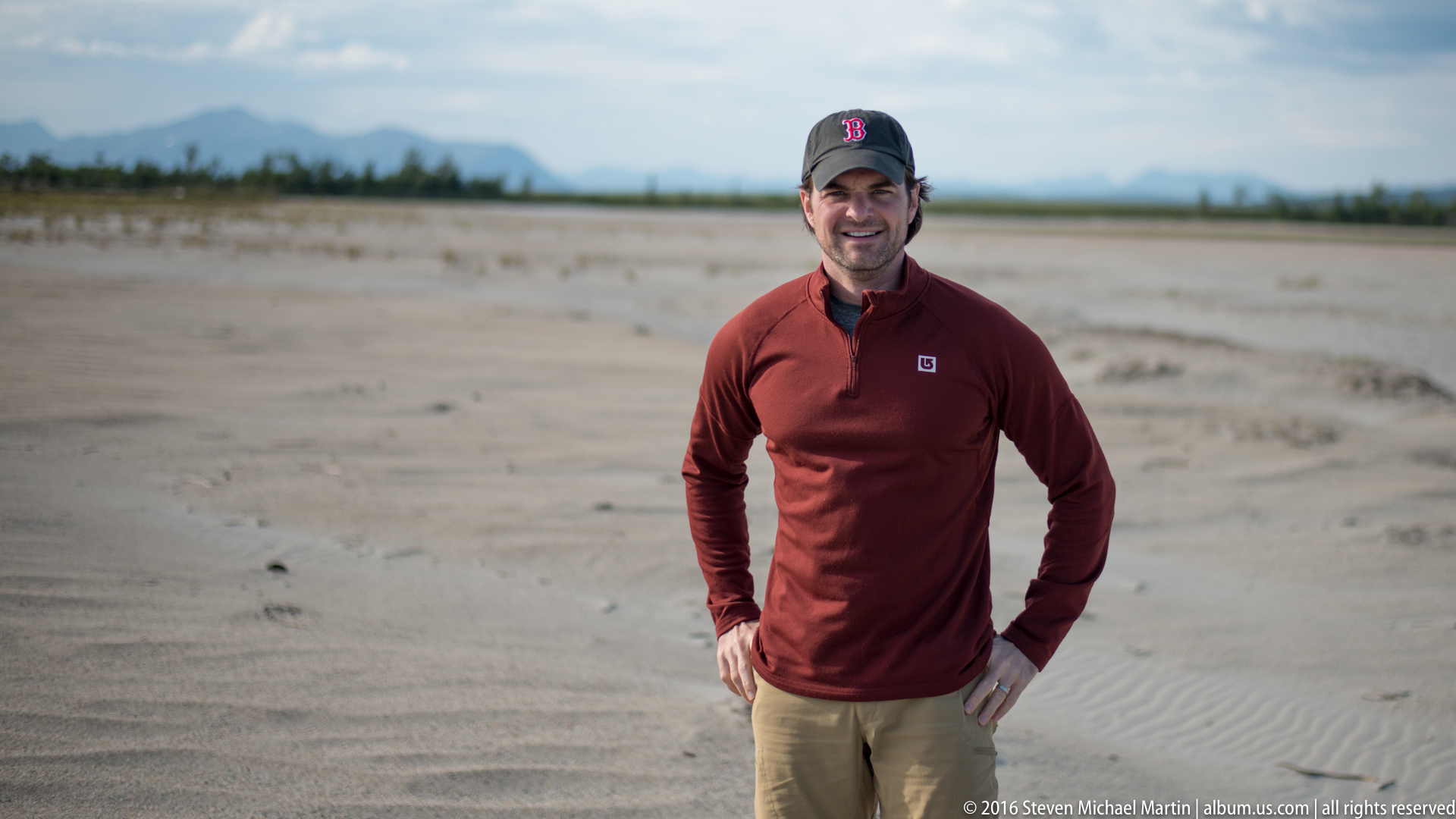
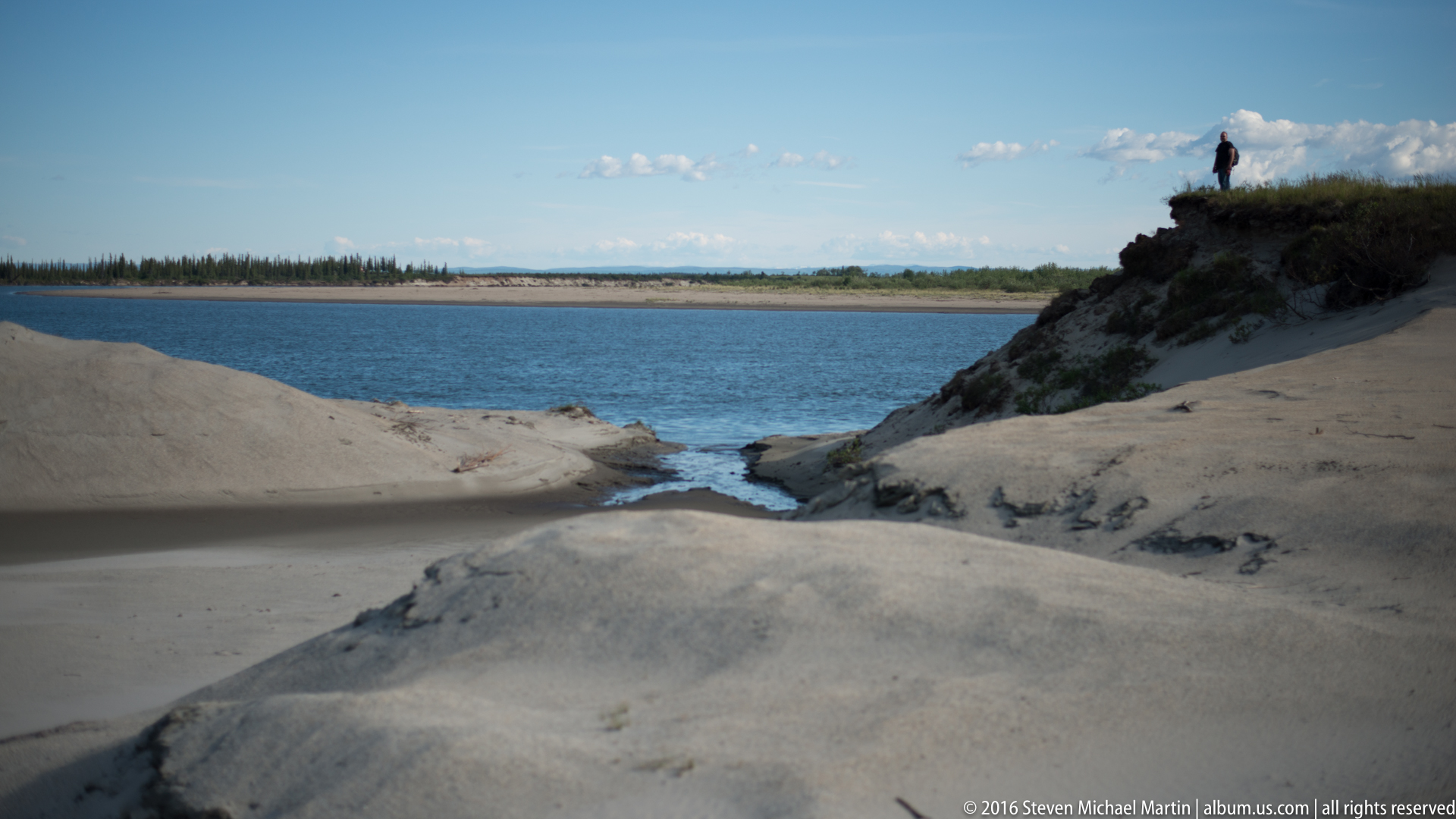
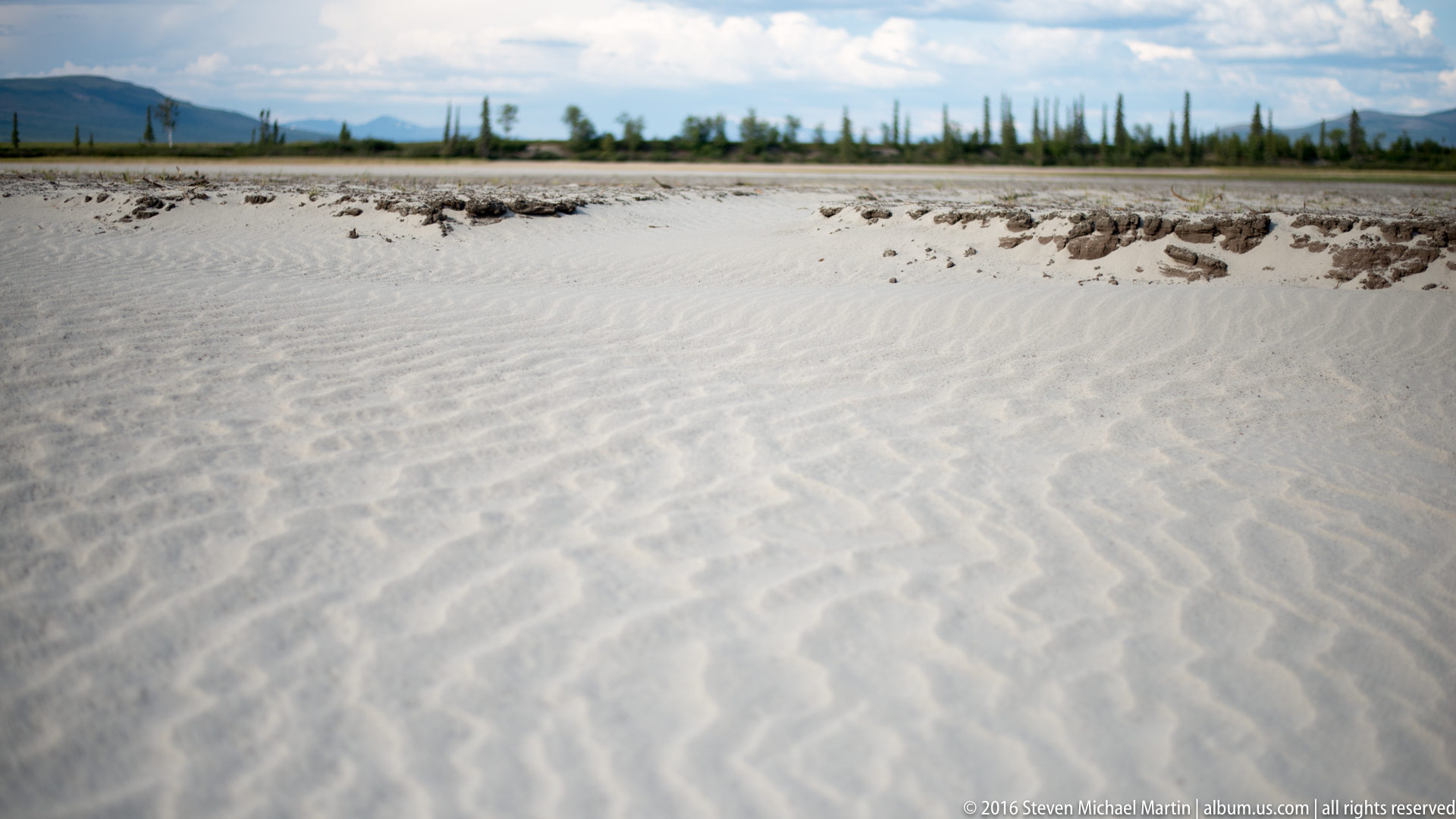
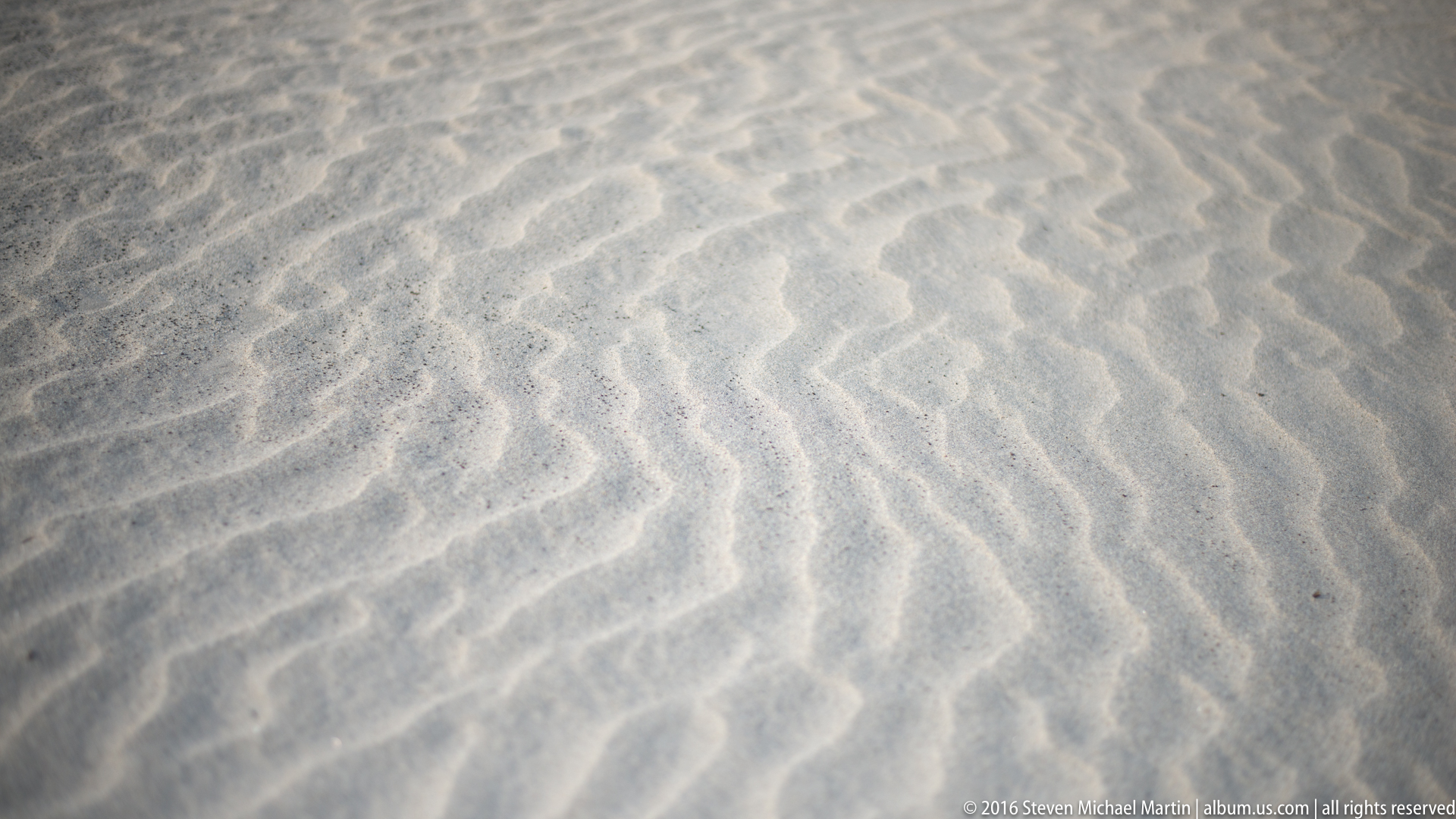


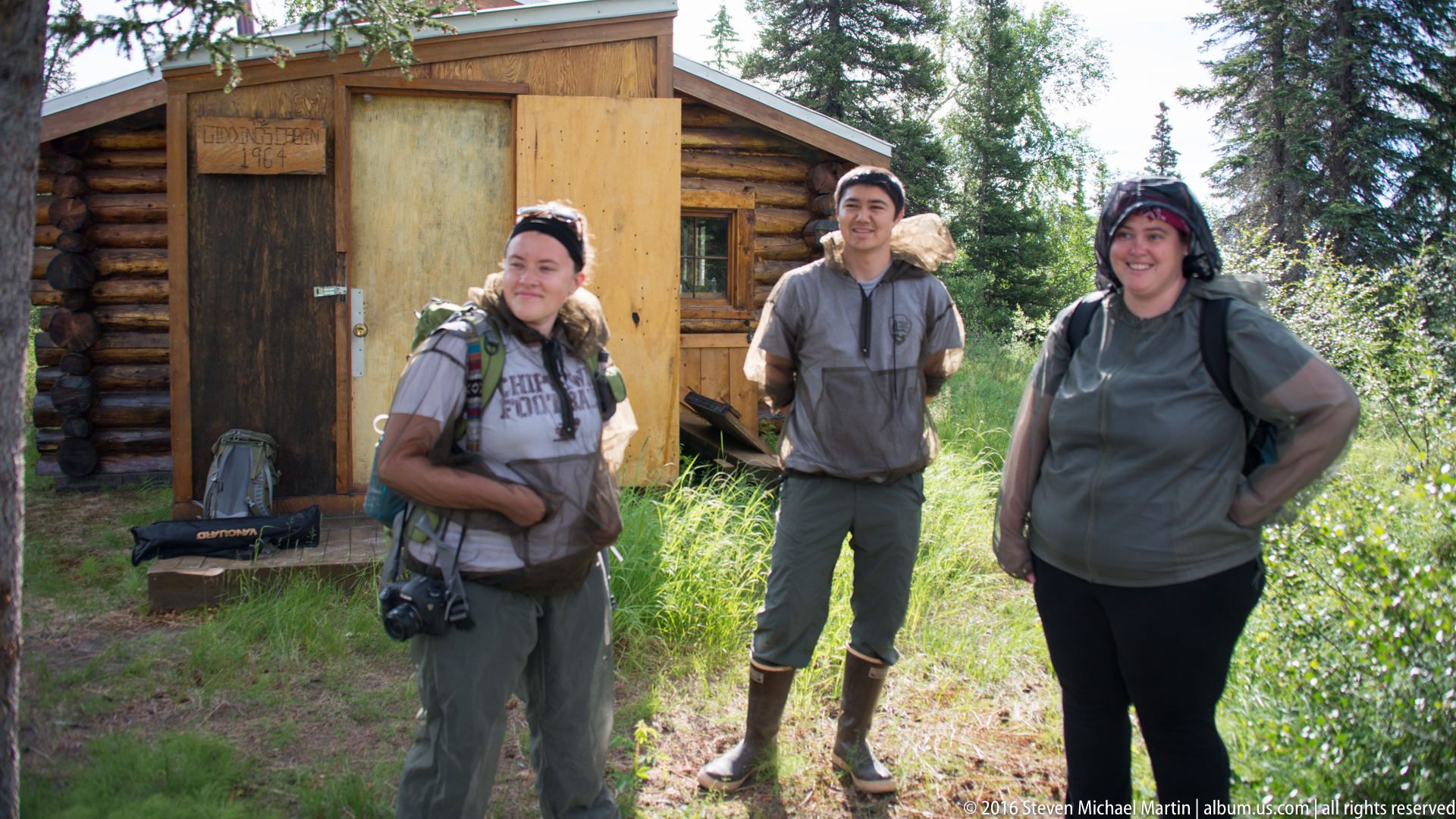
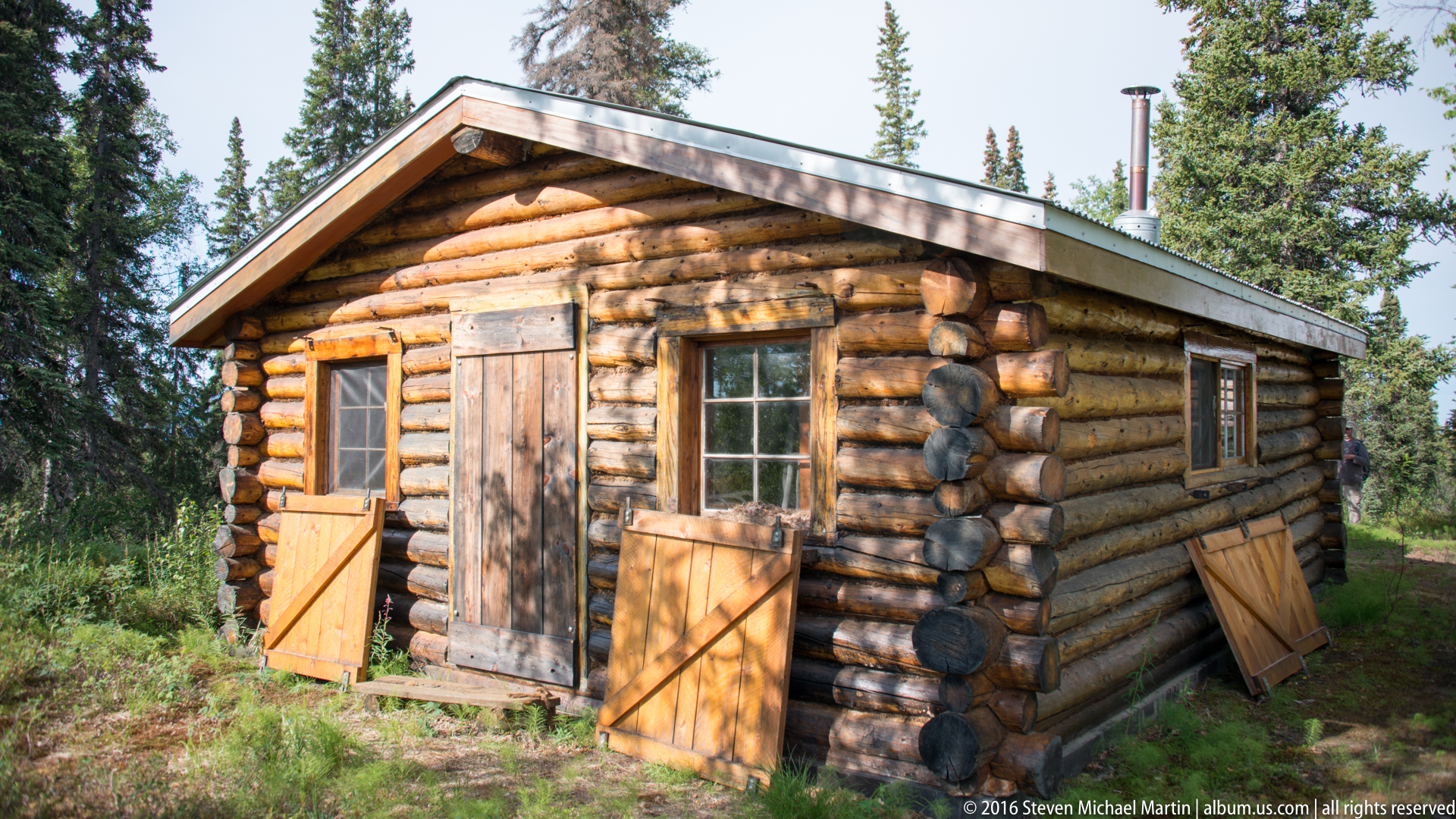
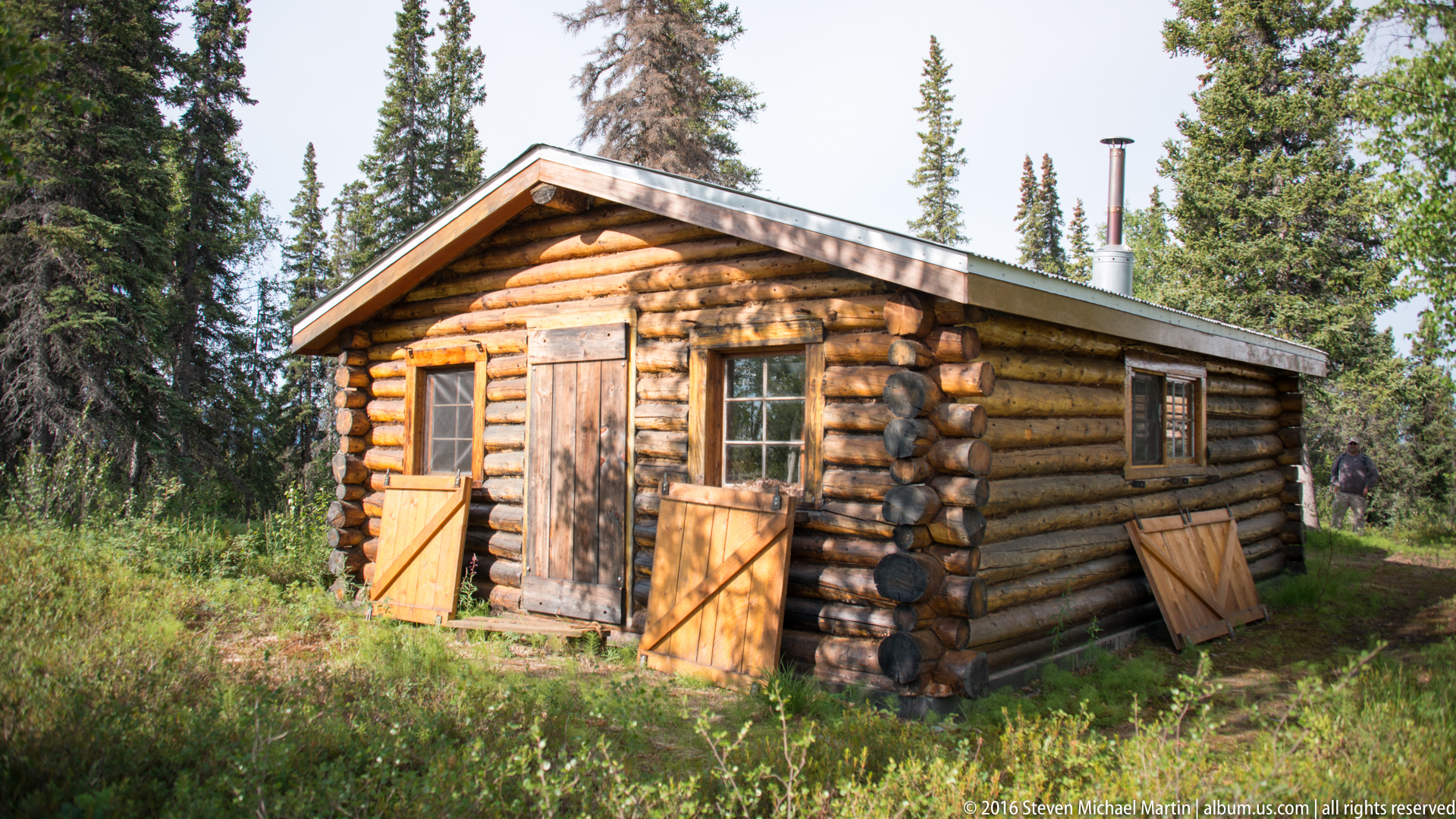
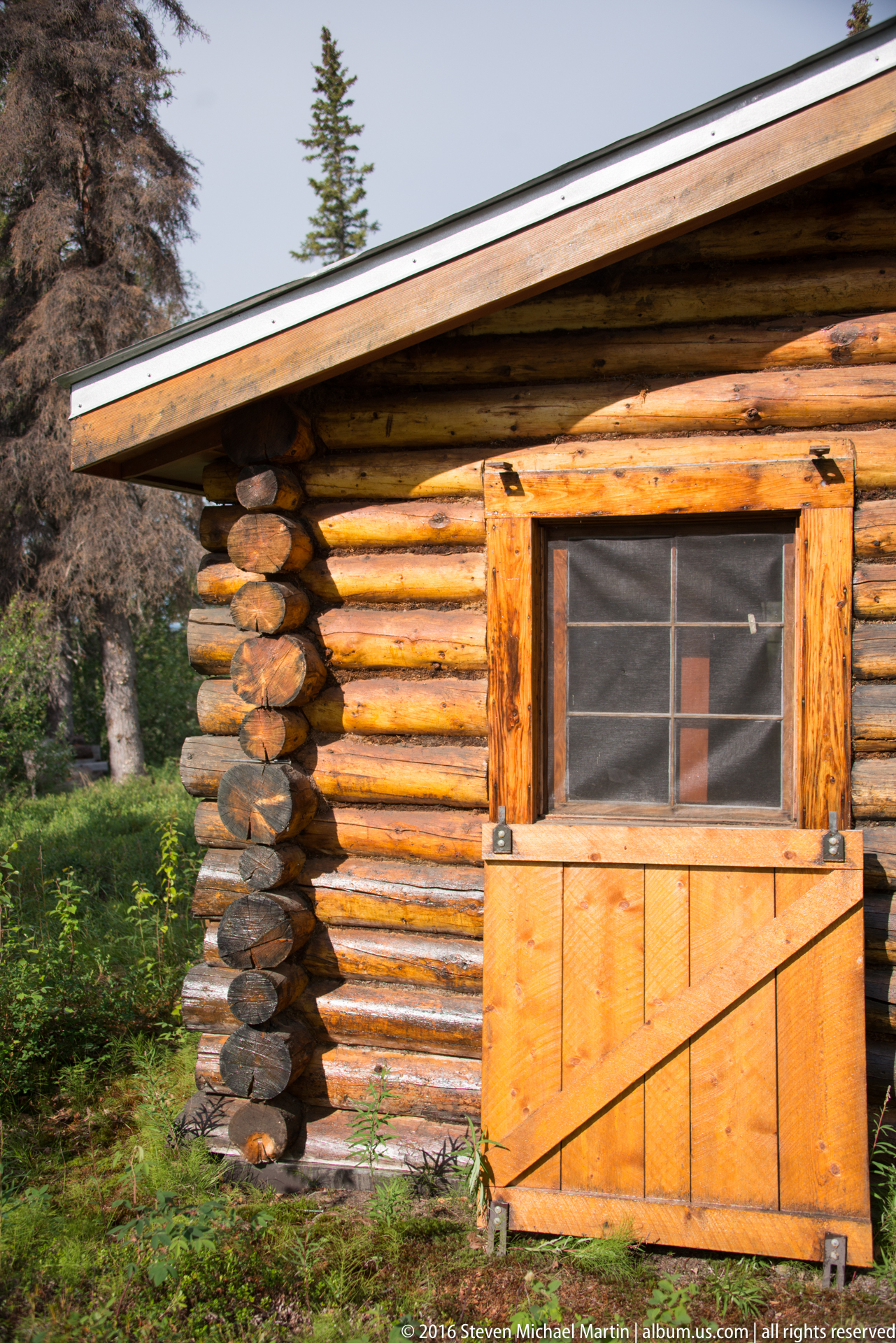





Kobuk Valley National Park — Field Guide
National Park Field Guide
📍 Overview
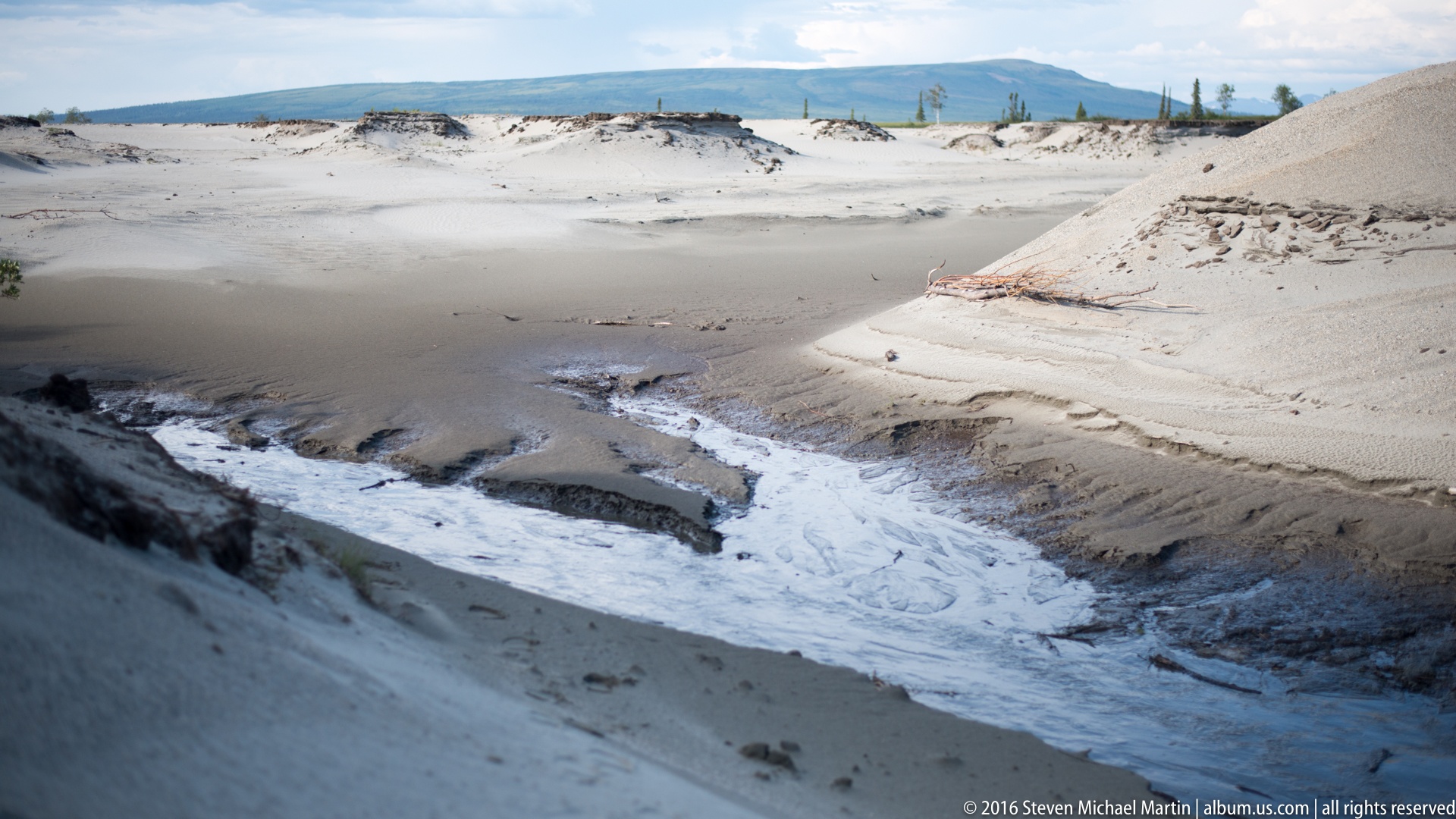
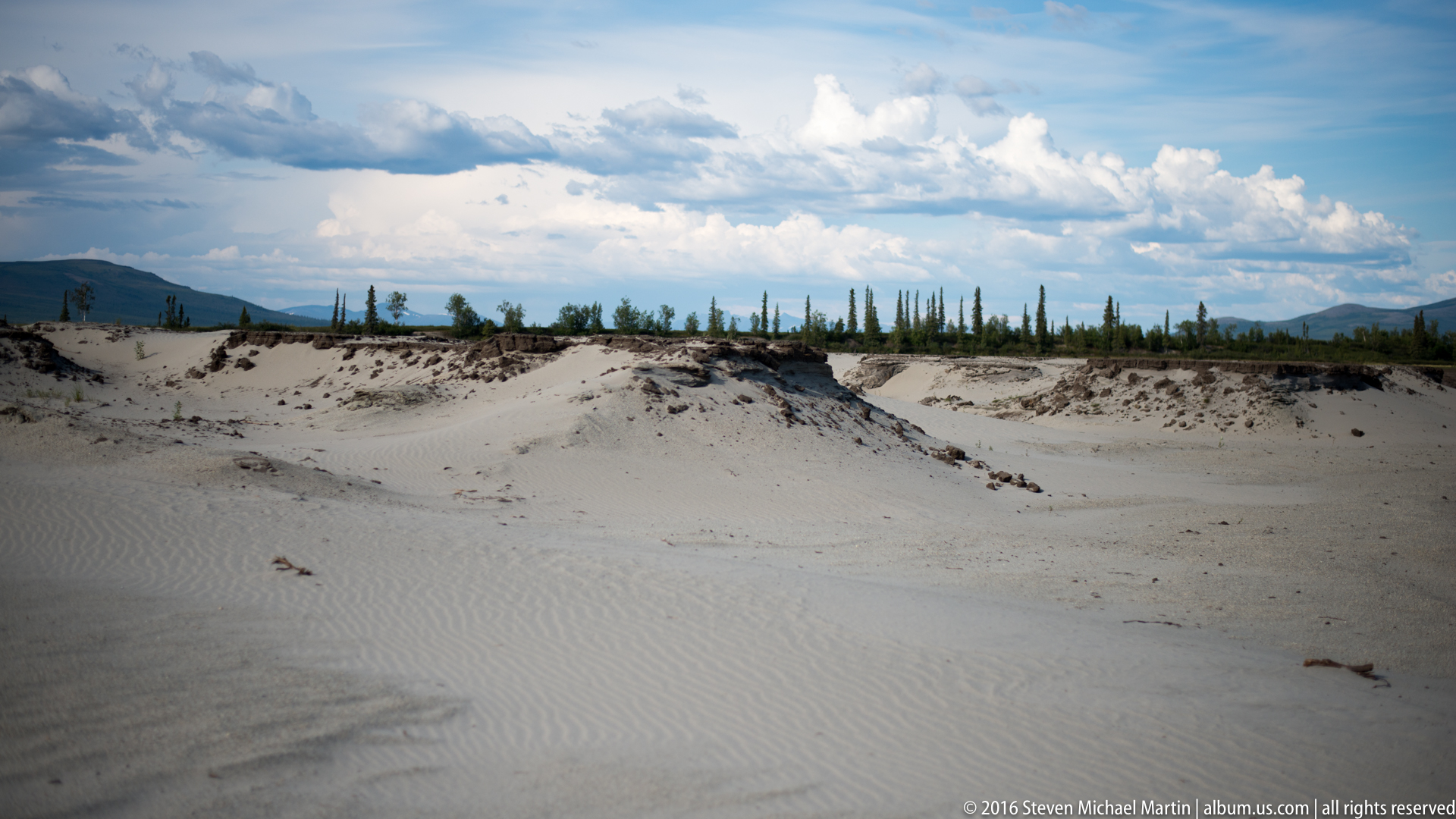
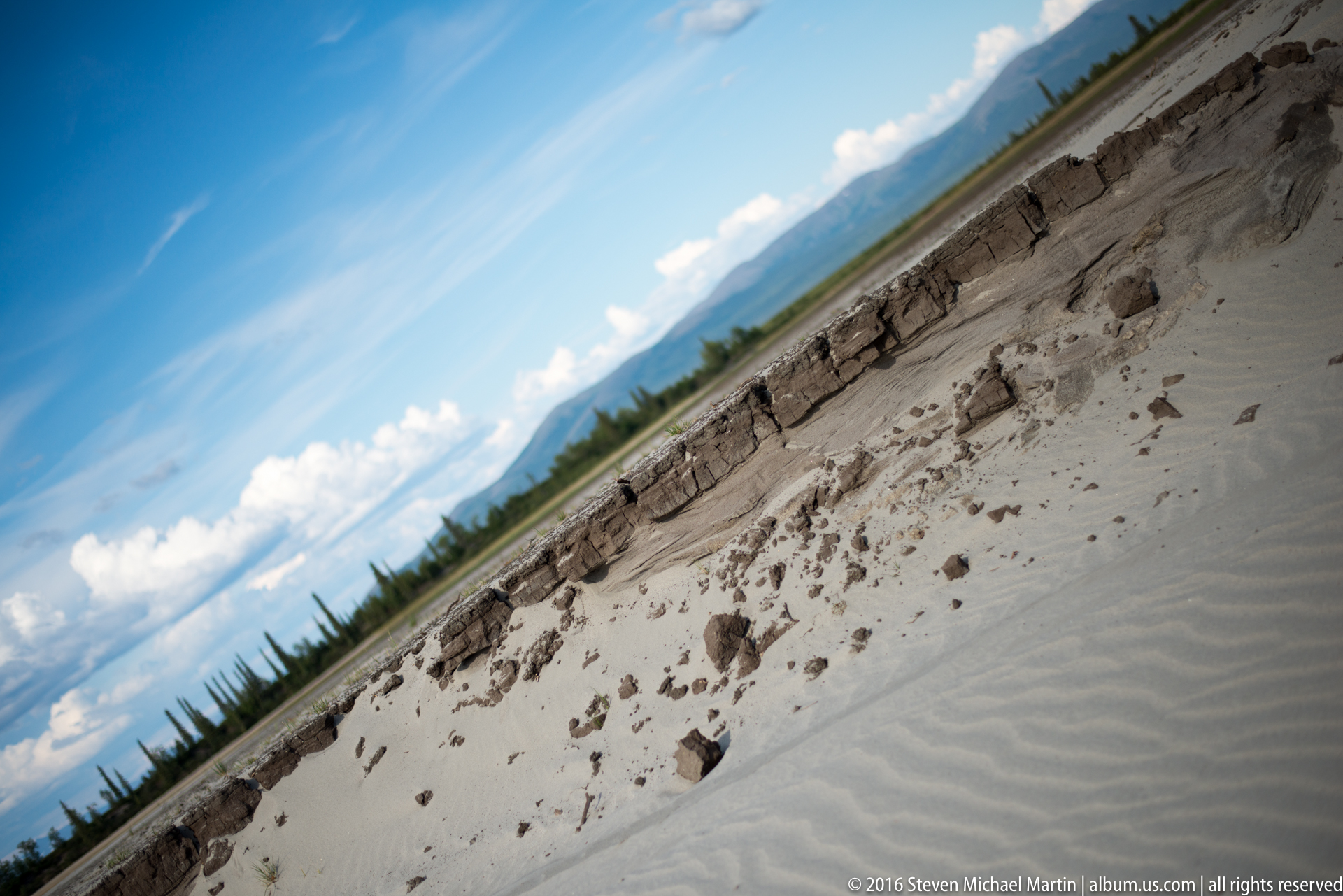
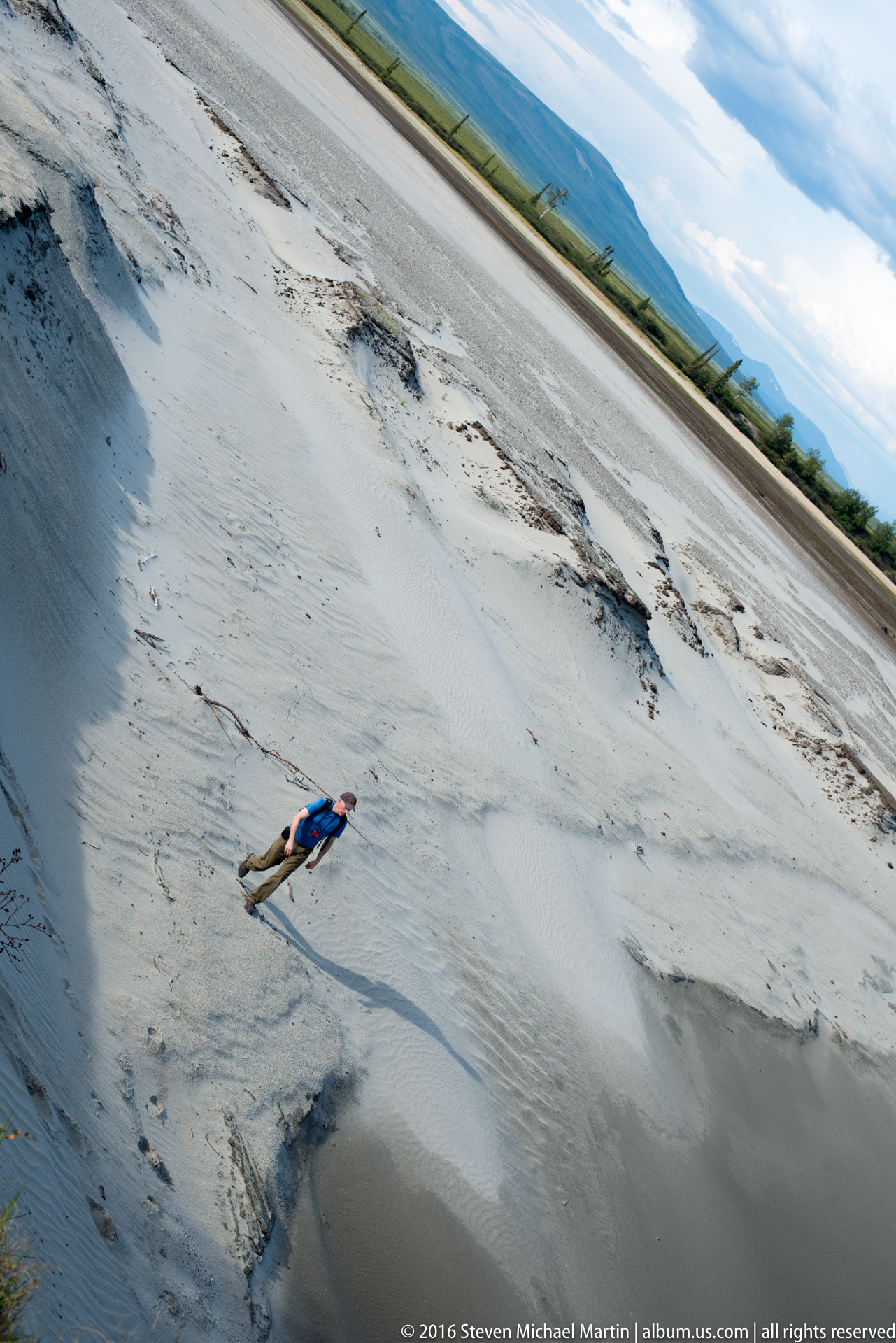
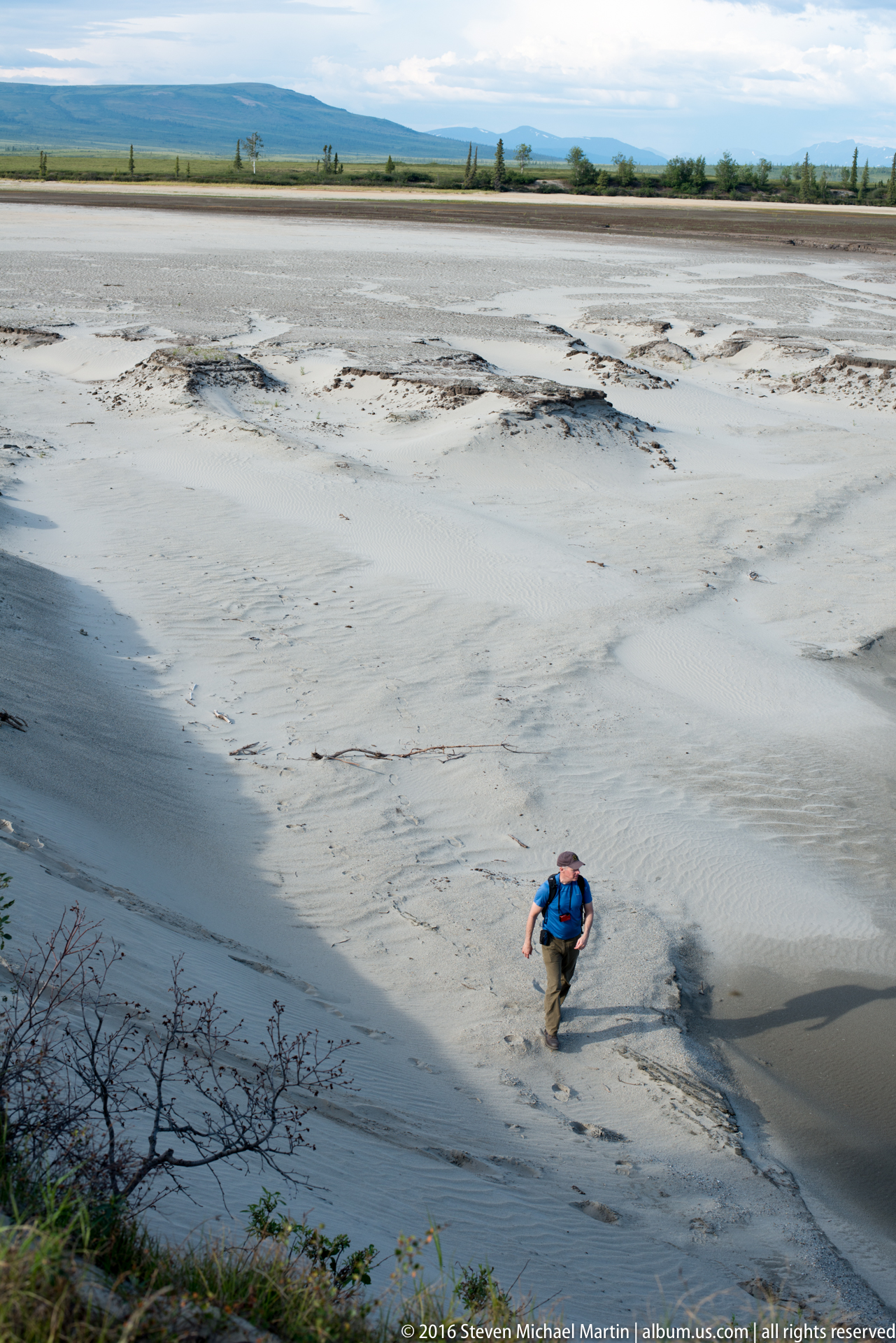
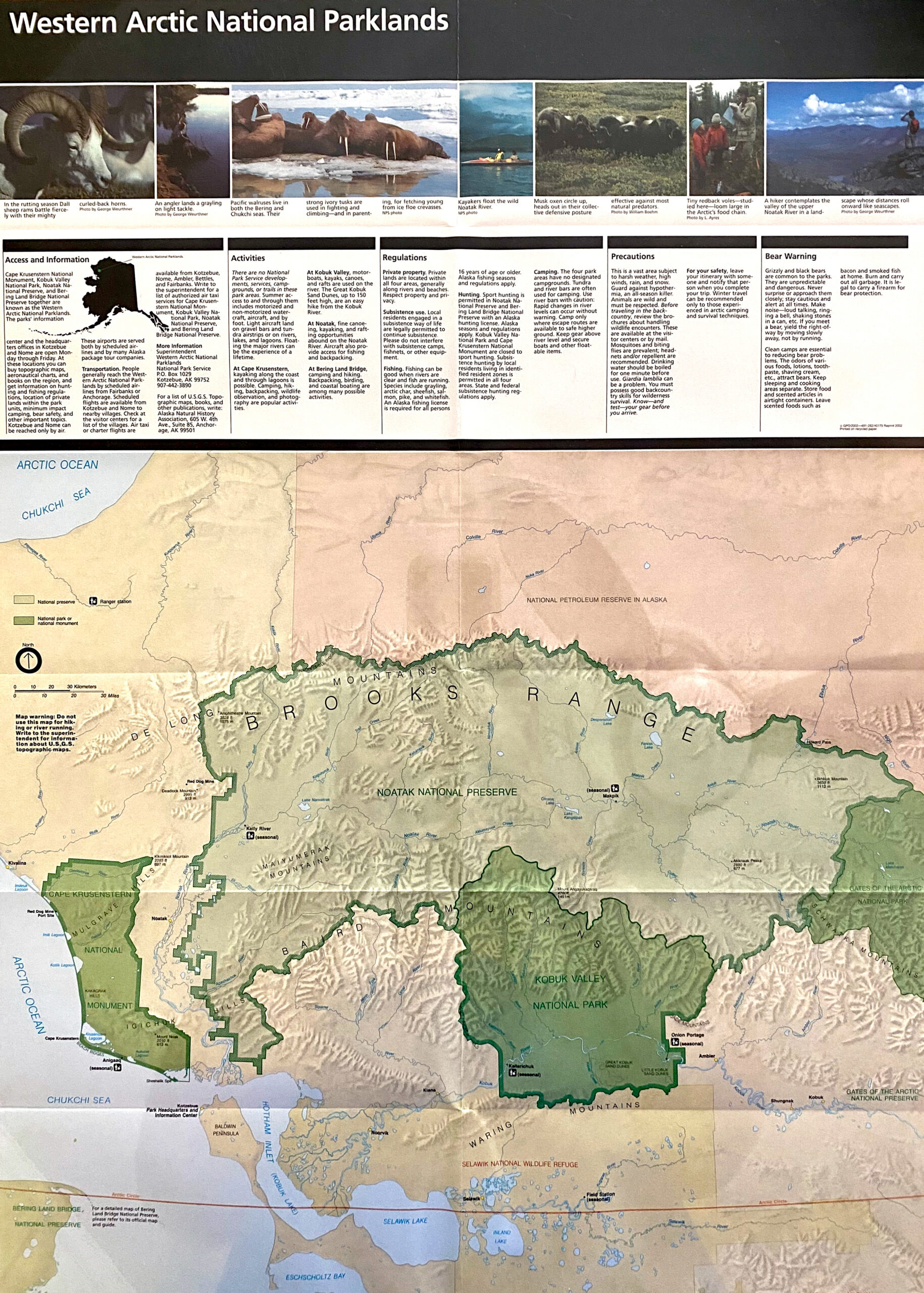
Kobuk Valley National Park preserves a remote Arctic landscape shaped by river systems, glacial history, and expansive tundra ecosystems. Located north of the Arctic Circle in northwest Alaska, the park protects the Kobuk River valley as well as one of the largest active sand dune systems in the Arctic. The region illustrates the interaction between geological processes, climate, and ecological adaptation in a largely undeveloped environment.
The Great Kobuk Sand Dunes, Little Kobuk Sand Dunes, and Hunt River Dunes were formed from glacial deposits shaped by wind patterns over thousands of years. Seasonal caribou migrations pass through the region, reflecting long-established wildlife movement patterns that have supported human subsistence for millennia. Archaeological sites such as Onion Portage demonstrate the long-term relationship between Indigenous communities and the landscape.
⭐ Highlights
- Great Kobuk Sand Dunes north of the Arctic Circle
- Seasonal migration routes of the Western Arctic caribou herd
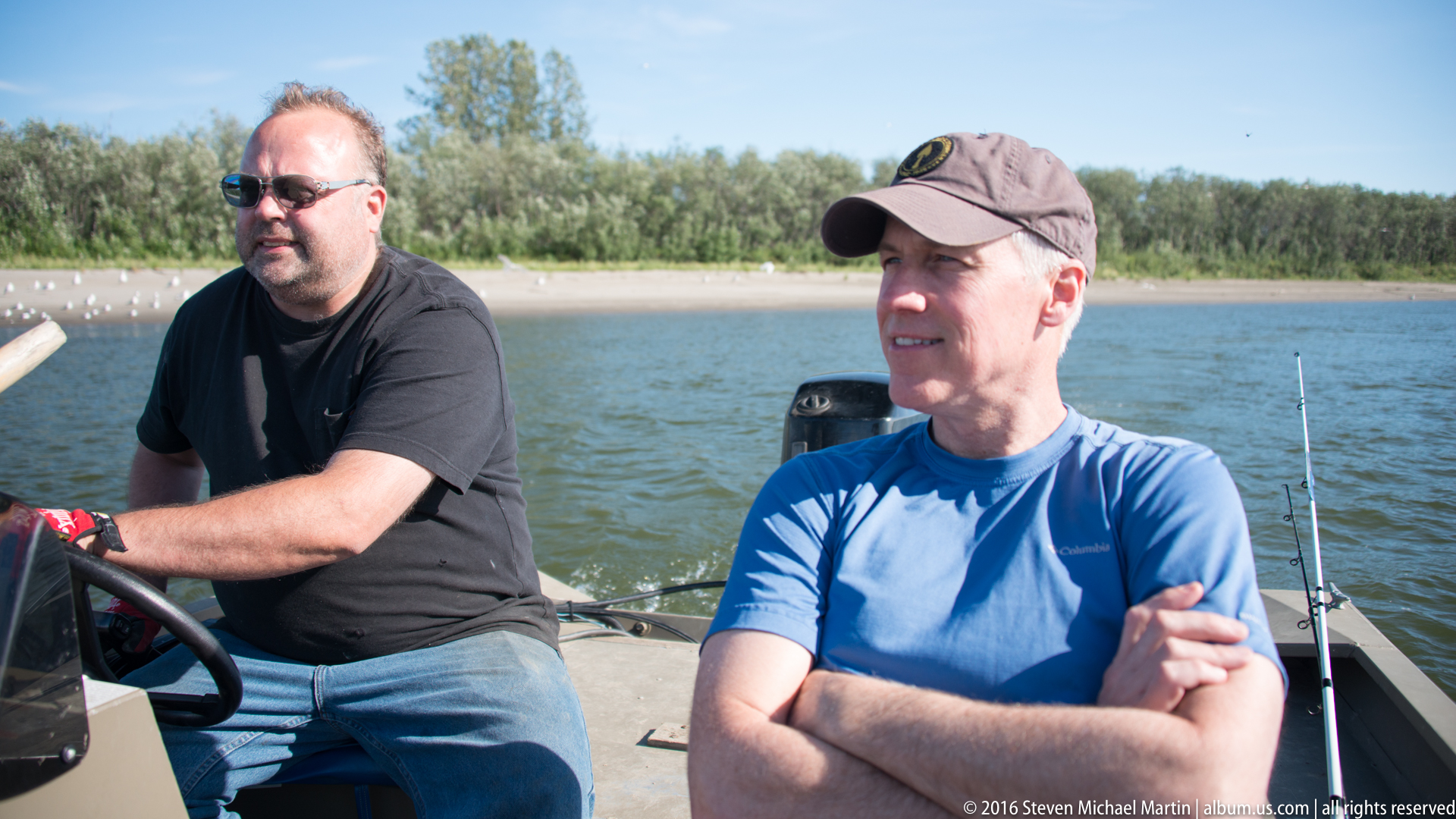
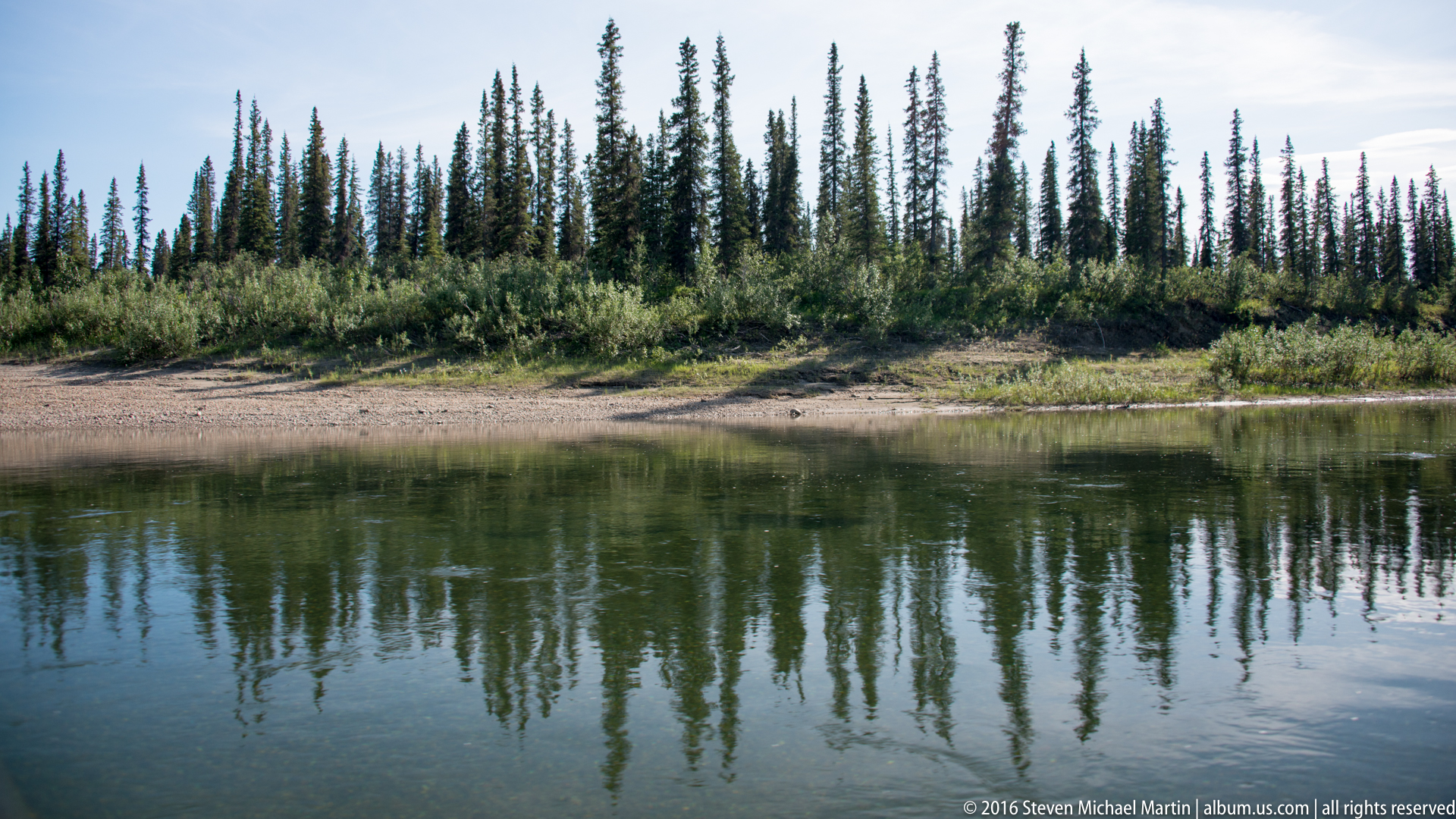
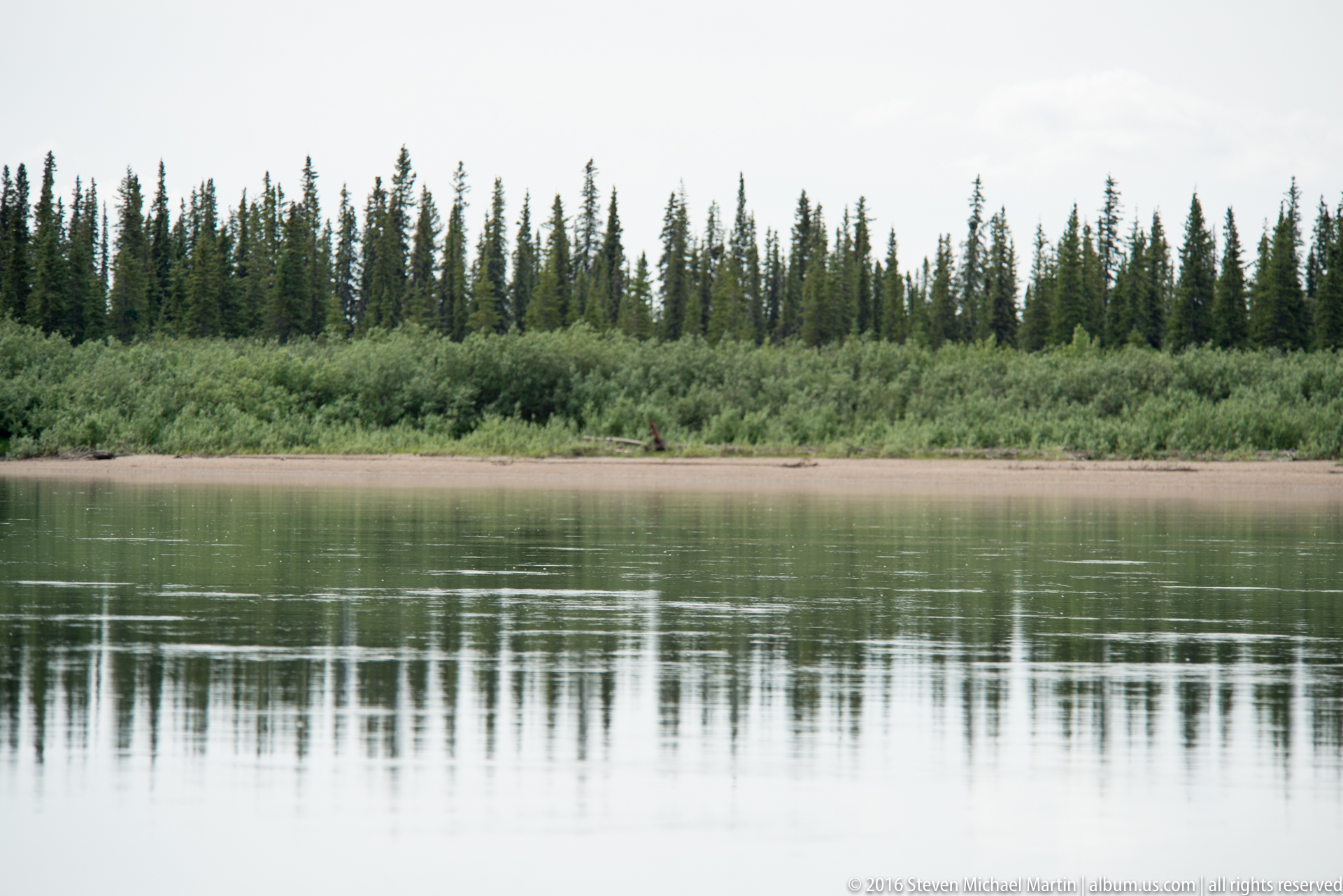
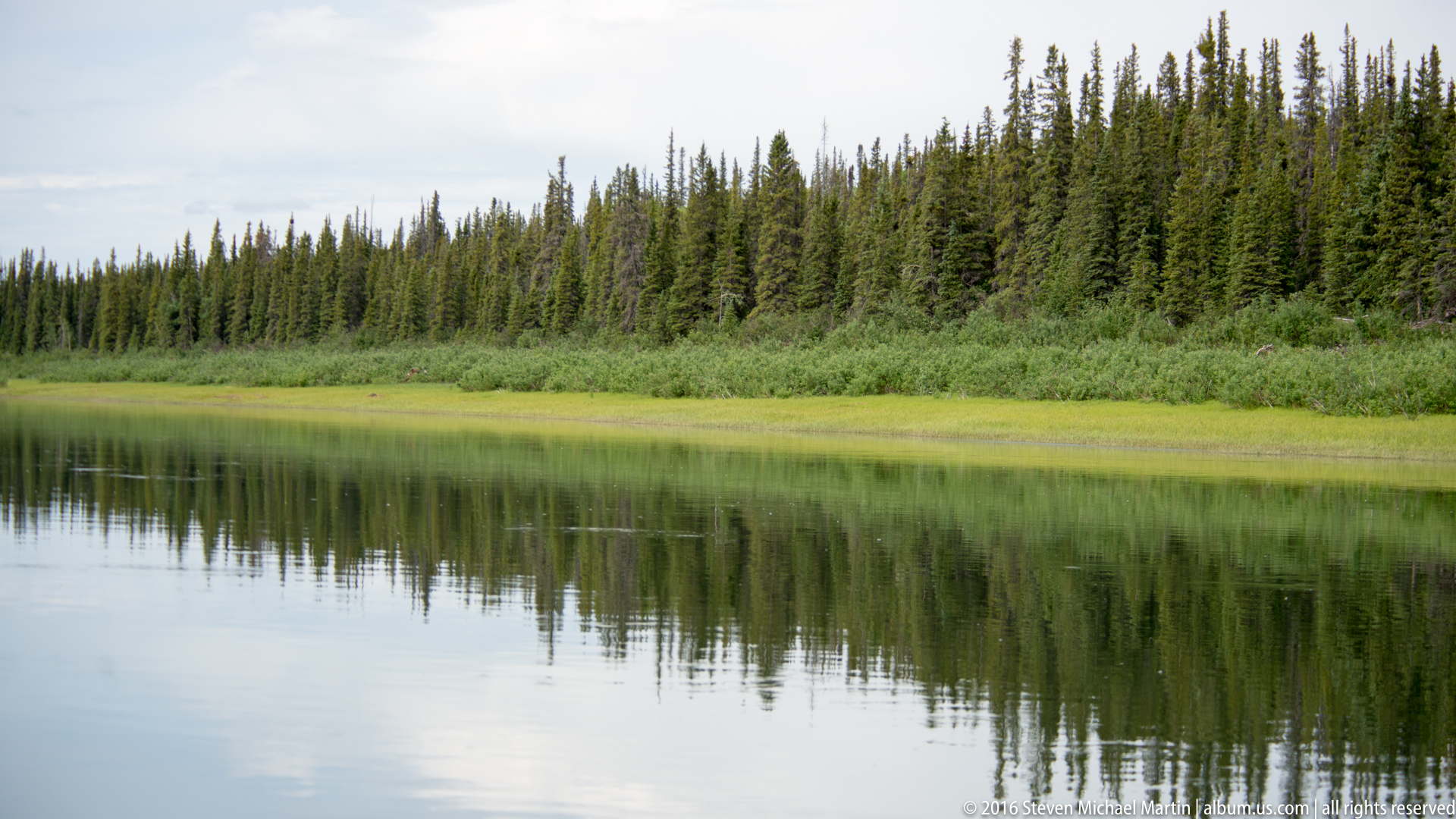
- Kobuk River corridor and tundra ecosystems
- Archaeological sites reflecting thousands of years of human presence
- Remote wilderness landscape with minimal development
🔎 Key Features
- Active sand dunes formed from glacial deposits
- River valley ecosystems supporting wildlife migration
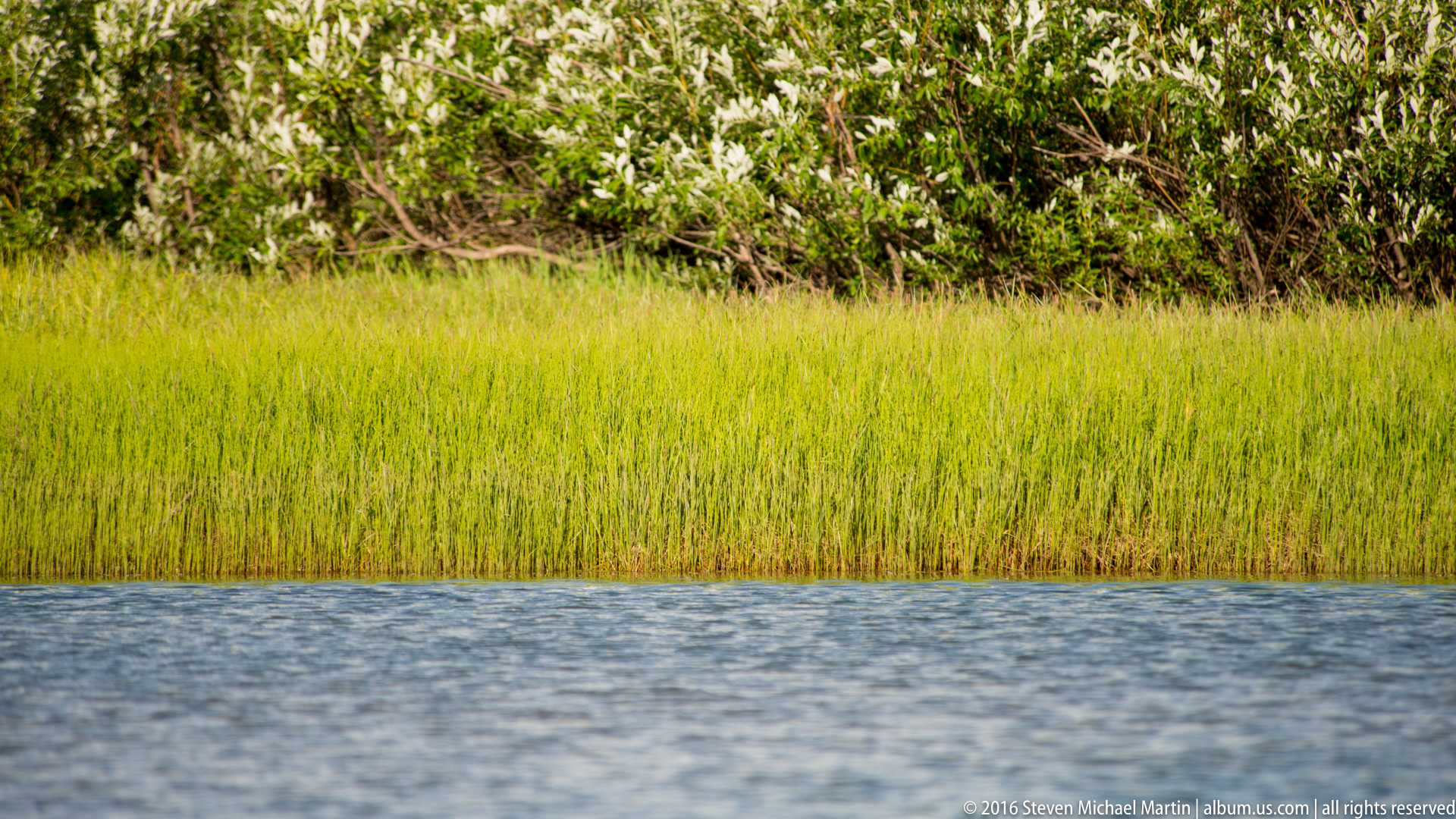
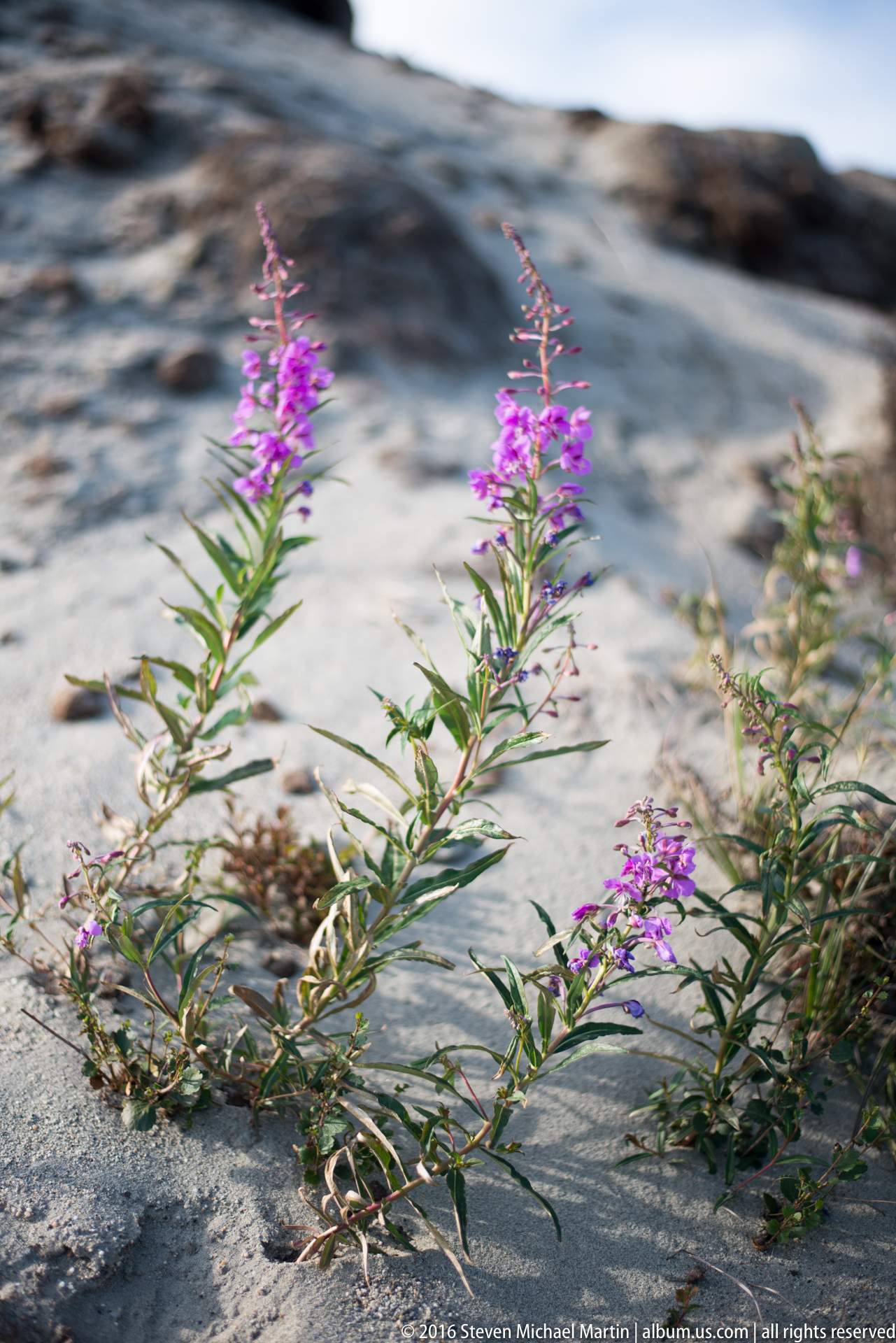
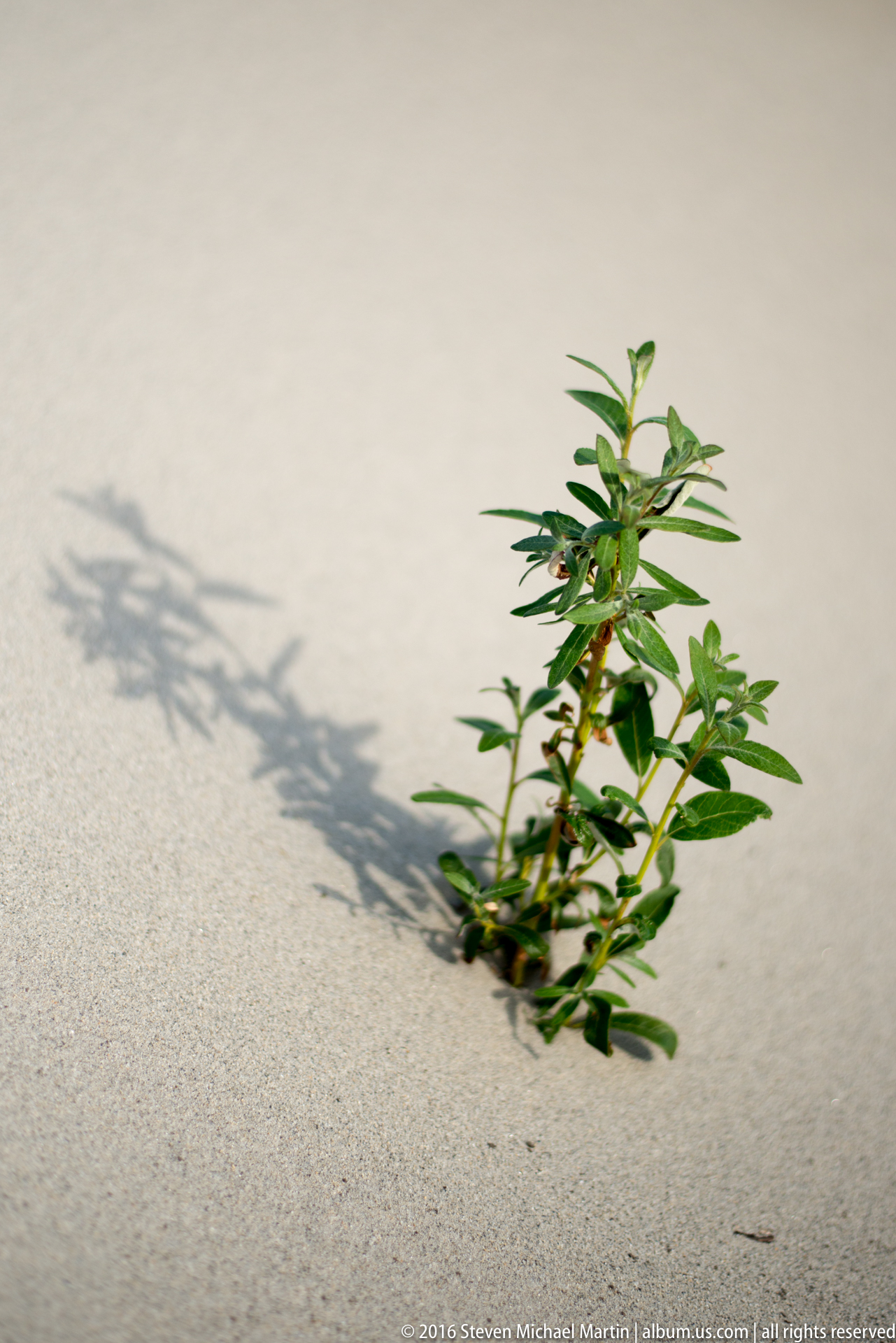
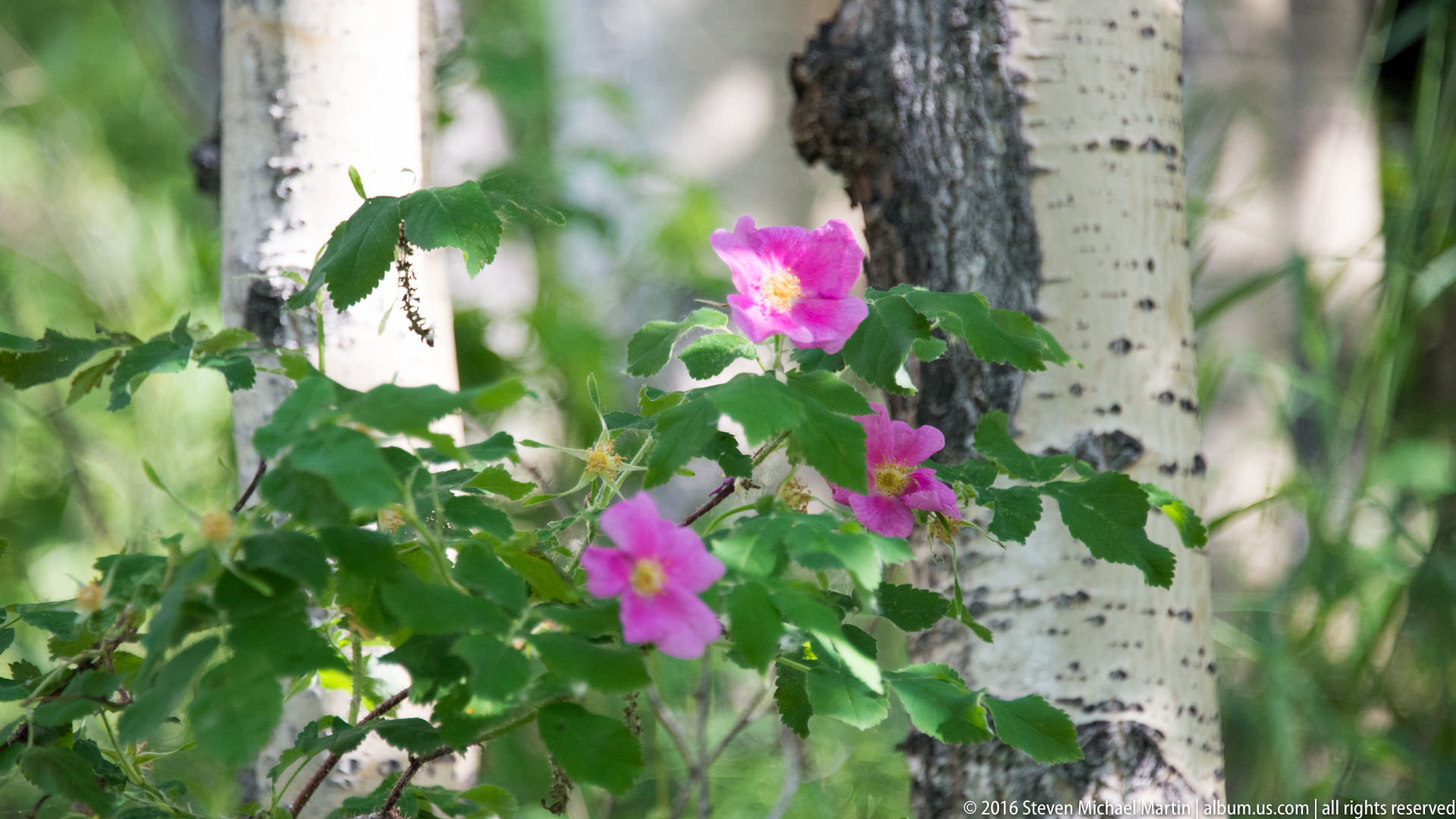
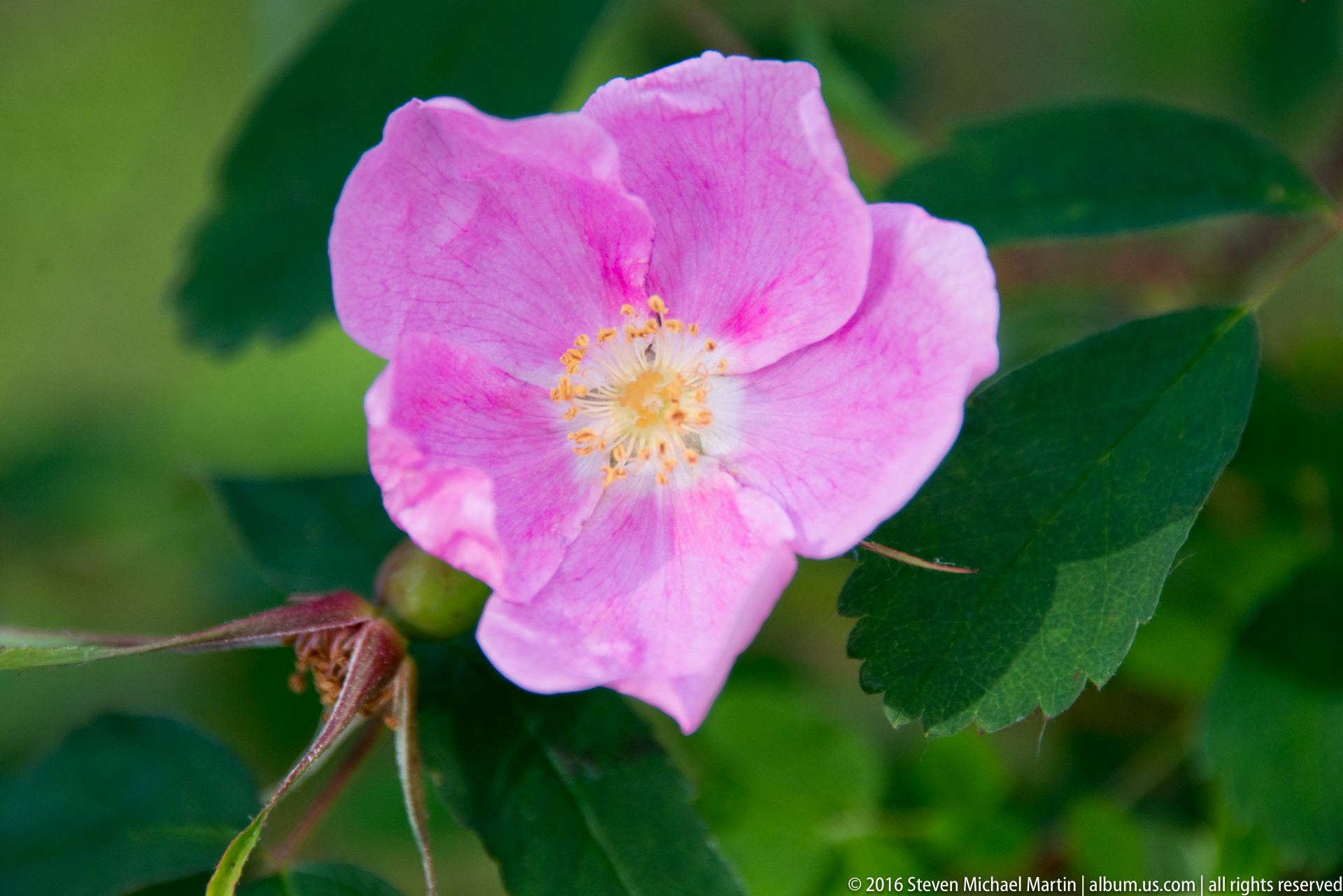
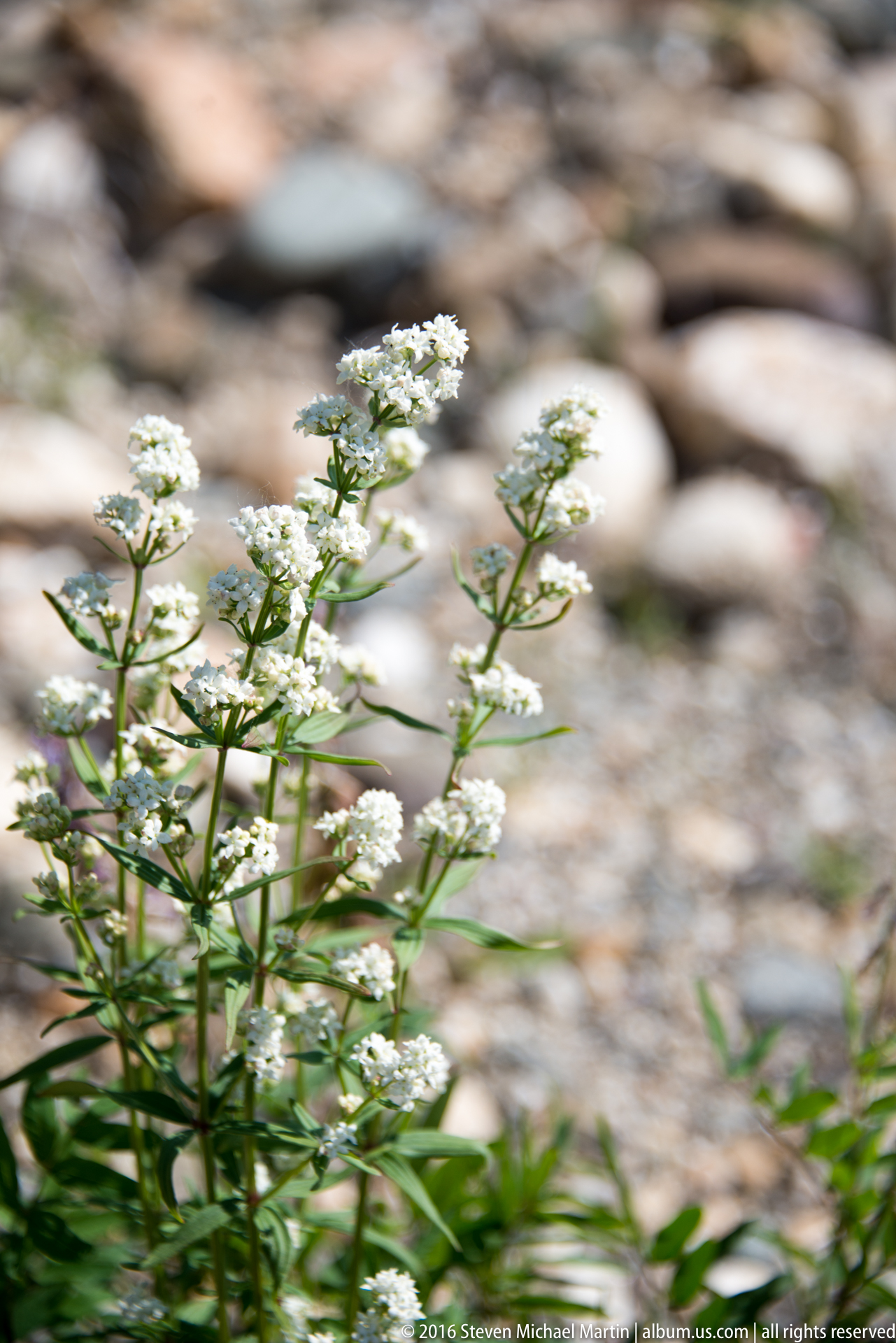
- Tundra vegetation adapted to Arctic climate conditions
- Archaeological evidence of long-term human activity
- Large-scale wilderness environment emphasizing ecological continuity
🦌 Wildlife Encountered
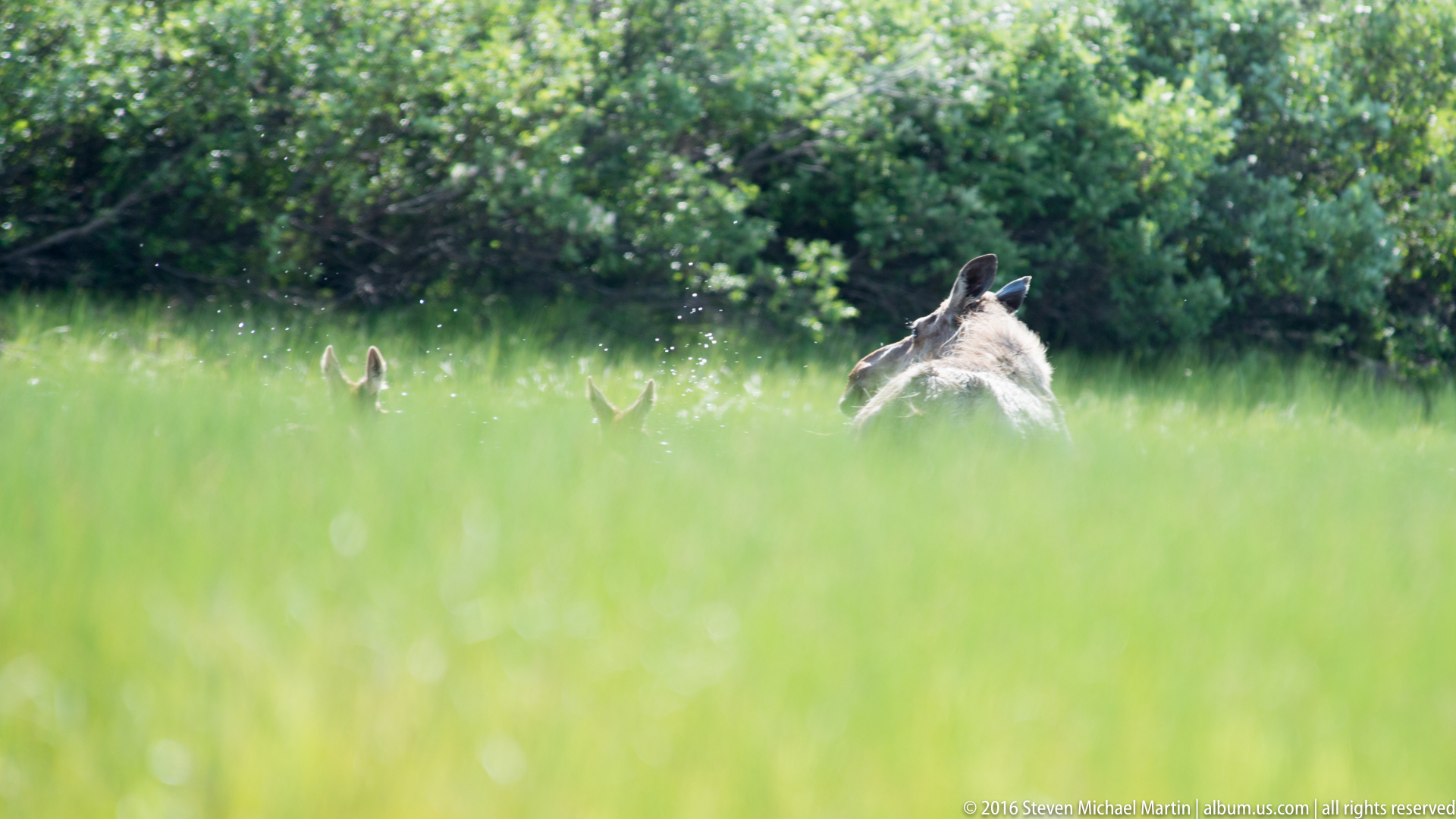
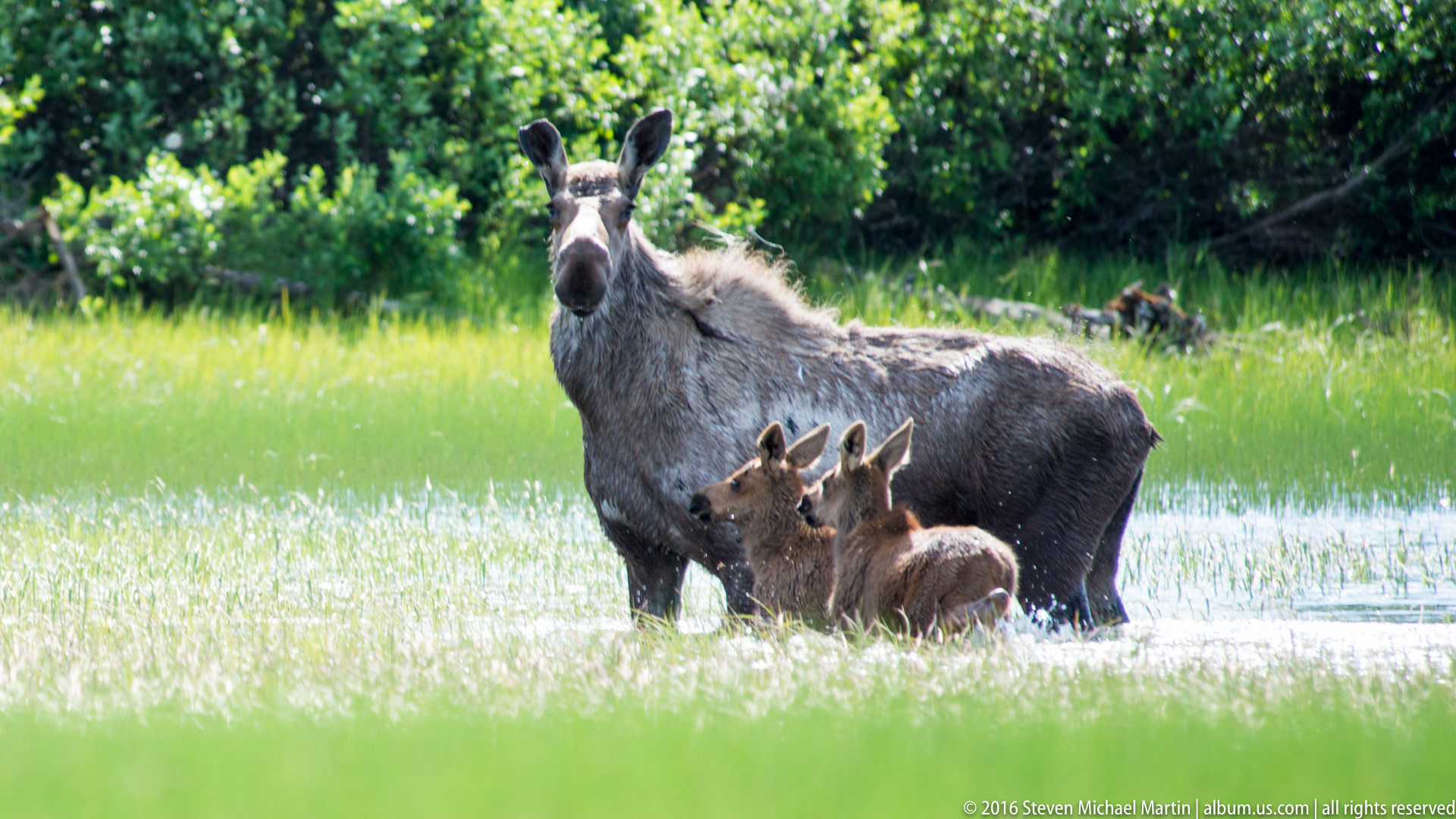
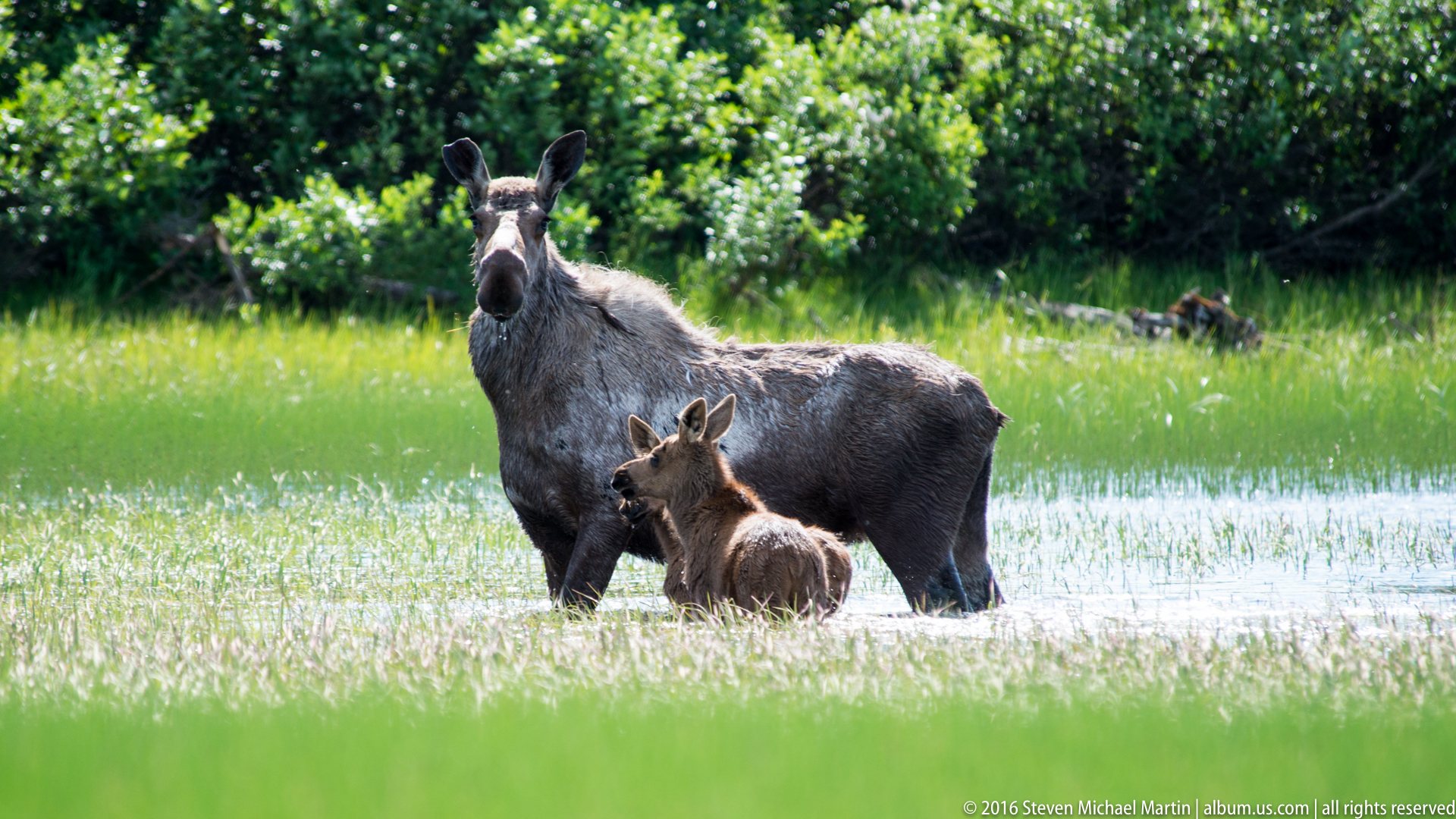
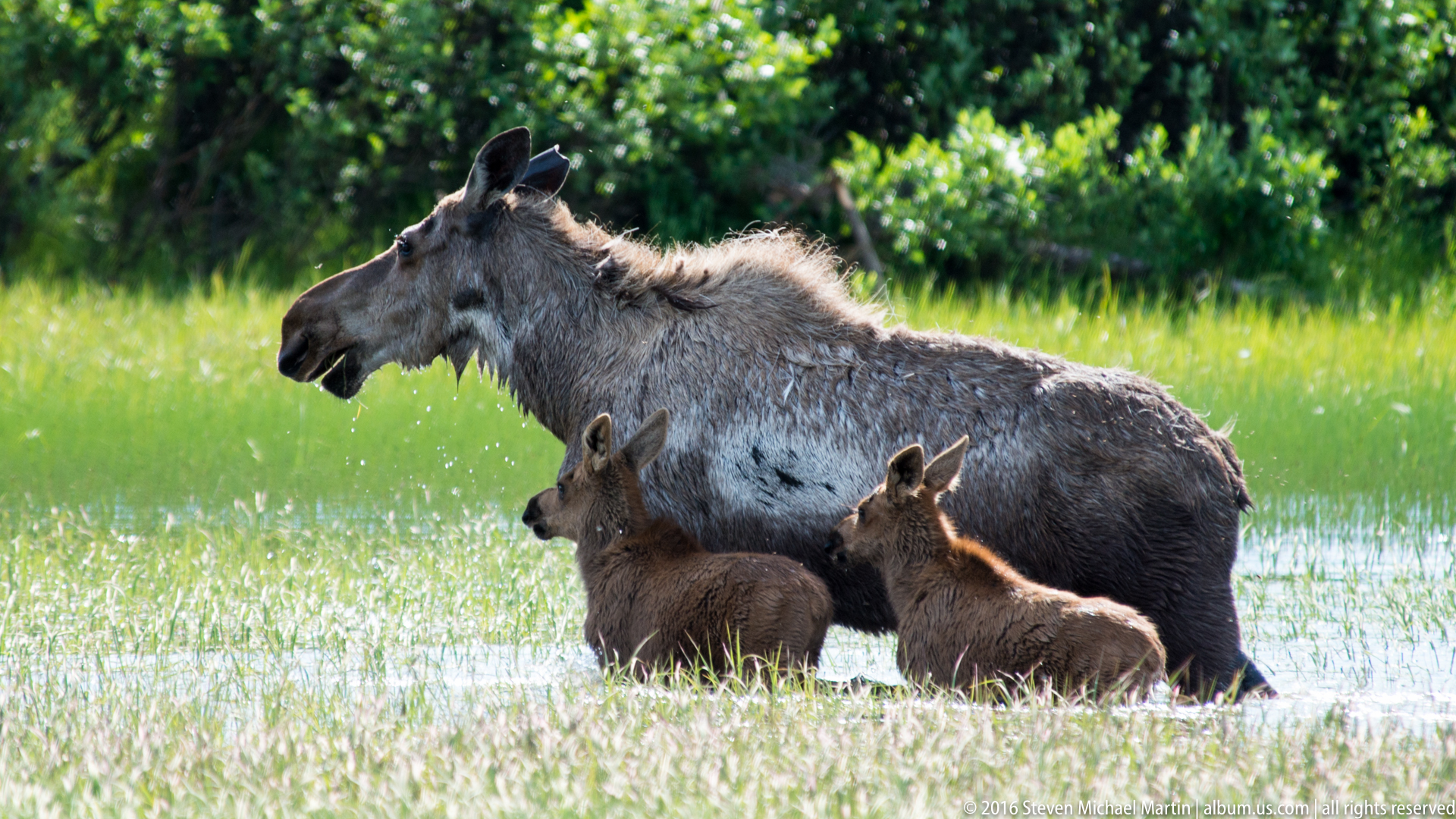
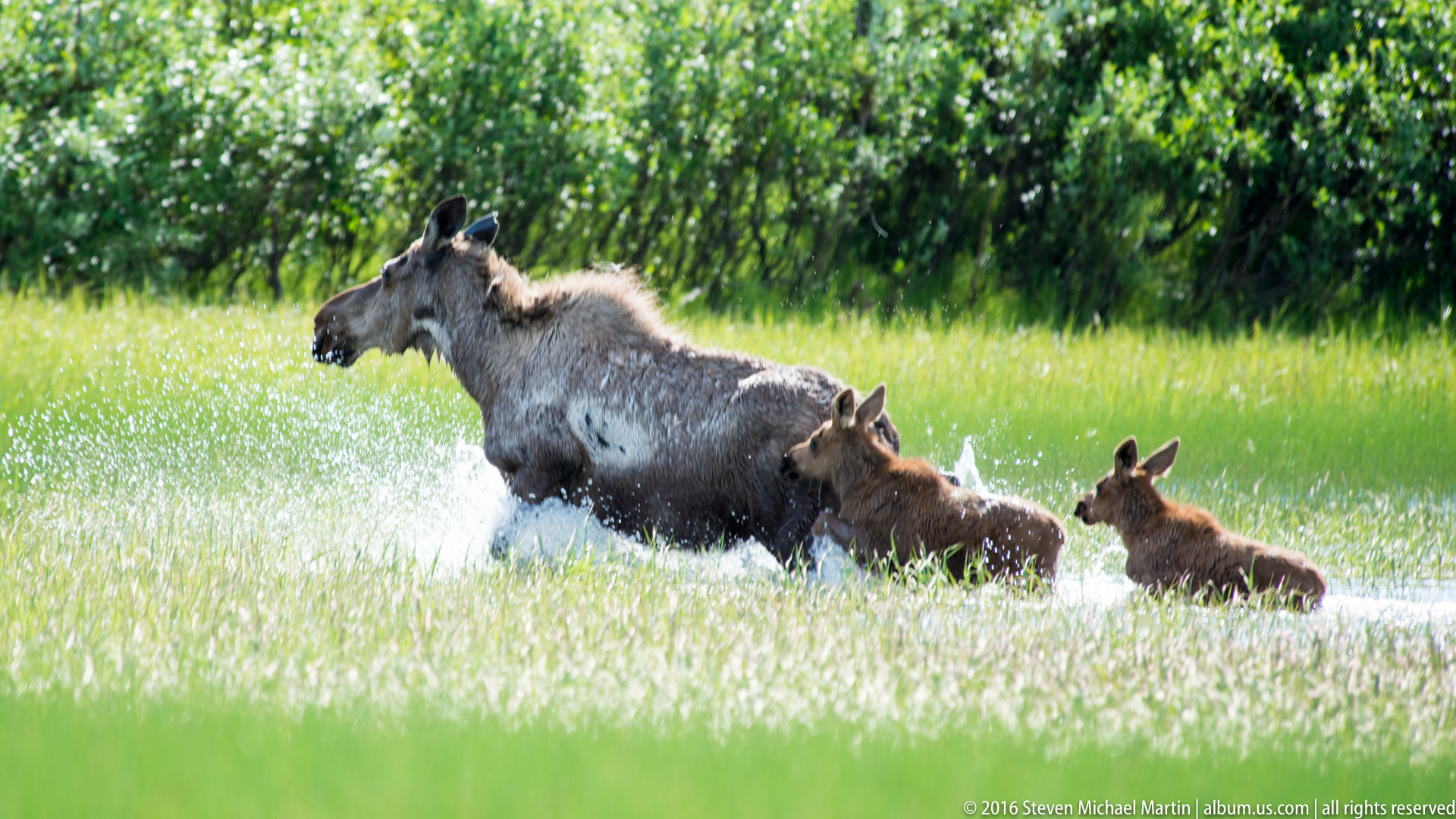
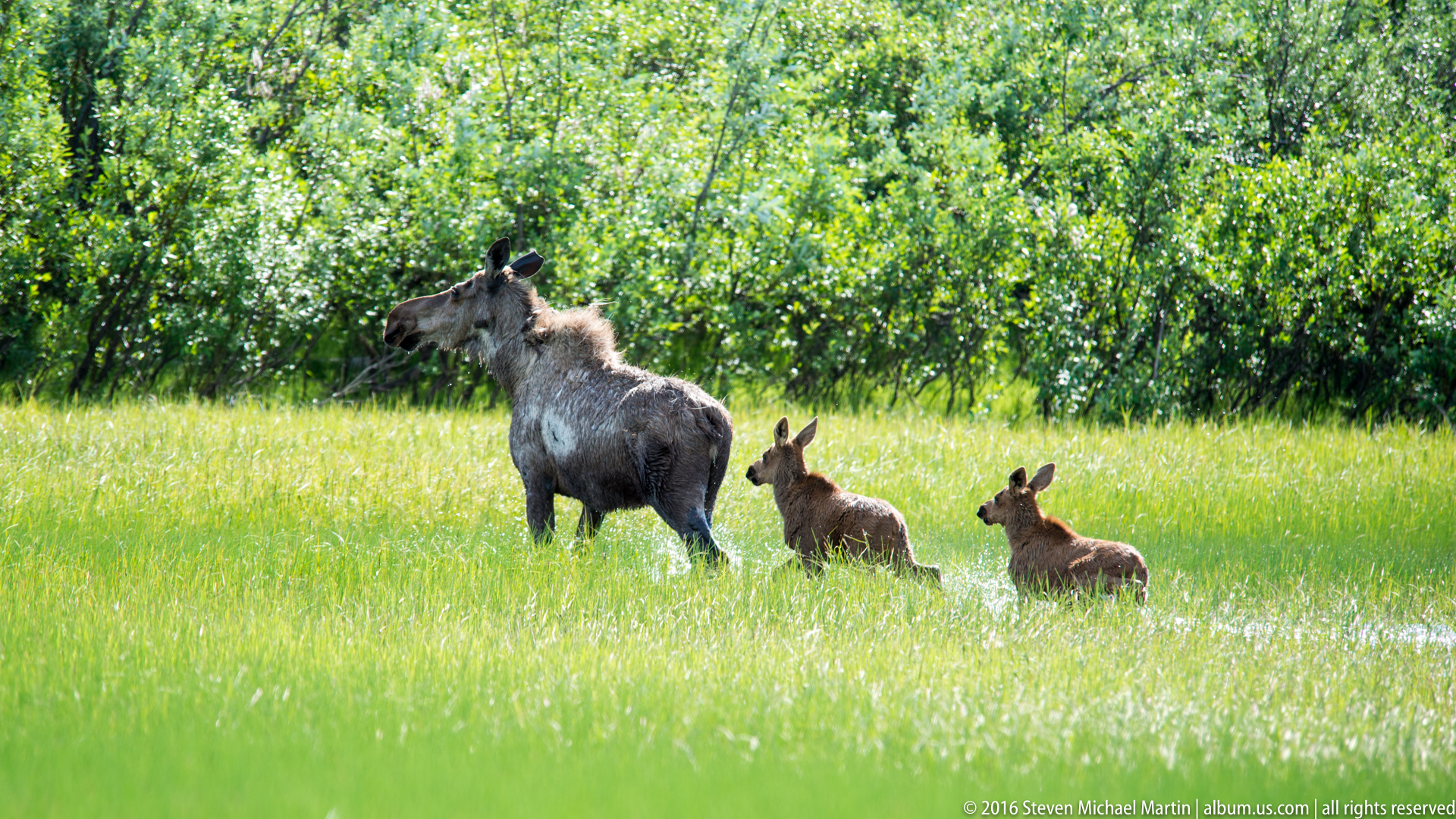
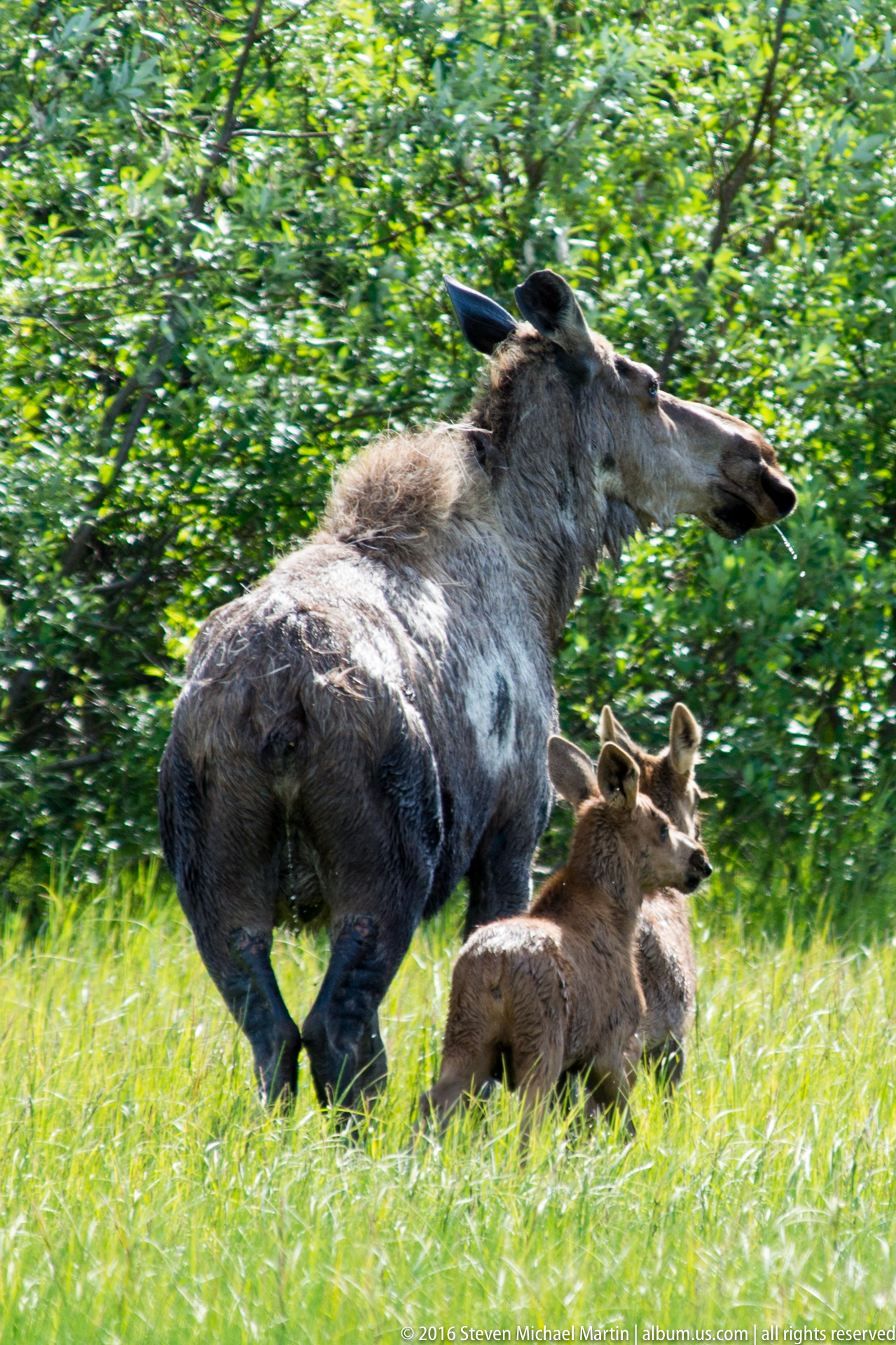
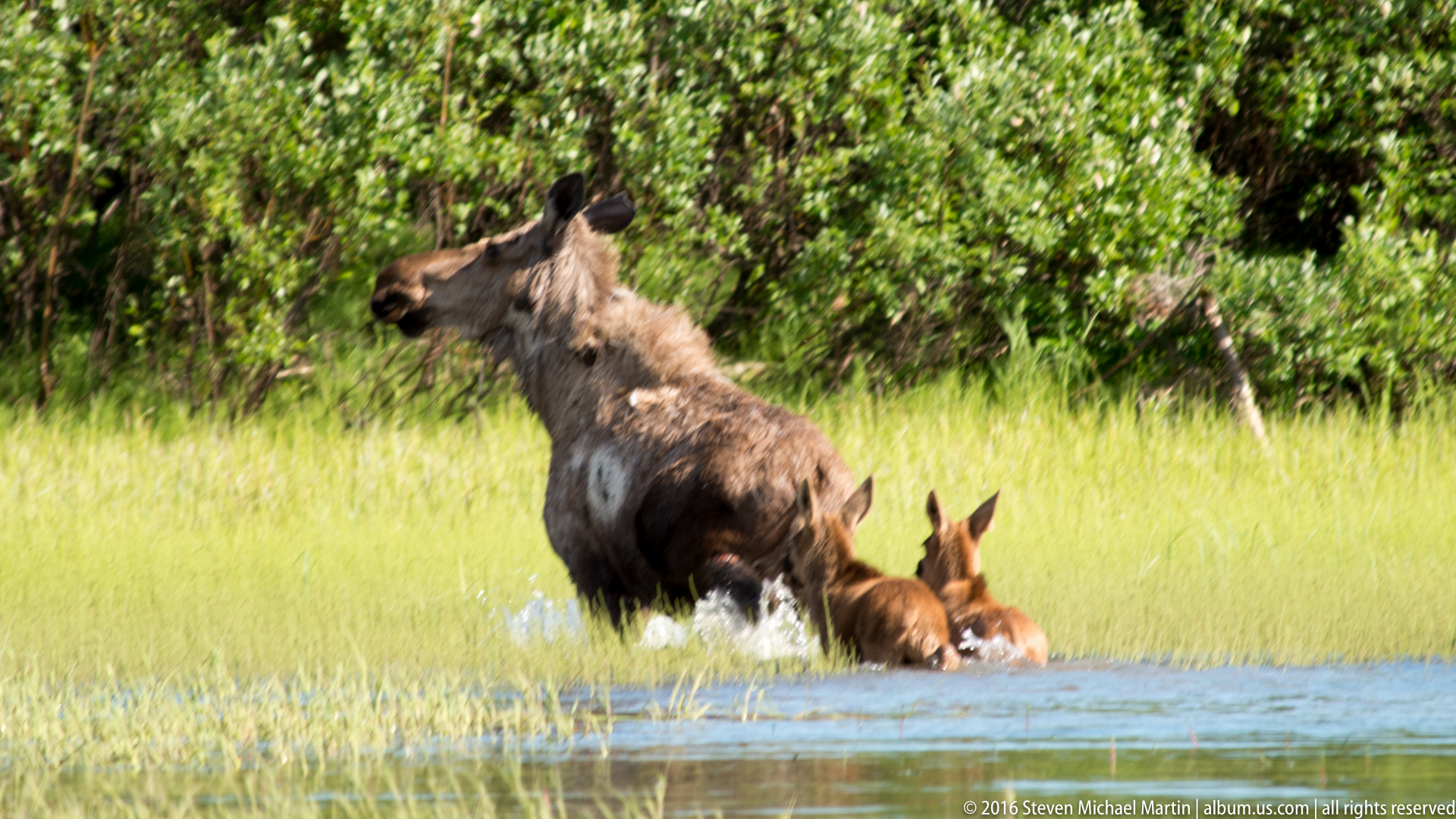
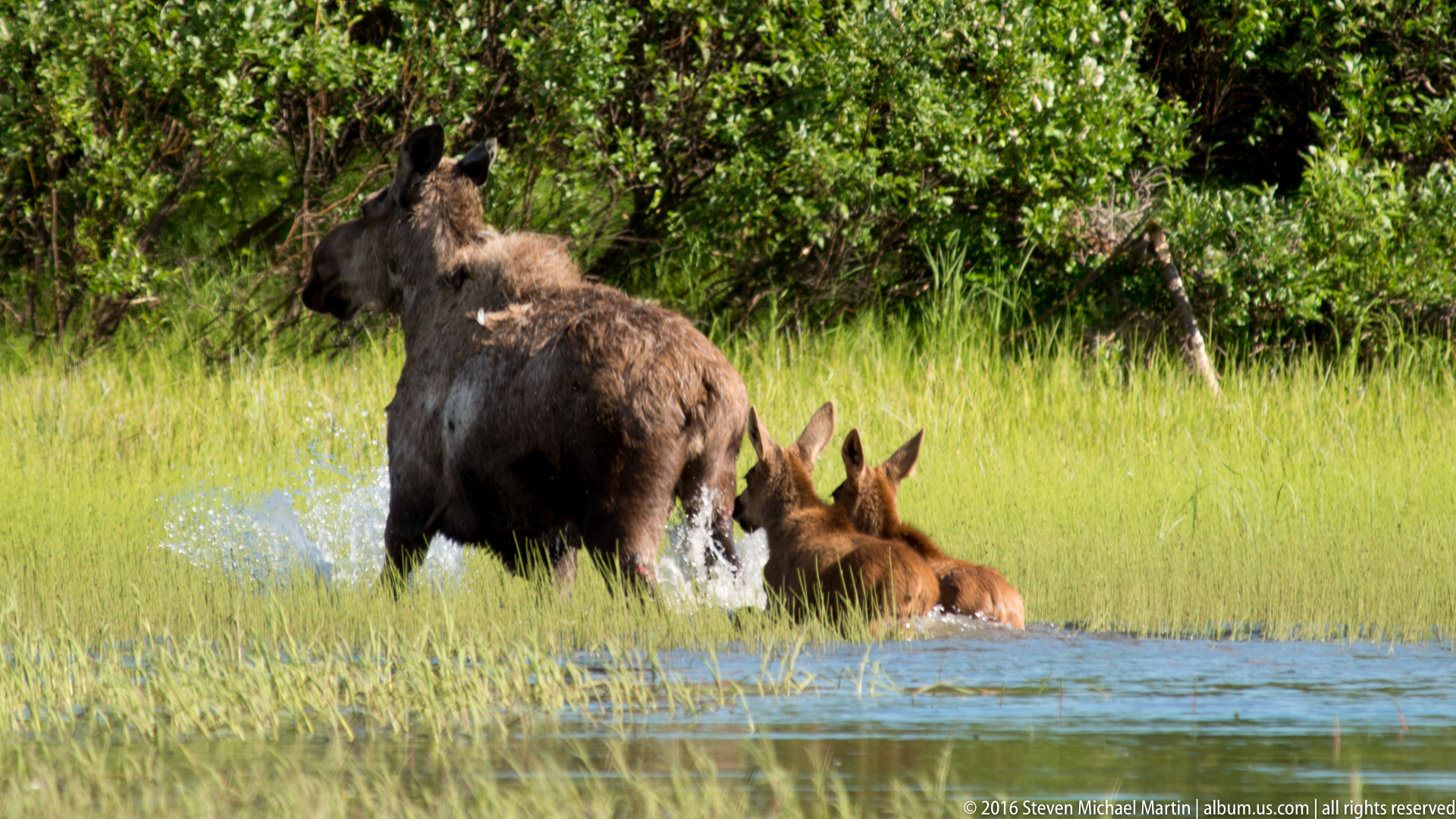
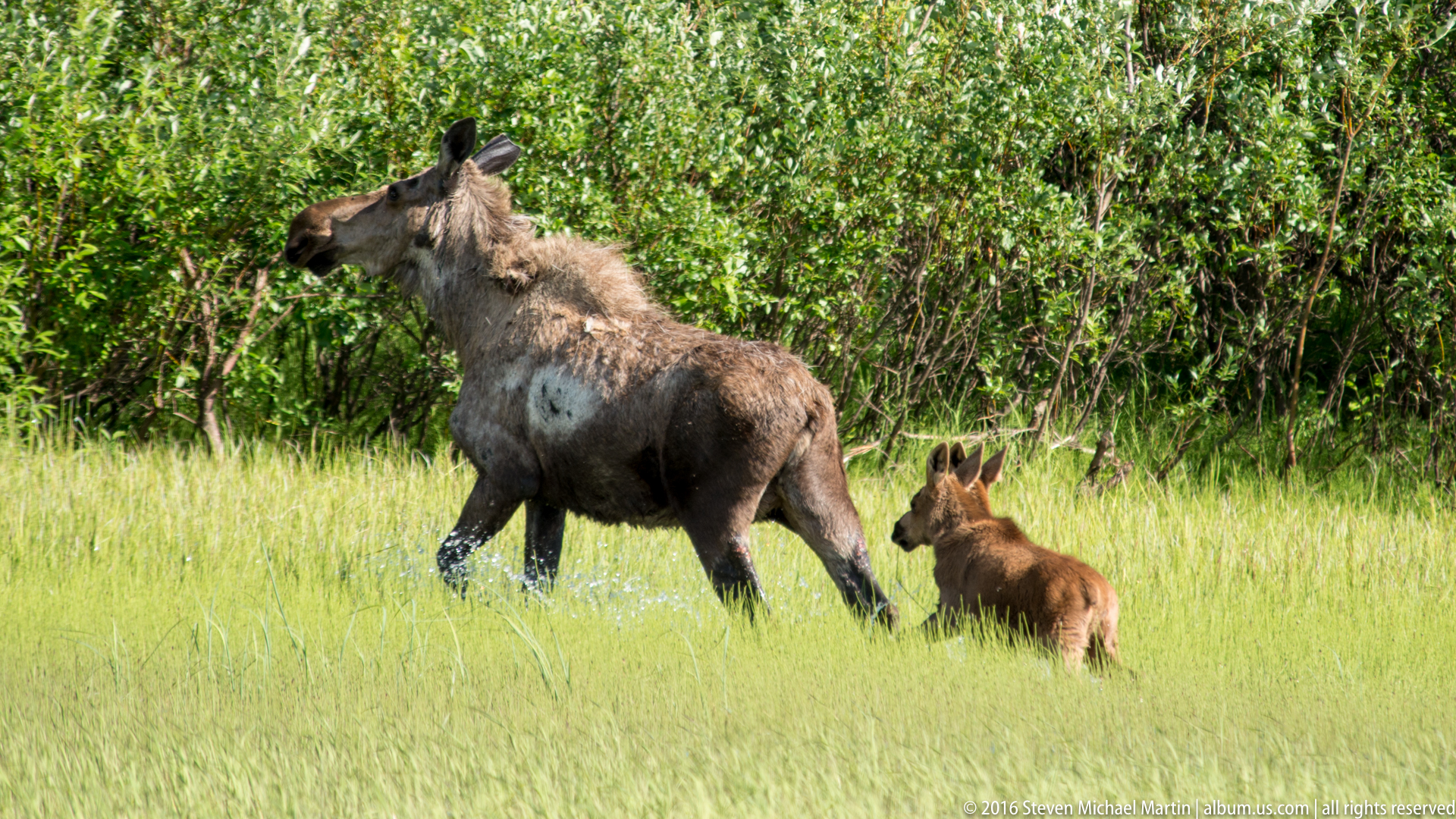
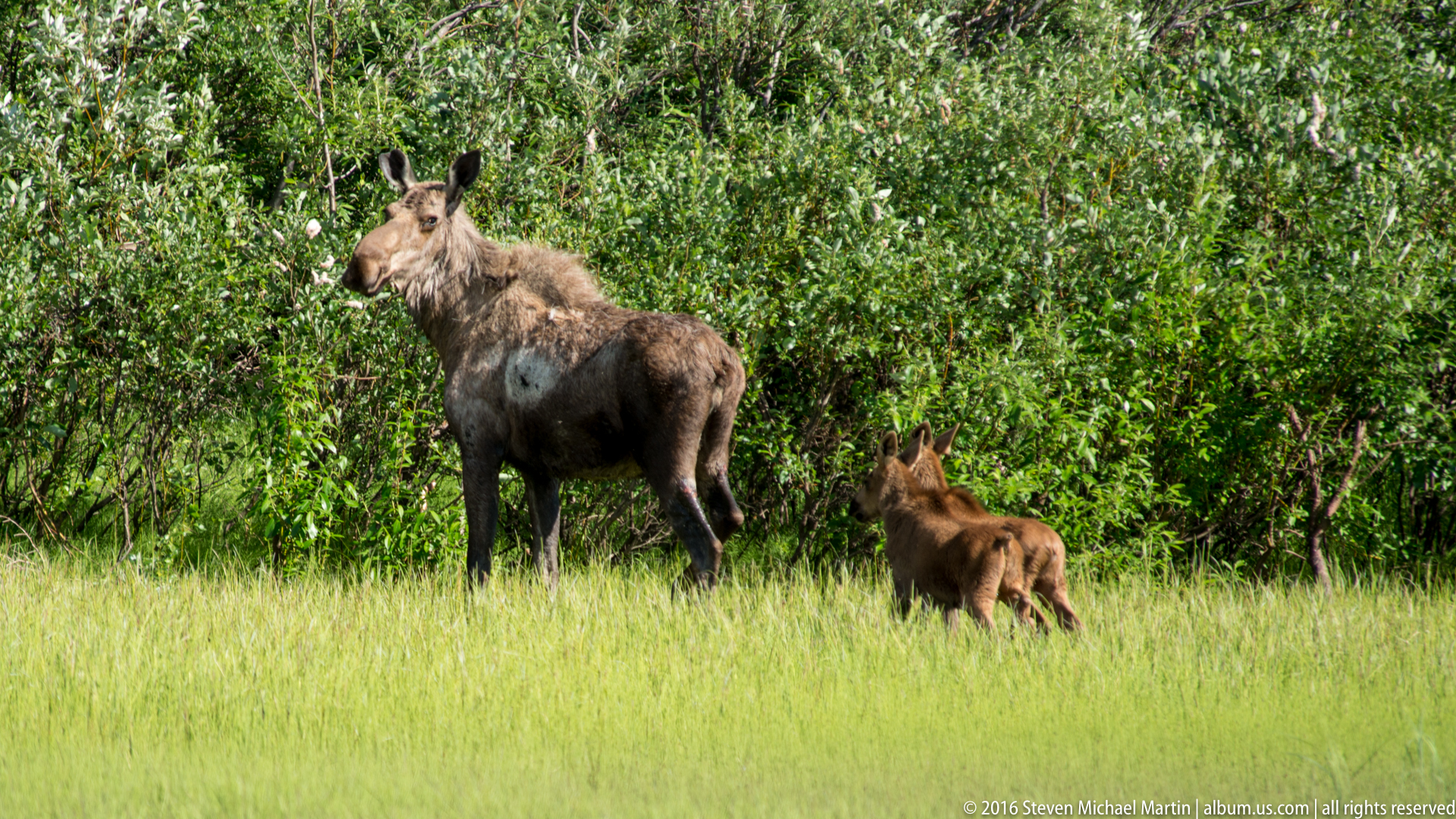
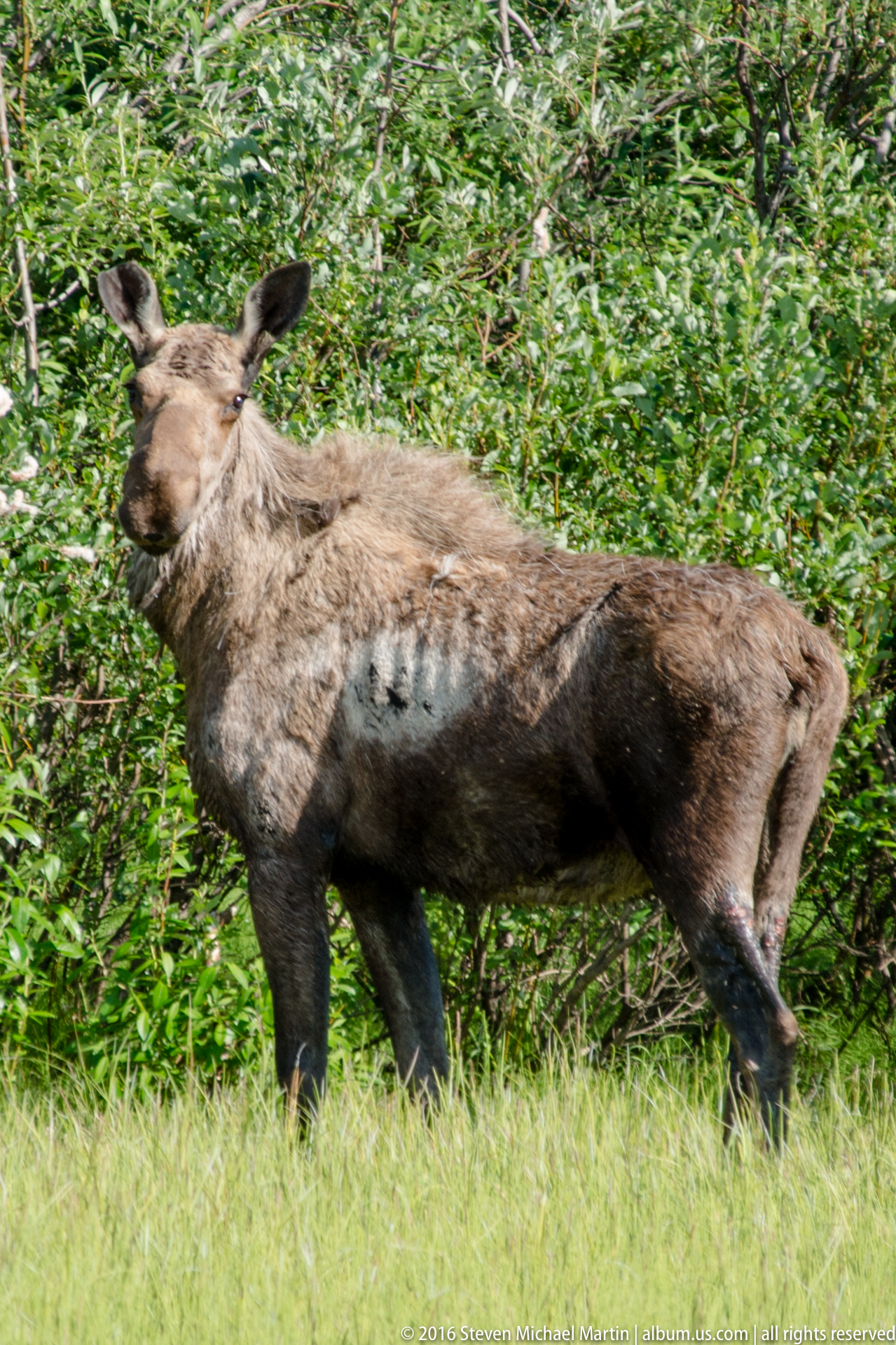
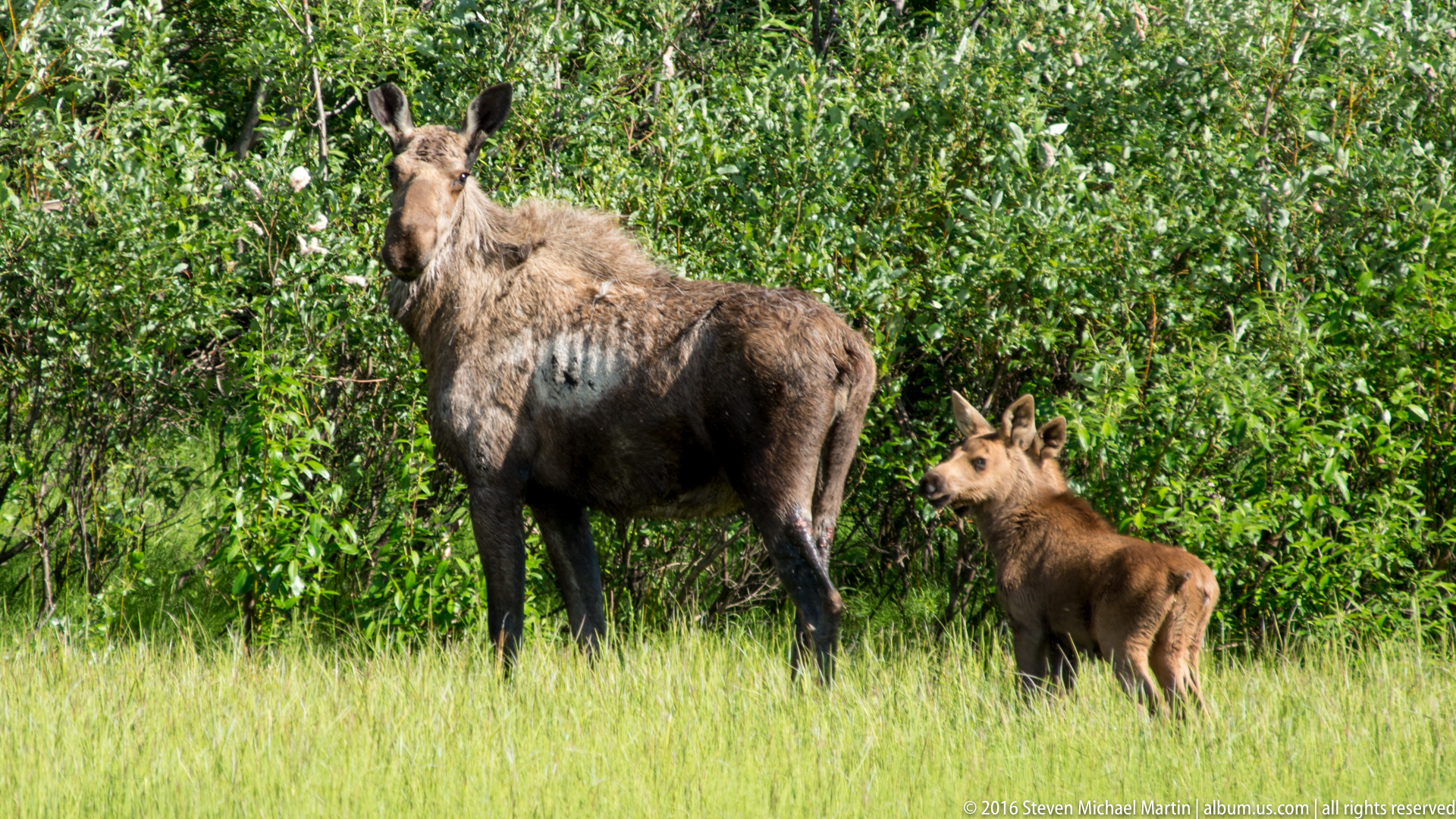
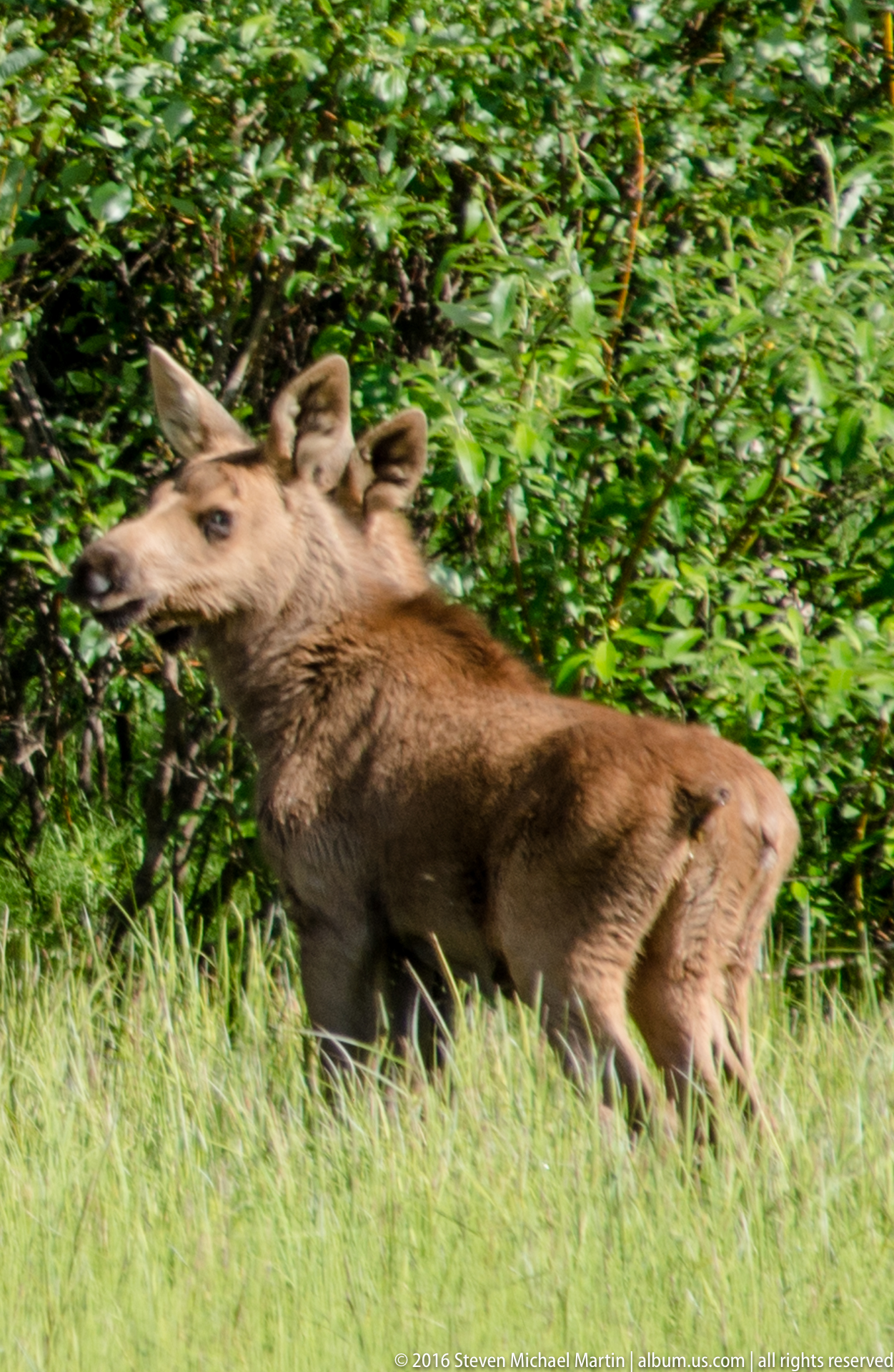
Wildlife encounters along the Kobuk River included extended observation of a moose cow accompanied by calves moving through wet meadow and riparian habitats typical of Arctic Alaska. Moose are well adapted to these northern environments, often feeding on aquatic plants and shrubs found along slow-moving river channels and seasonally saturated tundra.
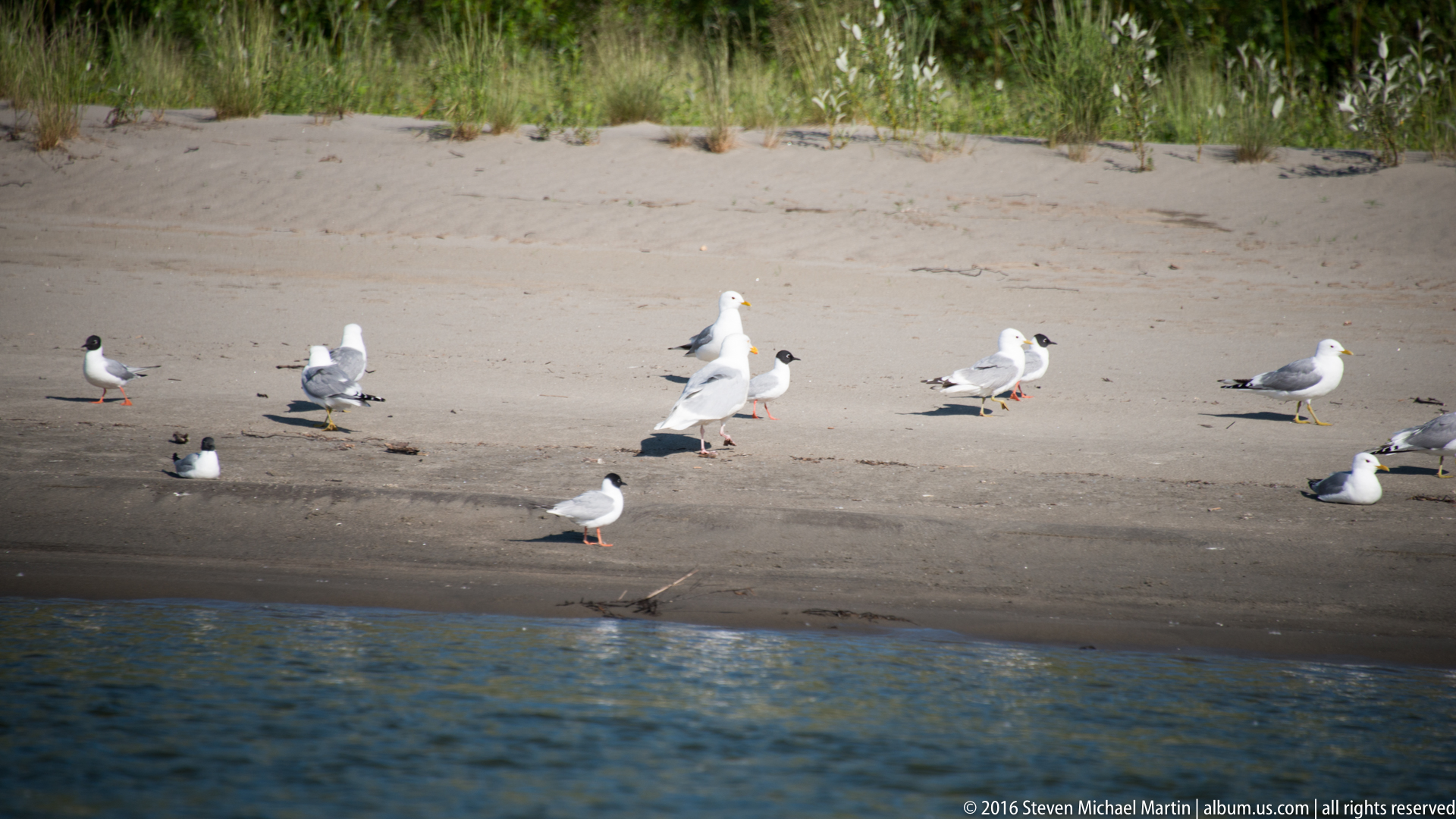
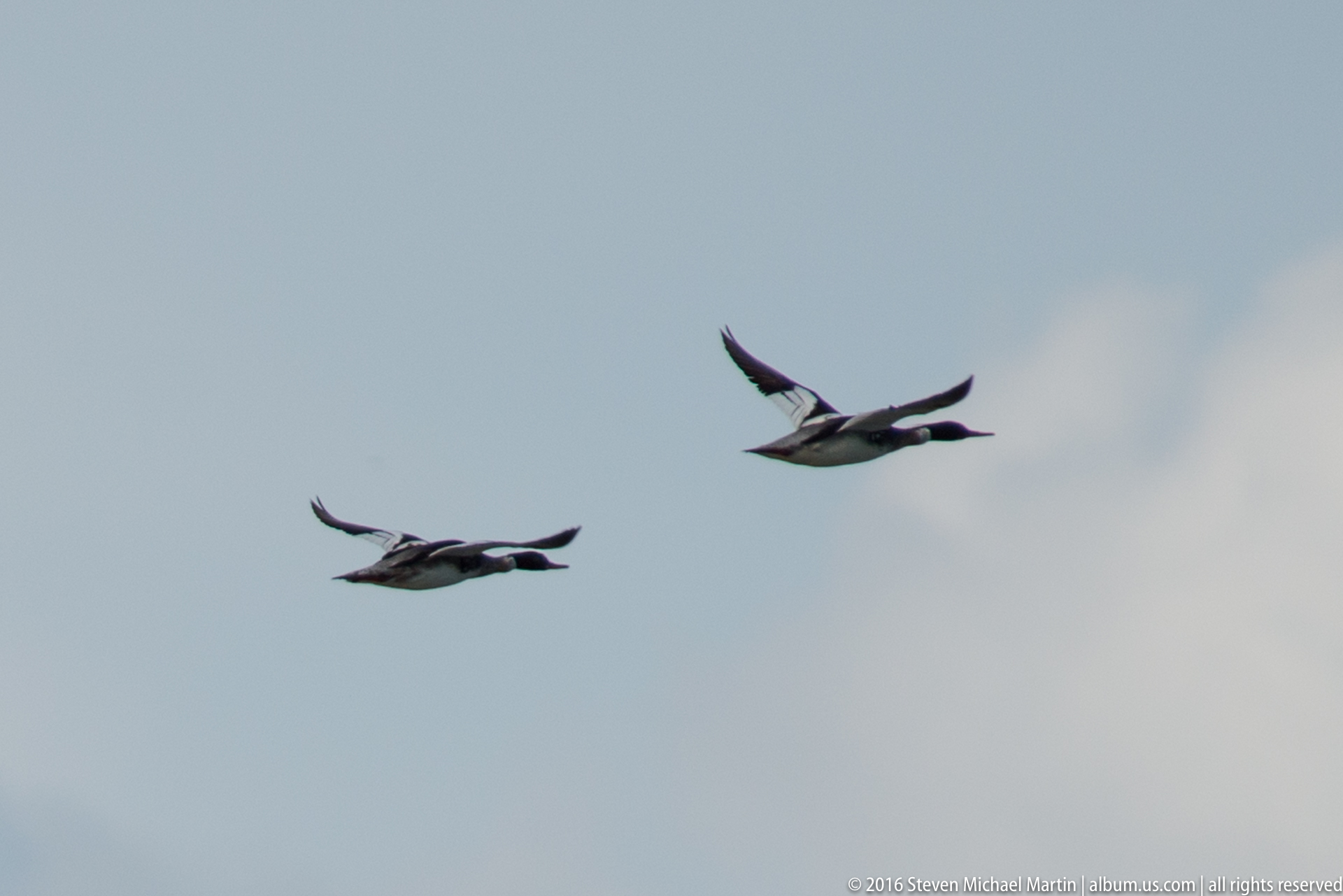
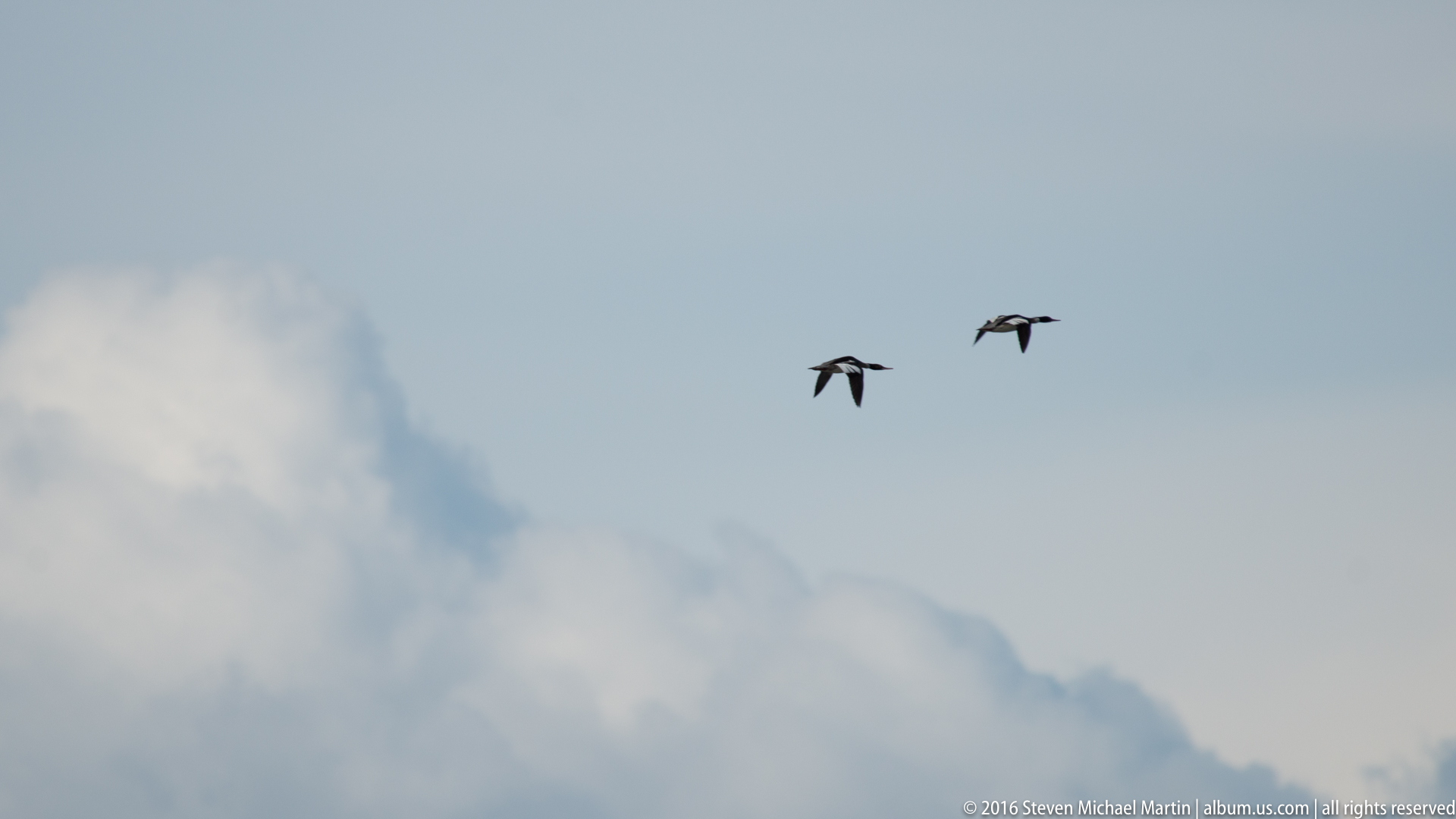
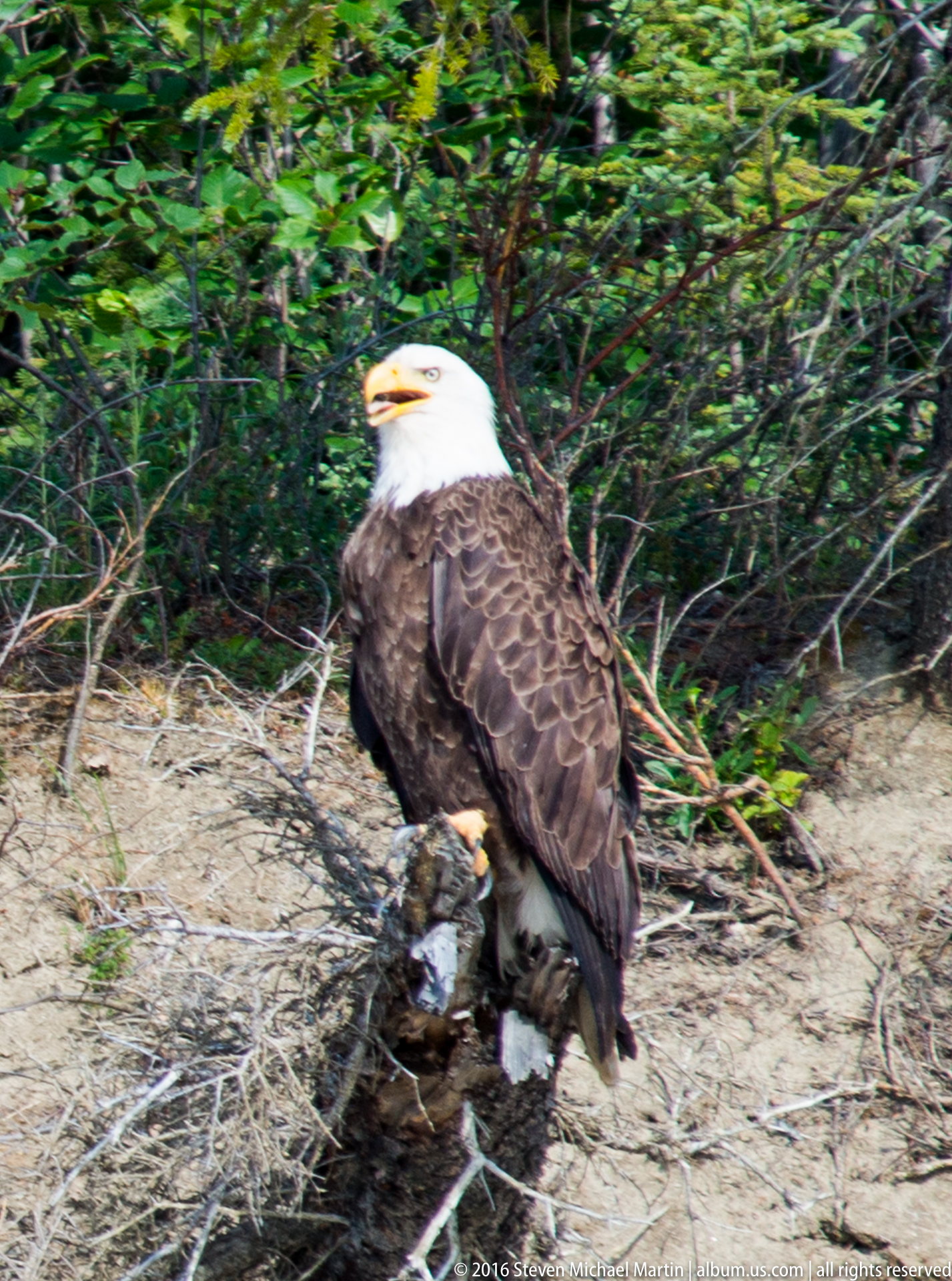
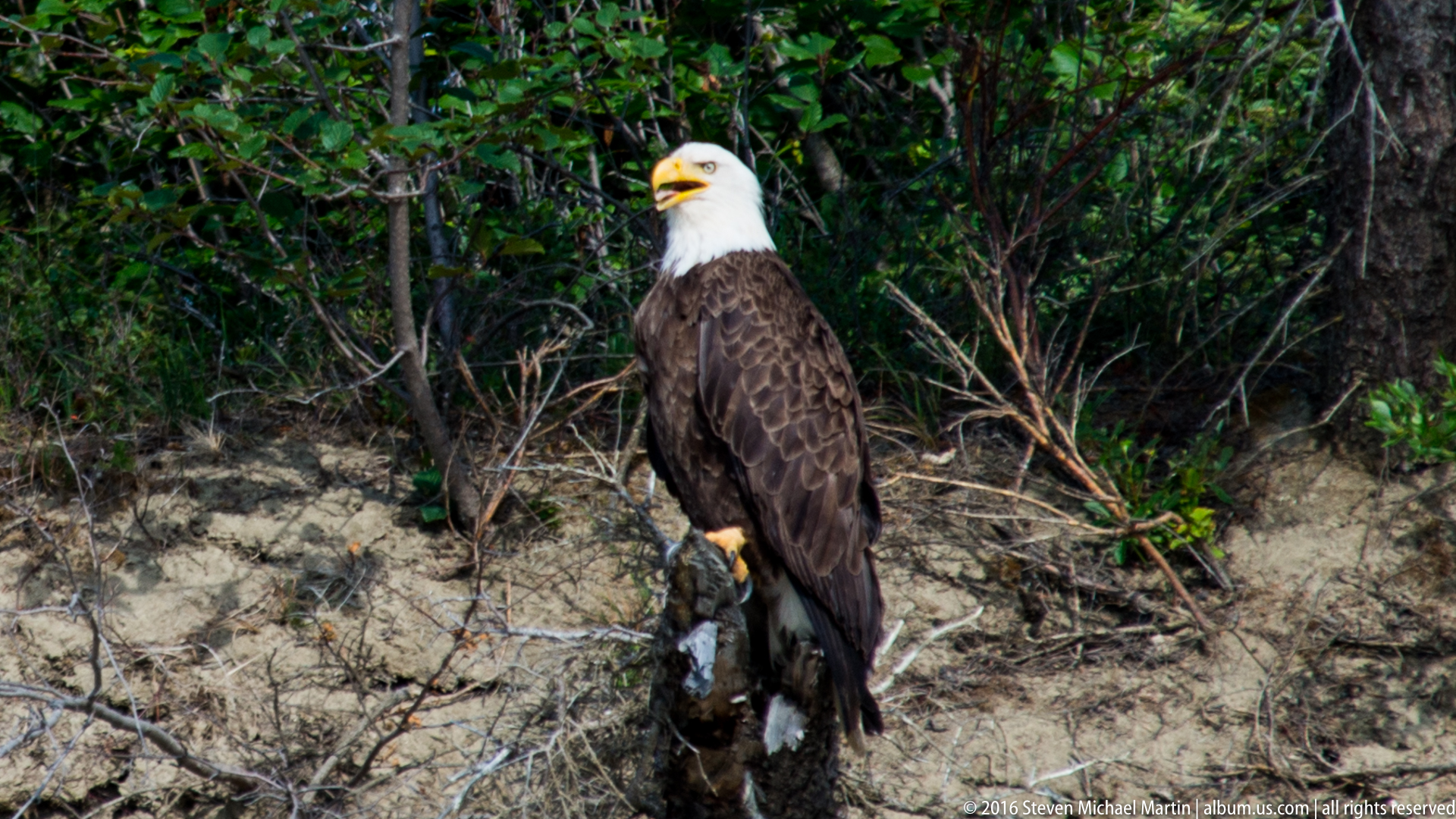
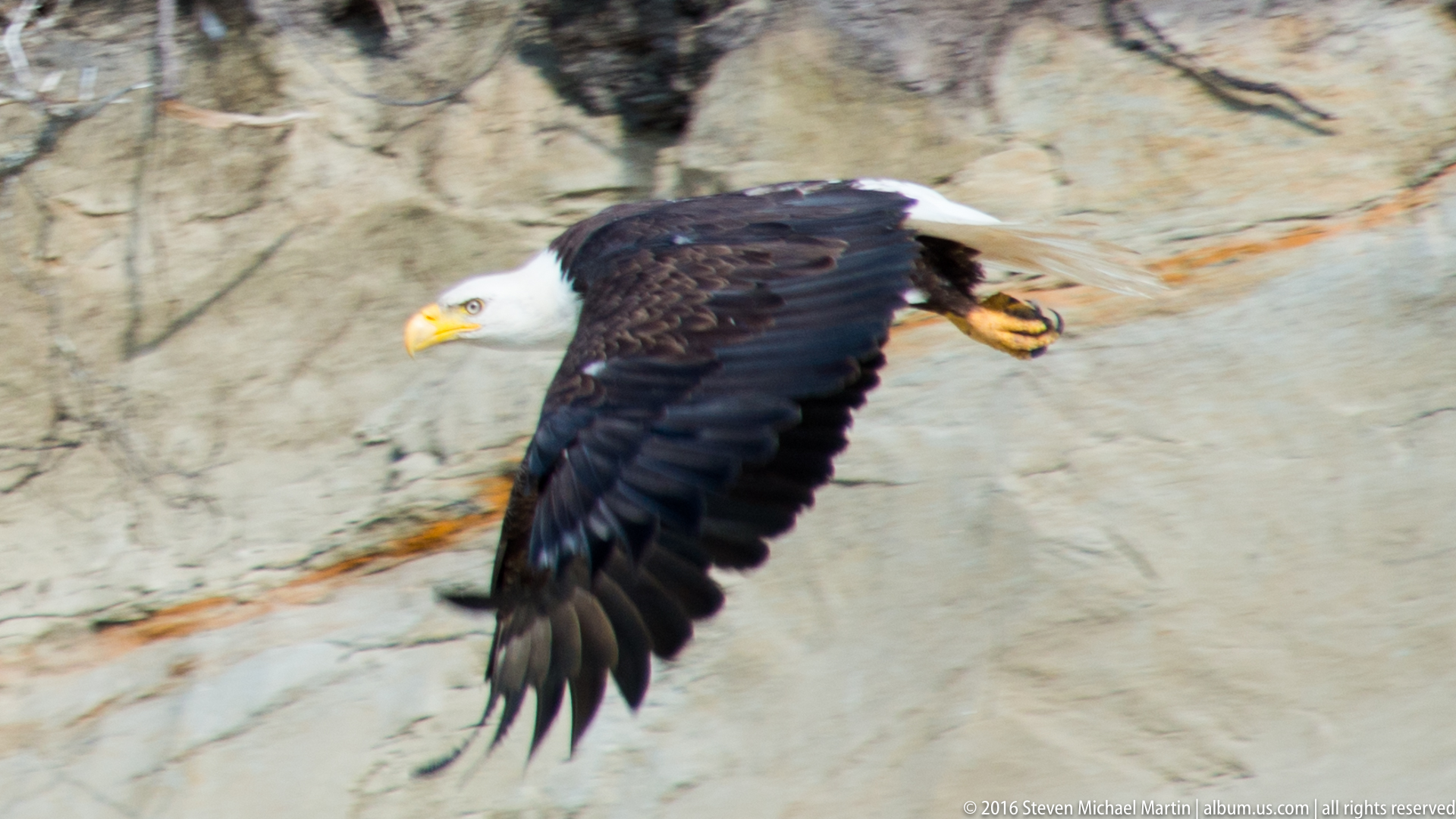
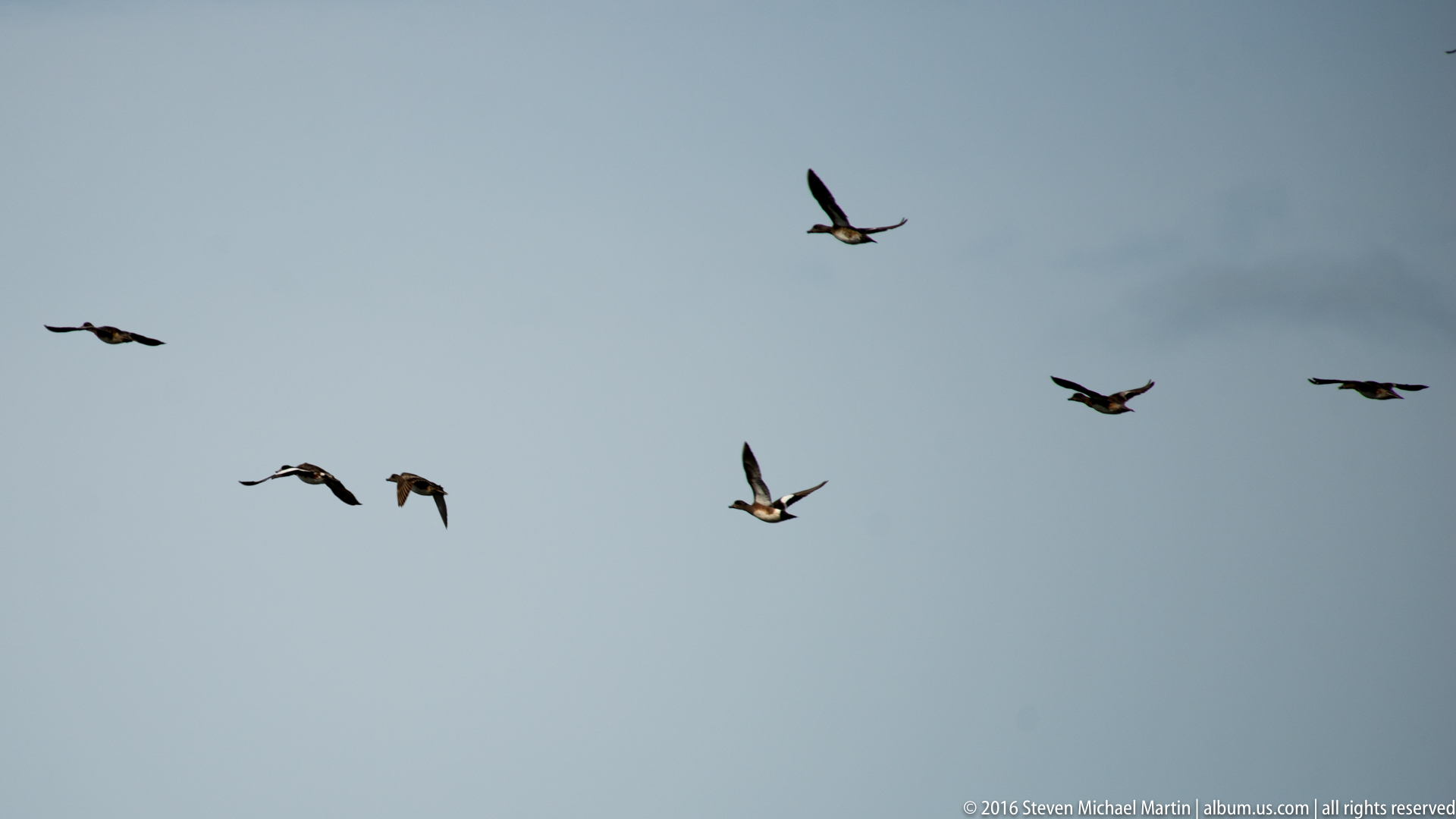
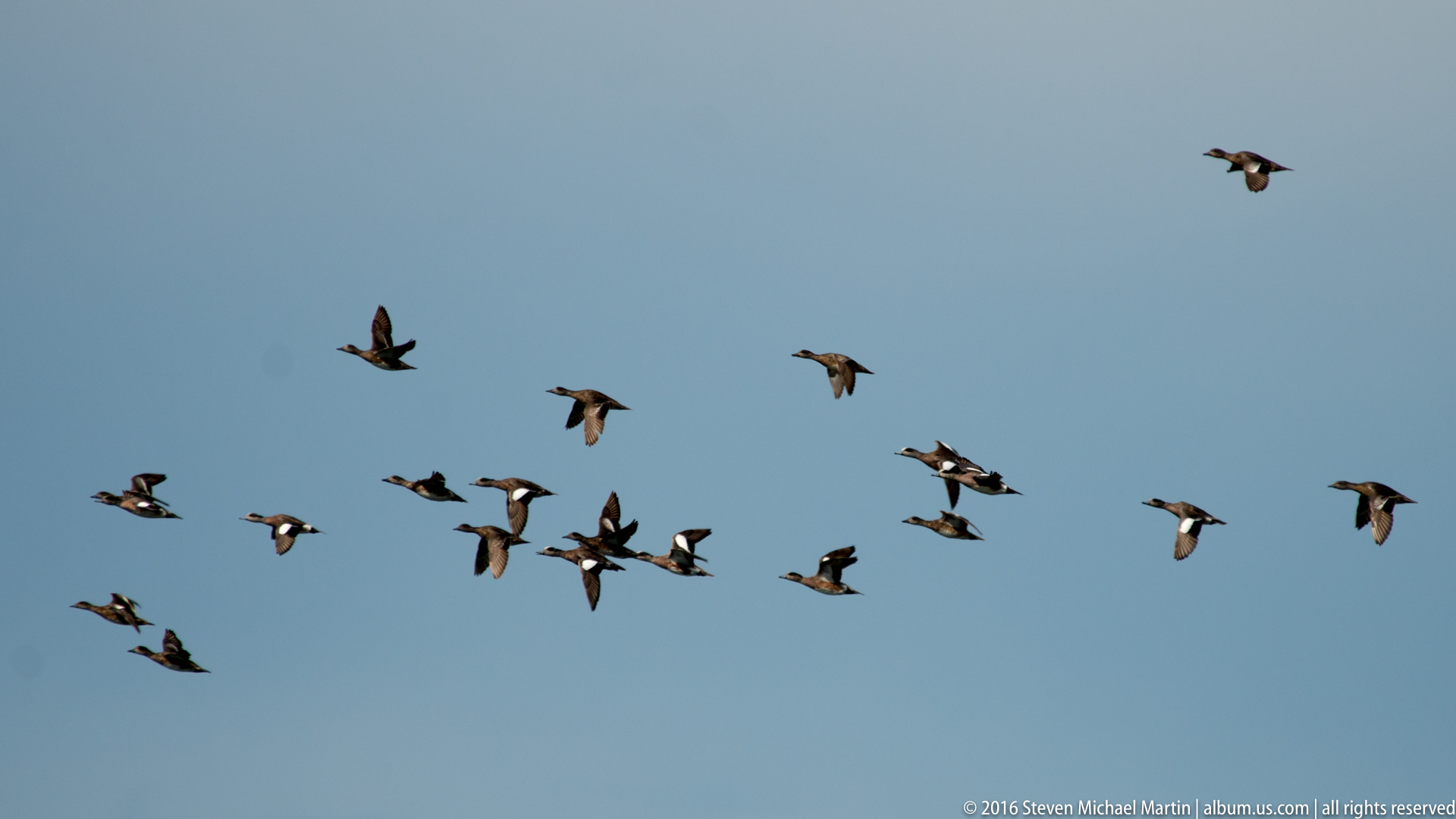
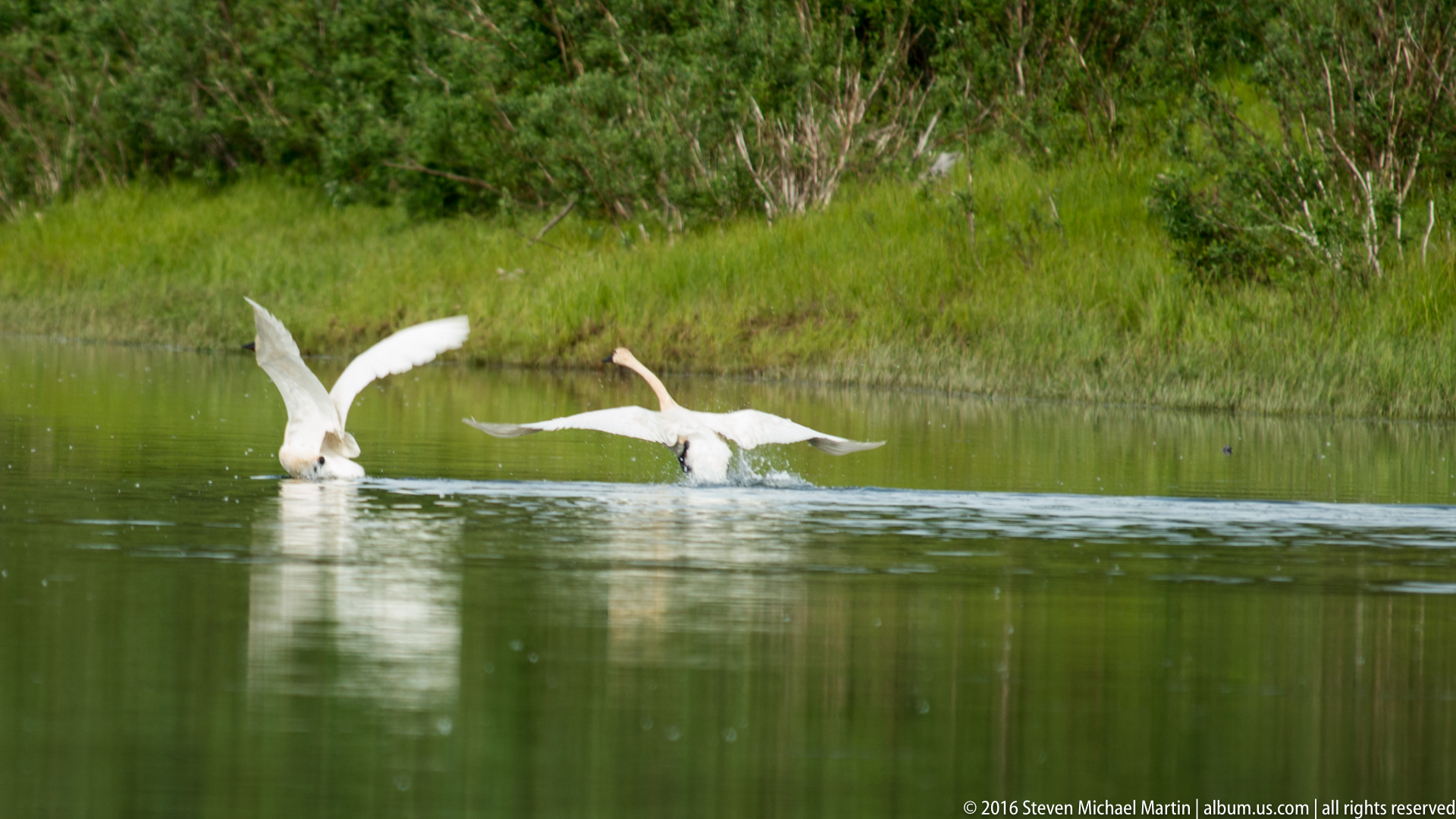
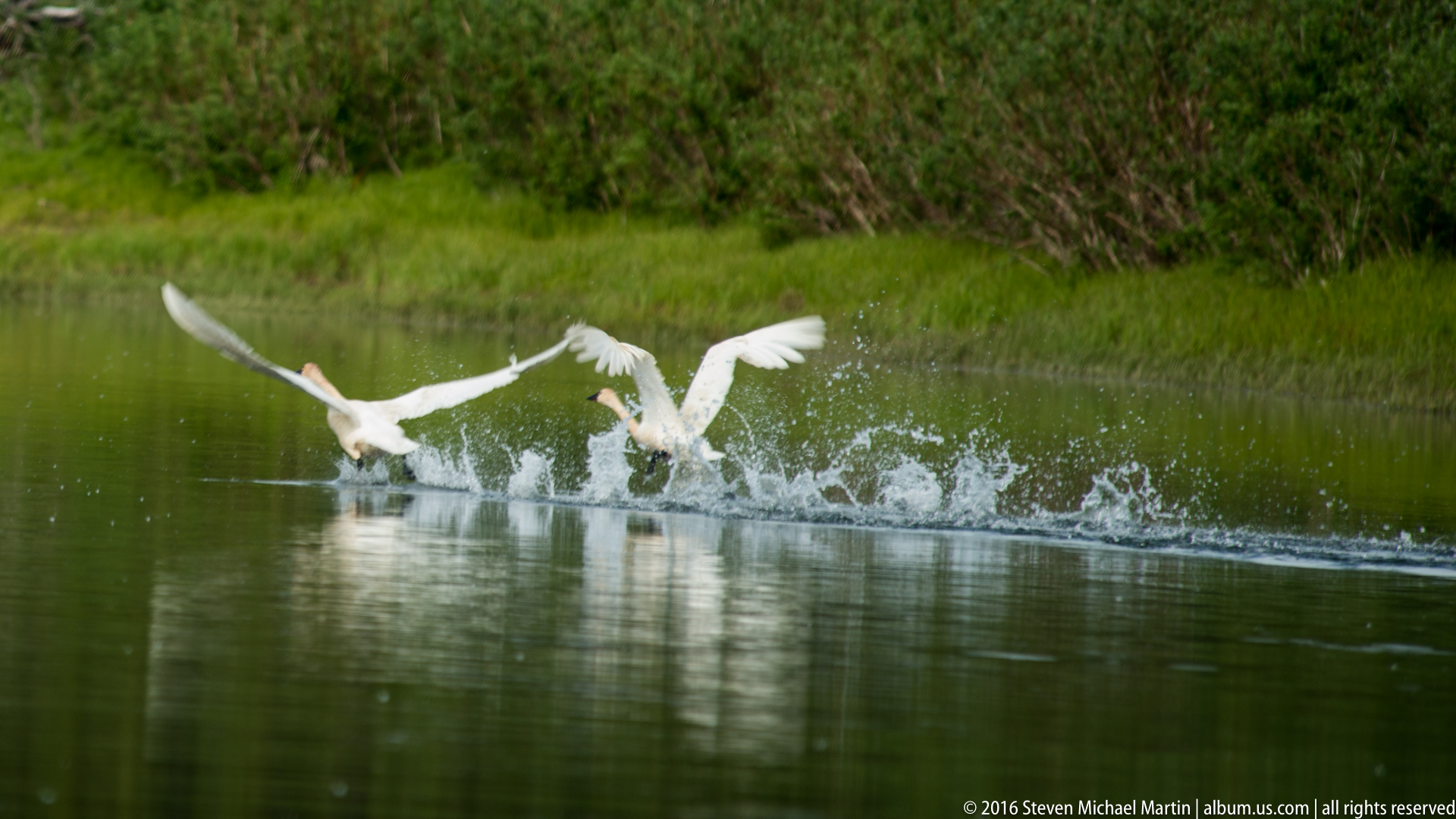
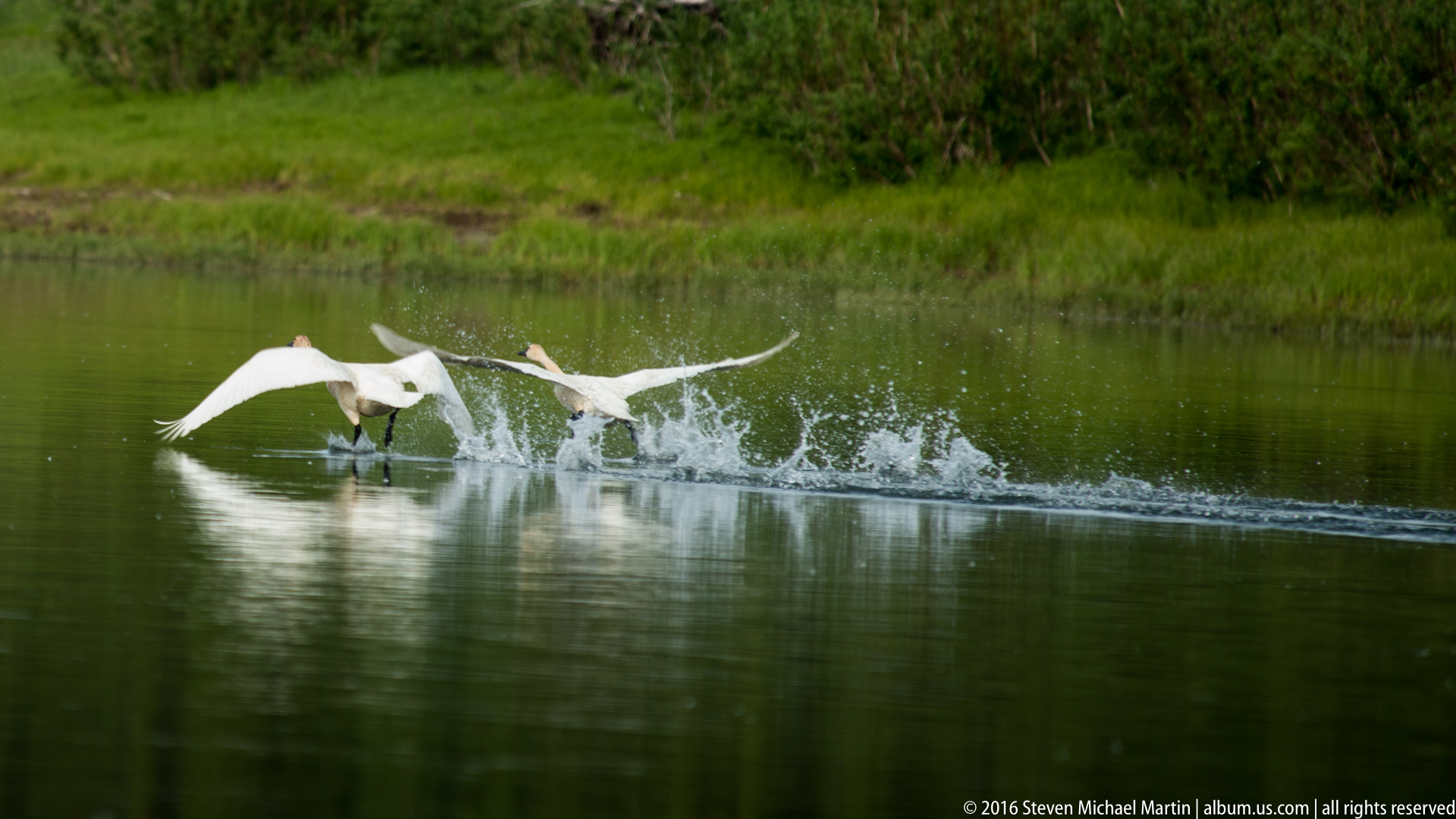
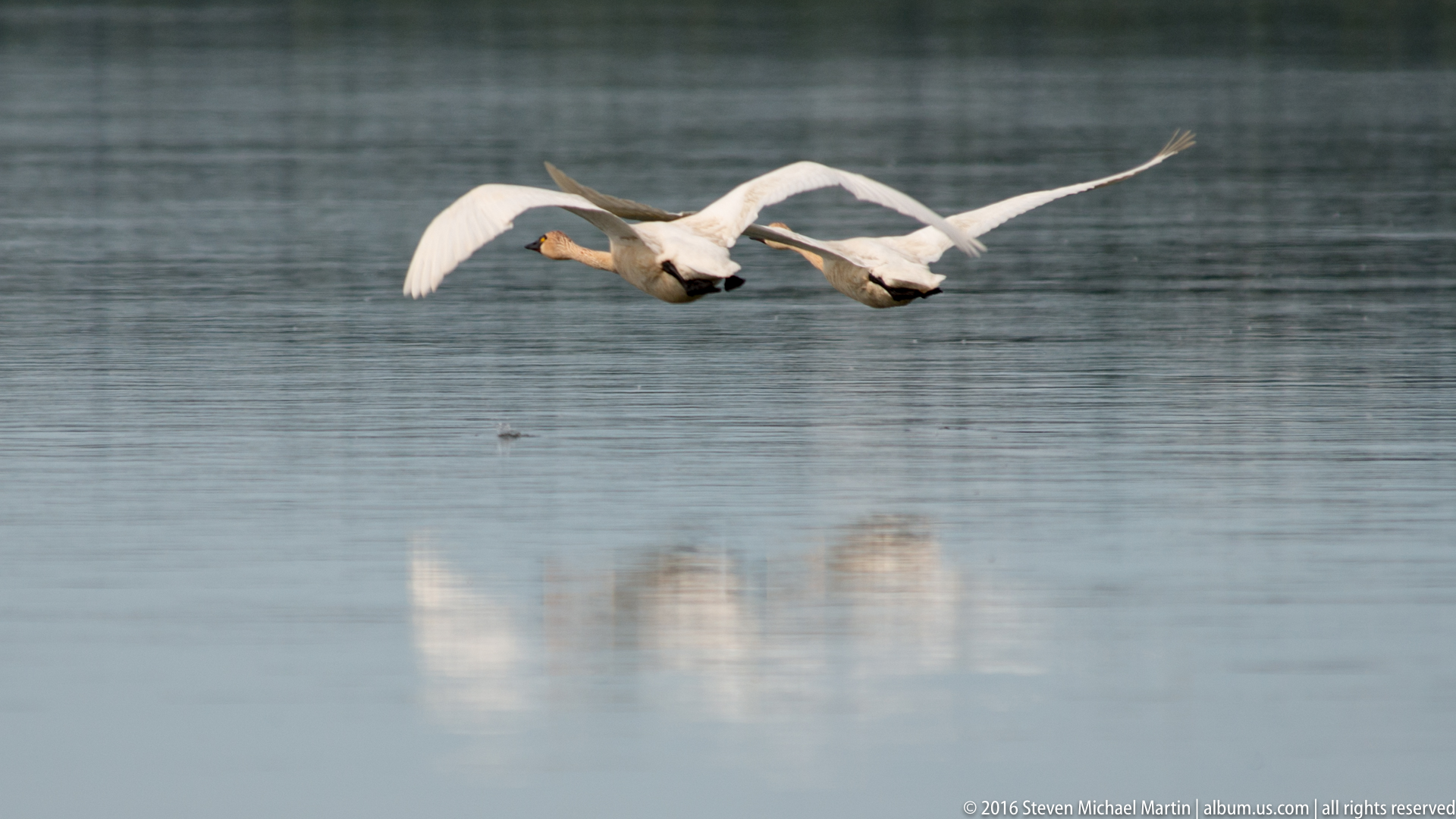
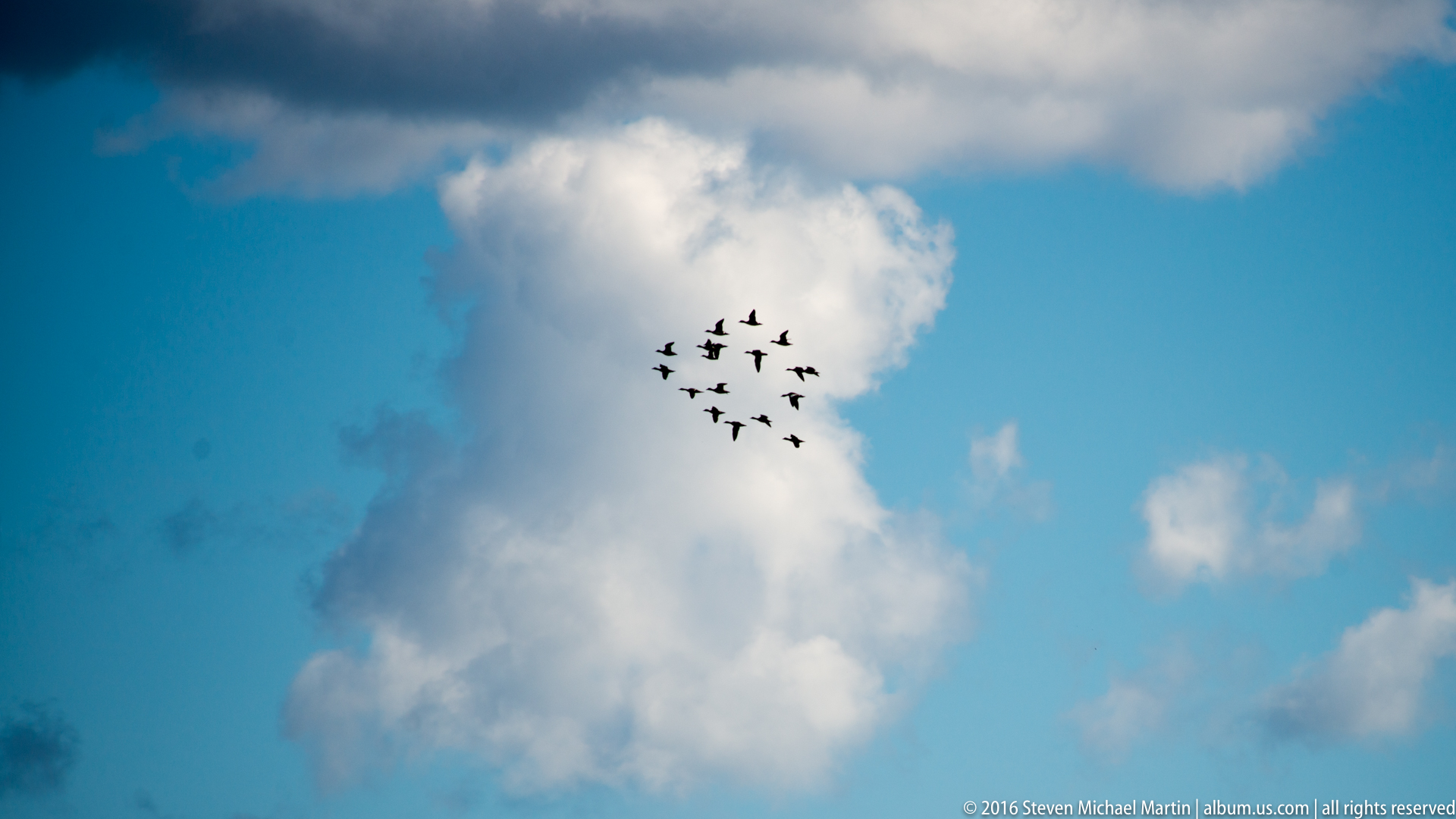
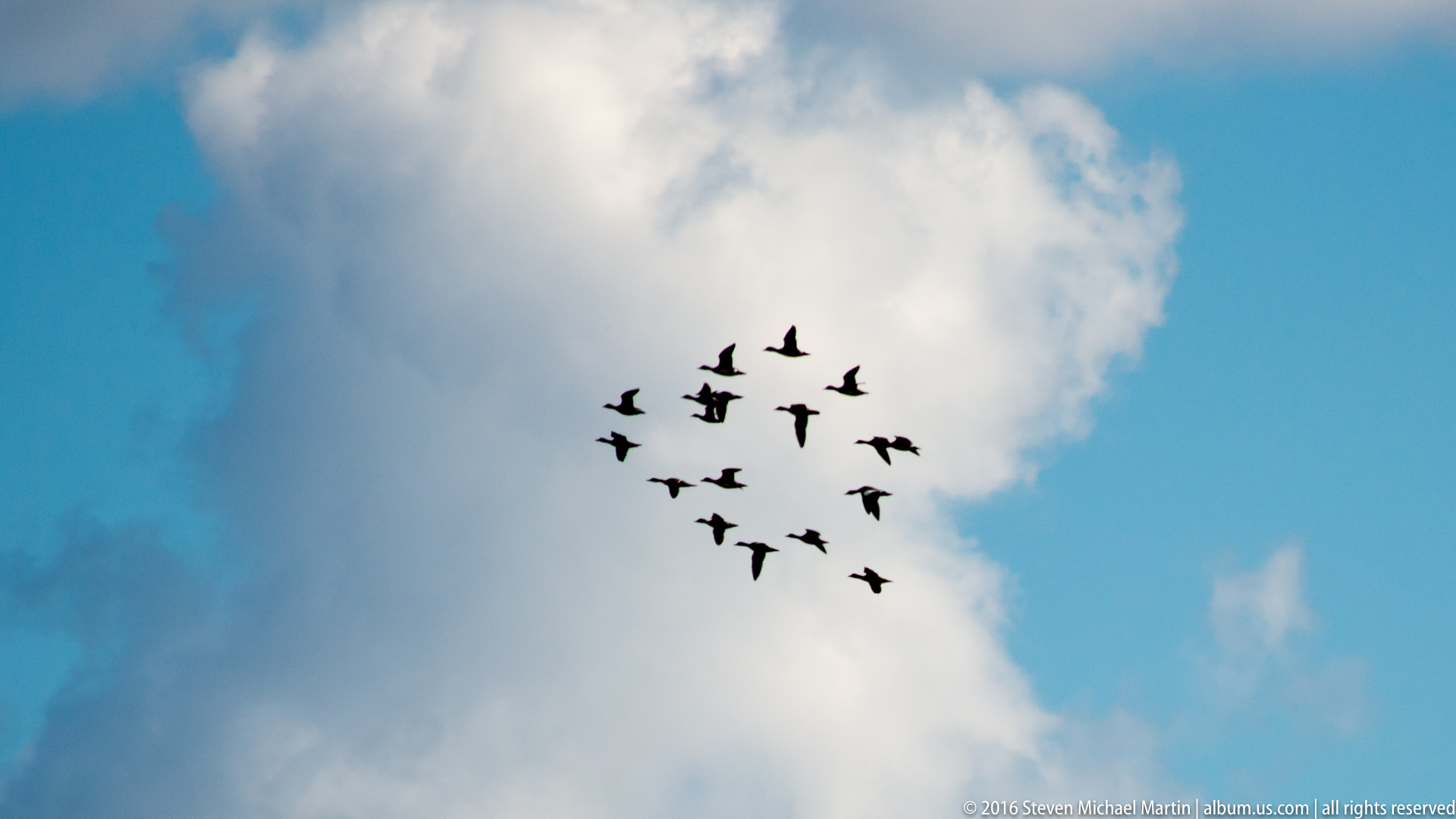
Birdlife observed along the river corridor included migratory waterfowl and bald eagles. Bald eagles are commonly associated with northern river systems where fish and tall trees provide suitable nesting and hunting habitat. The Kobuk River serves as an important ecological corridor supporting seasonal bird movements across the Arctic.
Onion Portage has long been recognized as a significant wildlife migration corridor, particularly for the Western Arctic caribou herd, illustrating the ecological importance of the Kobuk River valley as a transition zone between boreal forest and tundra ecosystems.
📷 Photography Notes
- Low-angle light emphasizes texture in sand dunes
- Wide compositions highlight contrast between dunes and tundra
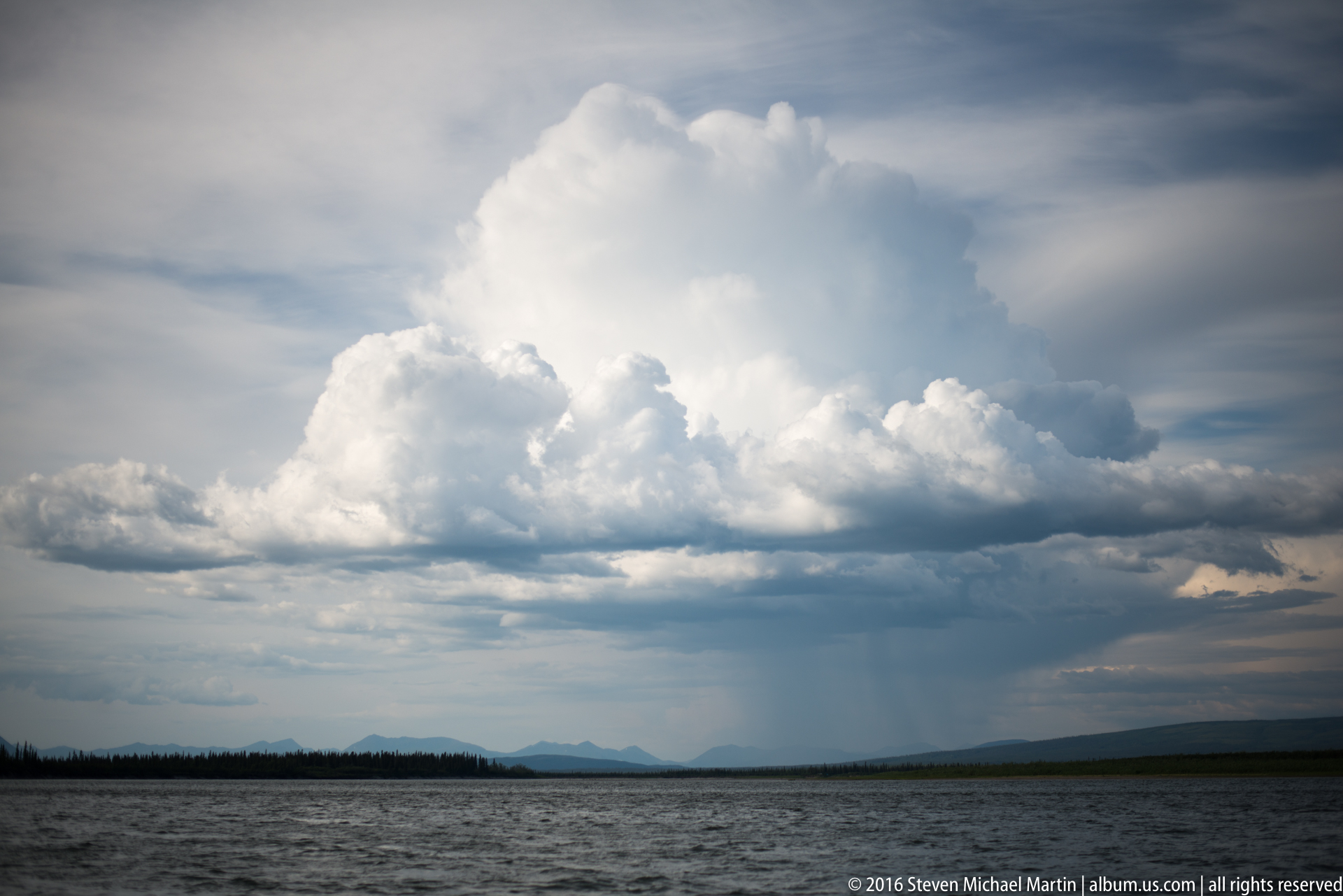
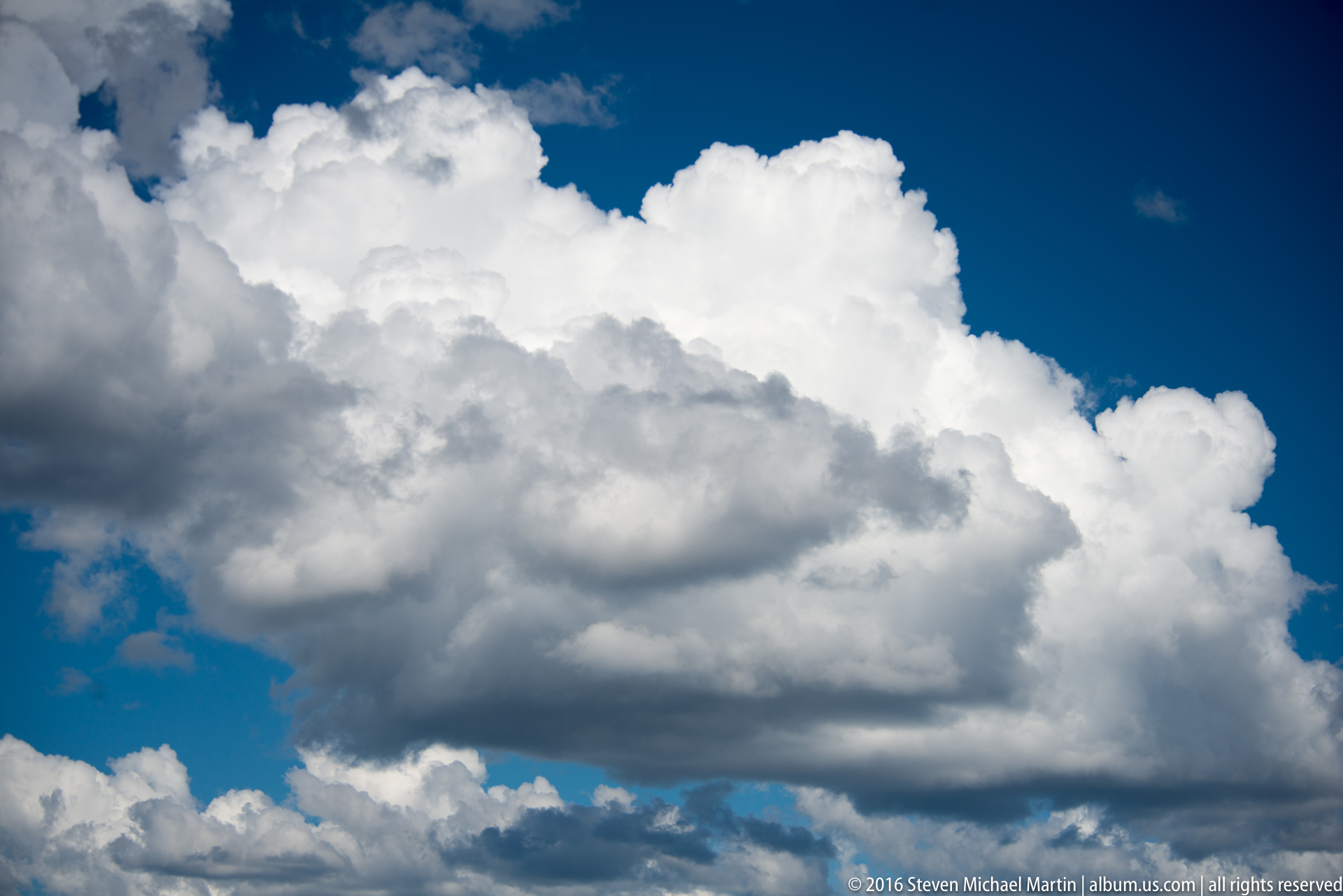
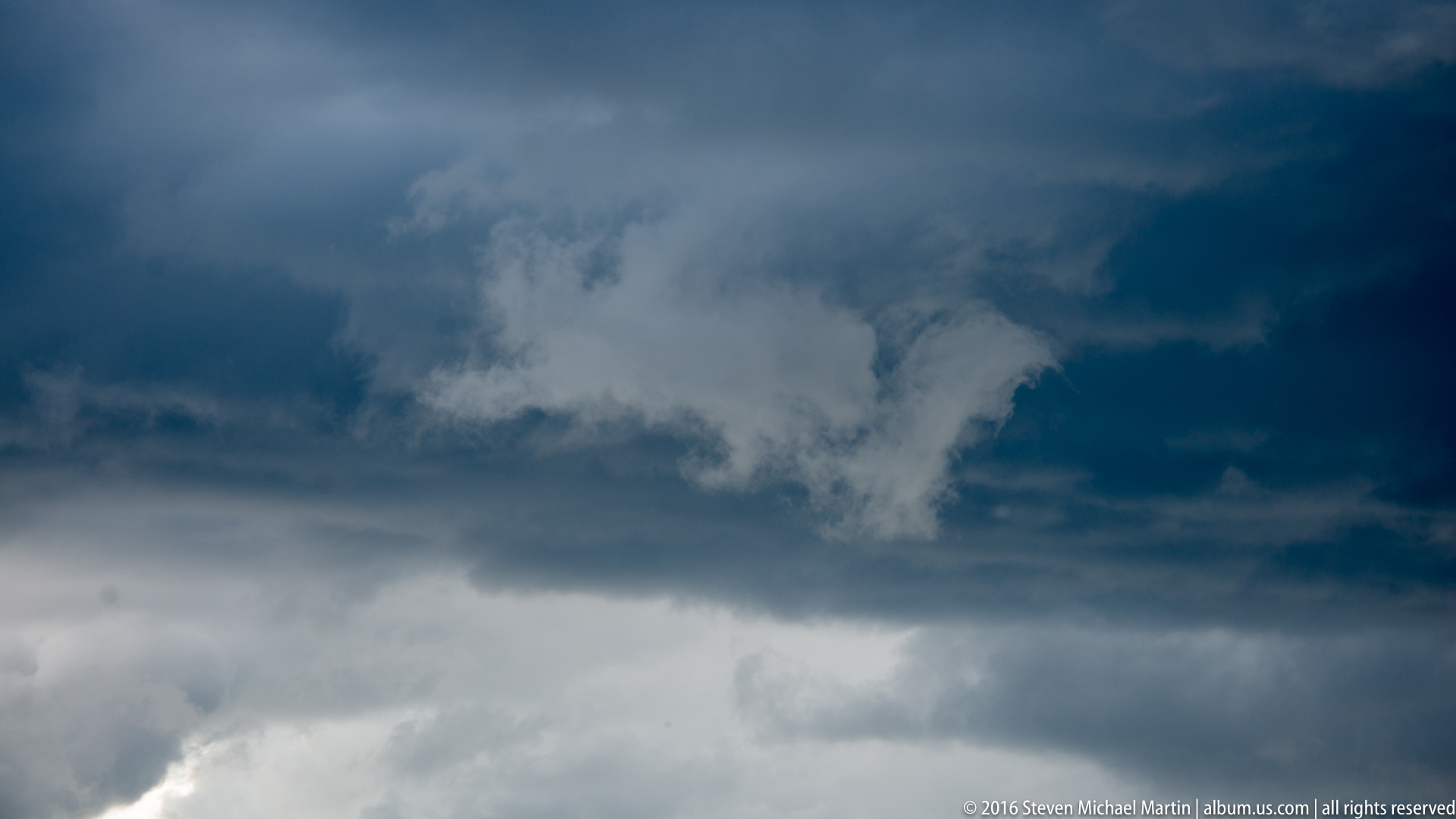
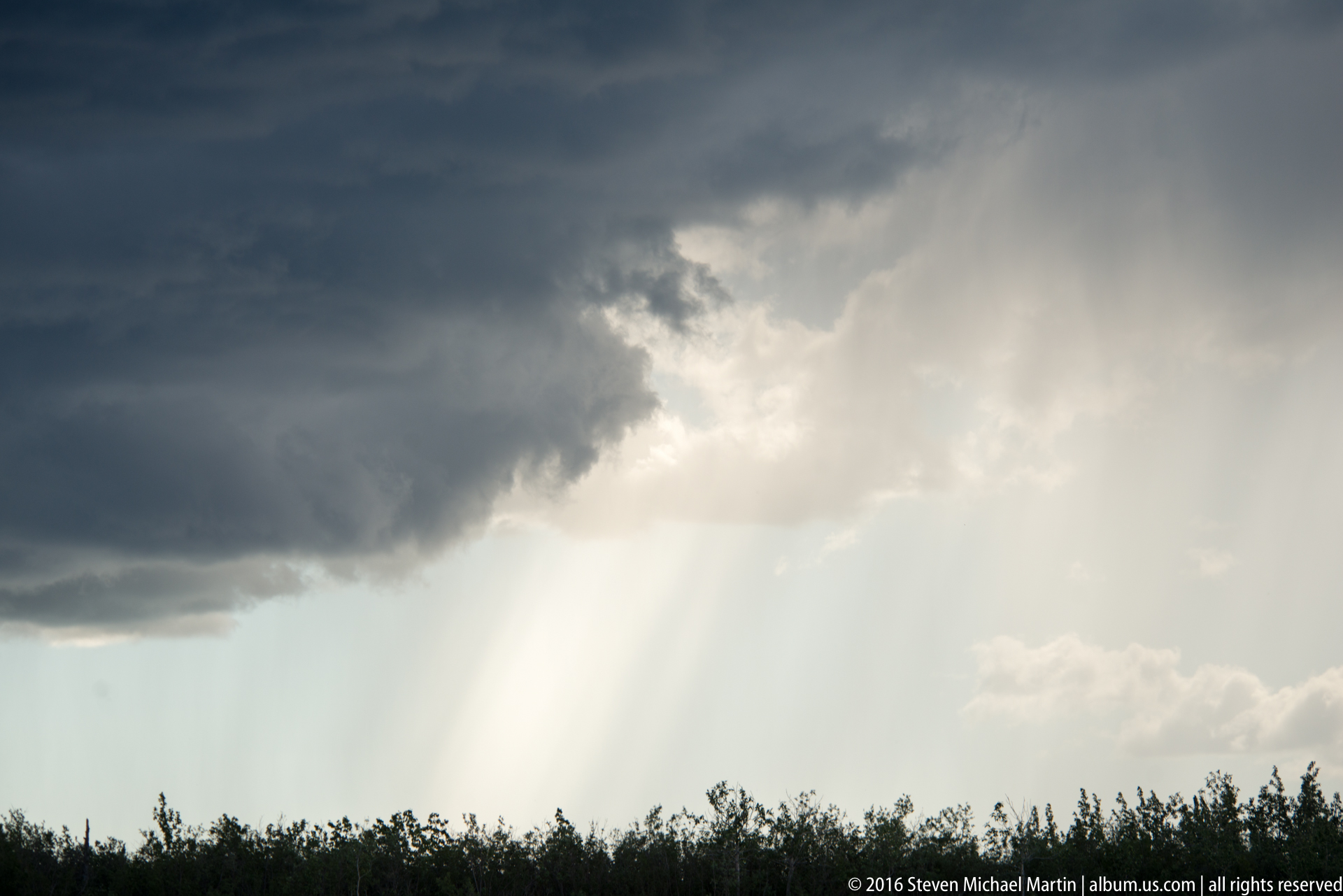
- Cloud formations can enhance scale of open landscapes
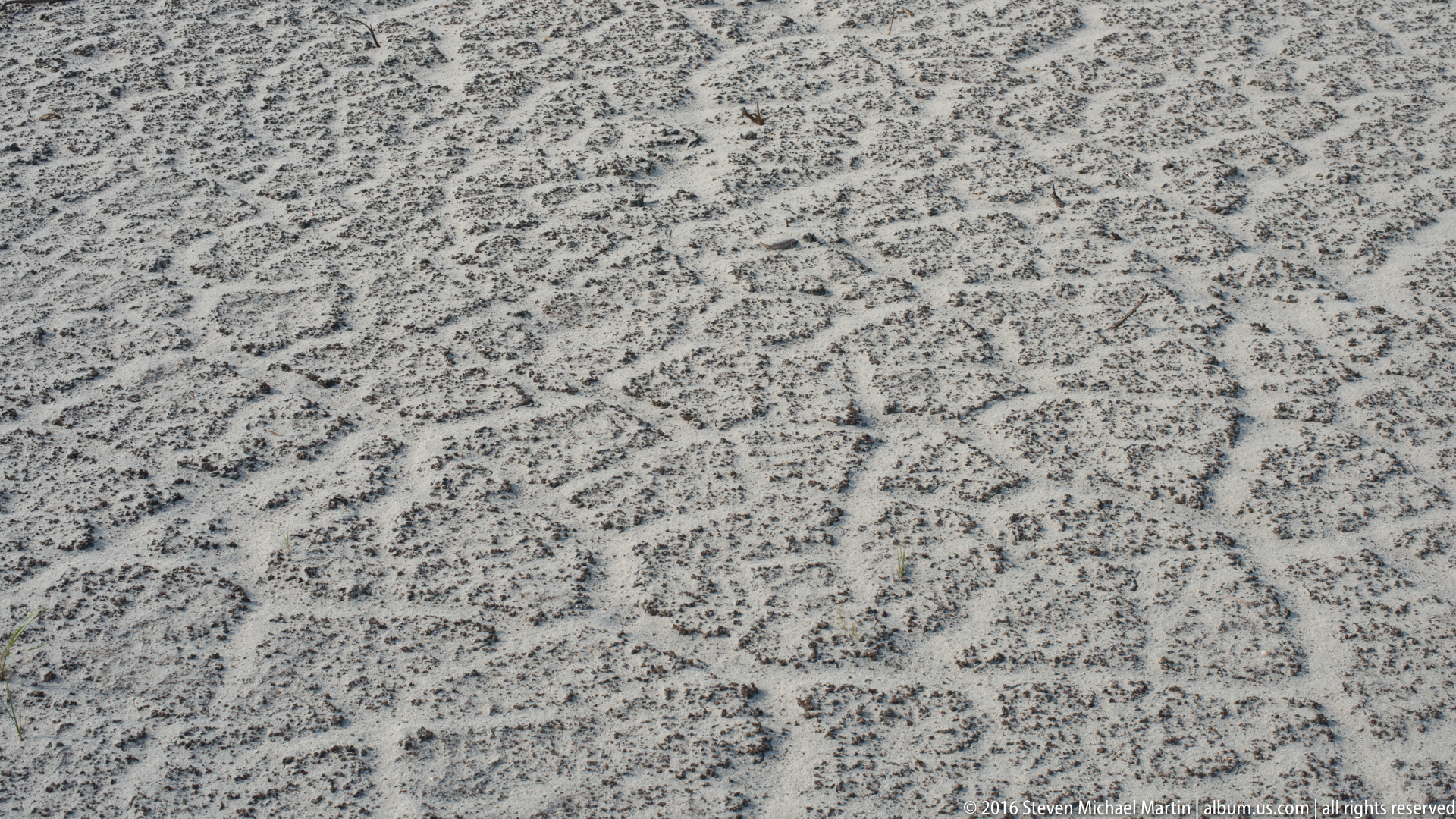
- Wind patterns create subtle surface detail in sand
- Foreground dune ridges help add depth
- Look for simple compositions that convey isolation

Other Arctic Alaska Portfolios:
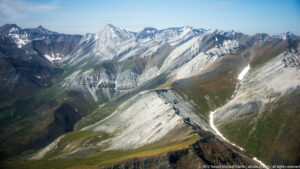
Gates of the Arctic NP – Anaktuvuk Pass

Gates of the Arctic NP – Bettles
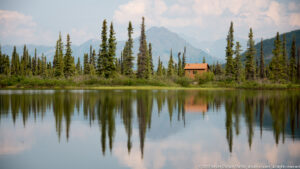
Gates of the Arctic NP – Lake Nutuvuki
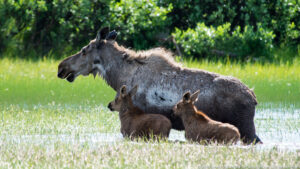
Kobuk Valley NP – Onion Portage and River Exploration
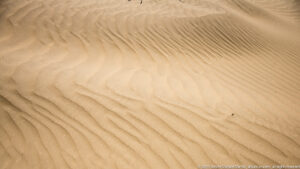
Kobuk Valley NP – Sand Dunes
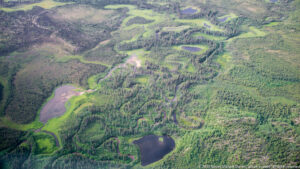
Kobuk Valley NP – Ambler
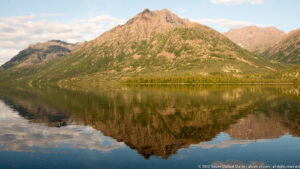
Gates of the Arctic NP – Selby Lake
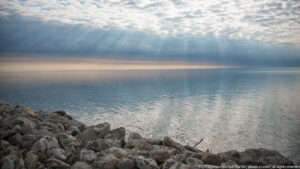
Kotzebue, Alaska
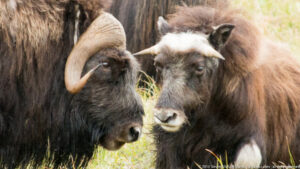
Bering Land Bridge NPRES
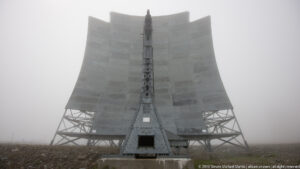
Nome, Alaska

Togiak NWR
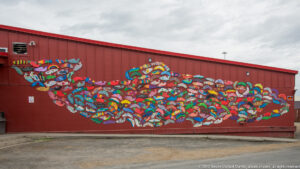
Dillingham, Alaska