Carlsbad Caverns National Park
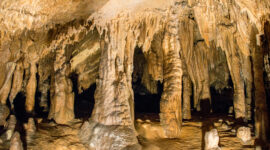
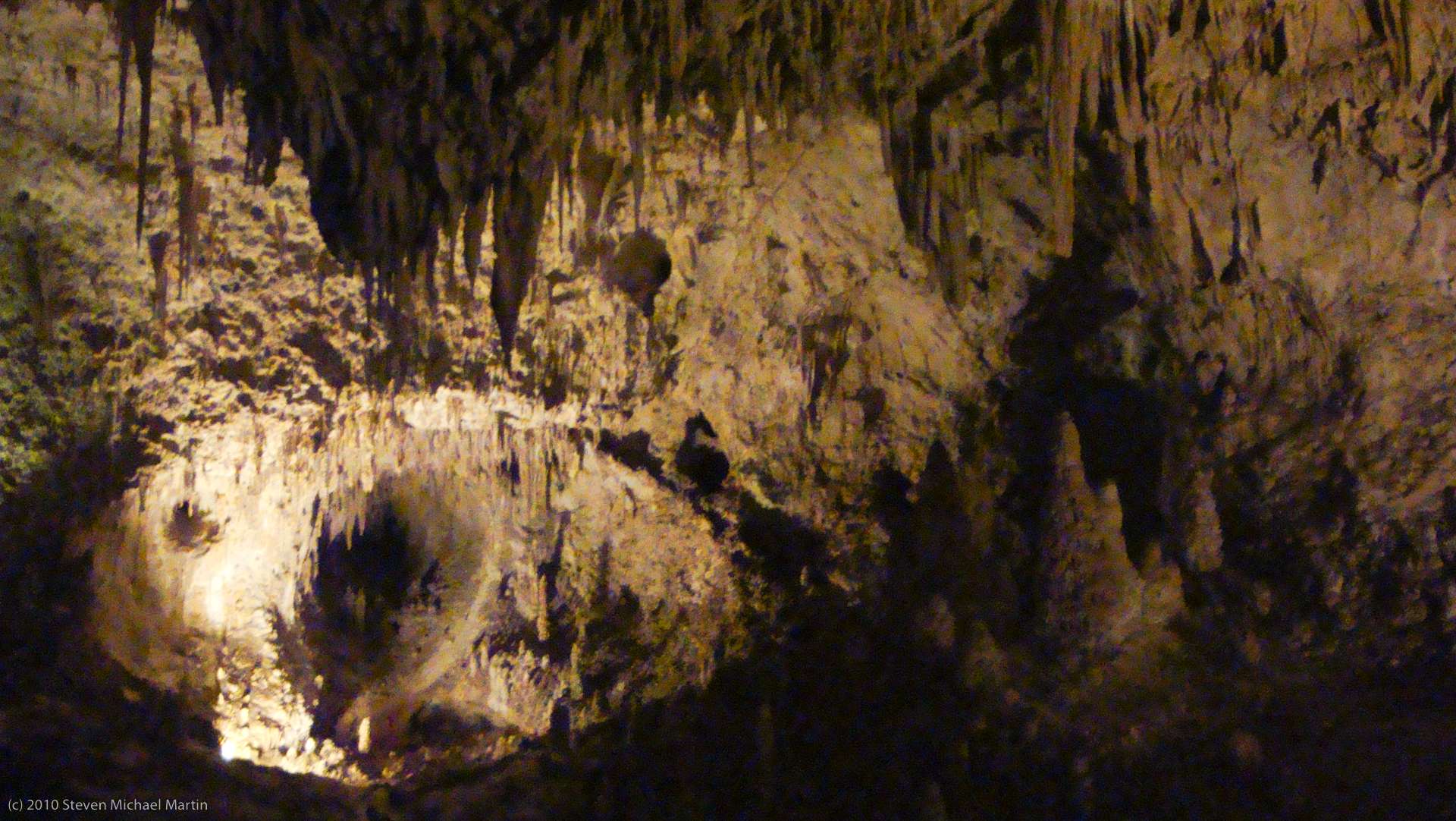
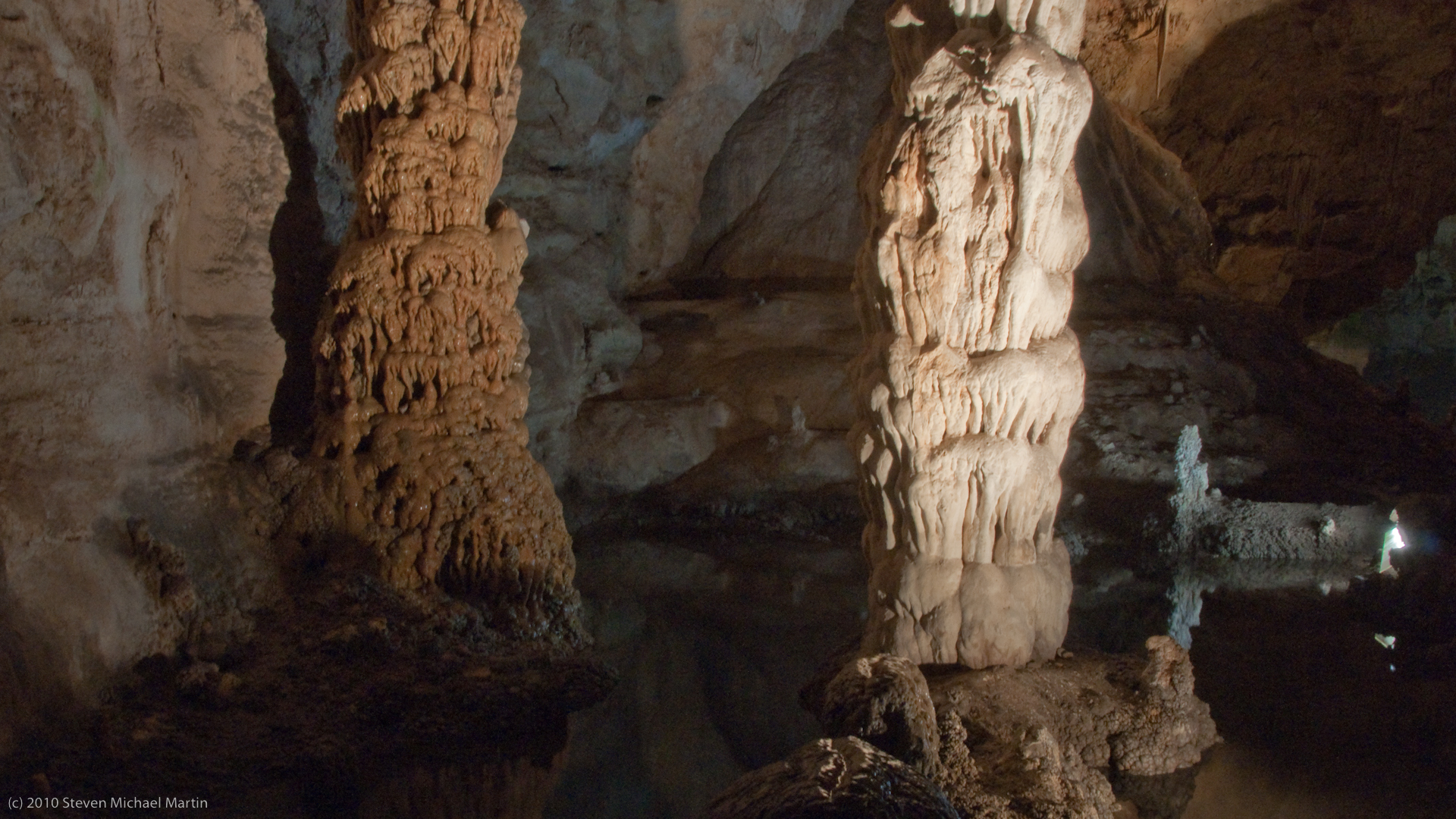
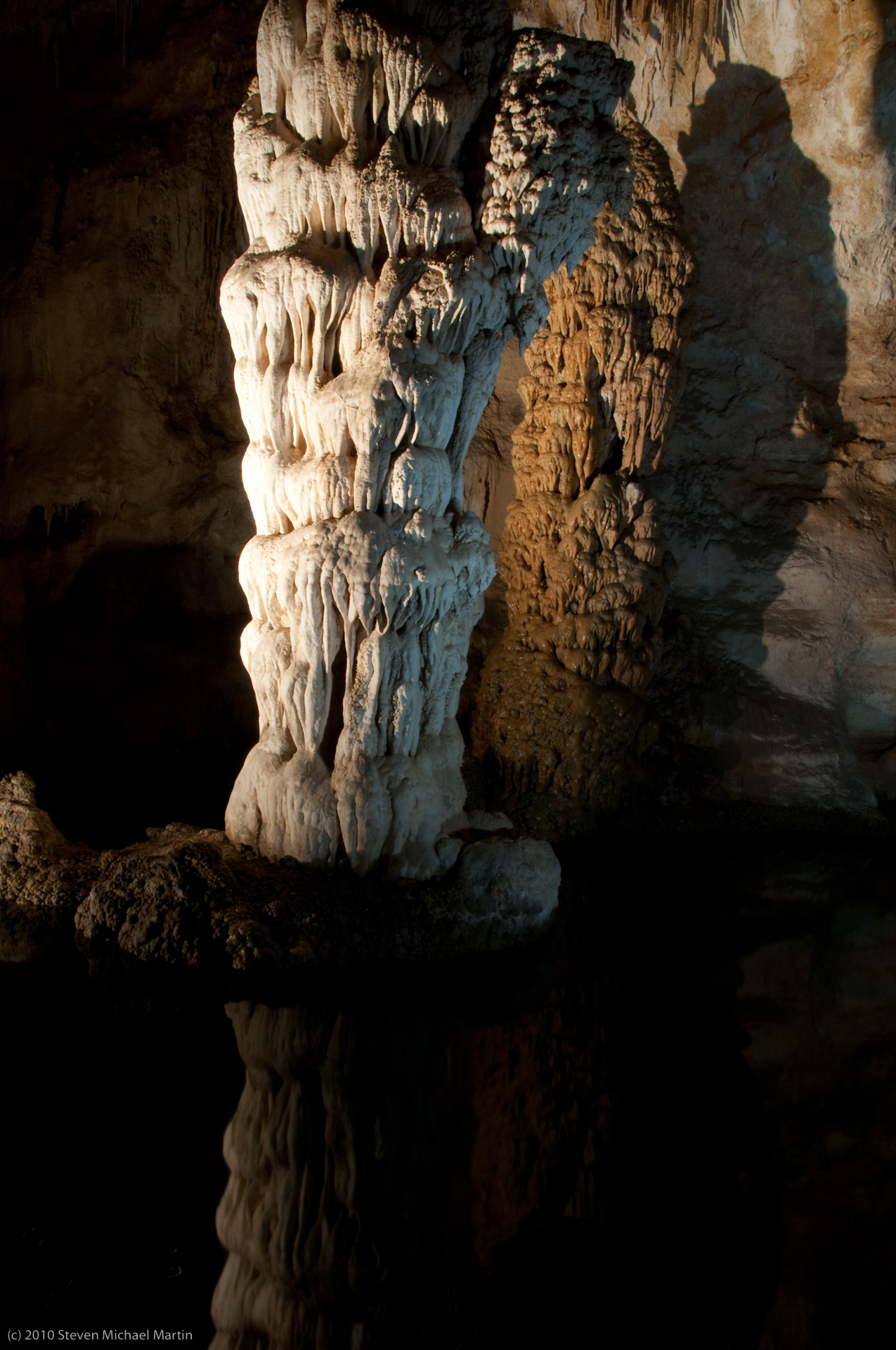
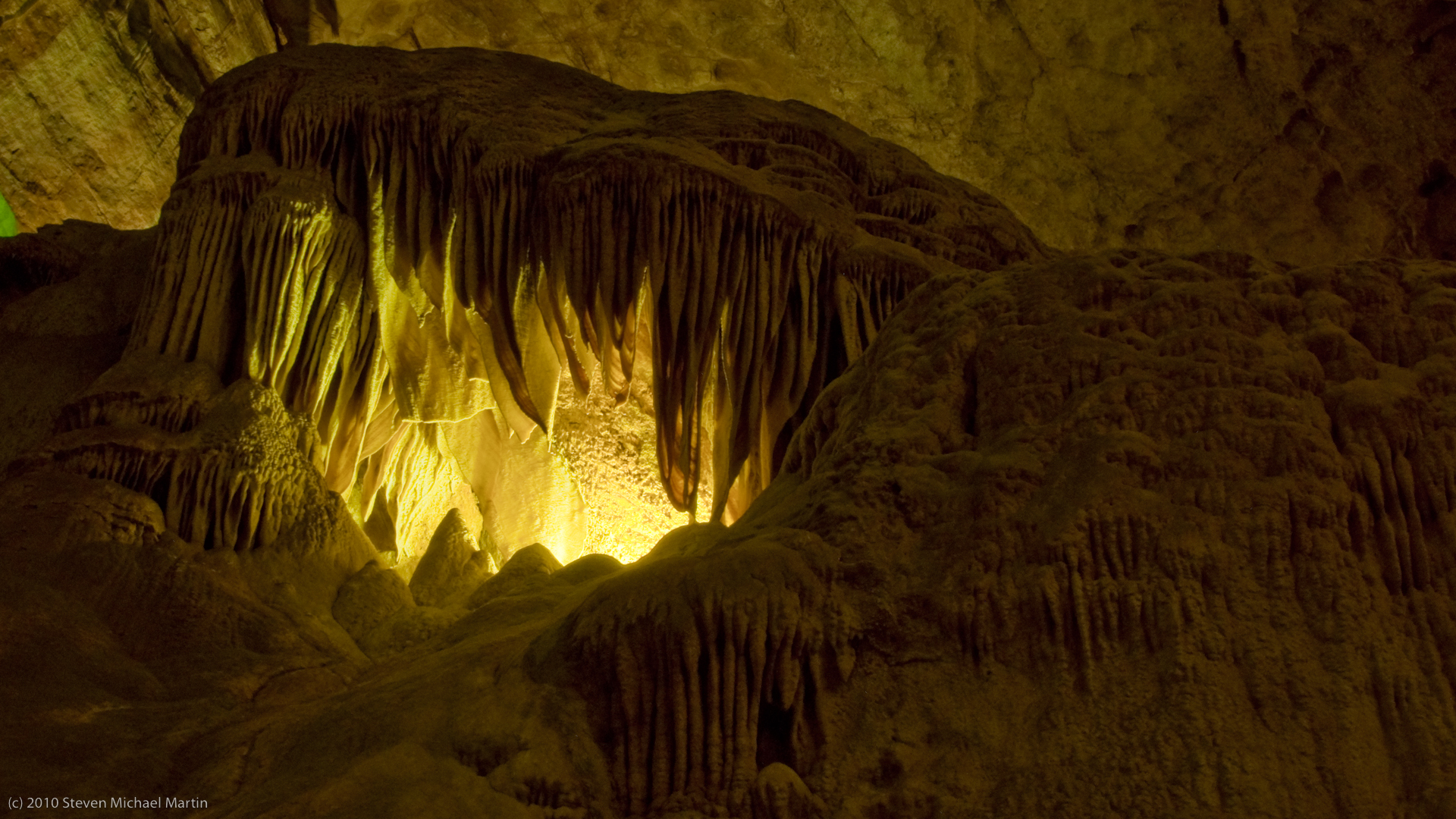
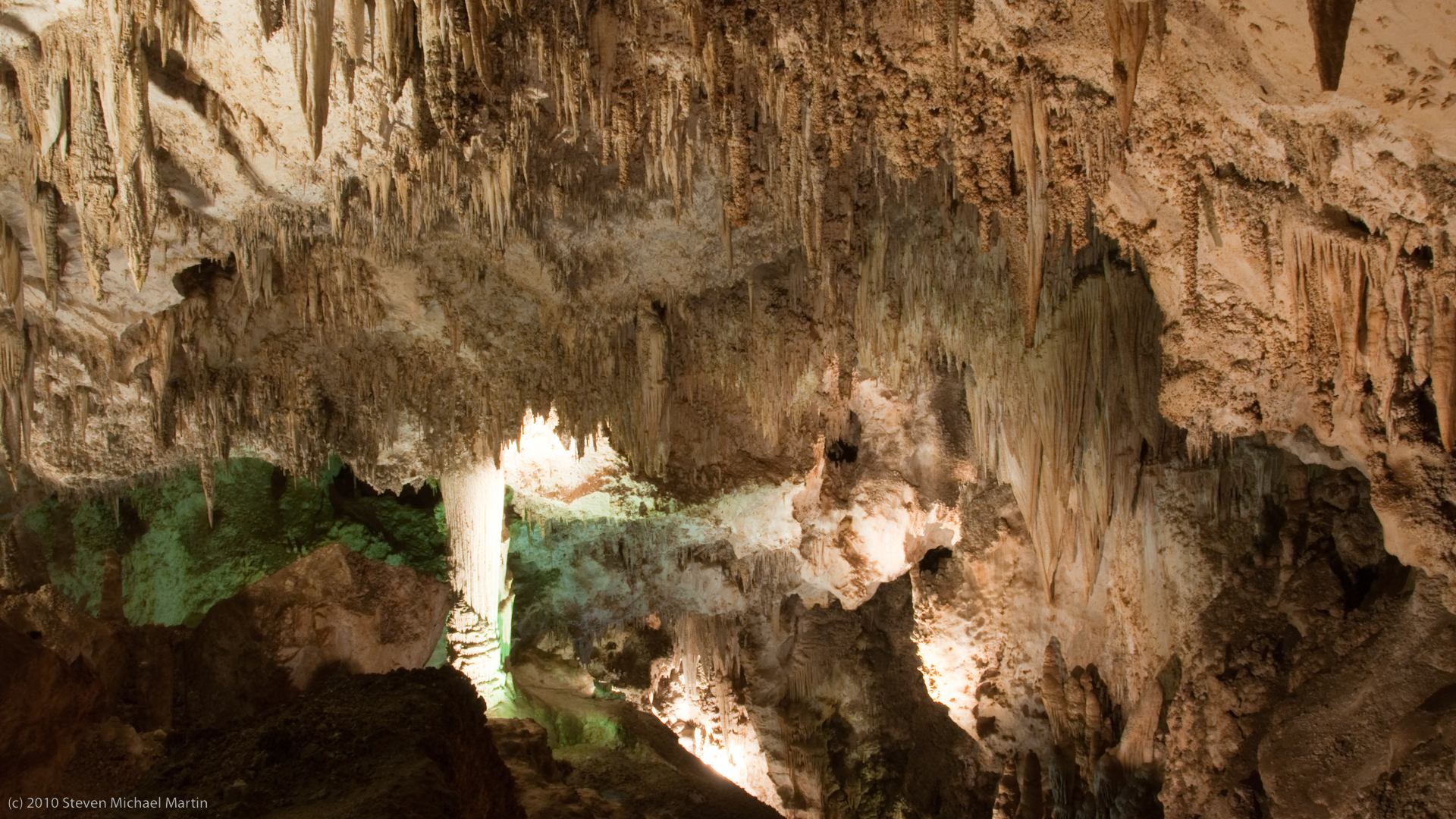
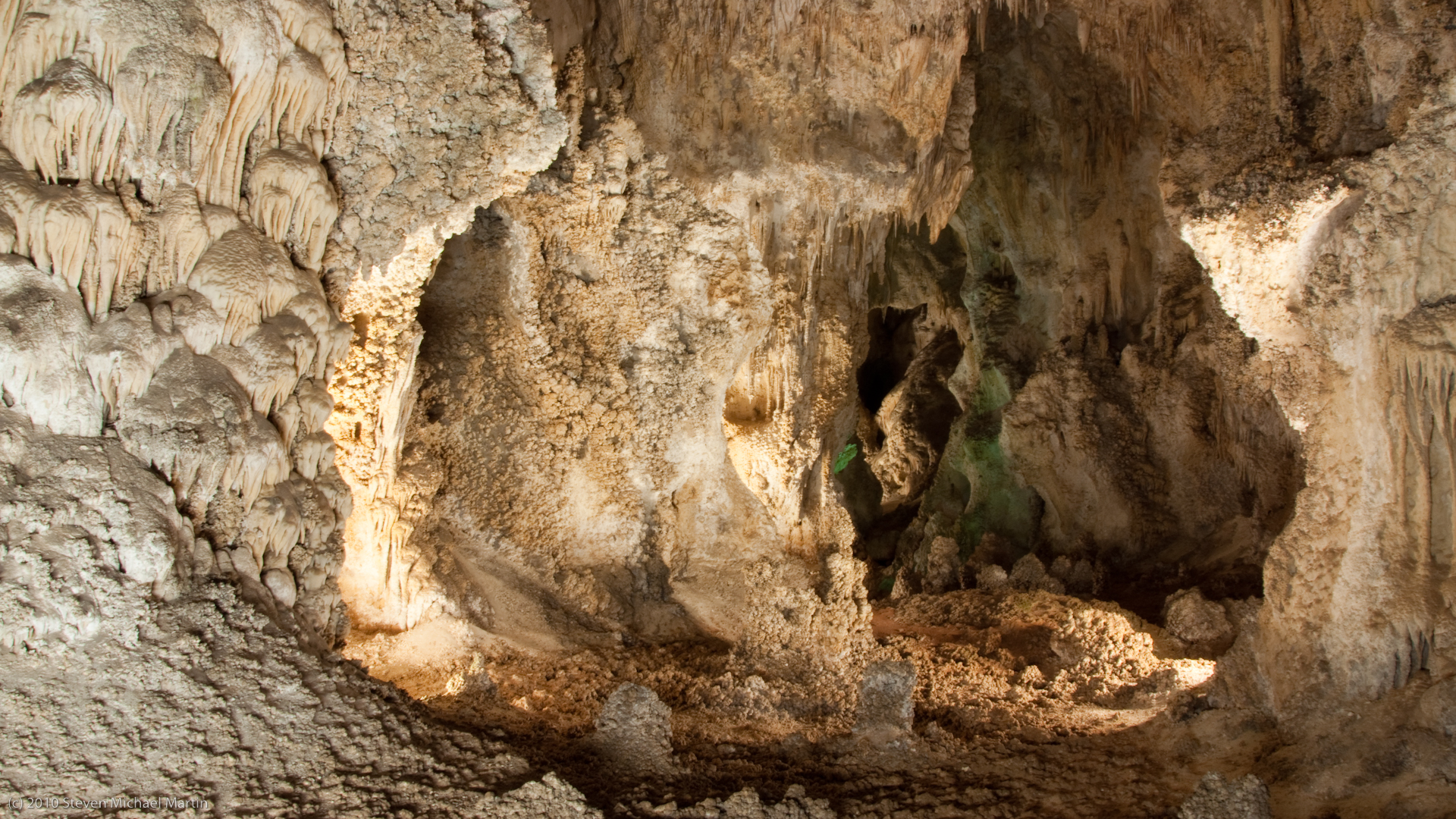
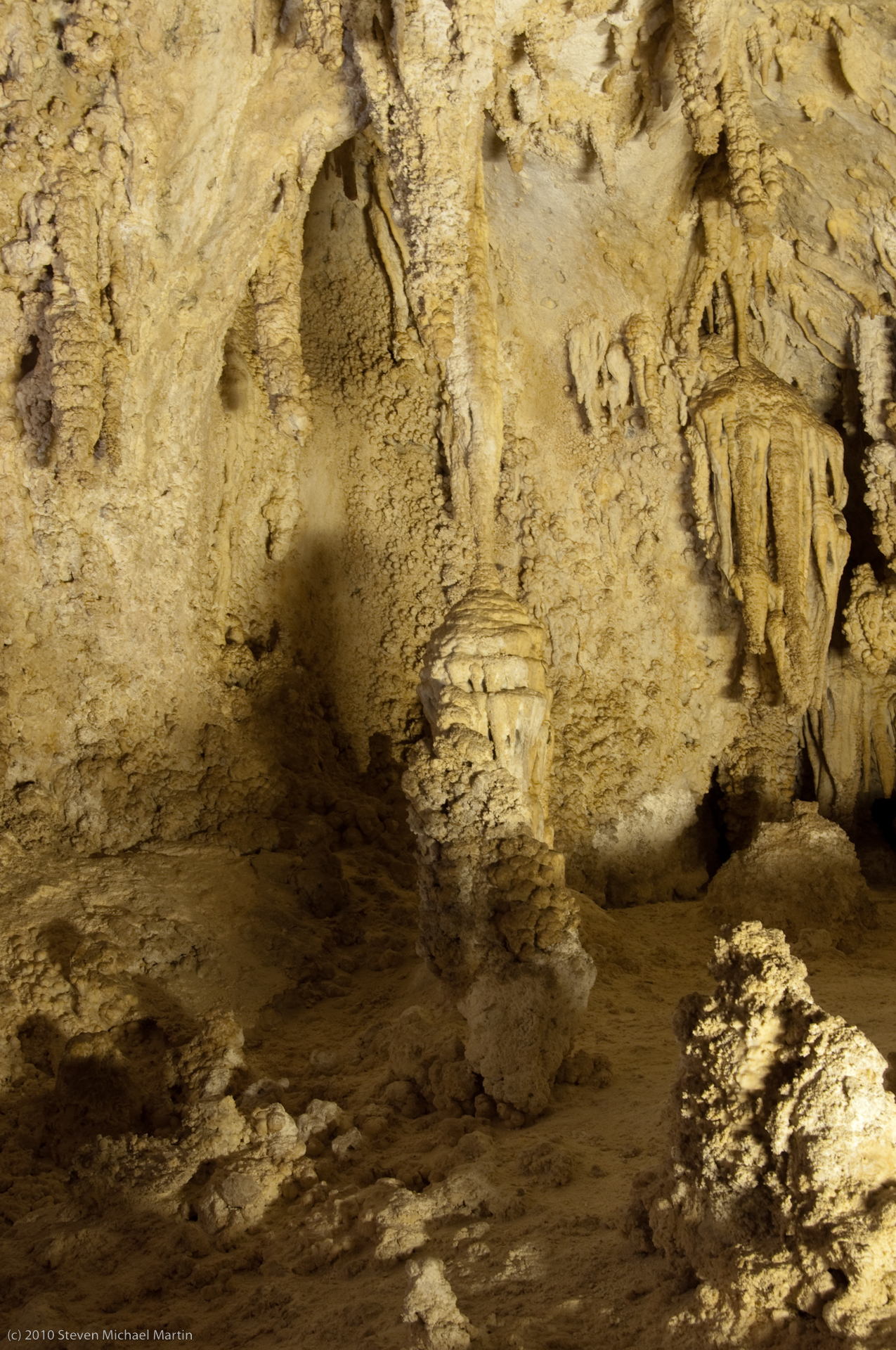
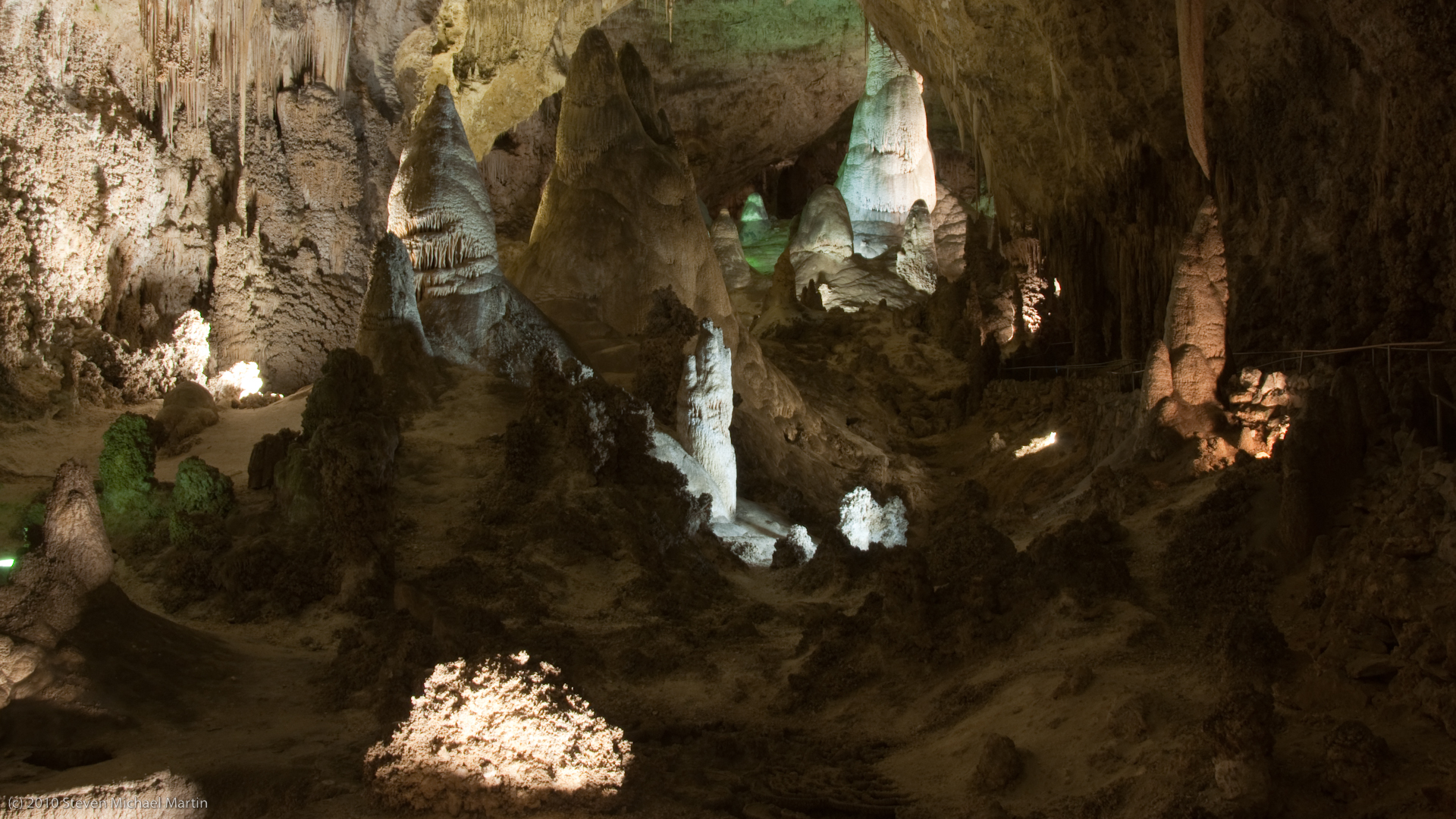
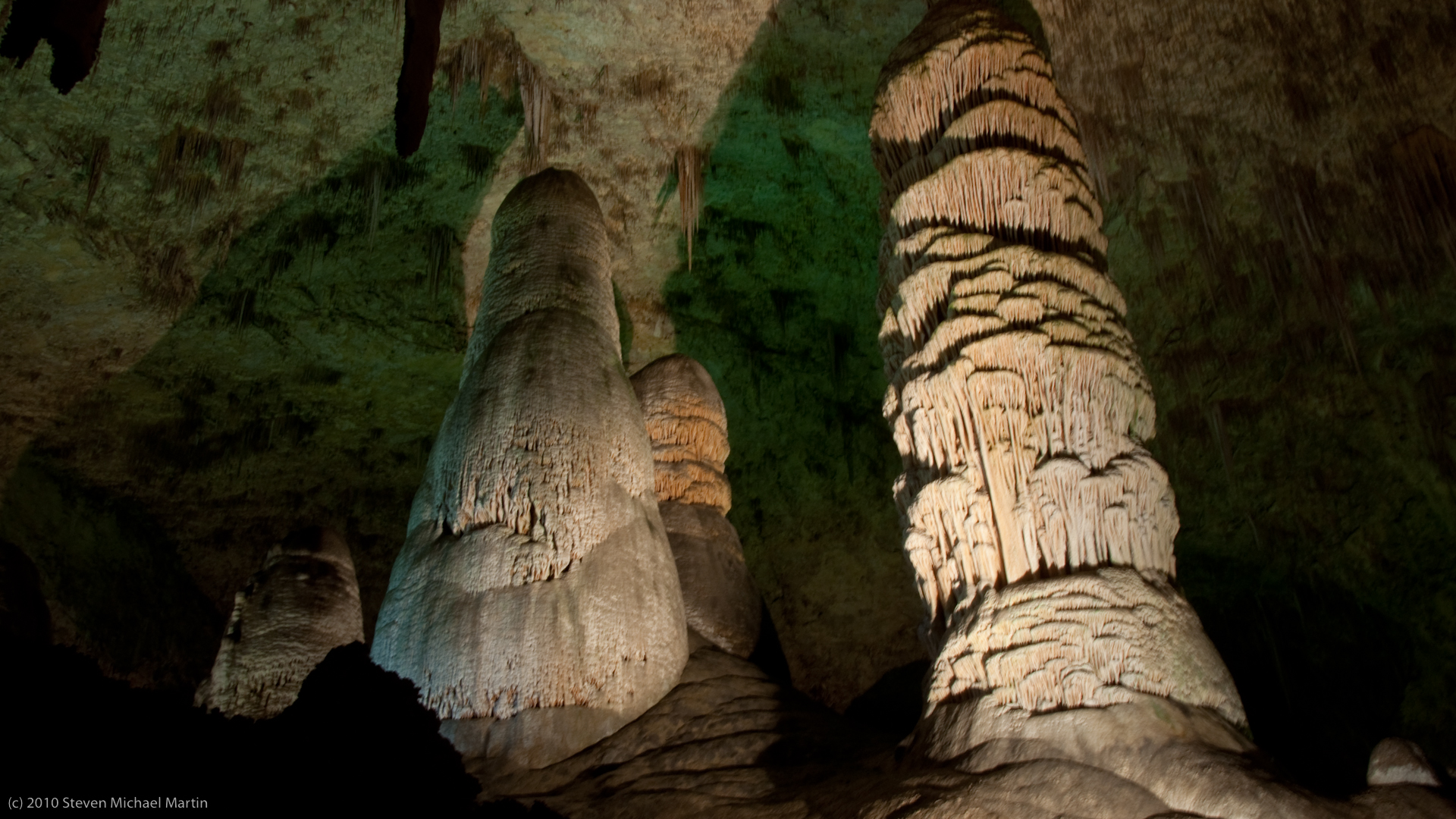
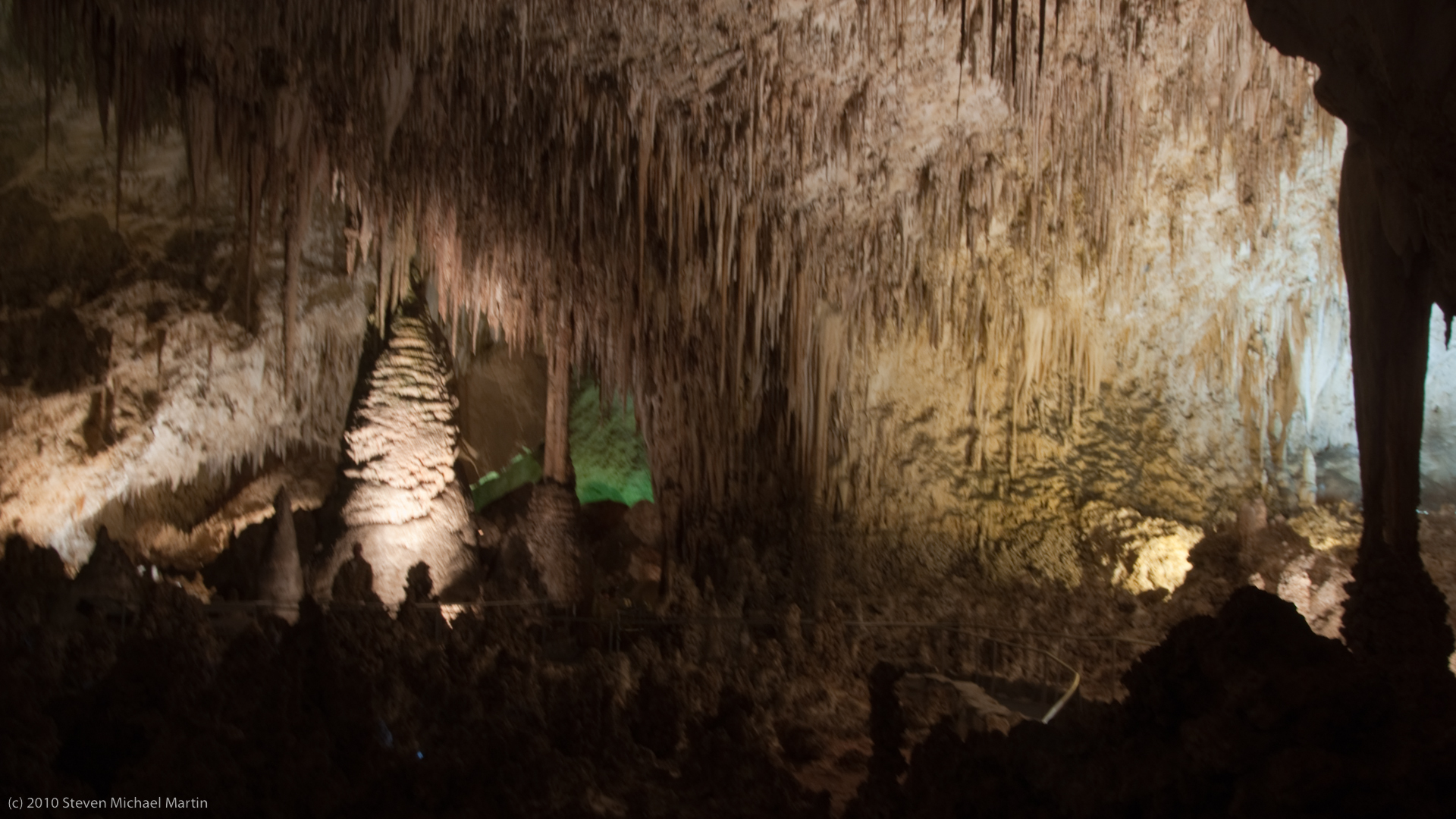
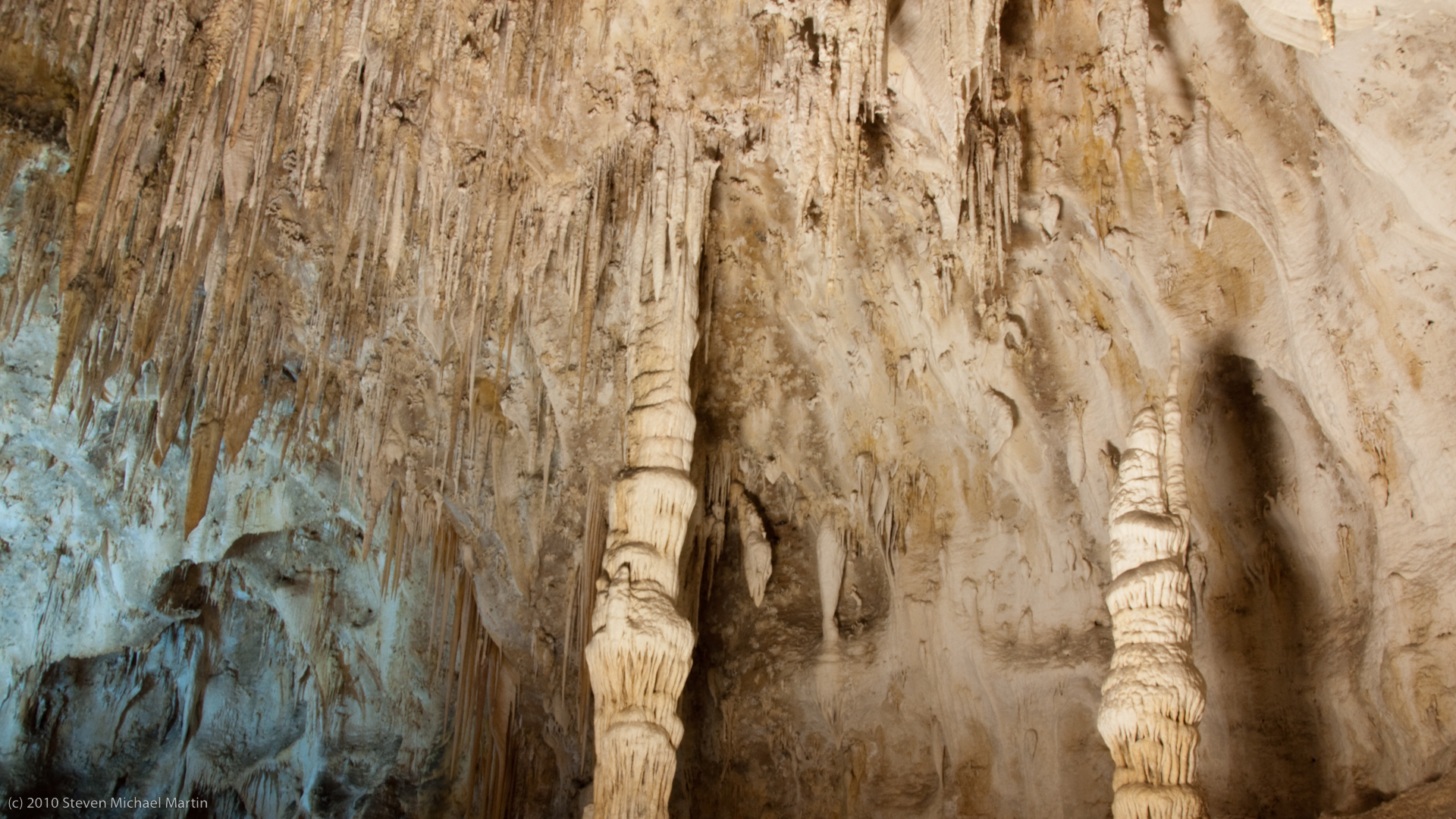
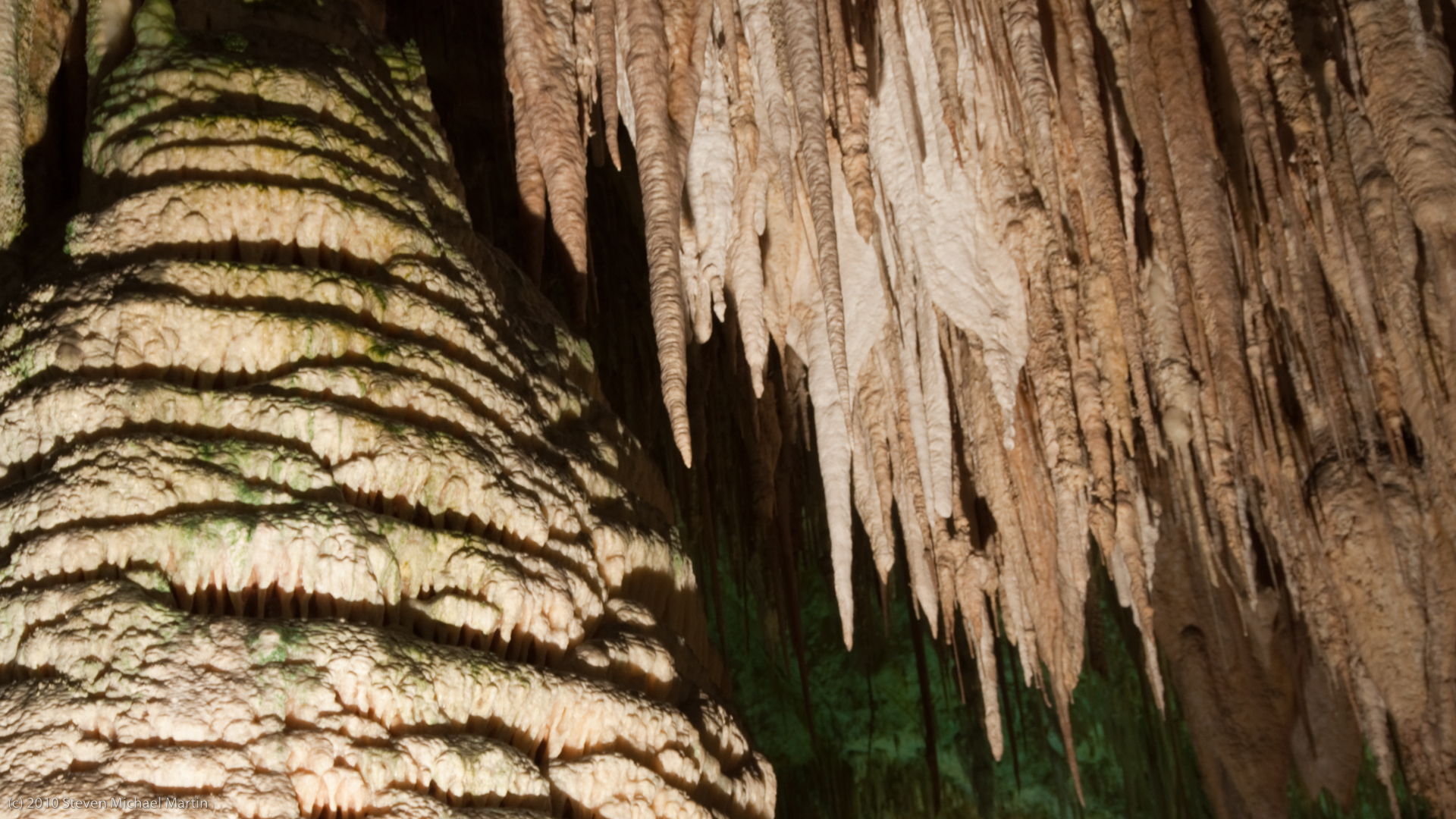
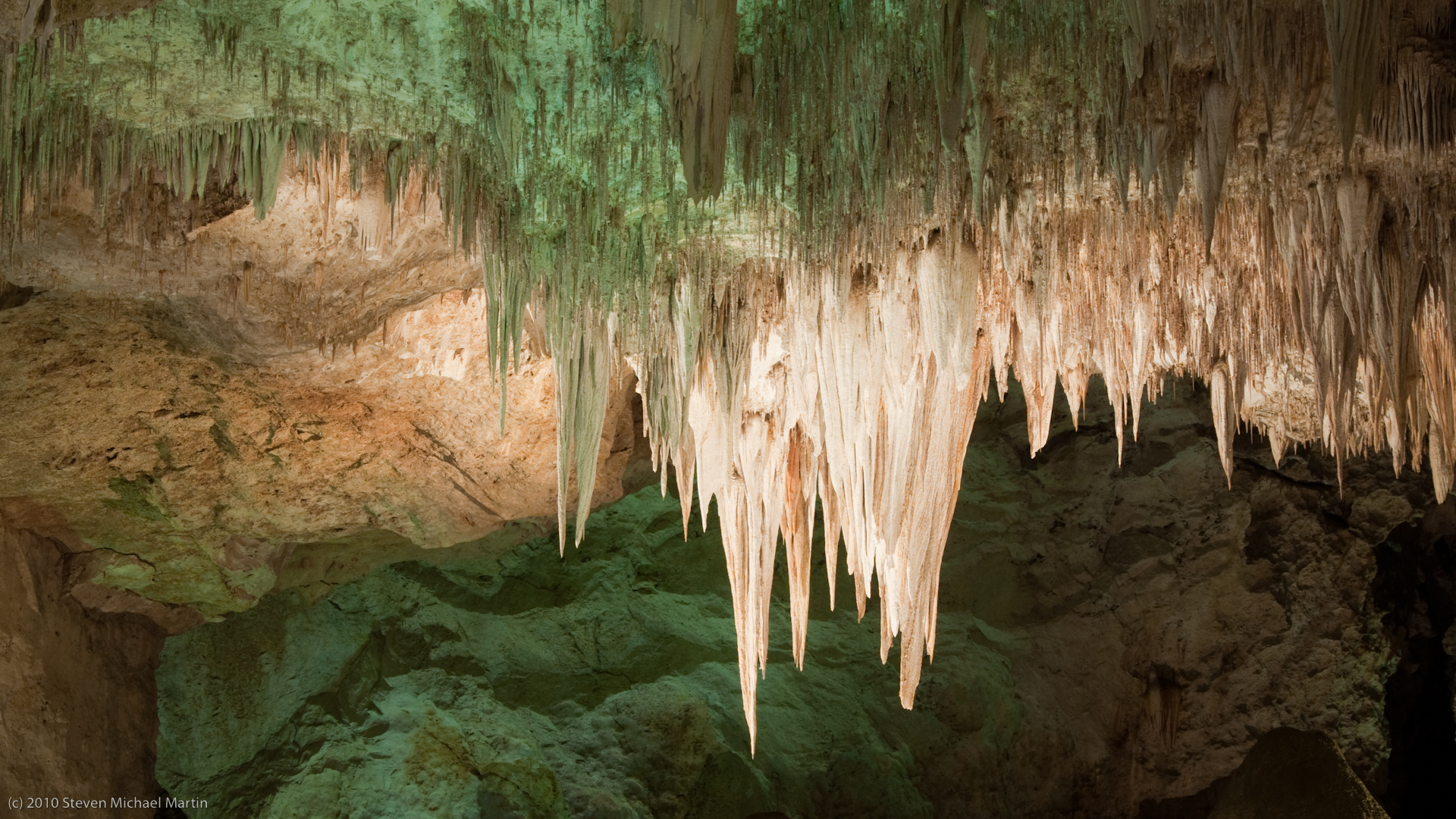
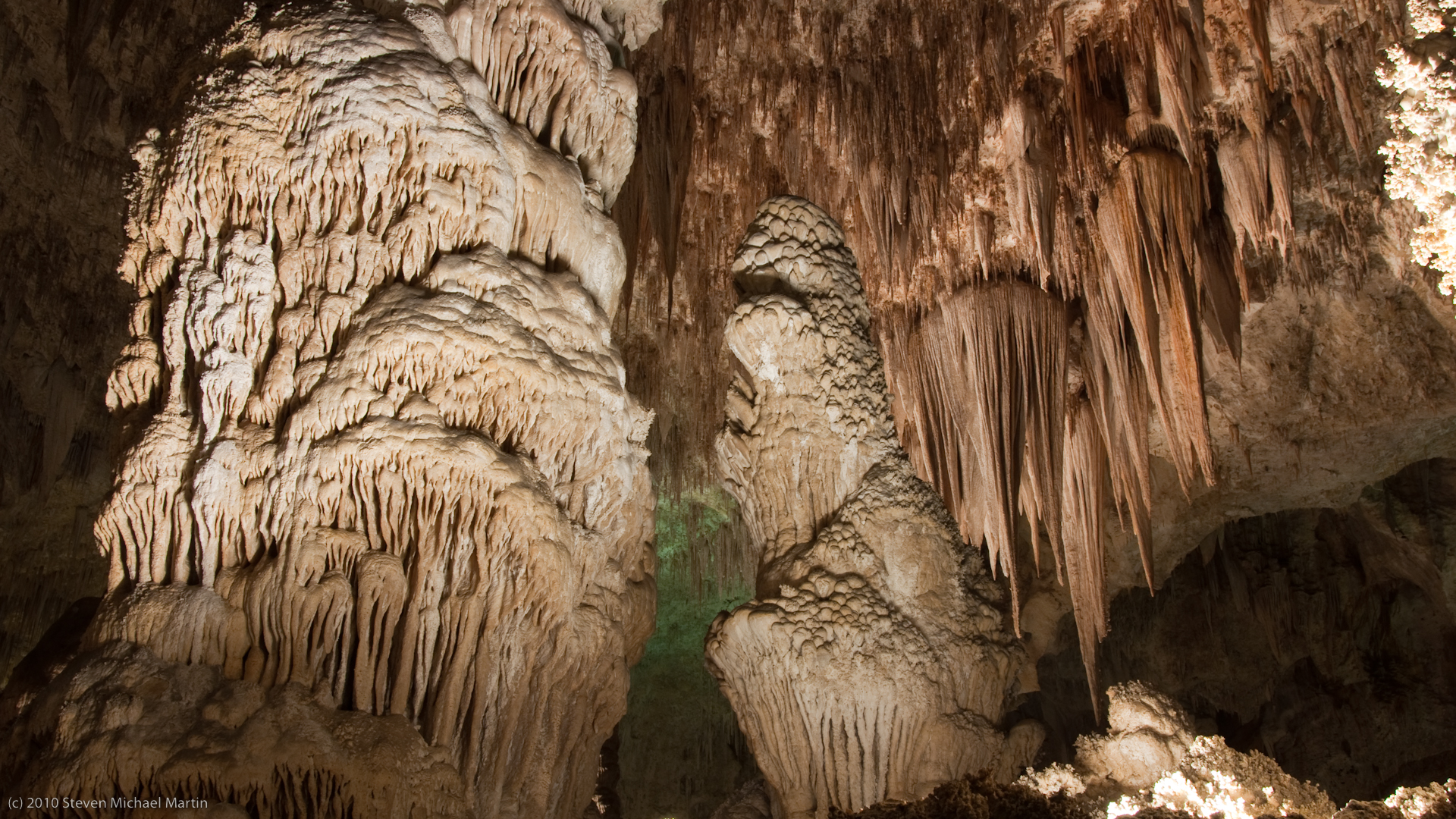
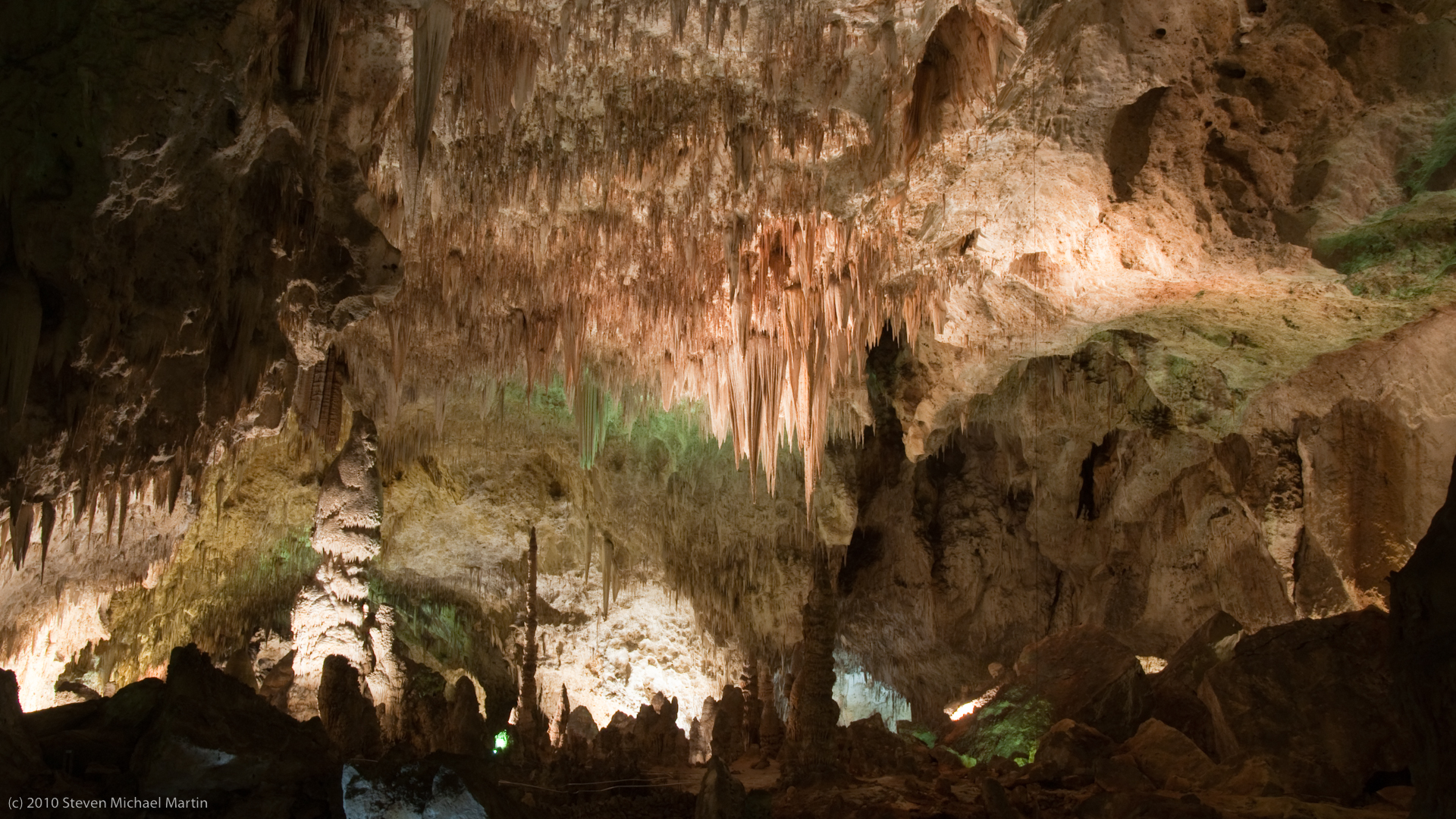
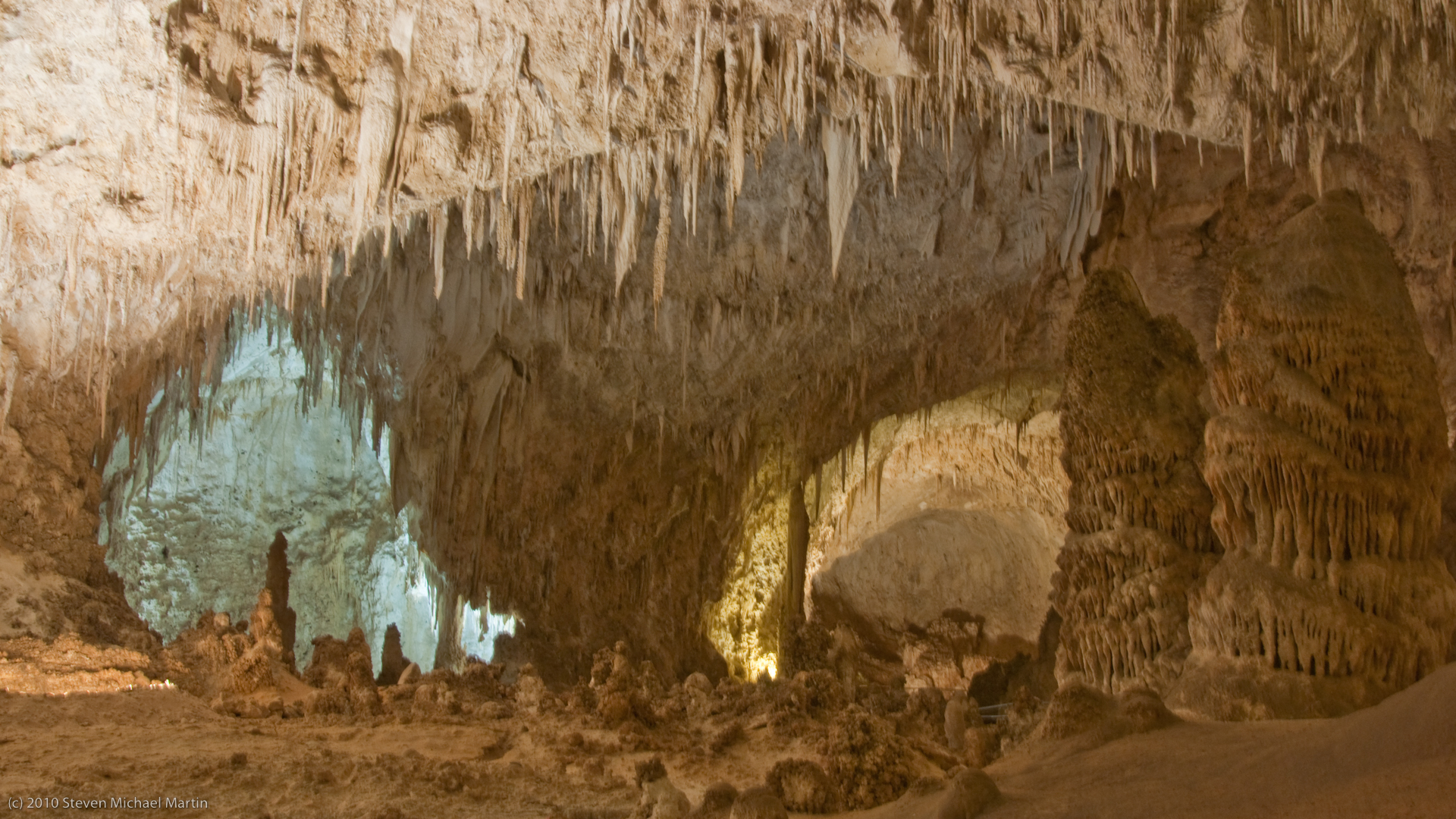
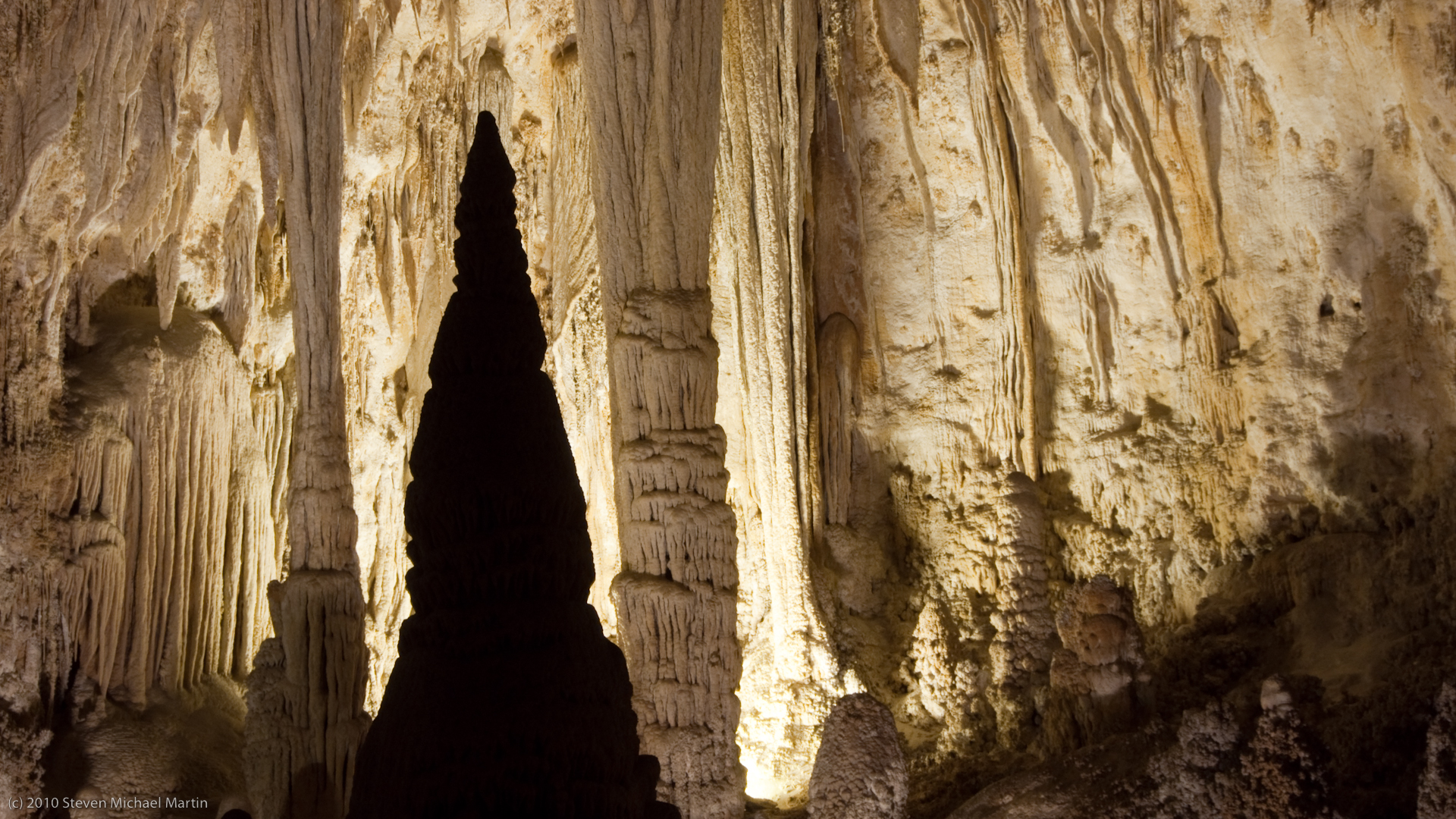
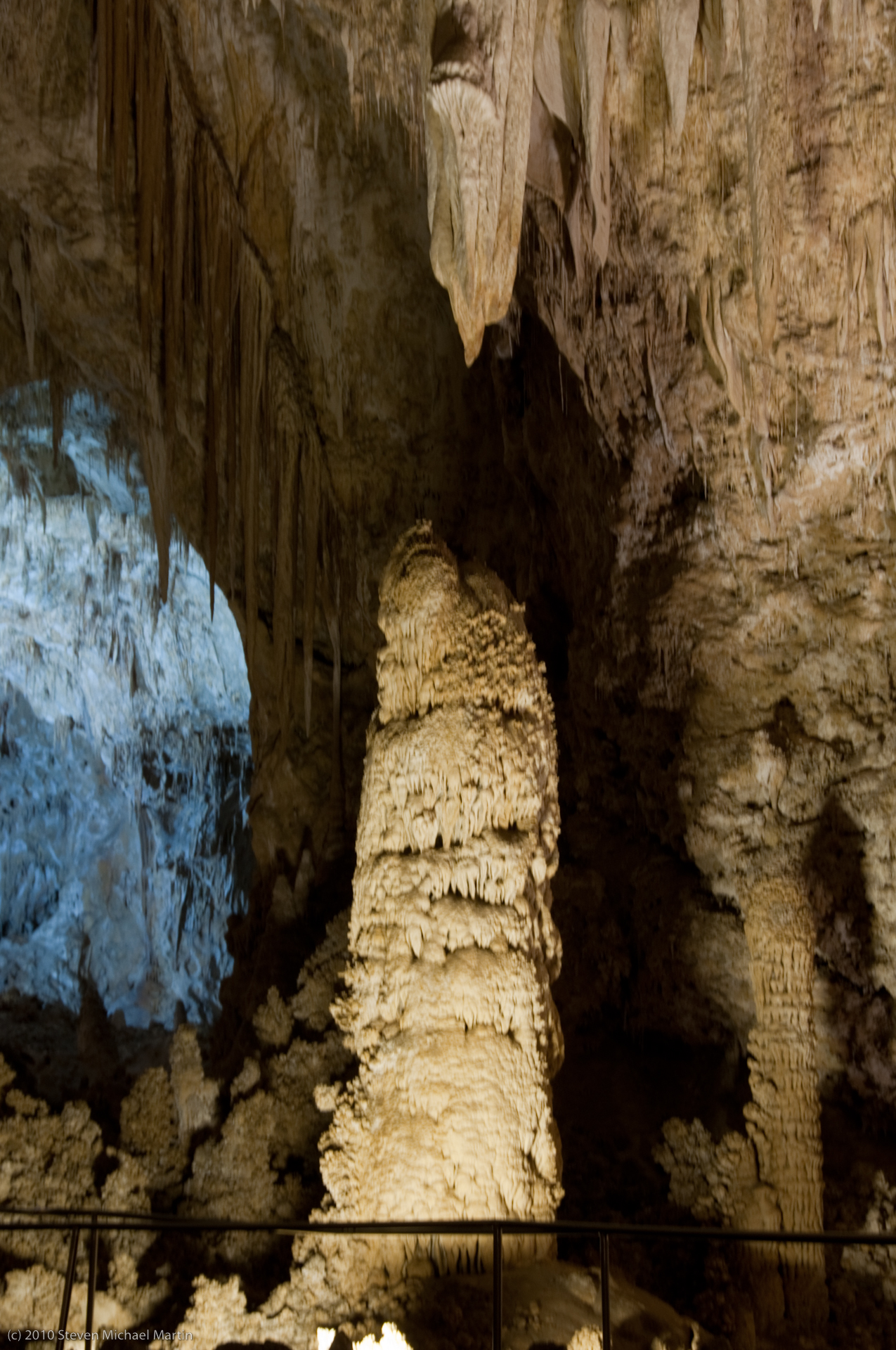
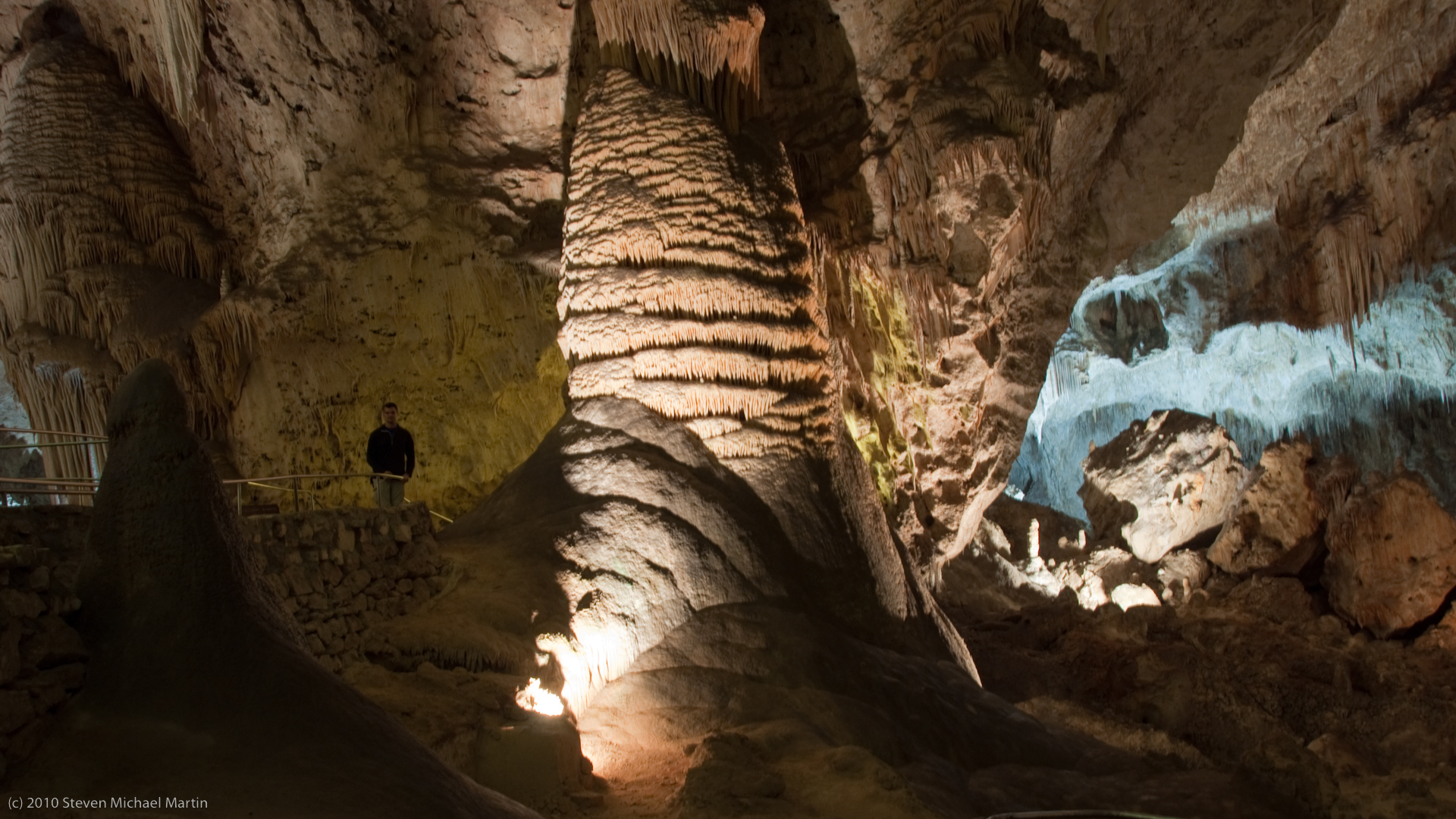
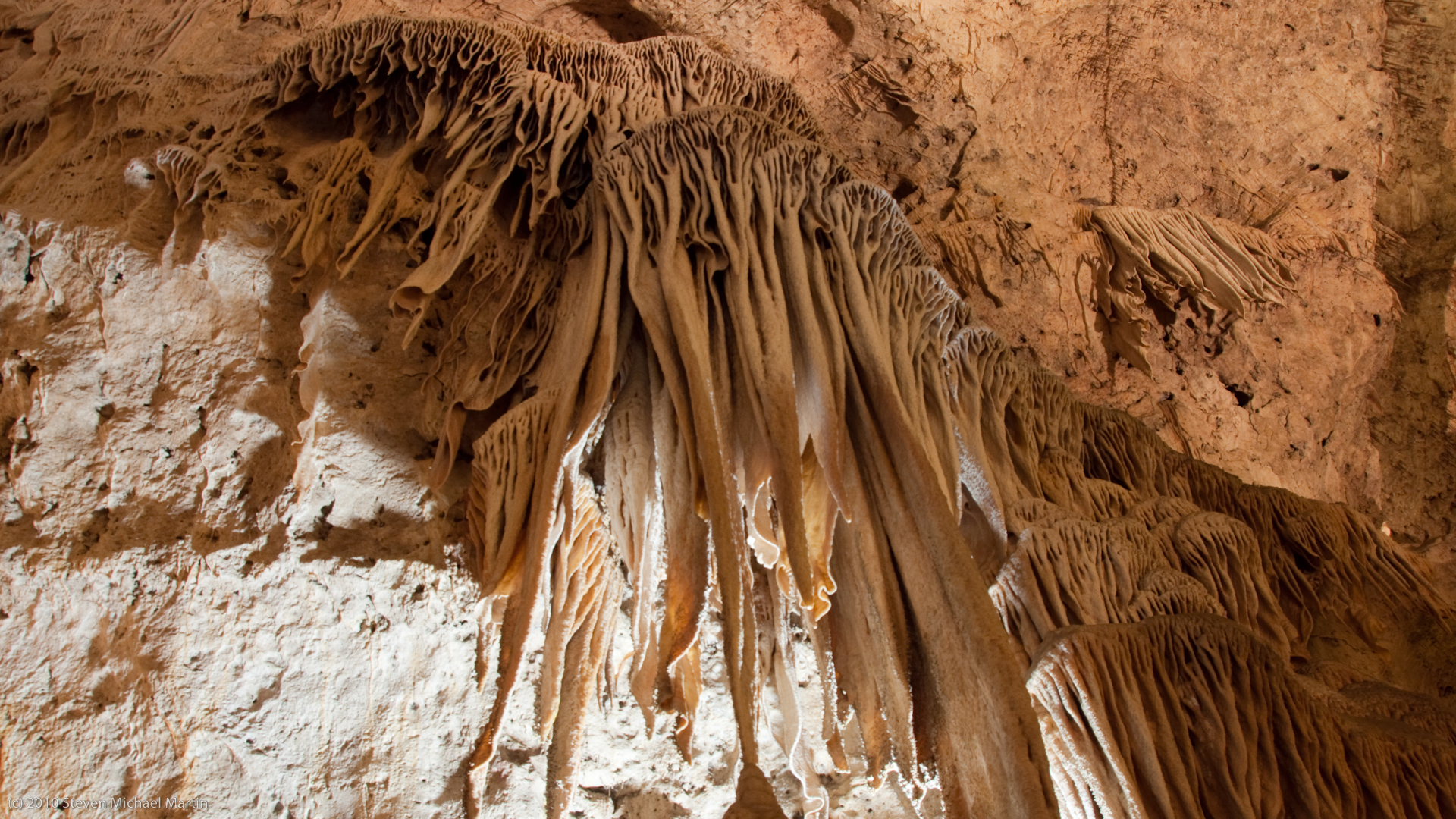
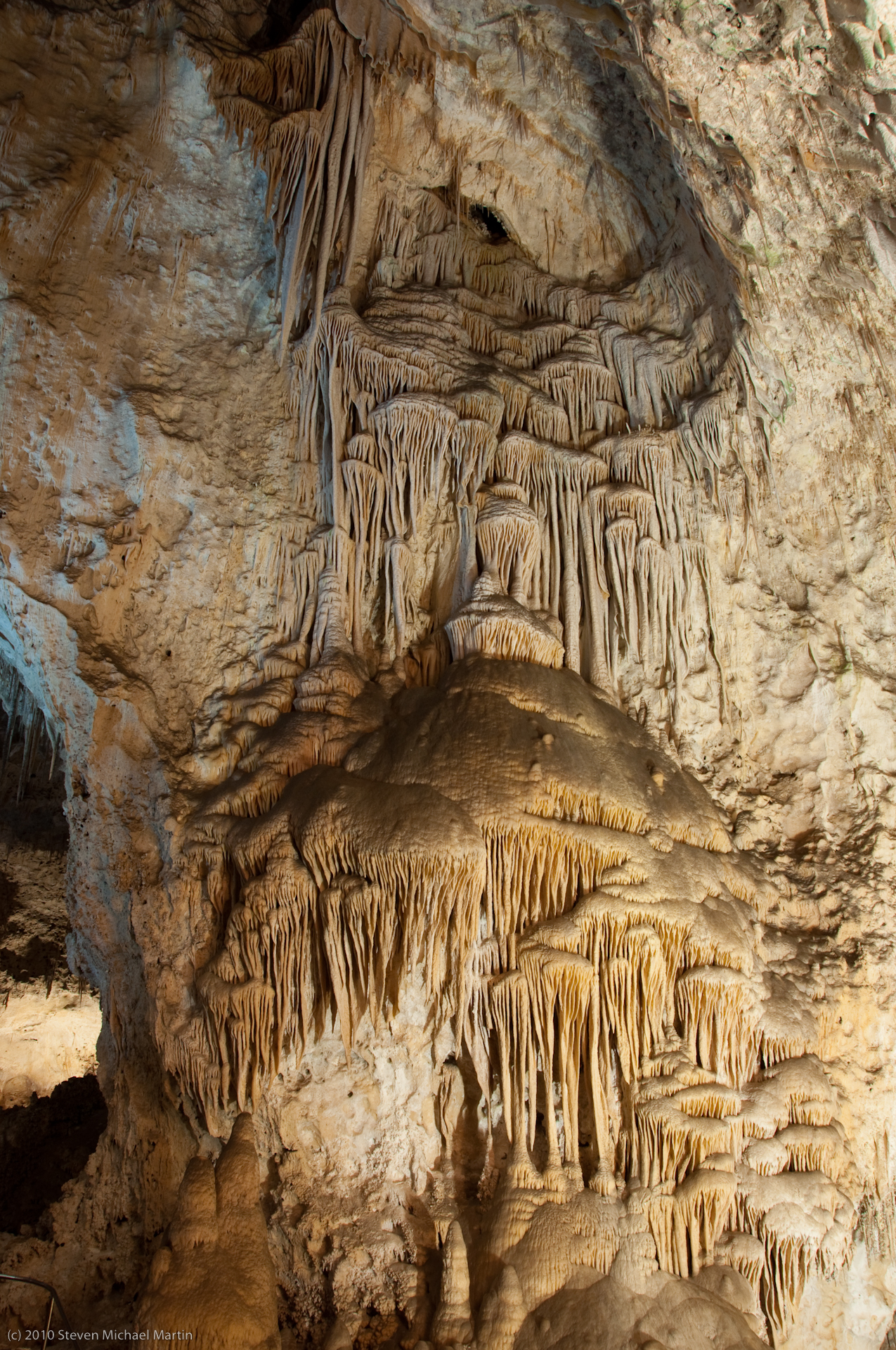
Carlsbad Caverns National Park preserves limestone cave systems formed through dissolution of carbonate rock by acidic groundwater. Over time, underground chambers developed as water gradually dissolved rock layers. Mineral-rich water later deposited calcite formations including stalactites and stalagmites.
Chemical reactions between groundwater and limestone influenced cave formation across extended geological periods. Variations in mineral deposition produced diverse cave structures reflecting changes in water flow and environmental conditions.
Today, Carlsbad Caverns illustrates how underground geological processes influence landscape formation. The cave system demonstrates how chemical weathering shapes subsurface environments.

National Park Field Guide
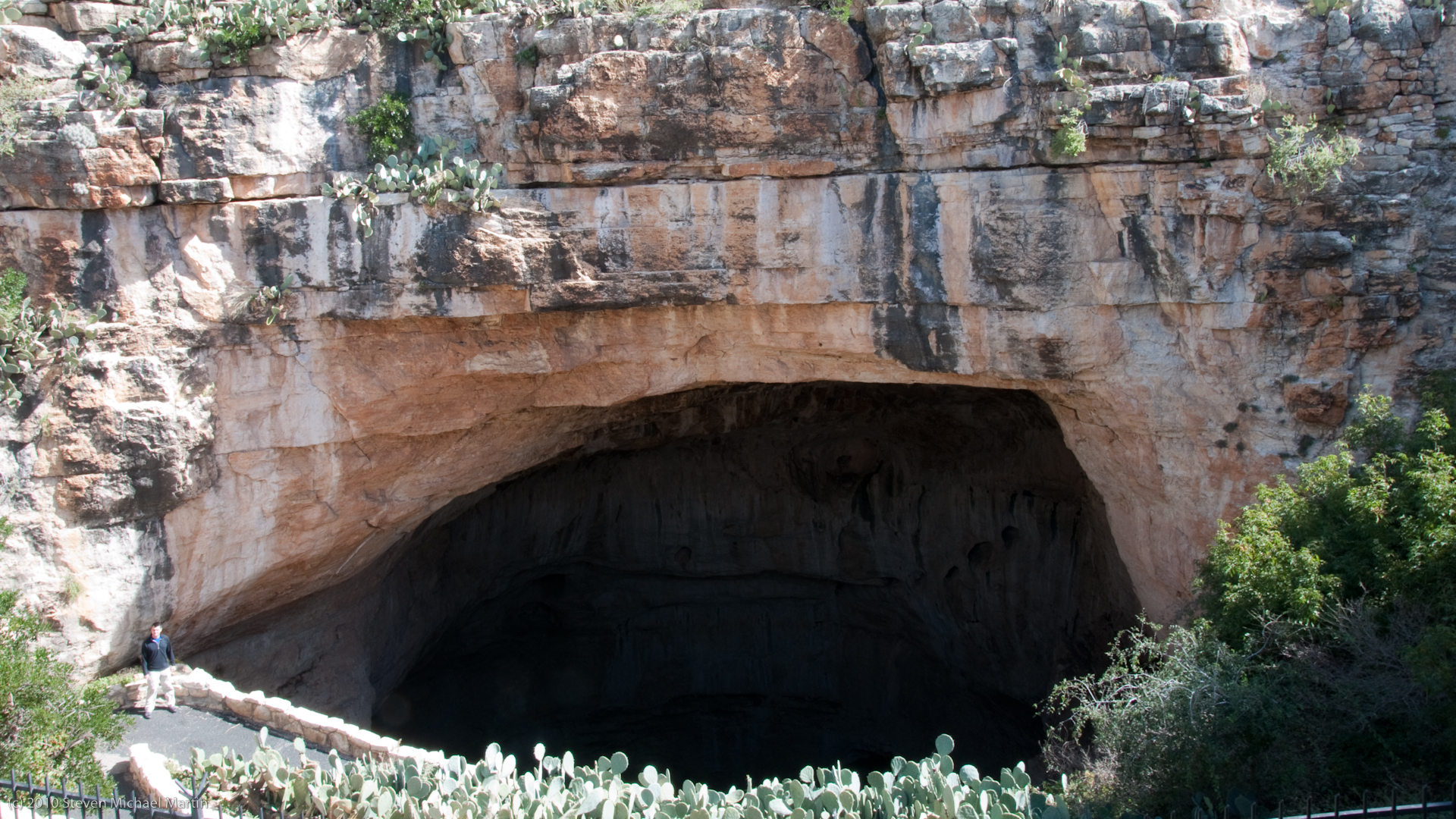
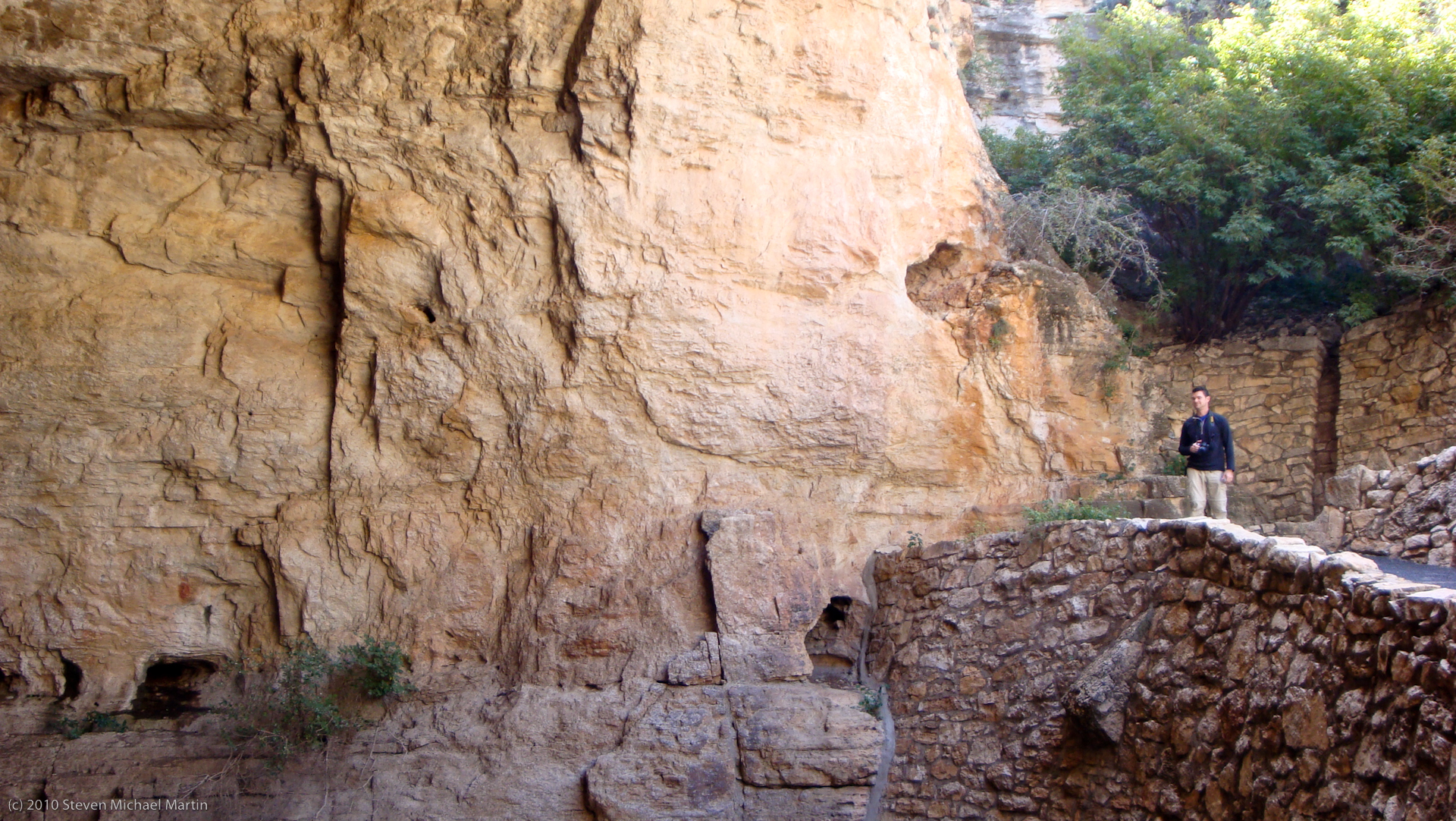
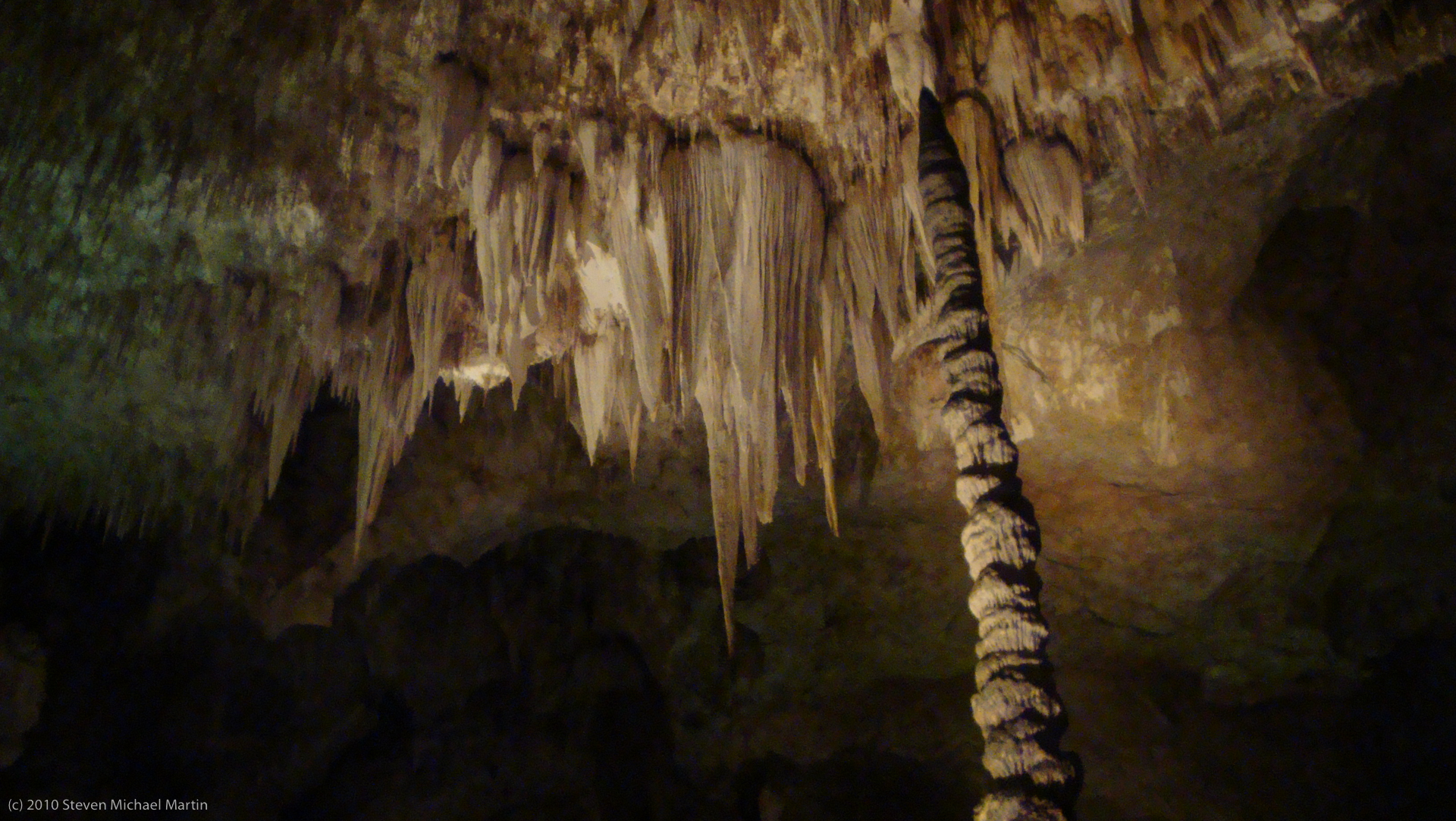
Carlsbad Caverns National Park preserves cave systems formed through dissolution of limestone by groundwater. Mineral deposition produced formations that illustrate chemical processes shaping subterranean environments.
🪨 Key Features
- Limestone dissolution creating underground chambers
- Stalactites and stalagmites formed by mineral deposition
- Chemical weathering influencing cave development
- Underground environments shaped by groundwater flow
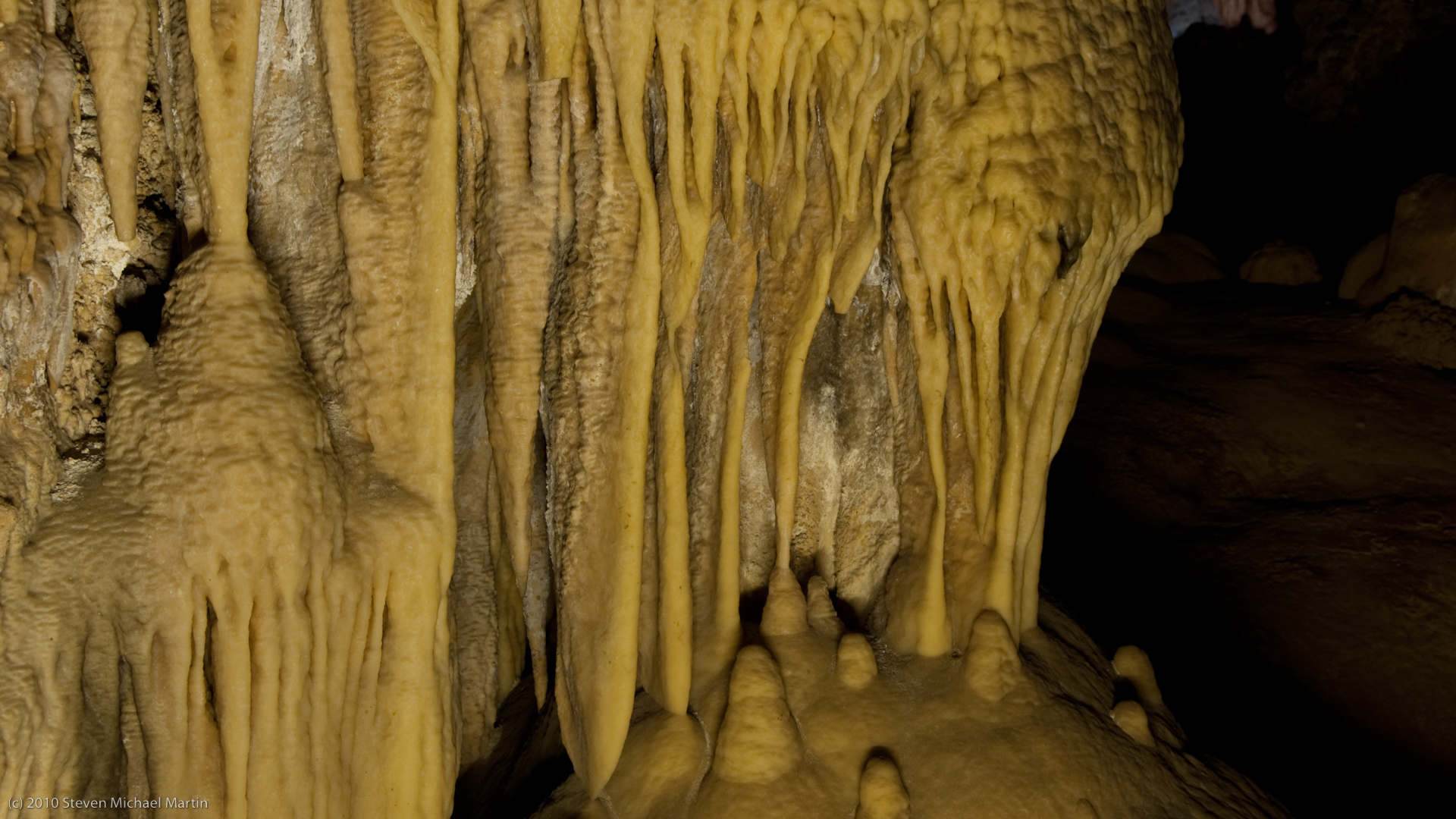
- Calcite formations illustrating geological processes
🌄 Geological Context
Groundwater dissolved carbonate rock, forming underground voids. Mineral deposits created formations reflecting changes in water chemistry.
📷 Photography Notes
- Low light requires steady camera support
- Look for symmetry in formations
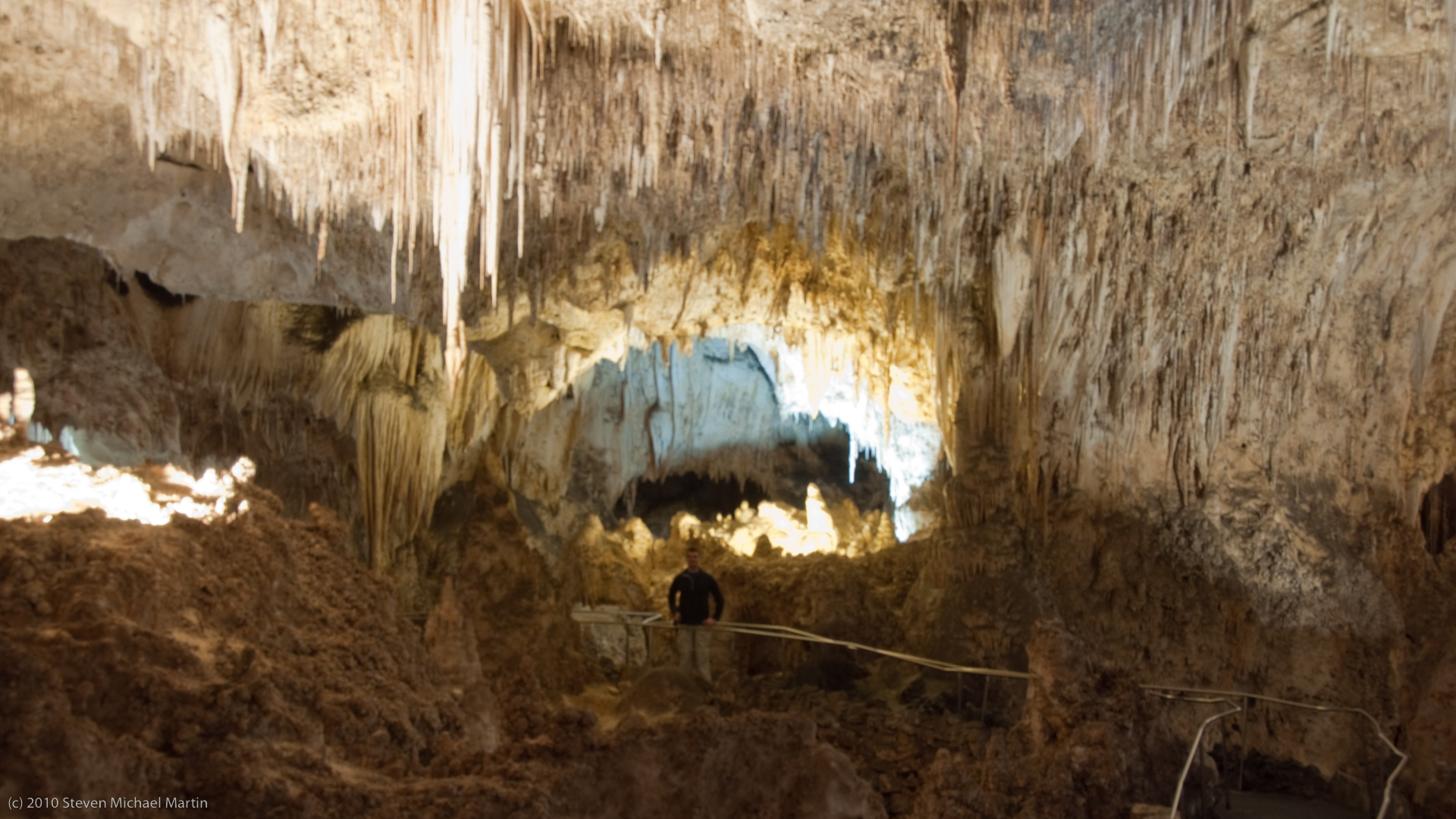
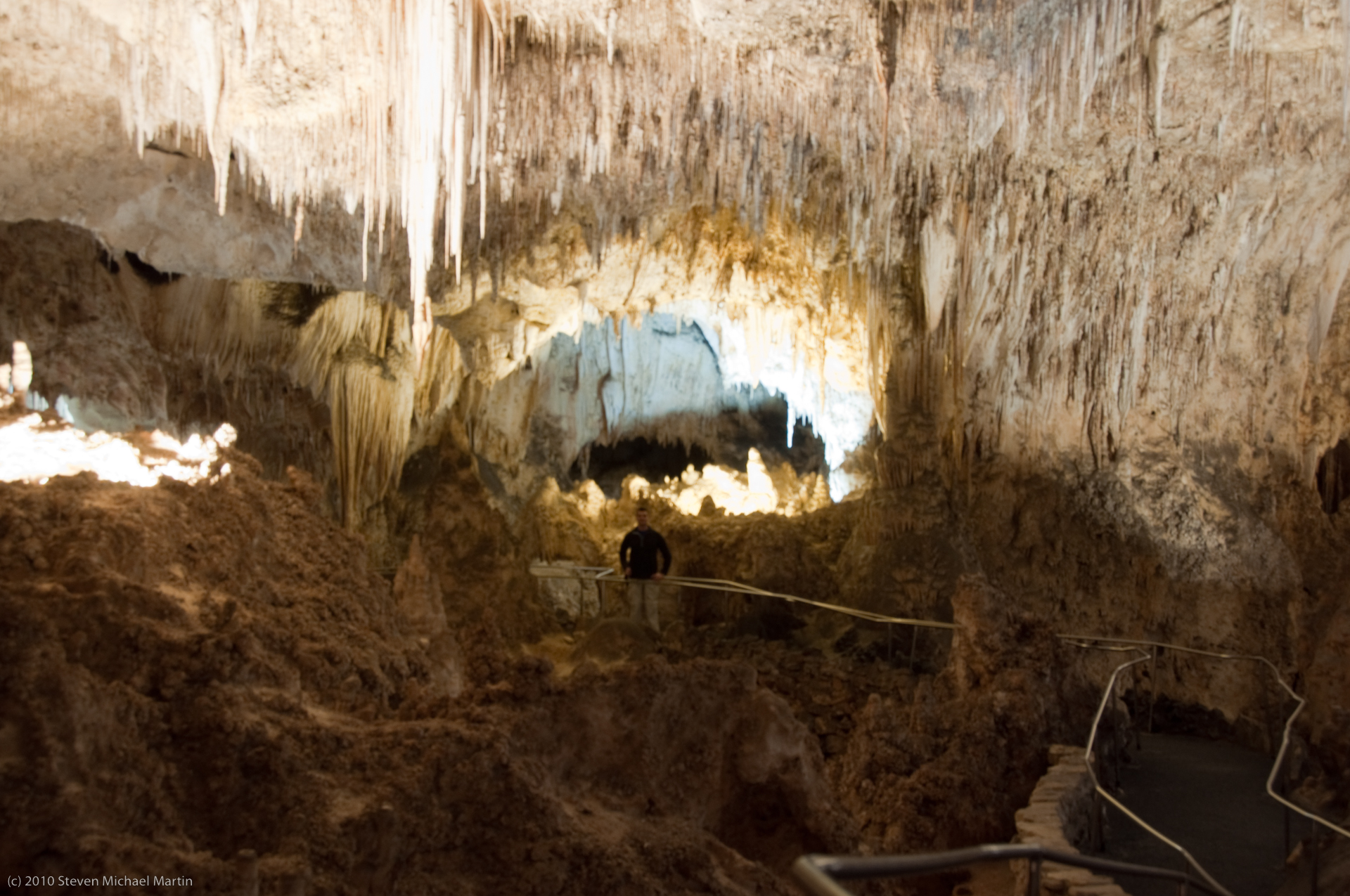
- Wide compositions emphasize cavern scale
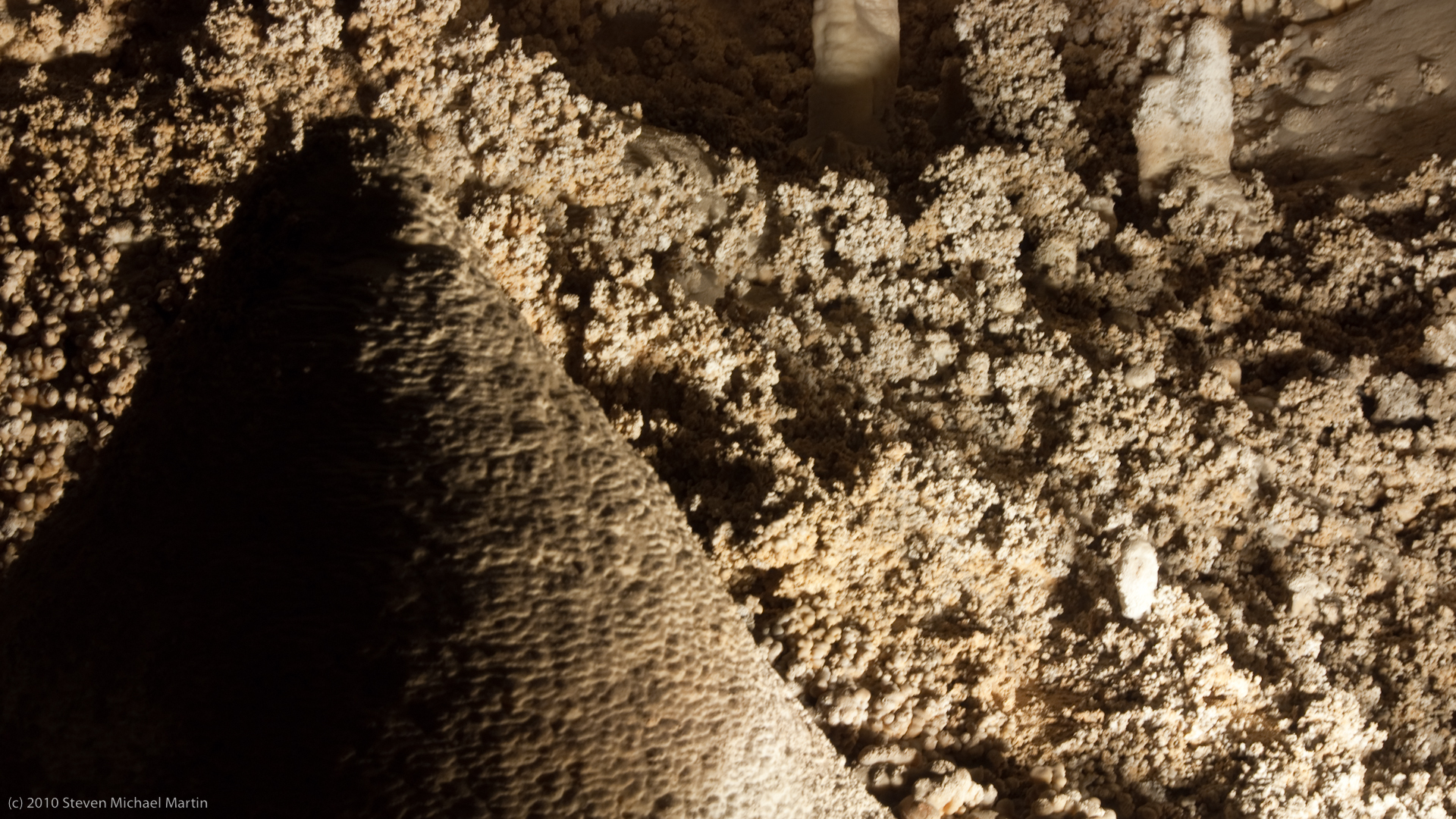
- Detail images highlight mineral texture